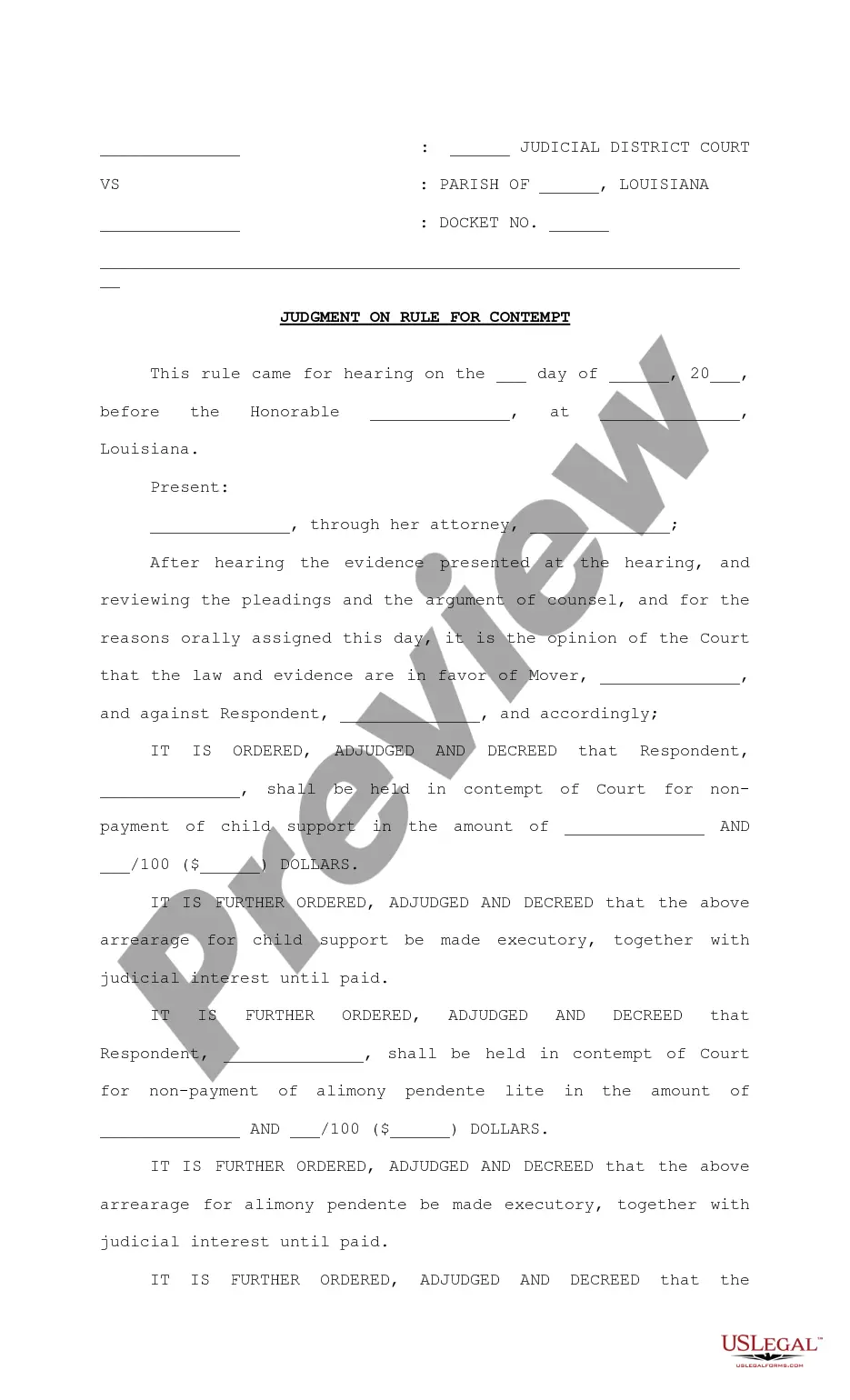
Bench Trial For Child Custody
Description








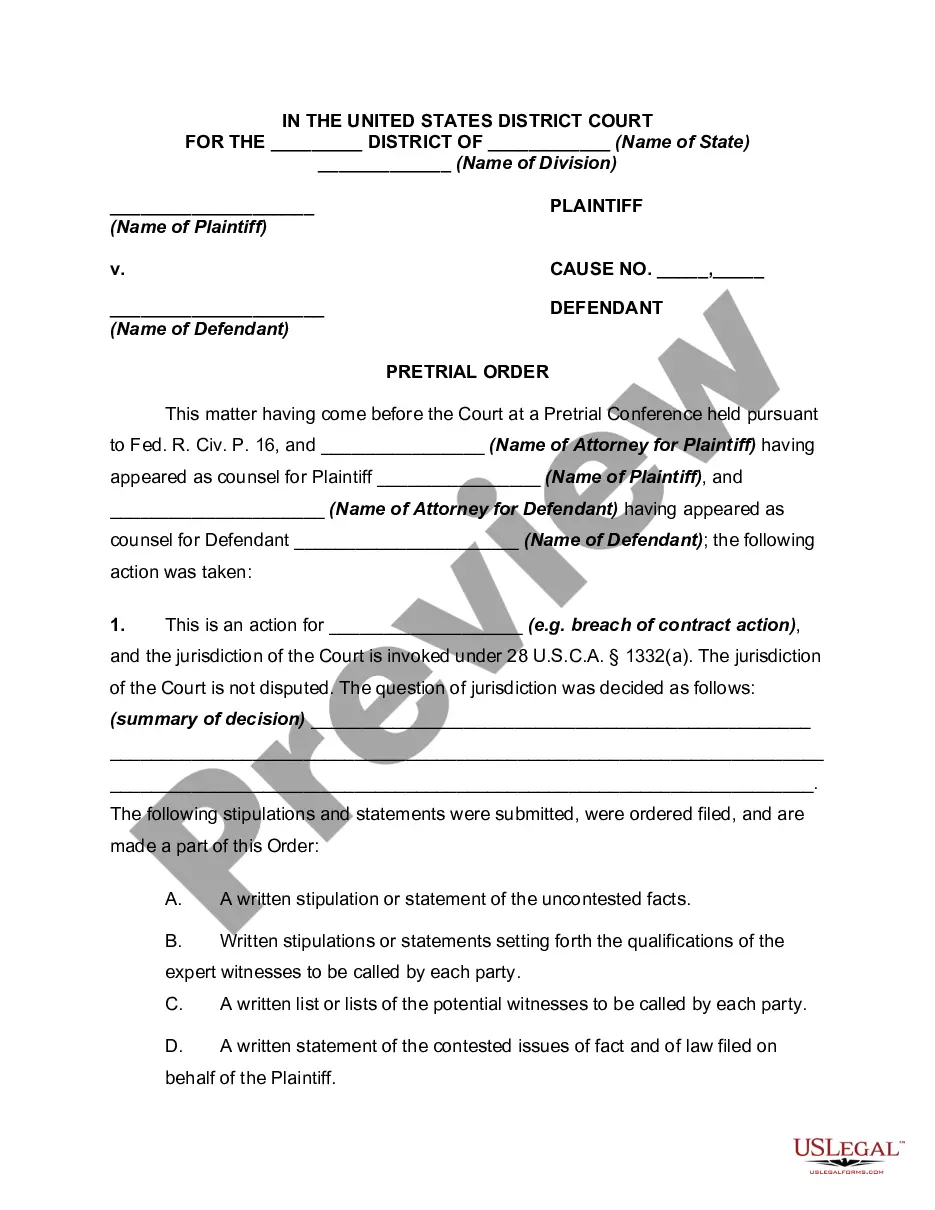
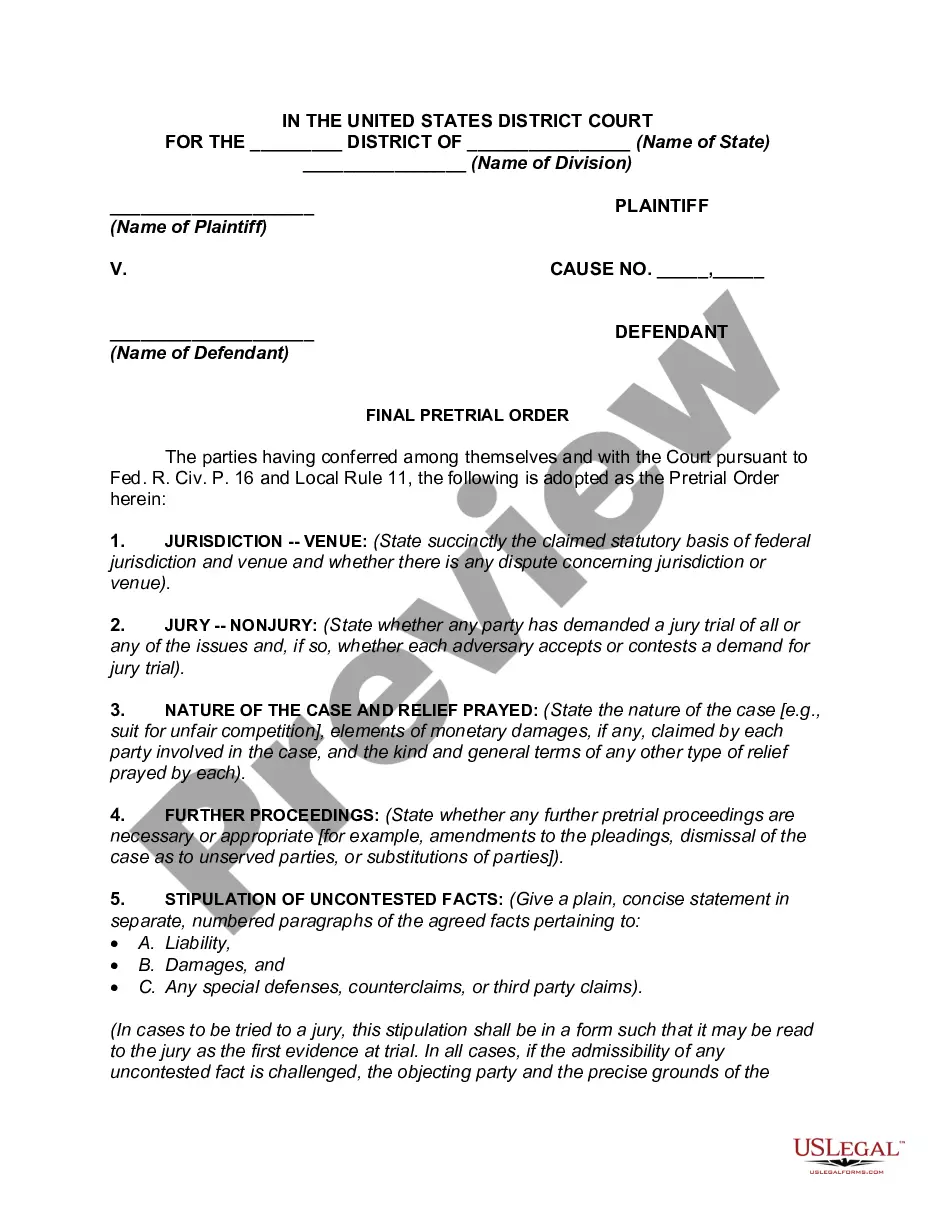
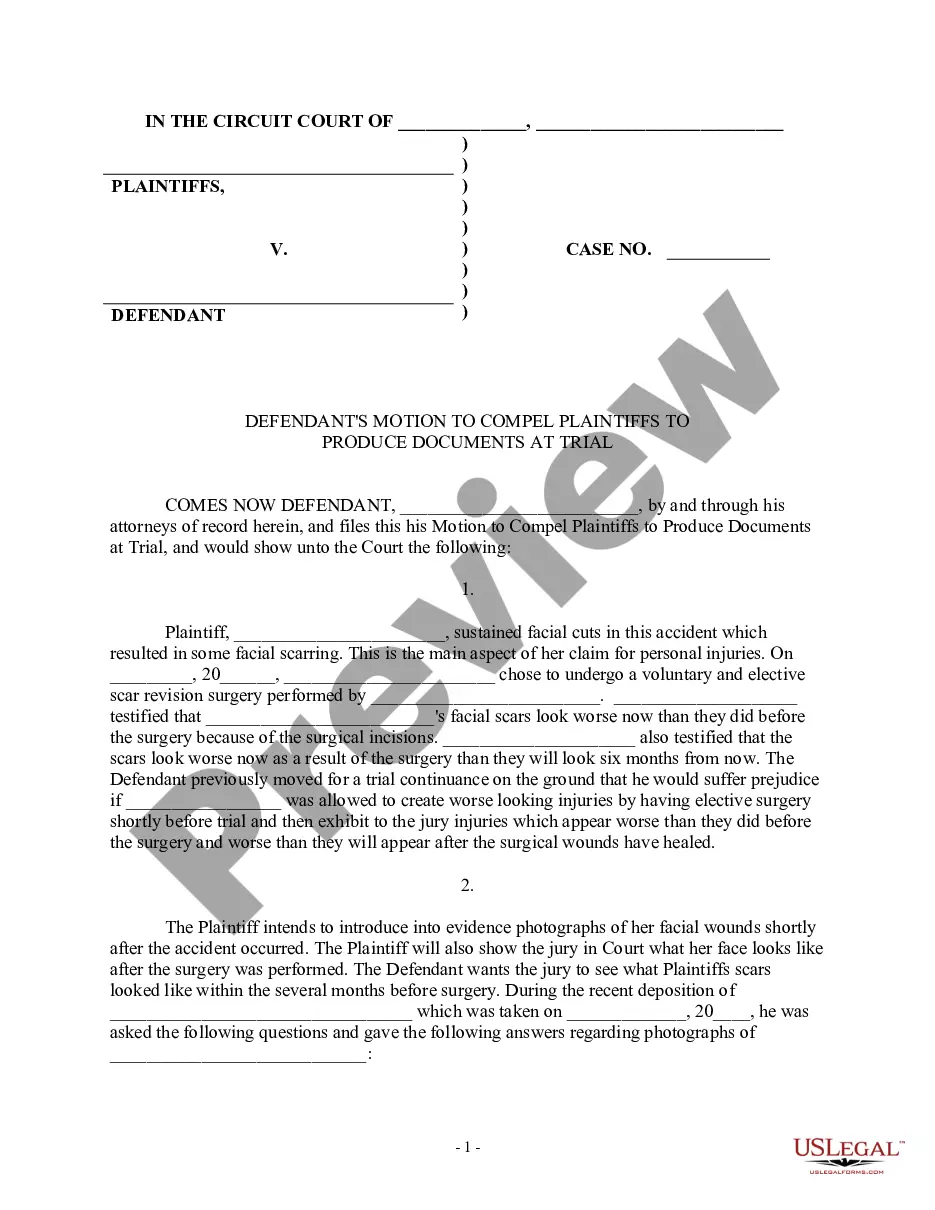

Get your form ready online
Our built-in tools help you complete, sign, share, and store your documents in one place.
Make edits, fill in missing information, and update formatting in US Legal Forms—just like you would in MS Word.
Download a copy, print it, send it by email, or mail it via USPS—whatever works best for your next step.
Sign and collect signatures with our SignNow integration. Send to multiple recipients, set reminders, and more. Go Premium to unlock E-Sign.
If this form requires notarization, complete it online through a secure video call—no need to meet a notary in person or wait for an appointment.
We protect your documents and personal data by following strict security and privacy standards.

Make edits, fill in missing information, and update formatting in US Legal Forms—just like you would in MS Word.

Download a copy, print it, send it by email, or mail it via USPS—whatever works best for your next step.

Sign and collect signatures with our SignNow integration. Send to multiple recipients, set reminders, and more. Go Premium to unlock E-Sign.

If this form requires notarization, complete it online through a secure video call—no need to meet a notary in person or wait for an appointment.

We protect your documents and personal data by following strict security and privacy standards.
Looking for another form?
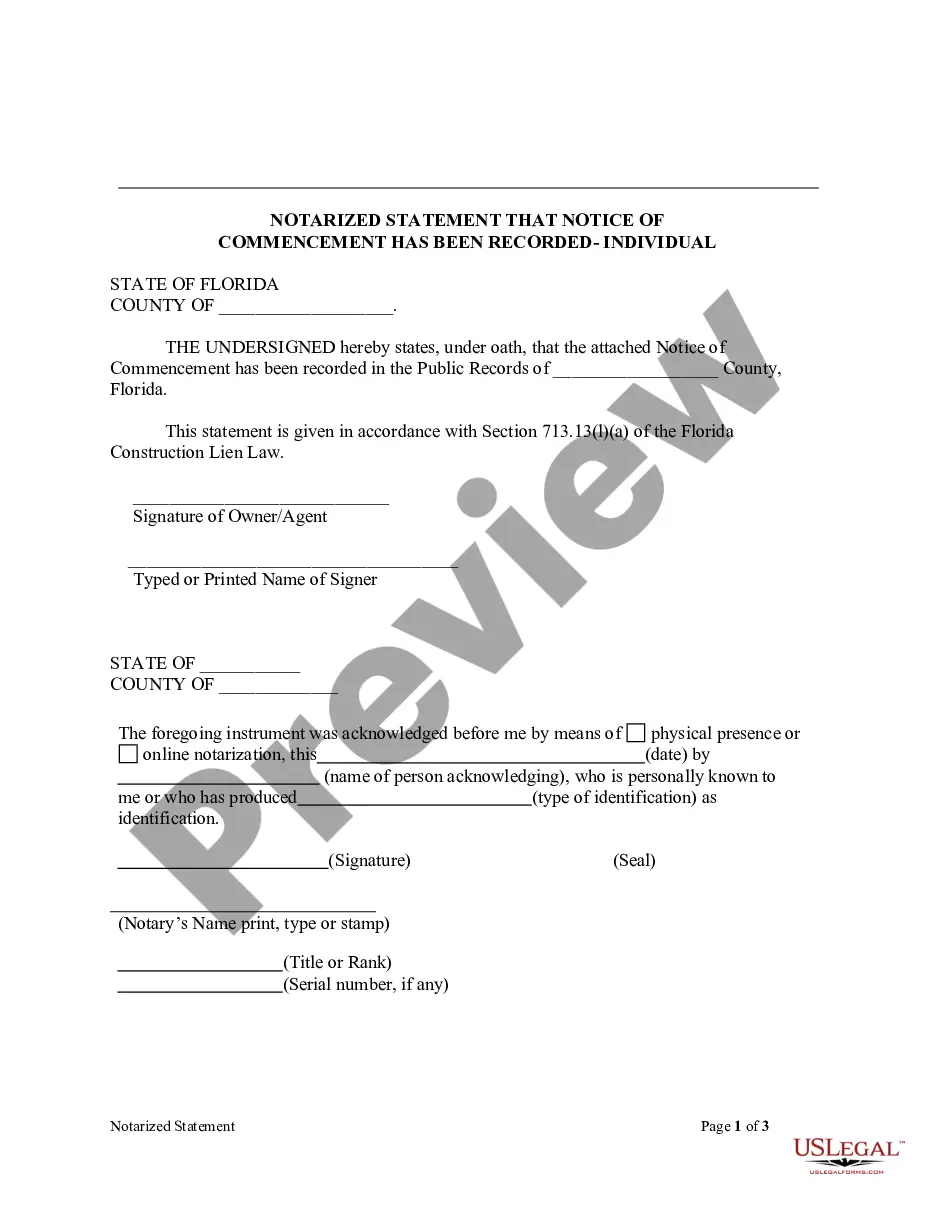








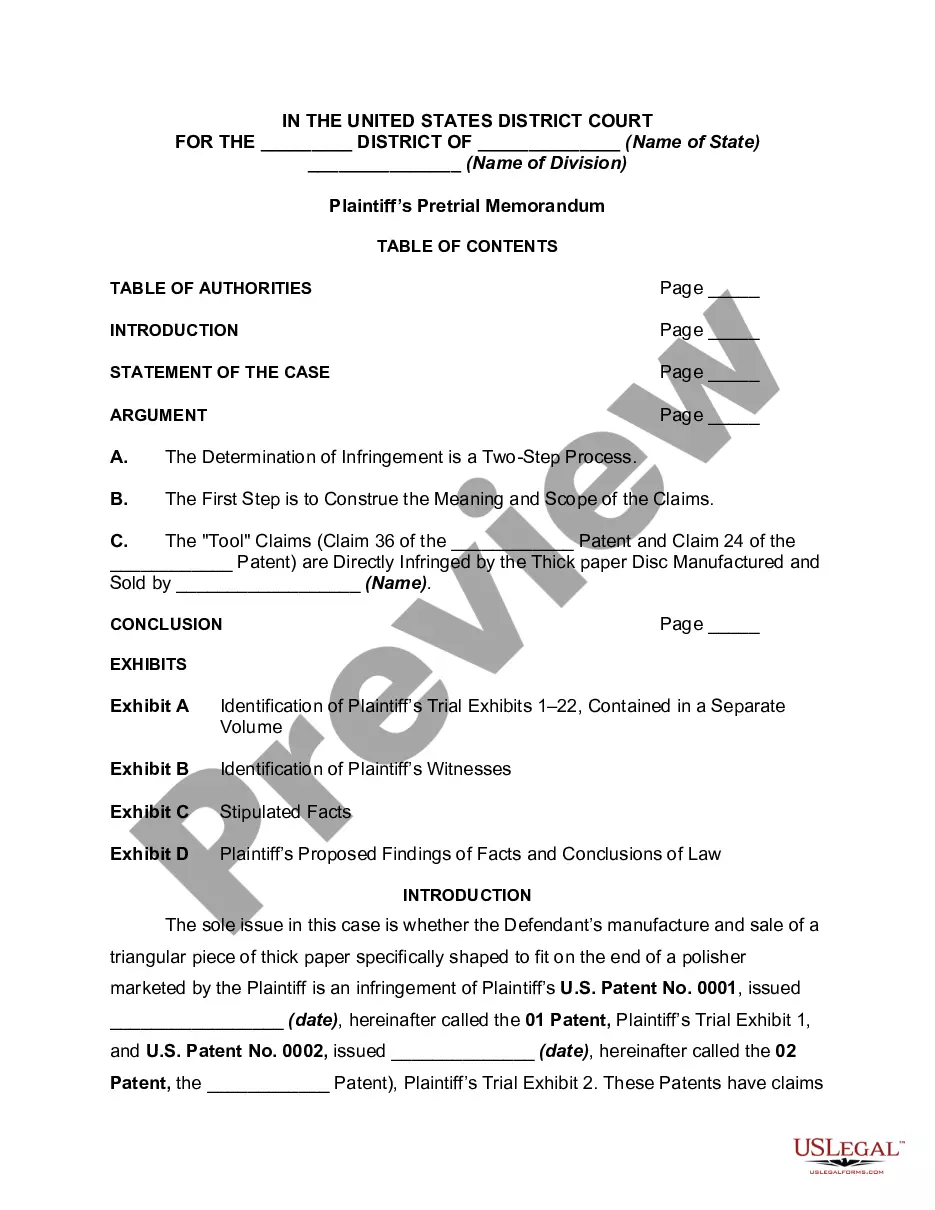
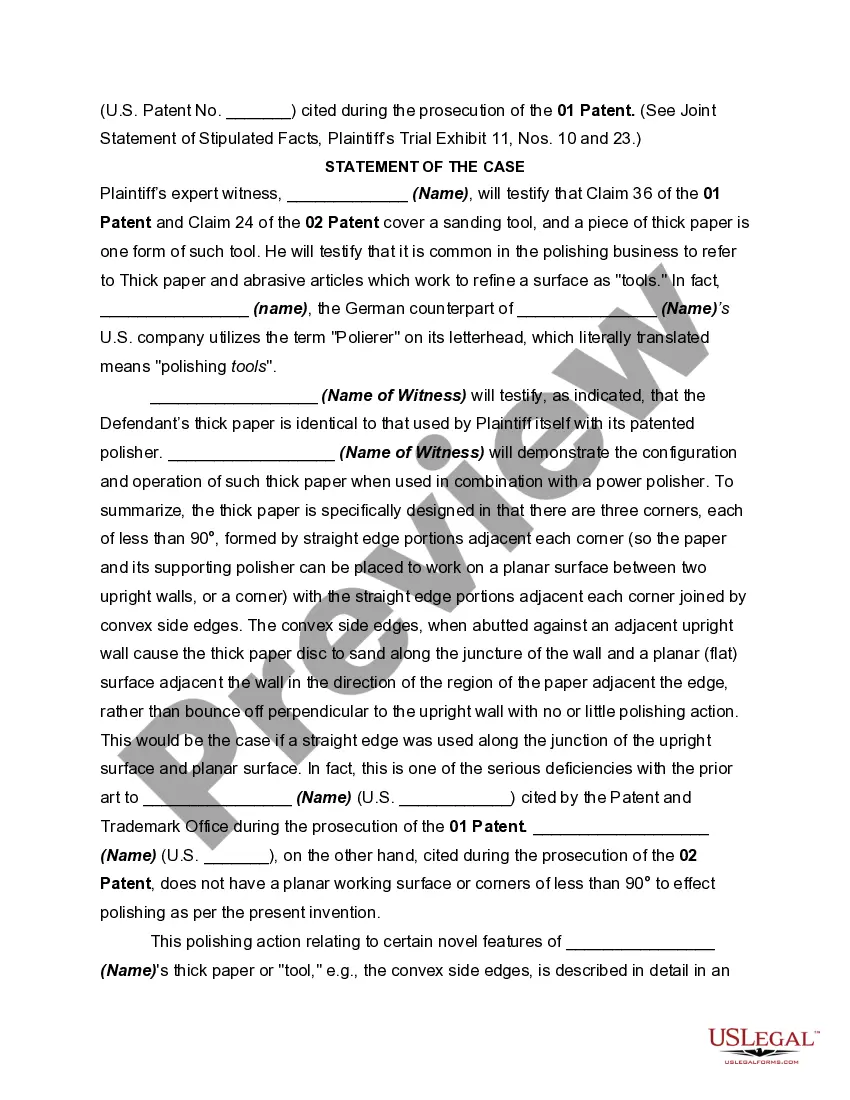
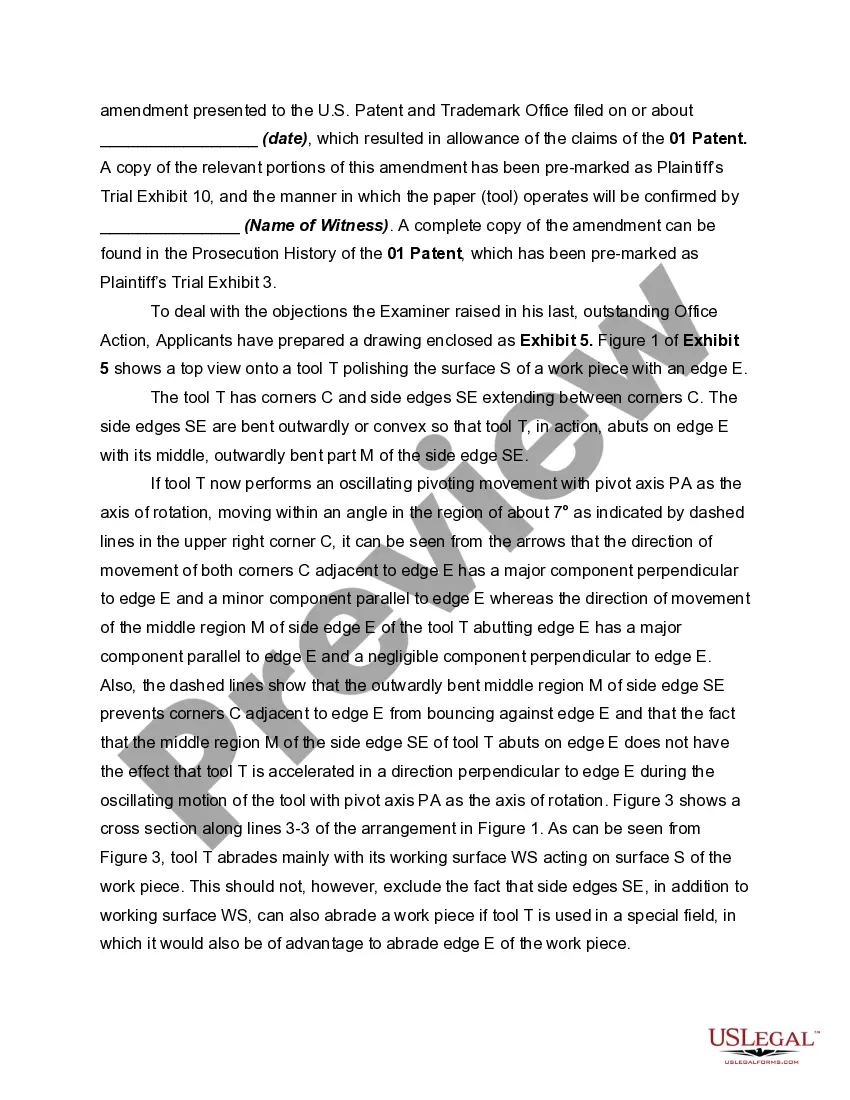
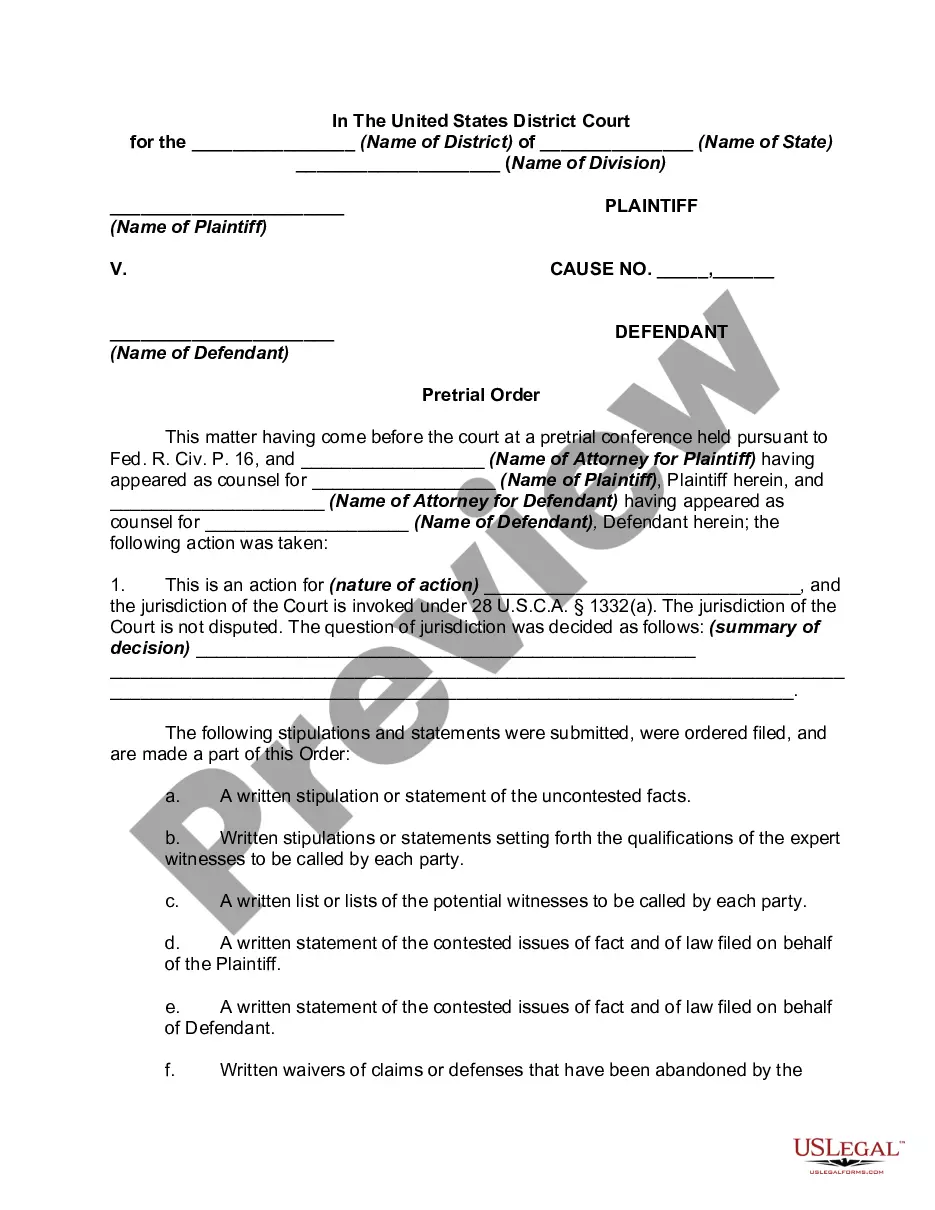
How to fill out Plaintiff's Pretrial Memorandum For A Bench Trial In A Patent Case?
When you are required to complete a Bench Trial For Child Custody that adheres to your local state's statutes and regulations, there may be many alternatives to select from.
You don't have to scrutinize every document to ensure it meets all the legal requirements if you are a US Legal Forms member.
It is a trustworthy resource that can assist you in acquiring a reusable and current template on any topic.
Utilizing expertly crafted formal documents becomes simple with US Legal Forms. Additionally, Premium members can also benefit from the robust integrated features for online PDF editing and signing. Experience it today!
- US Legal Forms is the most extensive online directory with a collection of over 85k ready-to-use documents for business and personal legal matters.
- All templates are confirmed to comply with each state's regulations.
- Consequently, when downloading the Bench Trial For Child Custody from our site, you can be assured that you possess a legitimate and current document.
- Retrieving the needed template from our platform is exceedingly straightforward.
- If you already have an account, simply Log In to the system, ensure your subscription is active, and save the chosen file.
- Later, you can navigate to the My documents tab in your profile to access the Bench Trial For Child Custody at any time.
- If this is your initial interaction with our library, kindly follow the instructions below.
- Review the recommended page and verify it aligns with your needs.
Form popularity
FAQ
Winning a bench trial for child custody requires thorough preparation and a clear presentation of evidence. You should gather relevant documents, testimonials, and any other proof that supports your case. Staying organized and focused during proceedings will also contribute to your success. Utilizing tools from uslegalforms can significantly enhance your strategy and increase your odds of a favorable ruling.
A bench trial for child custody is not inherently good or bad; it depends on your unique situation. Many parents prefer this option for its efficiency and the expertise judges bring to family law matters. However, each case is different, and it's crucial to weigh the pros and cons. Consulting resources from uslegalforms can provide clarity as you explore your options.
In a bench trial for child custody, there is no conventional sentencing like you would see in a criminal case. Instead, the judge will issue a ruling focused on the best interests of the child. The outcome can include custody arrangements, visitation rights, and other related decisions. It's important to be informed and prepared for these outcomes, and uslegalforms can assist you in that preparation.
A bench trial for child custody can vary in duration based on individual case details. Typically, these trials can last from a few days to several weeks. Your trial may extend if there are numerous witnesses or complex evidence to consider. Being well-prepared with resources from uslegalforms can help streamline the process for you.
The odds of going to trial depend on multiple factors, including the complexity of your child custody case. While many disputes settle outside of court, some cases necessitate a bench trial. If both parents cannot agree on a parenting plan, you might find yourself in front of a judge. Using uslegalforms can help prepare you for trial and increase your chances of a favorable outcome.
Choosing a bench trial for child custody can be beneficial in certain situations. If you seek a decision from a judge who understands family law, this approach may work in your favor. Moreover, bench trials tend to be less formal than jury trials and can expedite the process. Ultimately, consider your specific case circumstances before making your decision.
Not all child custody cases reach a trial; in fact, a significant number are resolved through mediation or settlement agreements. However, when disputes arise that cannot be settled amicably, a bench trial for child custody often becomes necessary. Understanding this process can help parents prepare for the potential challenges they might face.
Cases that involve complex legal issues, such as child custody disputes, are prime candidates for bench trials. Qualifying factors include the request of both parties or scenarios where a jury may not fully grasp nuanced family dynamics. Thus, many choose a bench trial for child custody as a display of confidence in judicial expertise.
Some individuals prefer bench trials because they believe a judge will better understand the complexities of family law compared to a jury. Additionally, bench trials often move more swiftly, reducing the emotional stress that can accompany prolonged custody disputes. Ultimately, a bench trial for child custody offers a more efficient path toward resolution.
To request a bench trial, both parties usually file a motion with the court that outlines their desire for a judge to decide the case. This motion often includes reasons for preferring a bench trial over a jury trial, such as a need for legal expertise. If granted, you will prepare for a bench trial for child custody, ensuring all relevant information is presented.
