Common Terms Agreement Vs Facility Agreement In Cuyahoga
Description

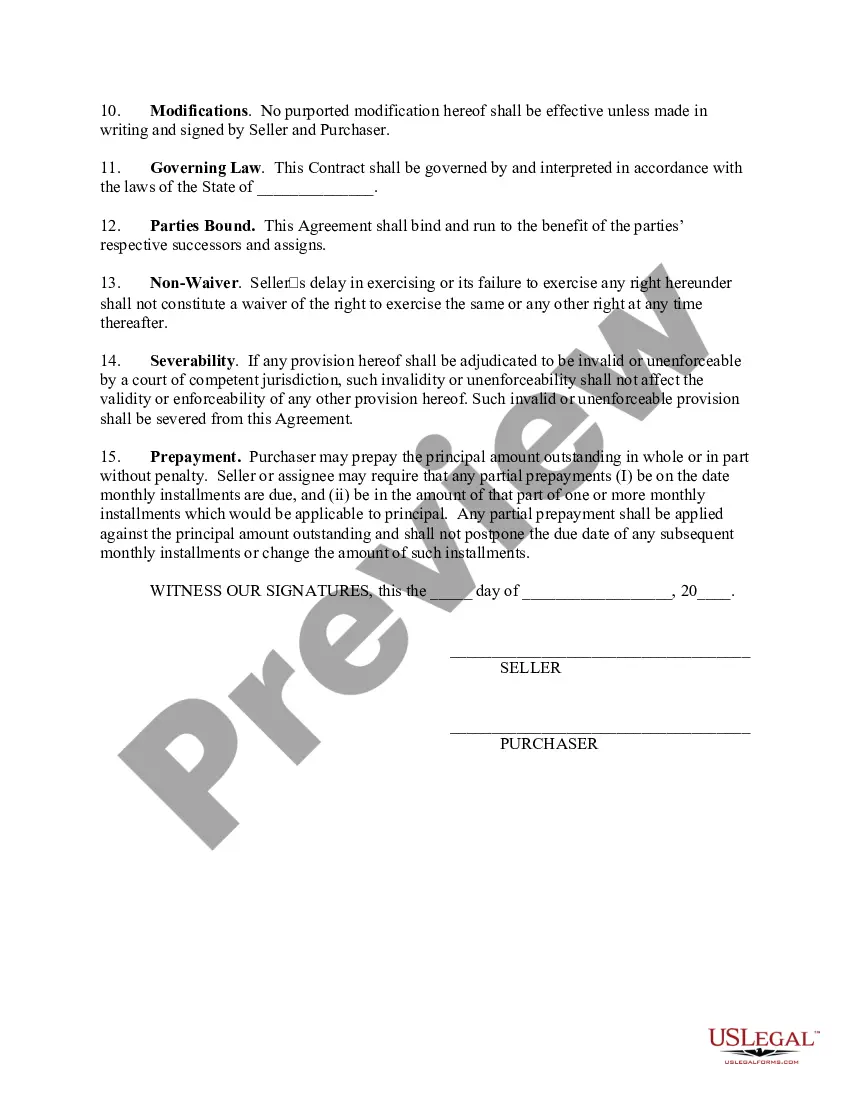
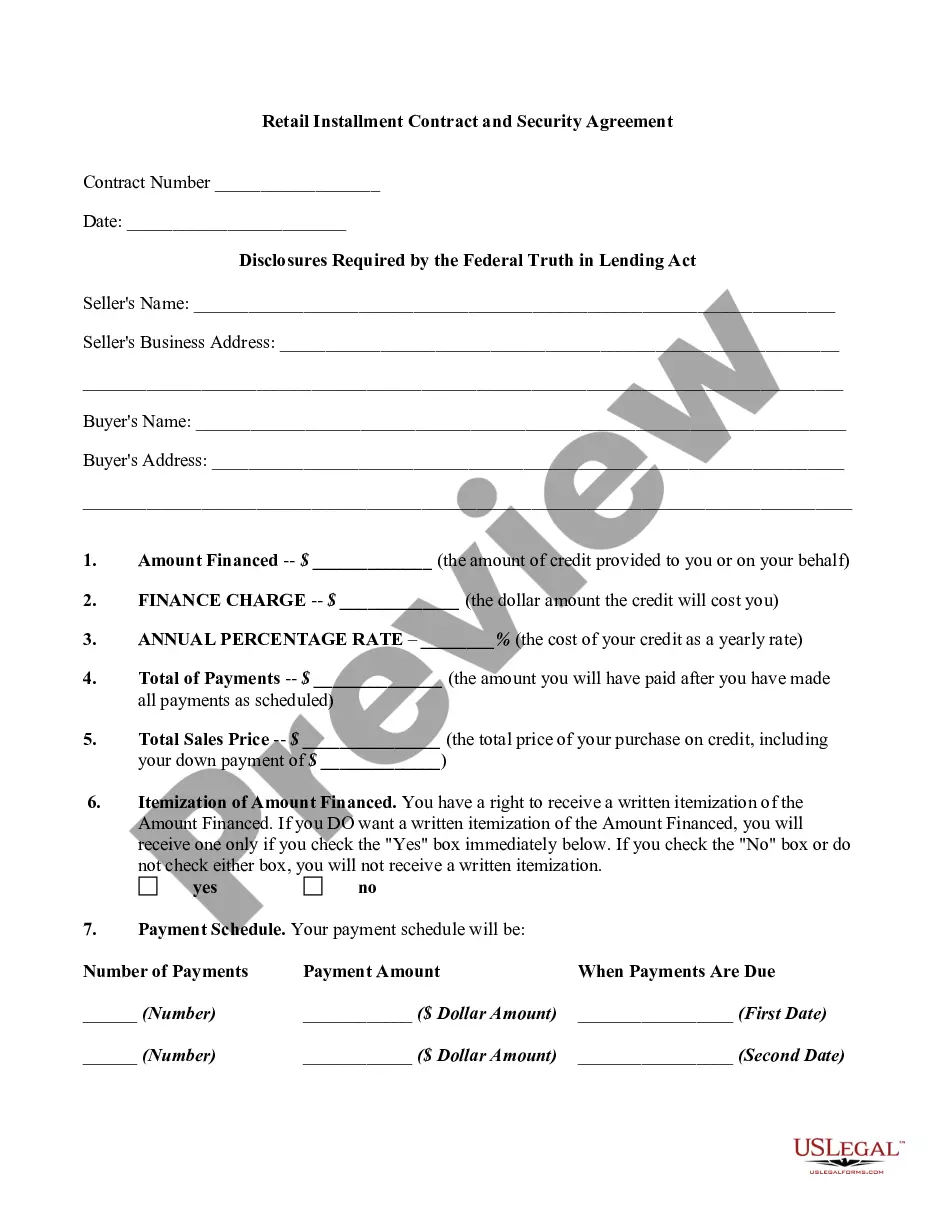
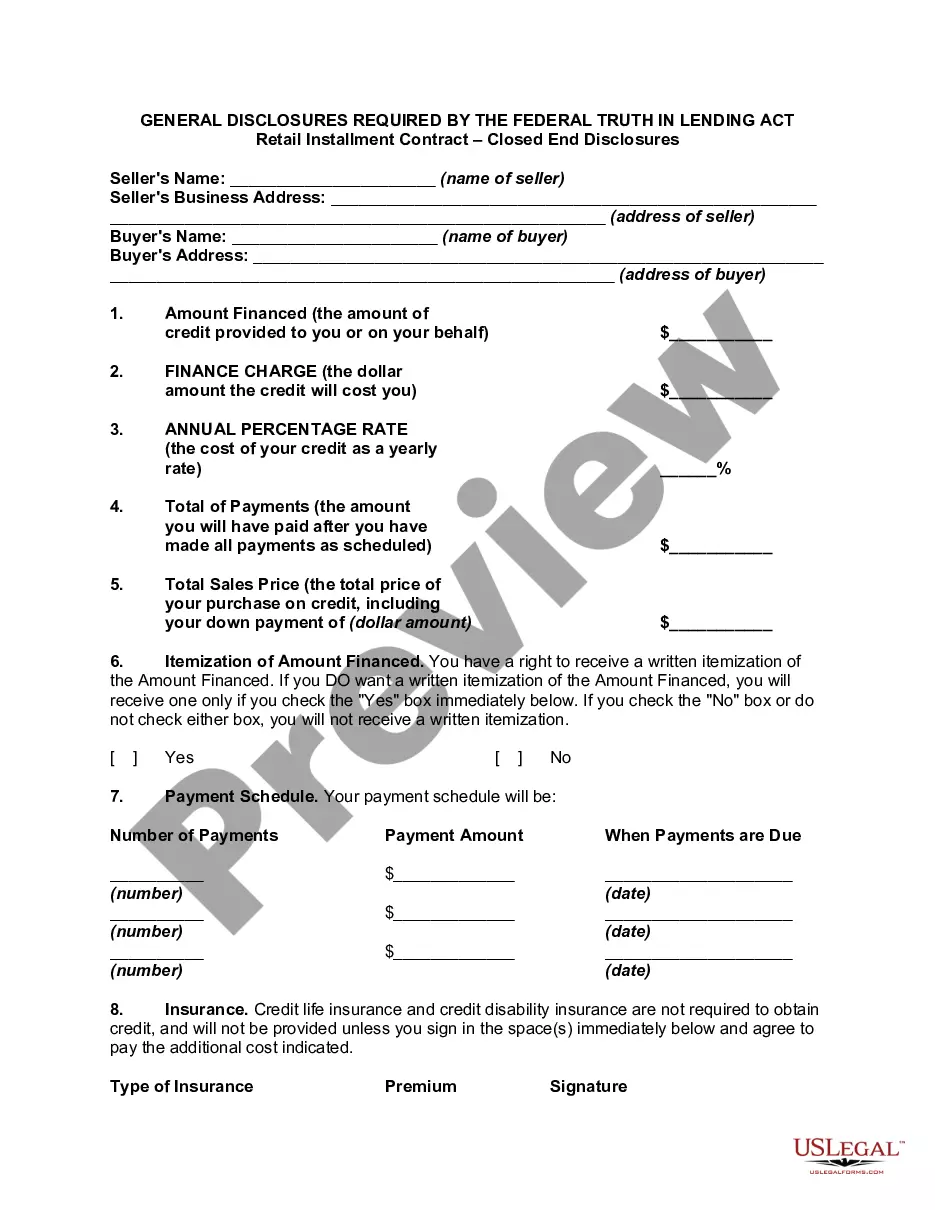
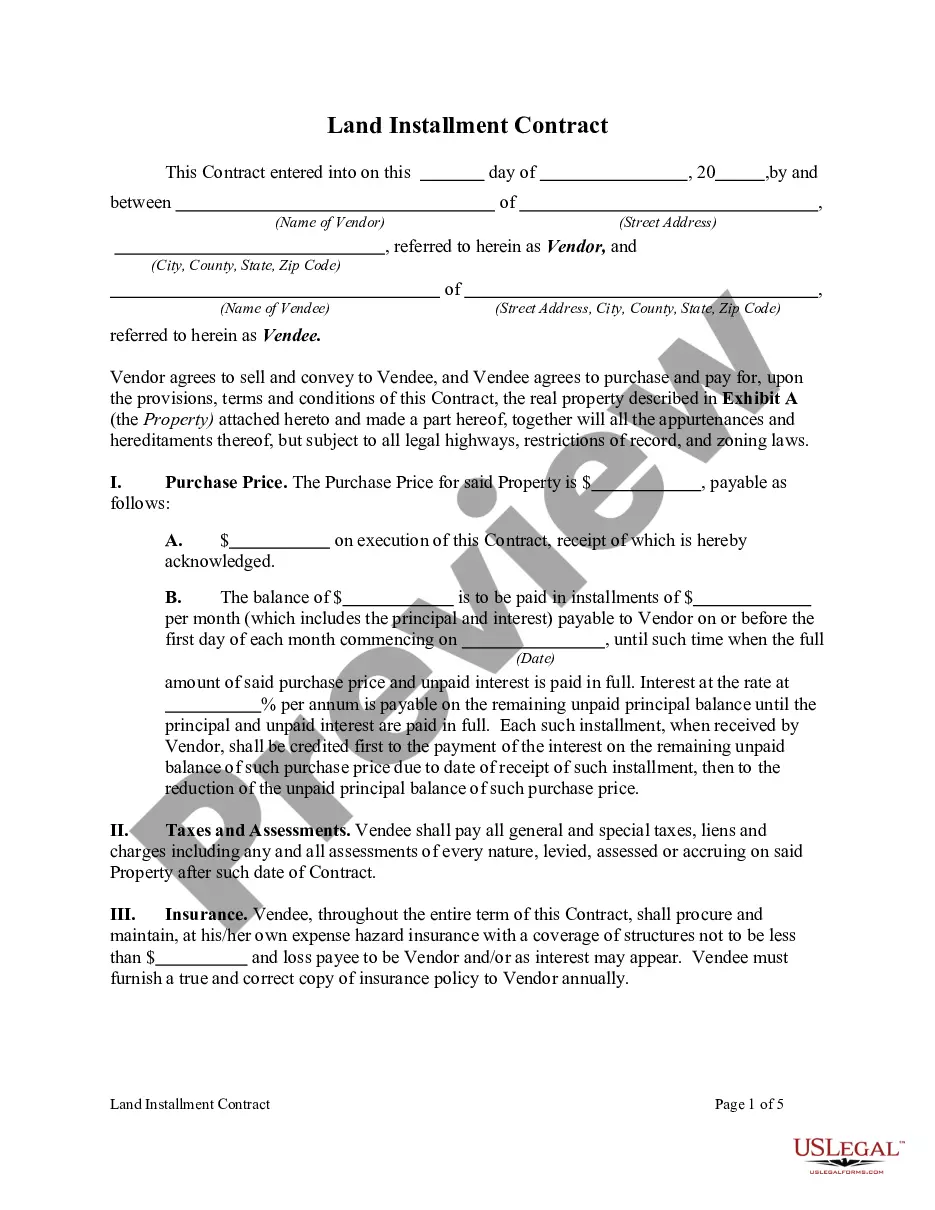
Get your form ready online
Our built-in tools help you complete, sign, share, and store your documents in one place.
Make edits, fill in missing information, and update formatting in US Legal Forms—just like you would in MS Word.
Download a copy, print it, send it by email, or mail it via USPS—whatever works best for your next step.
Sign and collect signatures with our SignNow integration. Send to multiple recipients, set reminders, and more. Go Premium to unlock E-Sign.
If this form requires notarization, complete it online through a secure video call—no need to meet a notary in person or wait for an appointment.
We protect your documents and personal data by following strict security and privacy standards.

Make edits, fill in missing information, and update formatting in US Legal Forms—just like you would in MS Word.

Download a copy, print it, send it by email, or mail it via USPS—whatever works best for your next step.

Sign and collect signatures with our SignNow integration. Send to multiple recipients, set reminders, and more. Go Premium to unlock E-Sign.

If this form requires notarization, complete it online through a secure video call—no need to meet a notary in person or wait for an appointment.

We protect your documents and personal data by following strict security and privacy standards.
Looking for another form?










Form popularity
FAQ
The lender's lawyers will usually, but not always, prepare the first draft of the facility agreement.
A good facilities agreement increases your ability as Shop Stewards/Reps to build strong workplace organisation, increasing the bargaining power of your members, including agency workers.
Common Terms Agreement The CTA is an agreement among the financing parties and the borrower which sets out the terms that are common to all tranches of debt including definitions, conditions precedent, covenants, events of defaults and various miscellaneous provisions.
The facility agreement is the principal document in the suite of documents which is needed for the provision of finance for a development or construction project. It sets out the terms and conditions under which a lender is prepared to provide finance for the project.
A common agreement is a contract between two or more parties that determines the terms and conditions that govern their relationship. The contract states who the parties are, what common goal they wish to reach, and what roles and responsibilities each will take on to do their part to reach that goal.
In Ohio, for a contract to be legally enforceable, certain elements—like a valid offer, acceptance, and a meeting of the minds—must be present within the document or verbal agreement. These elements help ensure the enforceability of the contract and confirm the agreement is valid and binding under the law.
Types of agreements under Indian Contract Act, 1872 Valid agreement. Section 11 of the Indian Contract Act, 1872. Void agreement. Section 24 of the Indian Contract Act, 1872. Wagering Agreements. Contingent Agreement. Voidable agreement. Express and implied agreements. Illegal Agreements.
“Terms and Conditions” is the document governing the contractual relationship between the provider of a service and its user. On the web, this document is often also called “Terms of Service” (ToS), “Terms of Use“, EULA (“End-User License Agreement”), “General Conditions” or “Legal Notes”.