Work Law Pay With No Deposit In Minnesota
Description
















Get your form ready online
Our built-in tools help you complete, sign, share, and store your documents in one place.
Make edits, fill in missing information, and update formatting in US Legal Forms—just like you would in MS Word.
Download a copy, print it, send it by email, or mail it via USPS—whatever works best for your next step.
Sign and collect signatures with our SignNow integration. Send to multiple recipients, set reminders, and more. Go Premium to unlock E-Sign.
If this form requires notarization, complete it online through a secure video call—no need to meet a notary in person or wait for an appointment.
We protect your documents and personal data by following strict security and privacy standards.

Make edits, fill in missing information, and update formatting in US Legal Forms—just like you would in MS Word.

Download a copy, print it, send it by email, or mail it via USPS—whatever works best for your next step.

Sign and collect signatures with our SignNow integration. Send to multiple recipients, set reminders, and more. Go Premium to unlock E-Sign.

If this form requires notarization, complete it online through a secure video call—no need to meet a notary in person or wait for an appointment.

We protect your documents and personal data by following strict security and privacy standards.
Looking for another form?


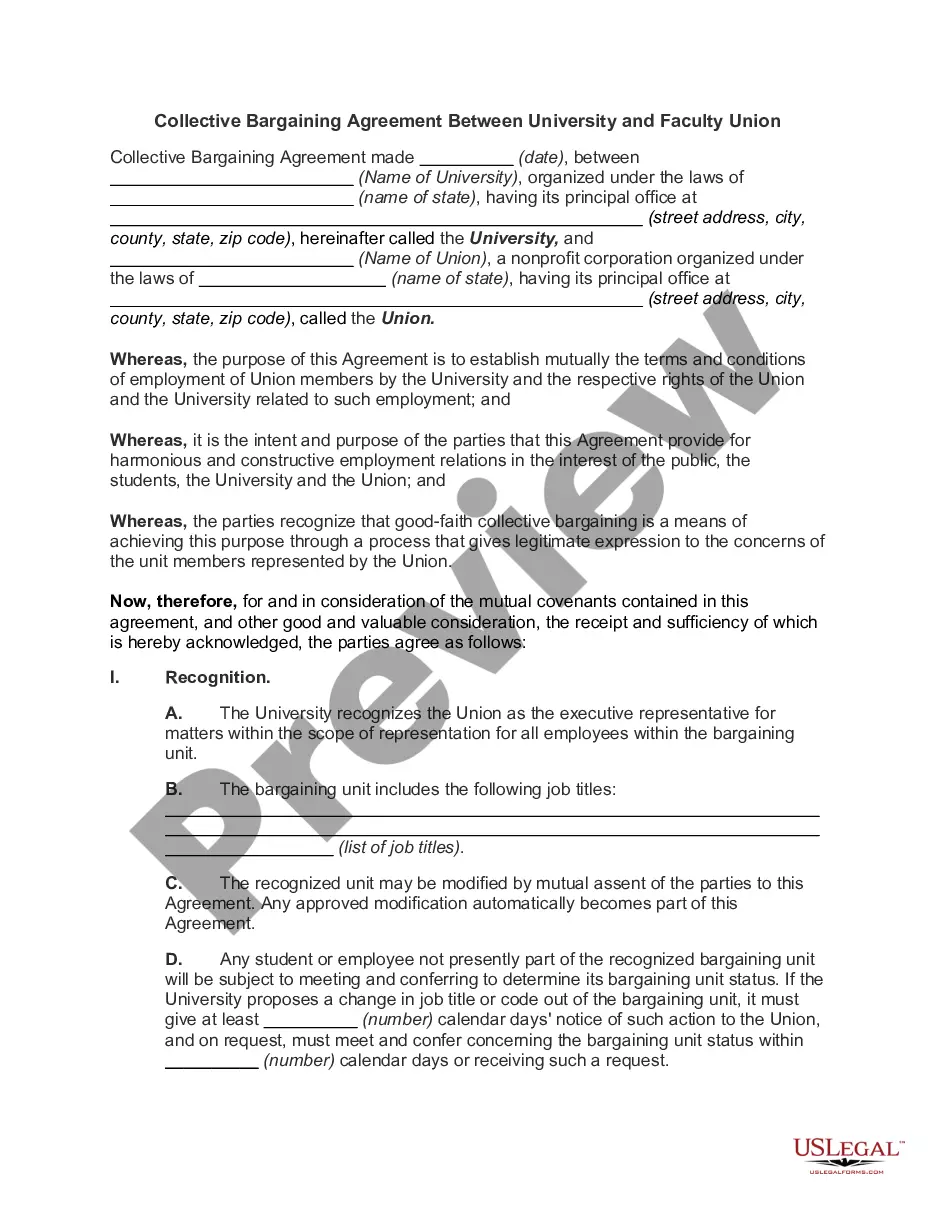
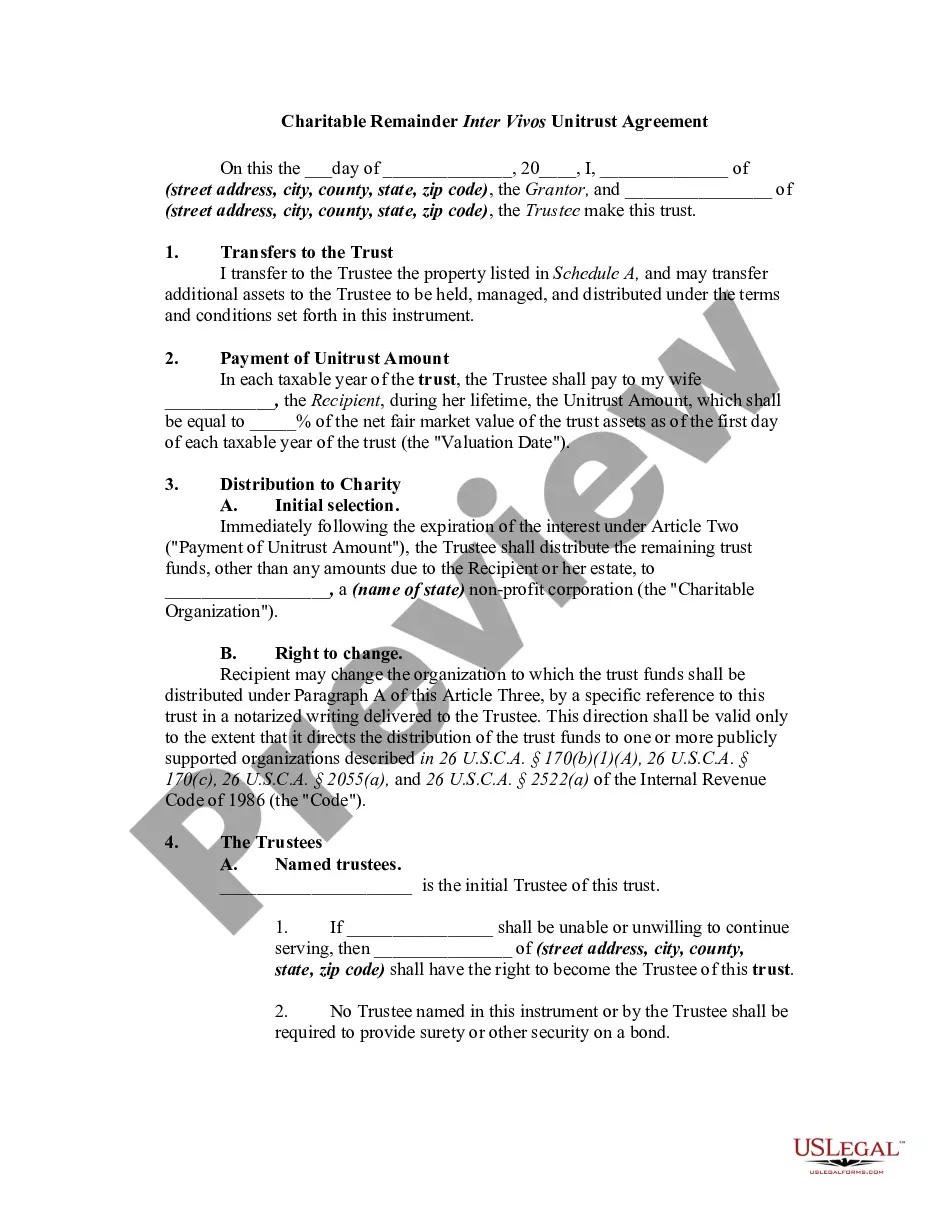


Form popularity
FAQ
Under Minnesota's Minimum Wage Law, different rates apply to “large” and “small” employers. A “large” employer is an enterprise with gross revenues of $500,000 or more. A “small” employer is an enterprise with gross revenues of less than $500,000.
177.25 OVERTIME. No employer may employ an employee for a workweek longer than 48 hours, unless the employee receives compensation for employment in excess of 48 hours in a workweek at a rate of at least 1-1/2 times the regular rate at which the employee is employed.
Minnesota: Private sector employers in Minnesota can enroll employees in direct deposit; however, employees may opt out by written notification to the employer.
Beginning January 1, 2025, Minnesota employers are required to include the starting salary range and a general description of benefits and other compensation in postings for open positions. This requirement was signed into law by Governor Walz as part of an Omnibus Labor and Industry policy bill.
The law becomes effective January 1, 2025 and applies to employers with 30 or more employees within the state. Beginning January 1, 2025, Minnesota employers are required to include the starting salary range and a general description of benefits and other compensation in postings for open positions.
Although there is no specific duration a job must be posted, the general rule is that contractors must list employment openings with the appropriate employment delivery system concurrently with a contractor's use of any other recruitment source or effort.
Detailed job descriptions can support a team member who files a wrongful termination suit if the detailed listing doesn't accurately reflect what the team member was asked to do. It is important to note, however, that job descriptions are not legally binding.
The purpose of the Job Posting Policy is to ensure all employees are aware of open positions and have the opportunity to apply for those they are qualified for.