Work Labor Law With Example In Mecklenburg
Description
















Get your form ready online
Our built-in tools help you complete, sign, share, and store your documents in one place.
Make edits, fill in missing information, and update formatting in US Legal Forms—just like you would in MS Word.
Download a copy, print it, send it by email, or mail it via USPS—whatever works best for your next step.
Sign and collect signatures with our SignNow integration. Send to multiple recipients, set reminders, and more. Go Premium to unlock E-Sign.
If this form requires notarization, complete it online through a secure video call—no need to meet a notary in person or wait for an appointment.
We protect your documents and personal data by following strict security and privacy standards.
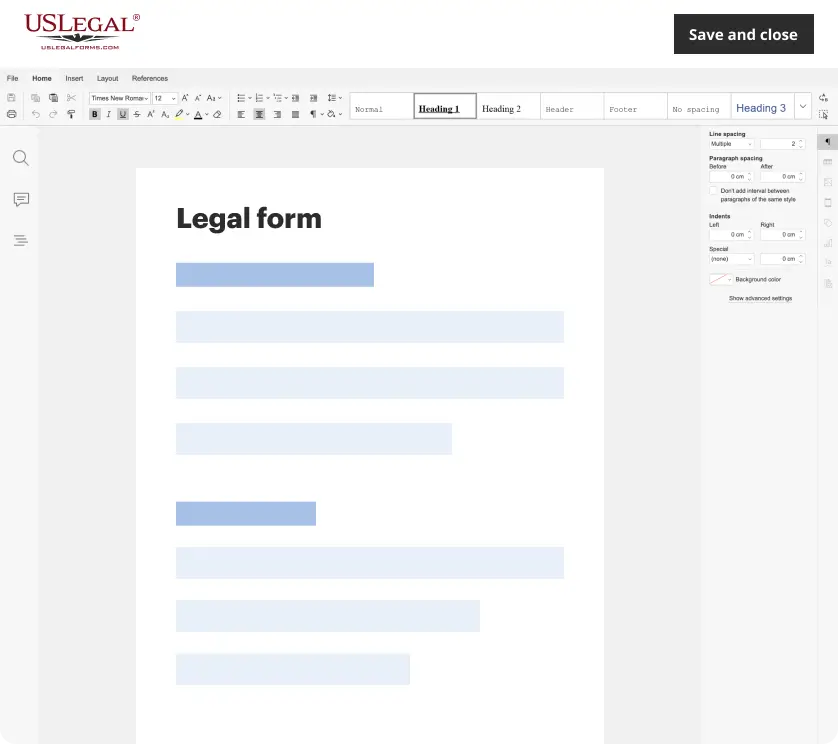
Make edits, fill in missing information, and update formatting in US Legal Forms—just like you would in MS Word.
Download a copy, print it, send it by email, or mail it via USPS—whatever works best for your next step.
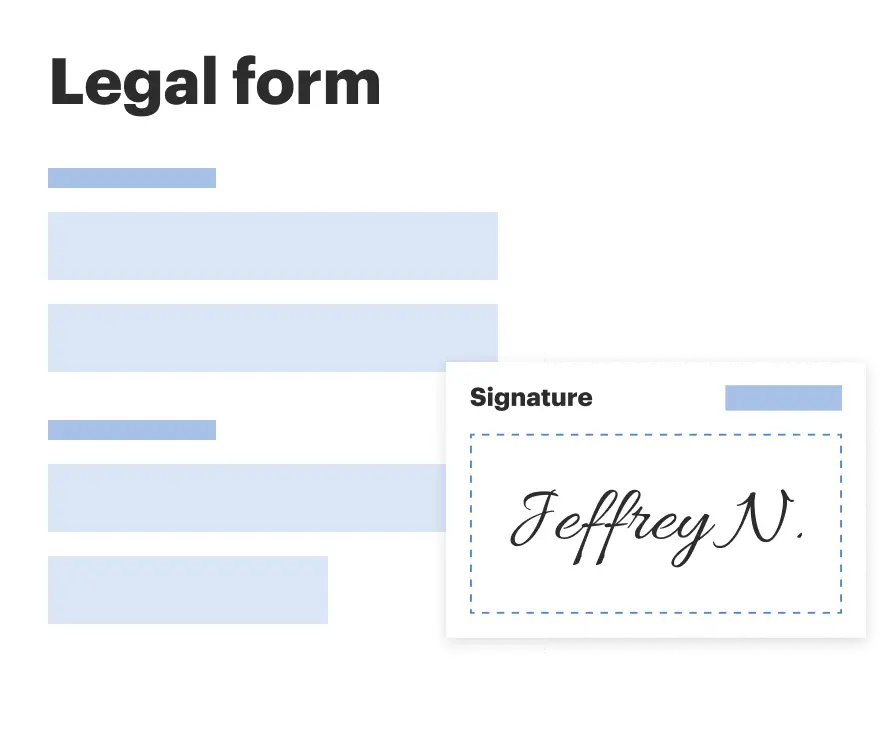
Sign and collect signatures with our SignNow integration. Send to multiple recipients, set reminders, and more. Go Premium to unlock E-Sign.
If this form requires notarization, complete it online through a secure video call—no need to meet a notary in person or wait for an appointment.
We protect your documents and personal data by following strict security and privacy standards.
Looking for another form?




Form popularity
FAQ
An example of a labor law is a restriction on when a union may call a strike. Labor laws are regulations that govern the rights and responsibilities of employers and employees in the workplace. They aim to protect workers and ensure fair treatment, wages, and working conditions.
Understanding At Will Employment in North Carolina Being late once, a personality clash or a simple mistake are all legally acceptable reasons to terminate an employee in the eyes of the law, and there doesn't need to be a "paper trail" or warning beforehand.
United States labor law sets the rights and duties for employees, labor unions, and employers in the US. Labor law's basic aim is to remedy the "inequality of bargaining power" between employees and employers, especially employers "organized in the corporate or other forms of ownership association".
There are many major labor laws in the United States. The Fair Labor Standards Act, Occupational Safety and Health Act, Family and Medical Leave Act, and part of the Civil Rights act are all important standards of labor law.
Youths under 16 years of age have to be given at least a 30-minute break after 5 hours, and no break of less than 30 minutes shall be deemed to interrupt a continuous period of work. Again, there are no required rest breaks or meal breaks at all for employees 16 years of age or older.
Maintain Accurate Records: Keep thorough and accurate records of employee information, hours worked, wages, and any other documentation required by labor laws. This includes records of training sessions, safety inspections, and policy acknowledgments.
Labor law compliance refers to the process of adhering to the legal requirements and regulations related to employment and labor practices. These laws are designed to protect the rights and interests of employees and ensure fair and safe working conditions.
Know the labor laws that apply to your business. Before you can be sure you're compliant, you need to know what state and federal labor laws apply to your business. Create a compliance checklist. Compile an employee handbook. Perform a job discrimination self-audit. Use an employment agreement.
Maintain Accurate Records: Keep thorough and accurate records of employee information, hours worked, wages, and any other documentation required by labor laws. This includes records of training sessions, safety inspections, and policy acknowledgments.
