Educational Assistance Programme Employees With Disabilities In Florida
Description

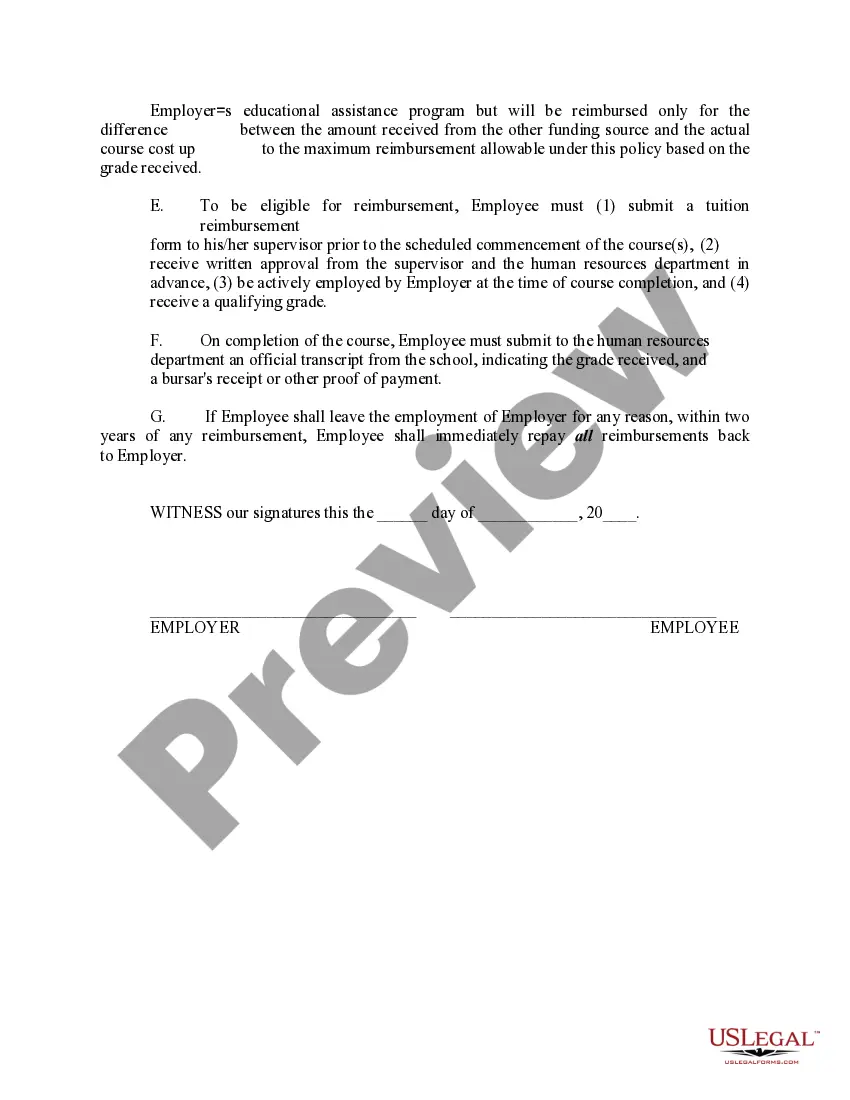
Get your form ready online
Our built-in tools help you complete, sign, share, and store your documents in one place.
Make edits, fill in missing information, and update formatting in US Legal Forms—just like you would in MS Word.
Download a copy, print it, send it by email, or mail it via USPS—whatever works best for your next step.
Sign and collect signatures with our SignNow integration. Send to multiple recipients, set reminders, and more. Go Premium to unlock E-Sign.
If this form requires notarization, complete it online through a secure video call—no need to meet a notary in person or wait for an appointment.
We protect your documents and personal data by following strict security and privacy standards.

Make edits, fill in missing information, and update formatting in US Legal Forms—just like you would in MS Word.

Download a copy, print it, send it by email, or mail it via USPS—whatever works best for your next step.

Sign and collect signatures with our SignNow integration. Send to multiple recipients, set reminders, and more. Go Premium to unlock E-Sign.

If this form requires notarization, complete it online through a secure video call—no need to meet a notary in person or wait for an appointment.

We protect your documents and personal data by following strict security and privacy standards.
Looking for another form?




Form popularity
FAQ
The Community Care for Disabled Adults (CCDA) program assists adults (18 through 59 years of age) who have a permanent physical or mental disability that restricts their ability to perform one or more activities of daily living and impedes their capacity to live independently.
The Florida state disability protection and advocacy (P&A) agency is Disability Rights Florida (DRF). DRF is part of the nation's federally-funded P&A system. It provides help to people with disabilities in Florida to expand and defend their rights, including supporting self-advocacy groups and legal assistance.
Disability Rights Florida was founded in 1977 as the state's designated Protection and Advocacy (P&A) system for individuals with disabilities in the State of Florida. The P&A system exists to ensure the safety, well-being, and success of people with disabilities.
Florida Disability Financial Assistance Services Supplemental Security Income (SSI) is a federal program that provides financial assistance to individuals who are aged, blind, or disabled and have limited income and resources.
SB 1758: People With Disabilities Senate Bill 1758 amends state statutes regarding the Agency for Persons with Disabilities (APD). Under this law, the APD will be required to offer care-navigation services to clients and caregivers, including the creation of care plans.
National Council of and for Persons with Disabilities (NCPD)
Does Florida have a state disability program? No, Florida doesn't have a state disability program. Only five states (California, Hawaii, New Jersey, New York, and Rhode Island) have a state program. Residents of Florida can apply for federal disability programs (SSDI and SSI).
Every student with a disability who is eligible for exceptional student education (ESE) services will have an IEP. An IEP is a written plan for the special education of a student with a disability.
The basic difference between an IEP and a 504 plan can be summed up in one sentence: both plans provide for accommodations, but only an IEP provides for specialized instruction for students in grades K–12, while a 504 plan can serve students at both the K–12 and college levels.
Be a Florida resident and a U.S. citizen or eligible non-citizen. A student's residency and citizenship status are determined by the postsecondary institution. Questions regarding such status should be directed to the financial aid office or admissions office of the institution the student plans to attend.
