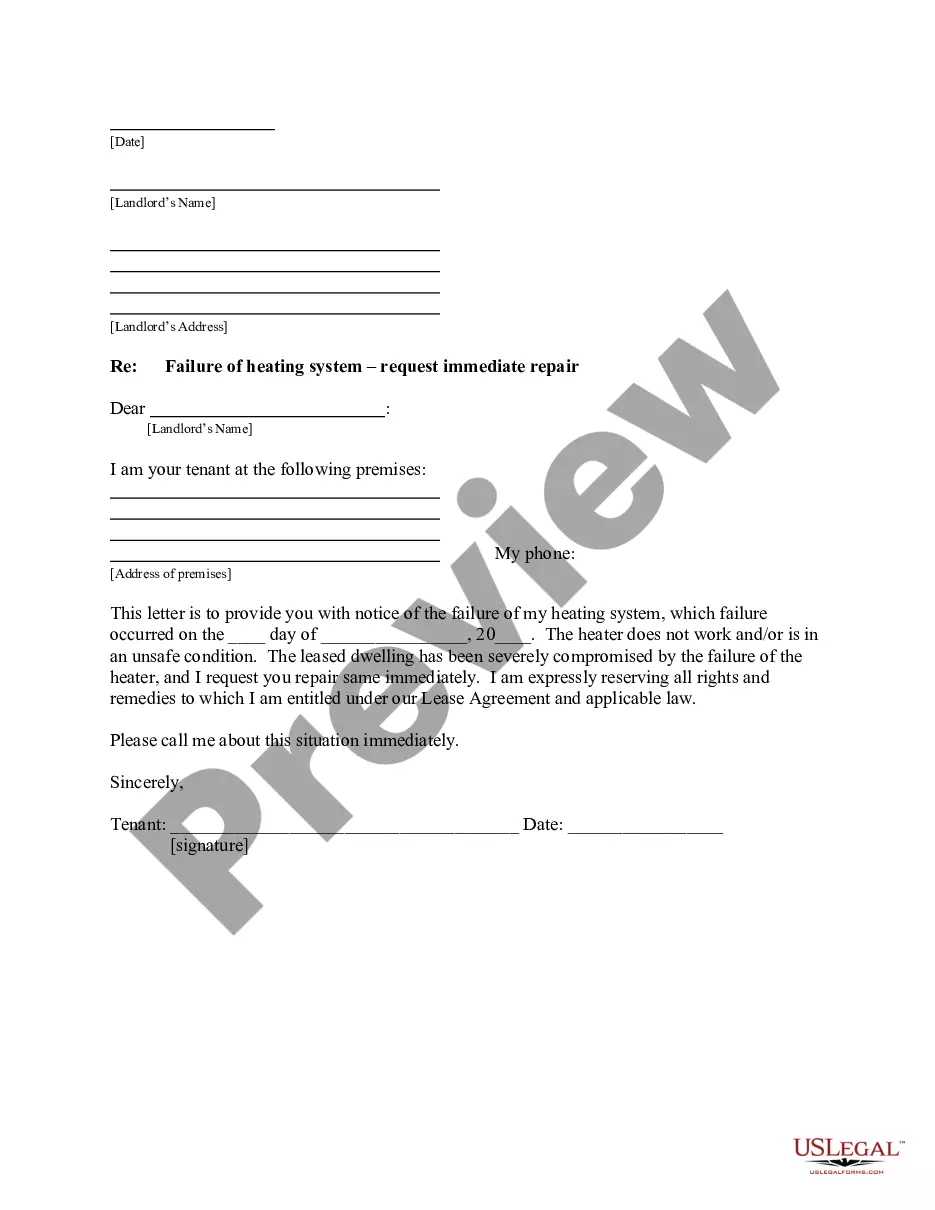
Database Distribution and Licensing Agreement
About this form
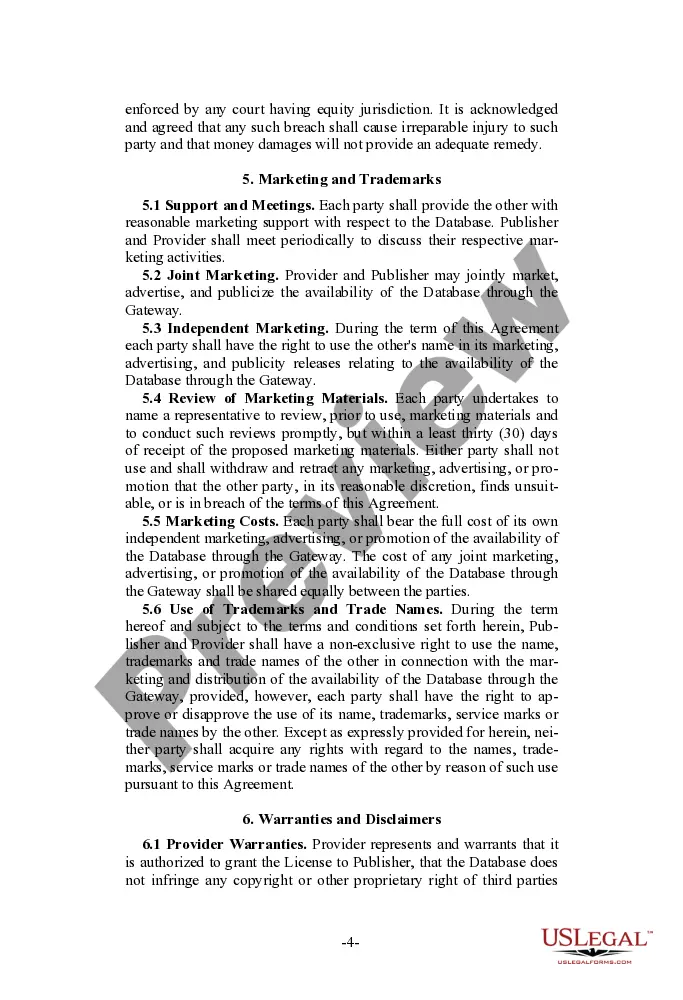
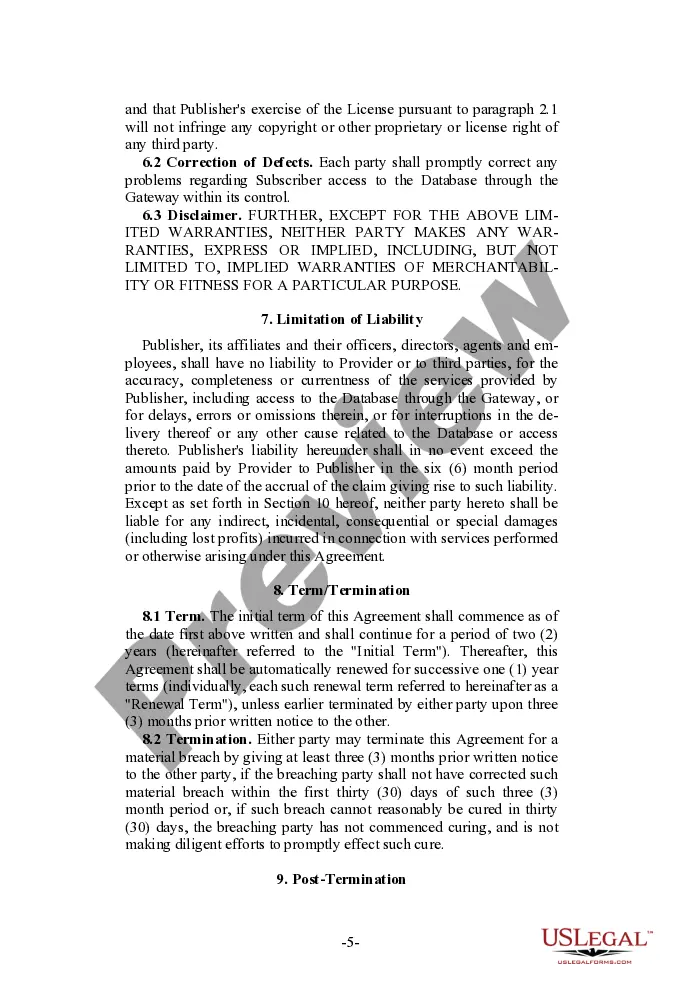
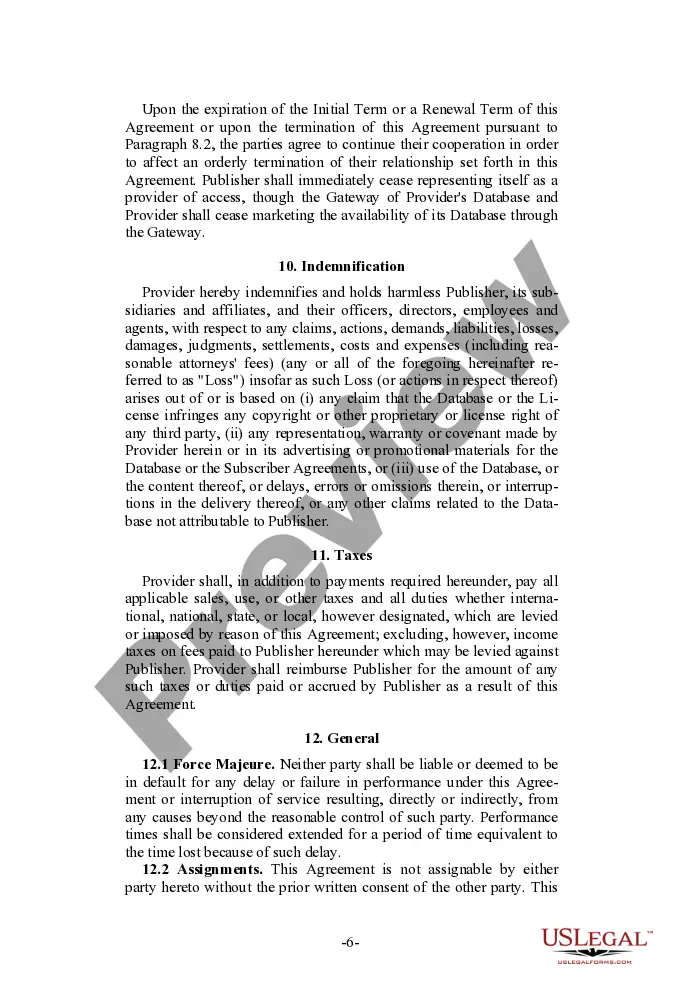
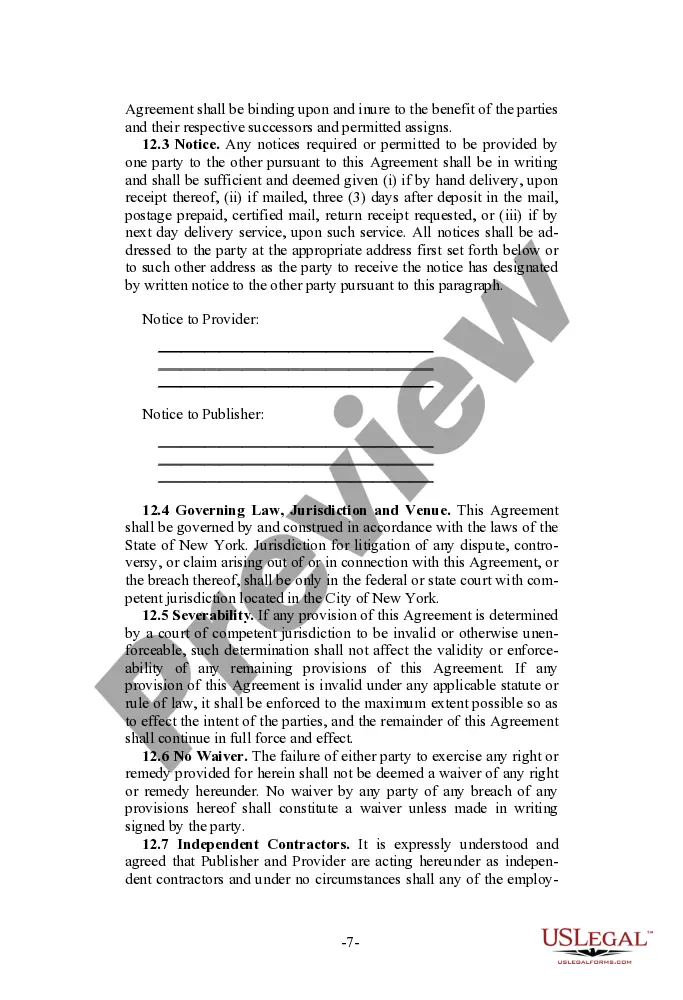
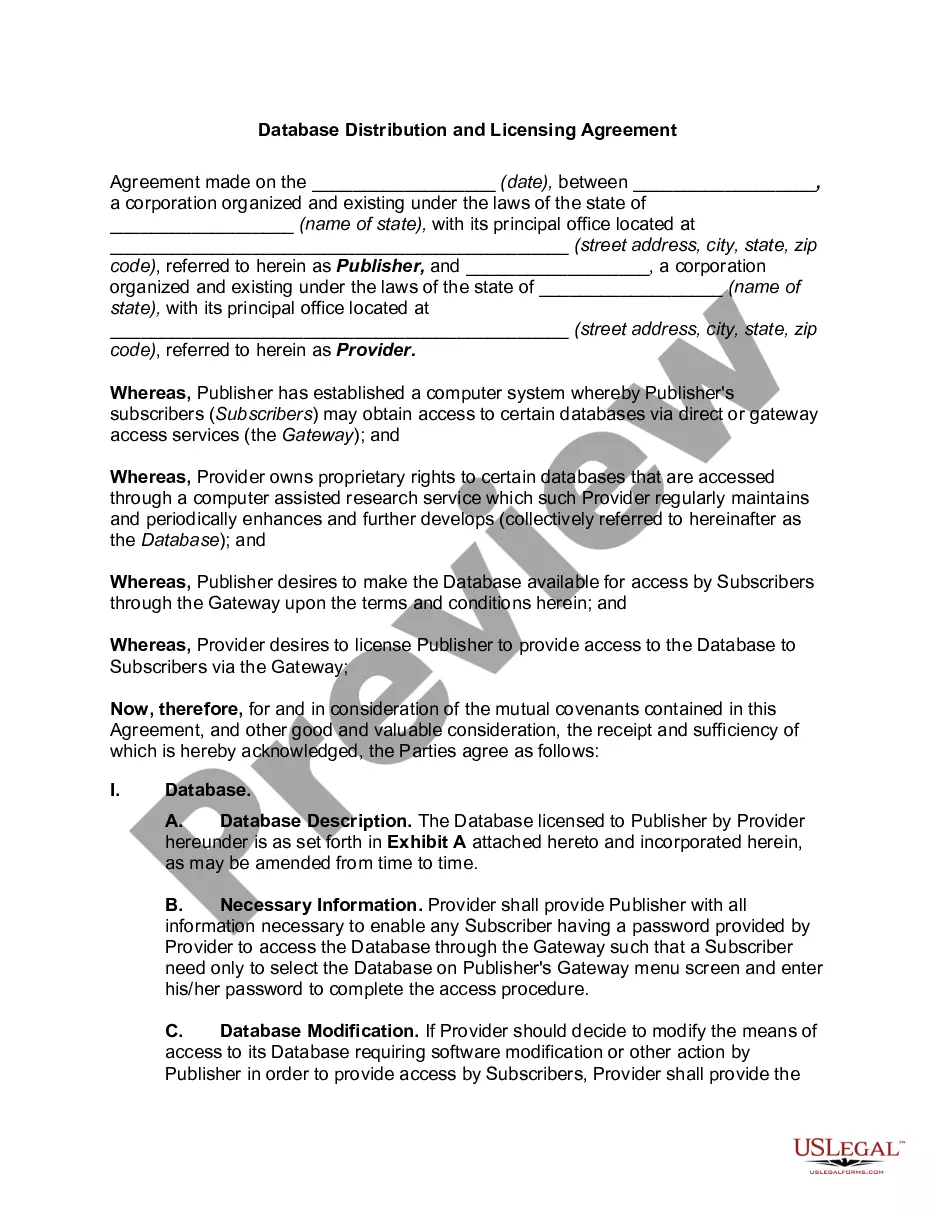
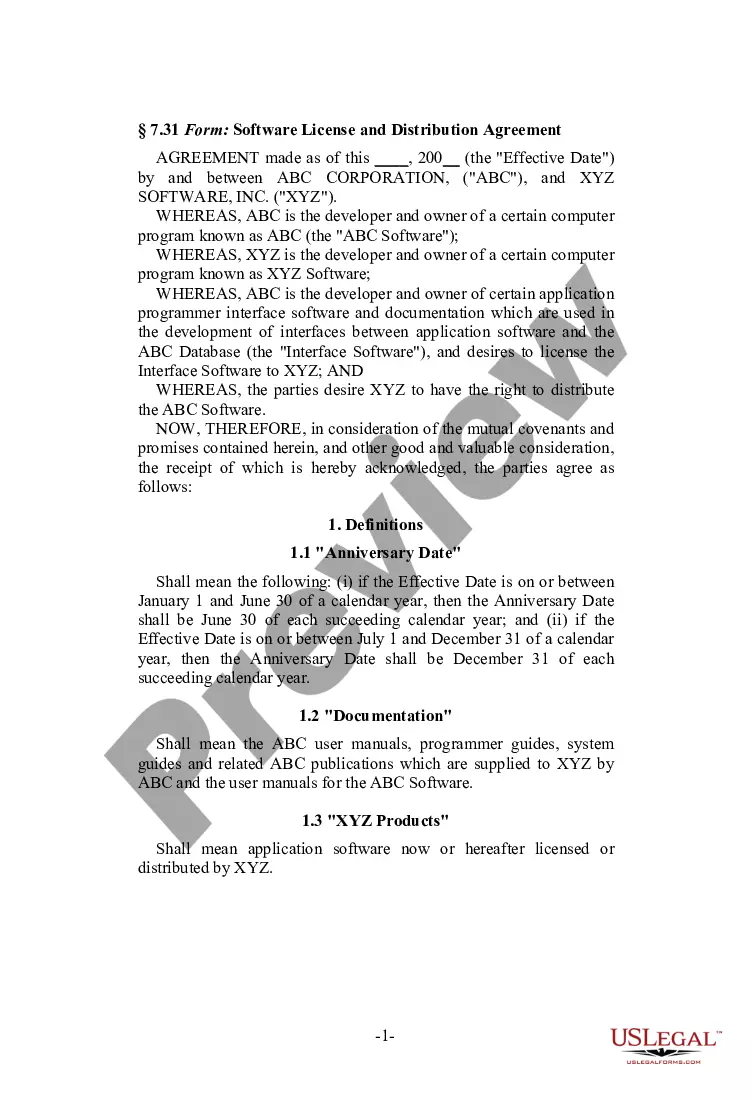
The Database Distribution and Licensing Agreement is a legal document designed for use in the computer, internet, and software industries. It outlines the terms under which a publisher may distribute access to a provider's proprietary databases. This agreement is distinct from other types of licensing agreements as it specifically pertains to online database access and usage, ensuring both parties understand their rights and responsibilities related to database distribution and access through a digital gateway.
What’s included in this form
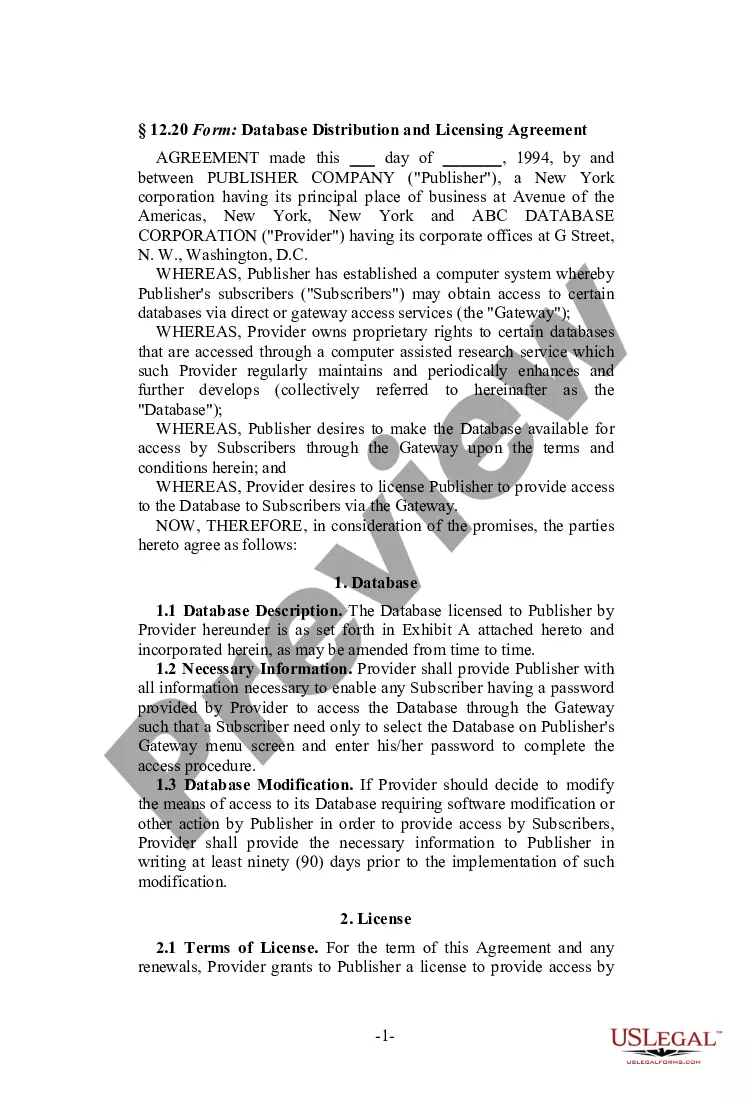
- Database Description: Details about the databases being licensed and necessary access information for subscribers.
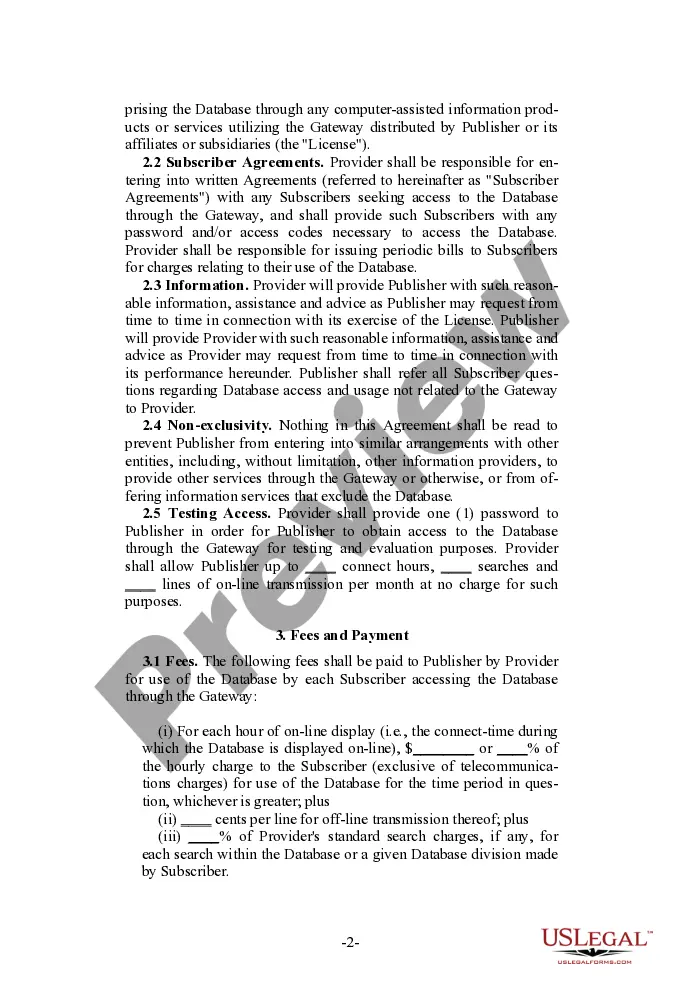
- License Terms: Outlines the terms under which the publisher can provide access to the database and the conditions for subscriber agreements.
- Fees and Payment: Specifies the payment structure for usage of the database, including connection time and search charges.
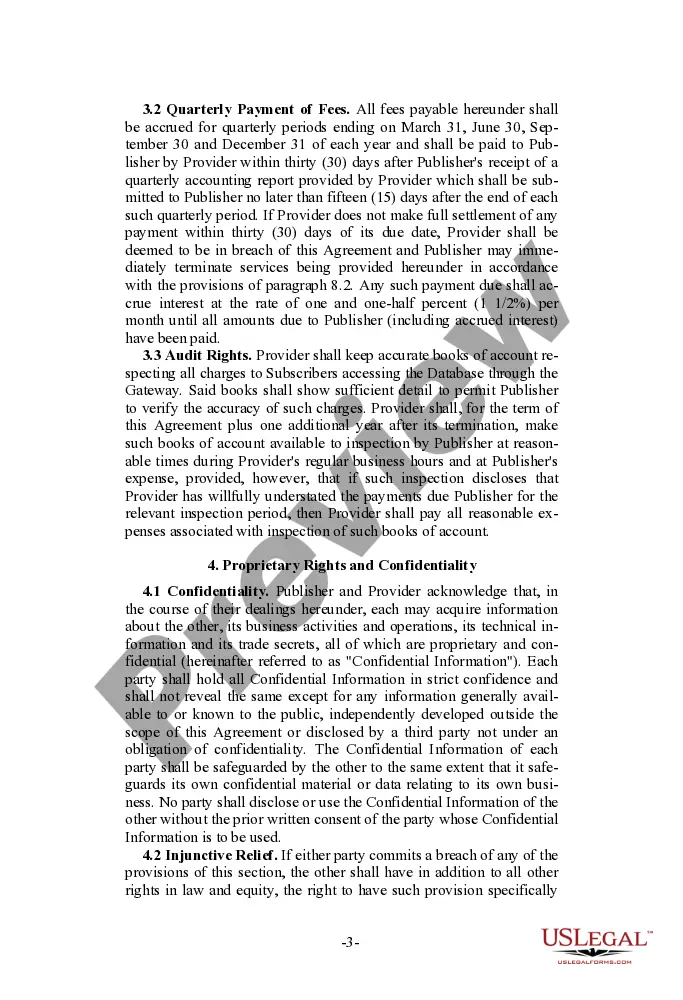
- Confidentiality: Establishes requirements to protect proprietary information shared between parties.
- Termination Clauses: Details the conditions under which either party may terminate the agreement.
Common use cases
This form should be used when a publisher wants to distribute a database owned by a provider to its subscribers. It is applicable in scenarios where access to the database is provided through an online gateway. This form is especially critical when establishing or formalizing the licensing relationship between database providers and publishers, ensuring clarity regarding fees, access, and responsibilities.
Who this form is for
- Publishers who intend to distribute database content through an online platform.
- Database providers seeking to establish licensing arrangements with publishers.
- Businesses in the software and internet industries that require clear agreements on database access and usage.
- Legal professionals advising clients on technology-related contracts.
How to prepare this document
- Identify the parties involved, including the publisher and the database provider.
- Define the database to be licensed and include any necessary descriptions or attachments.
- Establish the terms of the license, including the period of the agreement and renewal options.
- Outline the fee structure, specifying payment terms and conditions for subscriber access.
- Include confidentiality clauses to protect sensitive information shared during the agreement.
Notarization requirements for this form
Notarization is not commonly needed for this form. However, certain documents or local rules may make it necessary. Our notarization service, powered by Notarize, allows you to finalize it securely online anytime, day or night.
Get your form ready online
Our built-in tools help you complete, sign, share, and store your documents in one place.
Make edits, fill in missing information, and update formatting in US Legal Forms—just like you would in MS Word.
Download a copy, print it, send it by email, or mail it via USPS—whatever works best for your next step.
Sign and collect signatures with our SignNow integration. Send to multiple recipients, set reminders, and more. Go Premium to unlock E-Sign.
If this form requires notarization, complete it online through a secure video call—no need to meet a notary in person or wait for an appointment.
We protect your documents and personal data by following strict security and privacy standards.

Make edits, fill in missing information, and update formatting in US Legal Forms—just like you would in MS Word.

Download a copy, print it, send it by email, or mail it via USPS—whatever works best for your next step.

Sign and collect signatures with our SignNow integration. Send to multiple recipients, set reminders, and more. Go Premium to unlock E-Sign.

If this form requires notarization, complete it online through a secure video call—no need to meet a notary in person or wait for an appointment.

We protect your documents and personal data by following strict security and privacy standards.
Typical mistakes to avoid
- Failing to specify the type of database and the allowed uses of the database in the agreement.
- Neglecting to include a clear payment structure, which may lead to disputes over fees.
- Not defining the responsibilities for subscriber agreements and access management.
- Forgetting to review and update the information in the event of changes to database access methods.
Benefits of completing this form online
- Convenience of instant access to a legally vetted agreement template.
- Editable format allows for easy customization to fit specific needs.
- Provides clarity and structure to licensing agreements, reducing the risk of misunderstandings.
- Ensures the agreement is drafted to comply with legal standards in the relevant jurisdiction.
Looking for another form?

Form popularity
FAQ
A license agreement is a business contract between two parties. The licensor (the seller of the license) owns the asset being licensed and the licensee (the buyer) pays for the right to use the license. The licensee pays royalties to the owner in exchange for the right to sell the product or use the technology.
A licensing agreement is a legal contract between two parties, known as the licensor and the licensee. In a typical licensing agreement, the licensor grants the licensee the right to produce and sell goods, apply a brand name or trademark, or use patented technology owned by the licensor.
Exclusive or non-exclusive. In an exclusive license, the intellectual property holder is licensing the work only to one person, for that particular use/territory. Territory. Use. Attribution. Derivative works. Confidentiality. Time frame. Termination.
Download a template for a licensing agreement. Choose your role as the licensor or licensee. Define the license(s) in the agreement. Decide whether the license is exclusive or not. Settle the matter of fees and payment schedule. Add a renewal date and rules.
What is a Licensing Agreement? A licensing agreement is a contract between two parties (the licensor and licensee) in which the licensor grants the licensee the right to use the brand name, trademark, patented technology, or ability to produce and sell goods owned by the licensor.
A license agreement is a business contract between two parties. The licensor (the seller of the license) owns the asset being licensed and the licensee (the buyer) pays for the right to use the license. The licensee pays royalties to the owner in exchange for the right to sell the product or use the technology.
Give three examples of sport licensees. A company that wants to manufacture and sell products using trademarked property.What kinds of products can be licensed? Keychains, mugs, banners, magnets, boxer shorts, even furniture and jewelry.
The 3 P's of collegiate licensing are protection, promotion, and profit.
Example: An example would include Walt Disney granting McDonalds a license for McDonalds to co-brand its McDonalds Happy Meals with a Disney trademarked character; (b) A license where a technology company, as licensor, grants a license to an individual or company, as licensee, to use a particular technology.
An example of a licensing agreement is a contract between the copyright holders of software and another company, allowing the latter to use the computer software for their daily business operations.