Sublease Agreement With In Clark
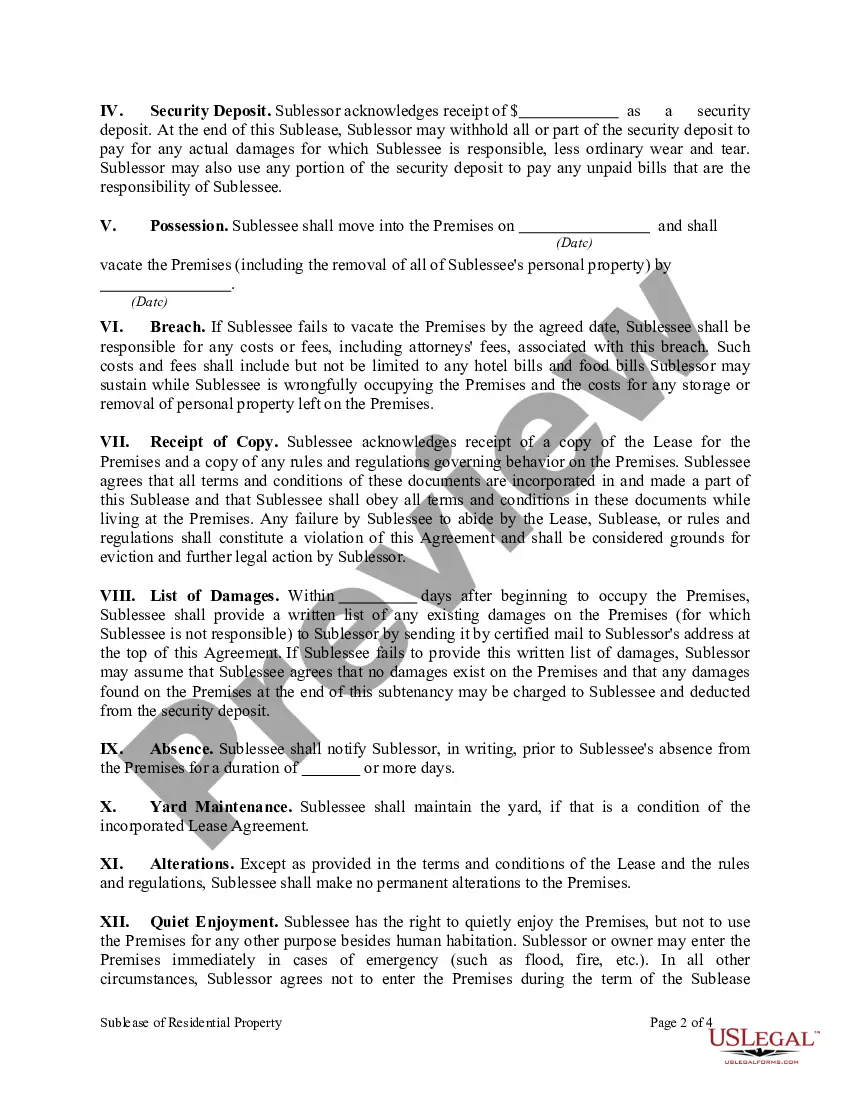
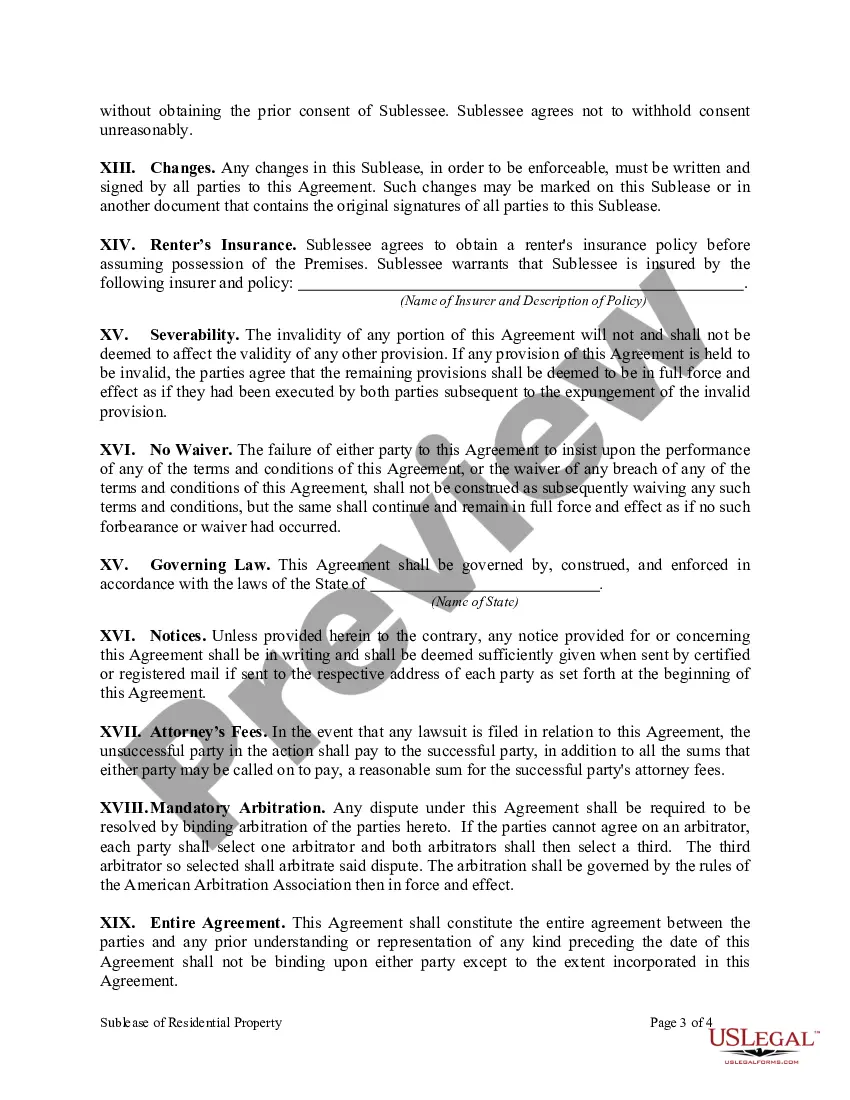
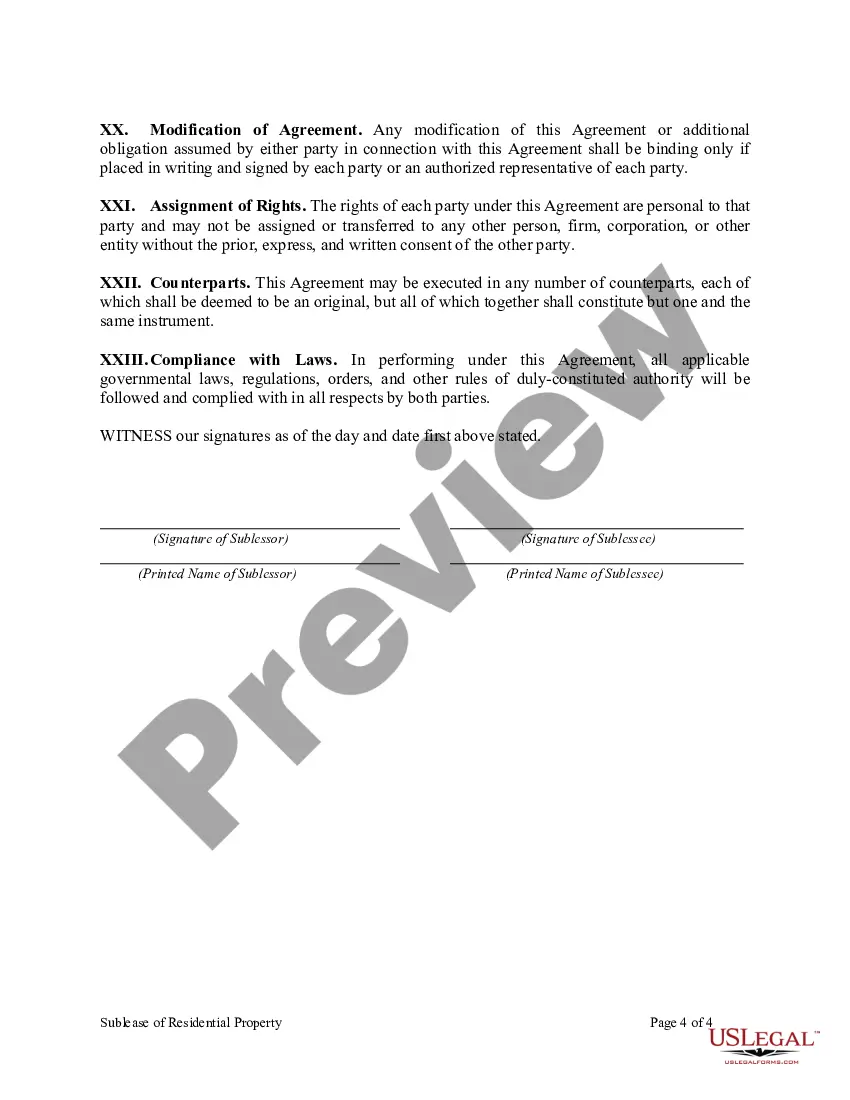
Description


Get your form ready online
Our built-in tools help you complete, sign, share, and store your documents in one place.
Make edits, fill in missing information, and update formatting in US Legal Forms—just like you would in MS Word.
Download a copy, print it, send it by email, or mail it via USPS—whatever works best for your next step.
Sign and collect signatures with our SignNow integration. Send to multiple recipients, set reminders, and more. Go Premium to unlock E-Sign.
If this form requires notarization, complete it online through a secure video call—no need to meet a notary in person or wait for an appointment.
We protect your documents and personal data by following strict security and privacy standards.

Make edits, fill in missing information, and update formatting in US Legal Forms—just like you would in MS Word.

Download a copy, print it, send it by email, or mail it via USPS—whatever works best for your next step.

Sign and collect signatures with our SignNow integration. Send to multiple recipients, set reminders, and more. Go Premium to unlock E-Sign.

If this form requires notarization, complete it online through a secure video call—no need to meet a notary in person or wait for an appointment.

We protect your documents and personal data by following strict security and privacy standards.
Looking for another form?







Form popularity
FAQ
A potentially devastating detriment to a sublease is its subject to the original tenant not defaulting. You could be compliant with your sublease and receive notice your lease is terminated because the original tenant defaulted. You could be subject to the landlord's new terms or be forced to vacate.
Subtenants might not adhere to the same standards or rules as the primary tenant, potentially leading to property damage or disturbances. The landlord may also have limited control over evicting subtenants. The process could be more challenging than evicting the primary tenant under the original lease.
Determining If Subletting Is Right For Your Property Weigh the pros and cons of your property, neighborhood, finances, and available tenants. If they're trustworthy and things look good, let them sublet. Tenants with a history of late payments or who have damaged the property are not ideal for subletting.
Cons of Subleasing Subleasing can get legally tricky. Many lease agreements have strict rules about subletting, often requiring landlord approval. Be sure to look over your lease agreement and have a conversation with your landlord or property manager to avoid disputes and penalties.
Consent from the landlord A tenant must get a landlord's written permission to sub-let or transfer any part of the property. If a tenant does this without consent, they are breaching the terms of the tenancy agreement.
Subletting Can Impact Property Values Parking becomes difficult, there are higher utility costs, and the neighborhood won't be as appealing to prospective buyers.
In the Case of Subletting the Apartment When a current tenant opts for subletting, a notarized letter becomes essential. It serves as a legal document that cements the relationship between the original tenant and the subtenant.
How to Write One Identify all parties to the contract. Define the lease term. Identify the terms and rent amount. Address any other financial responsibilities. Discuss the terms of the security deposit. List any other restrictions. Date and sign the agreement. Attach a copy of the original lease.
How to Write One Identify all parties to the contract. Define the lease term. Identify the terms and rent amount. Address any other financial responsibilities. Discuss the terms of the security deposit. List any other restrictions. Date and sign the agreement. Attach a copy of the original lease.
