Sample Management Contract With Witness Signature In Michigan
Description

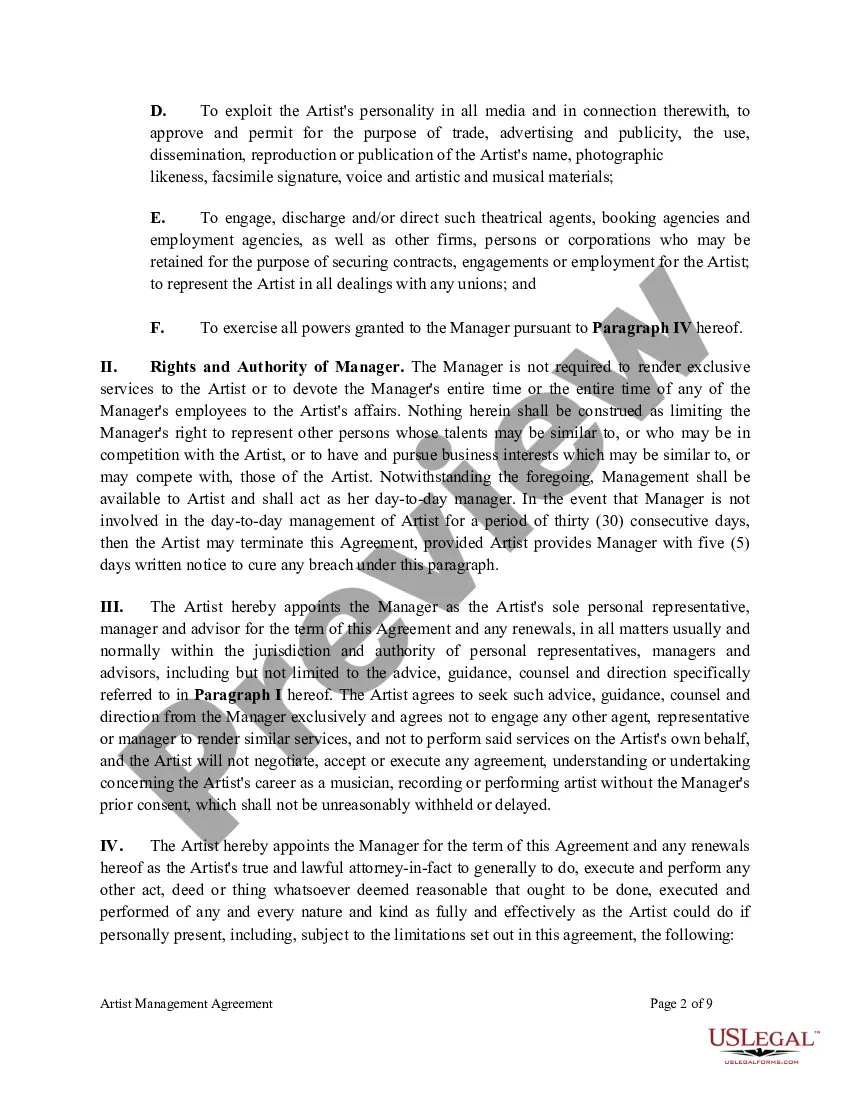
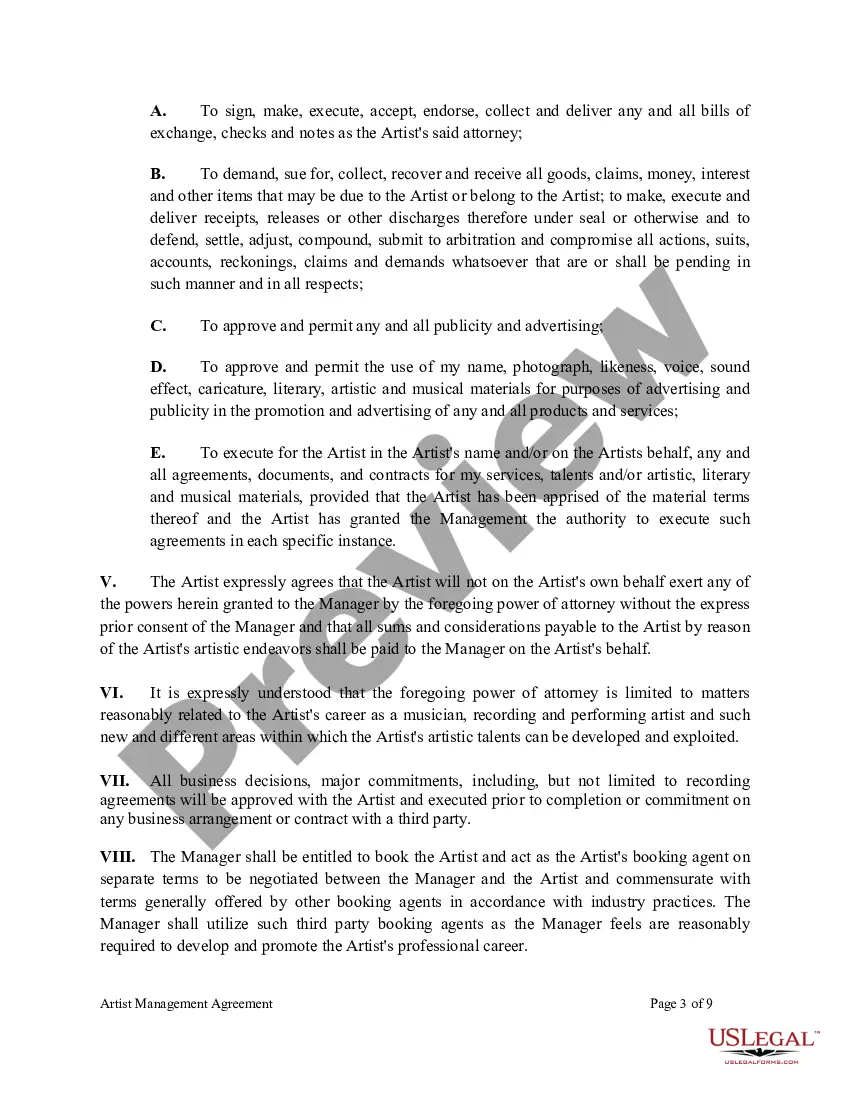
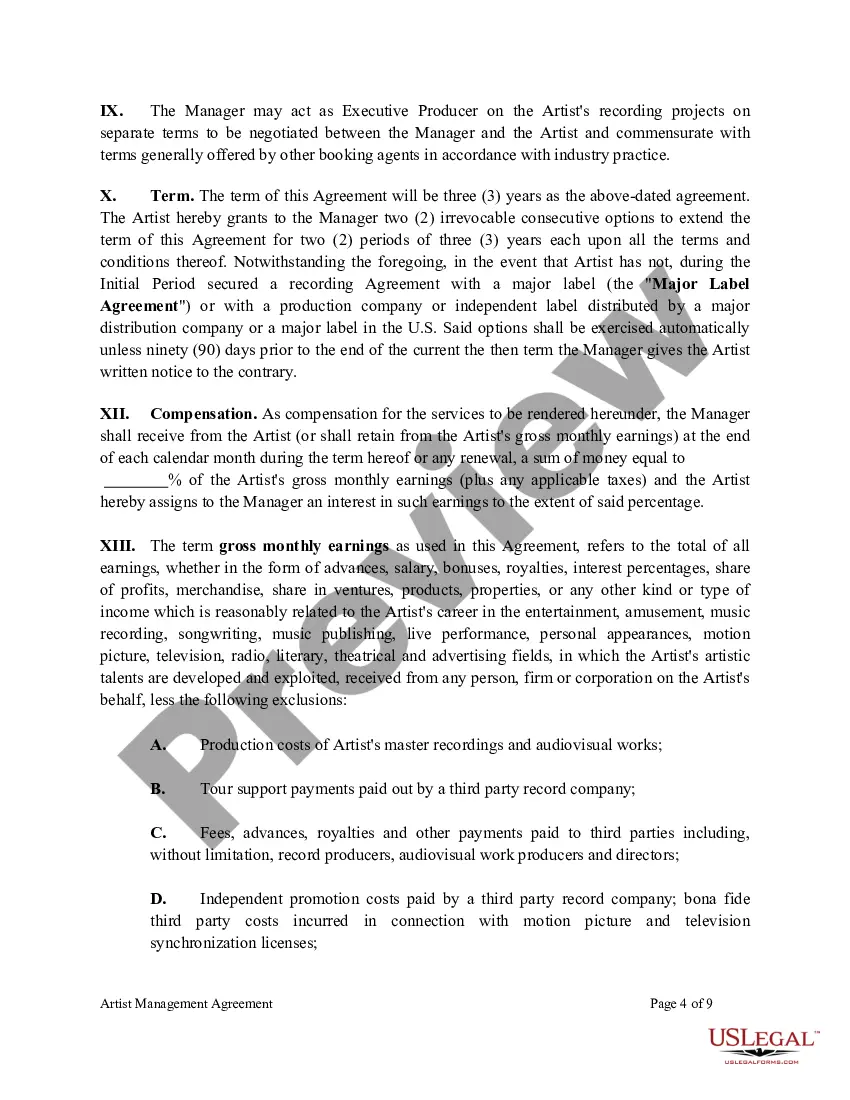
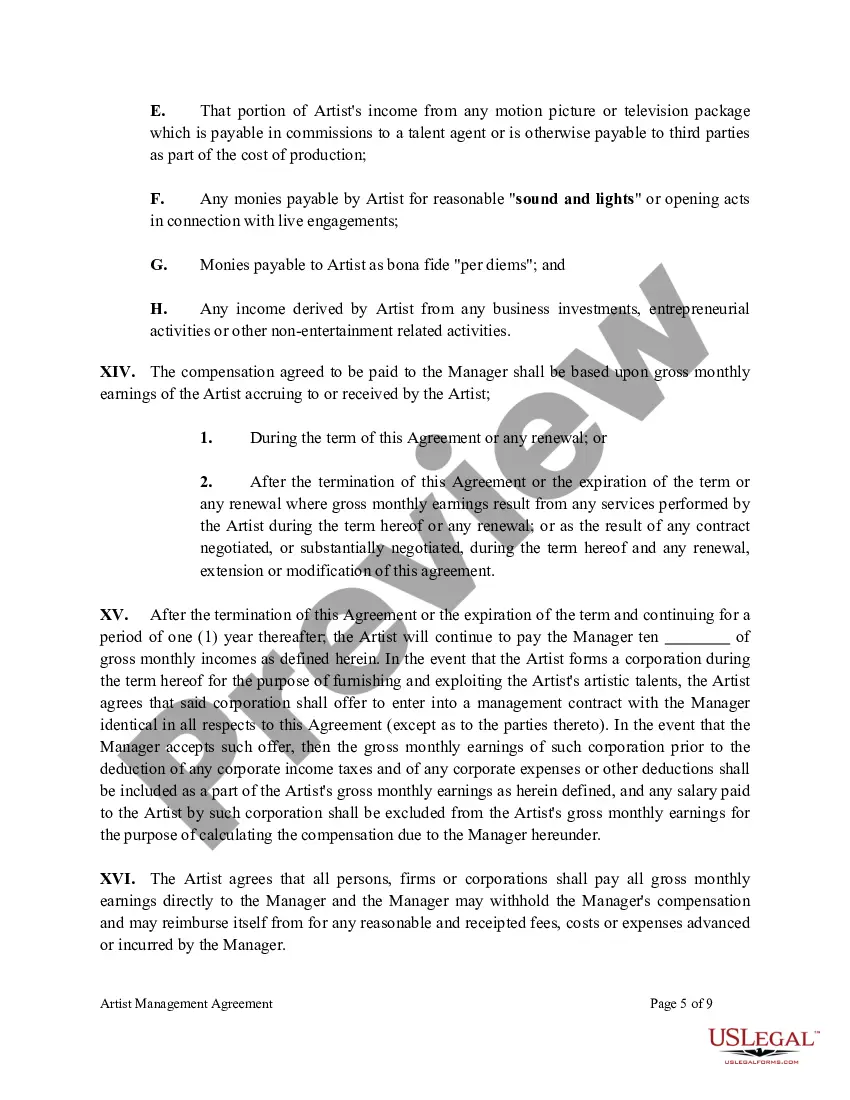
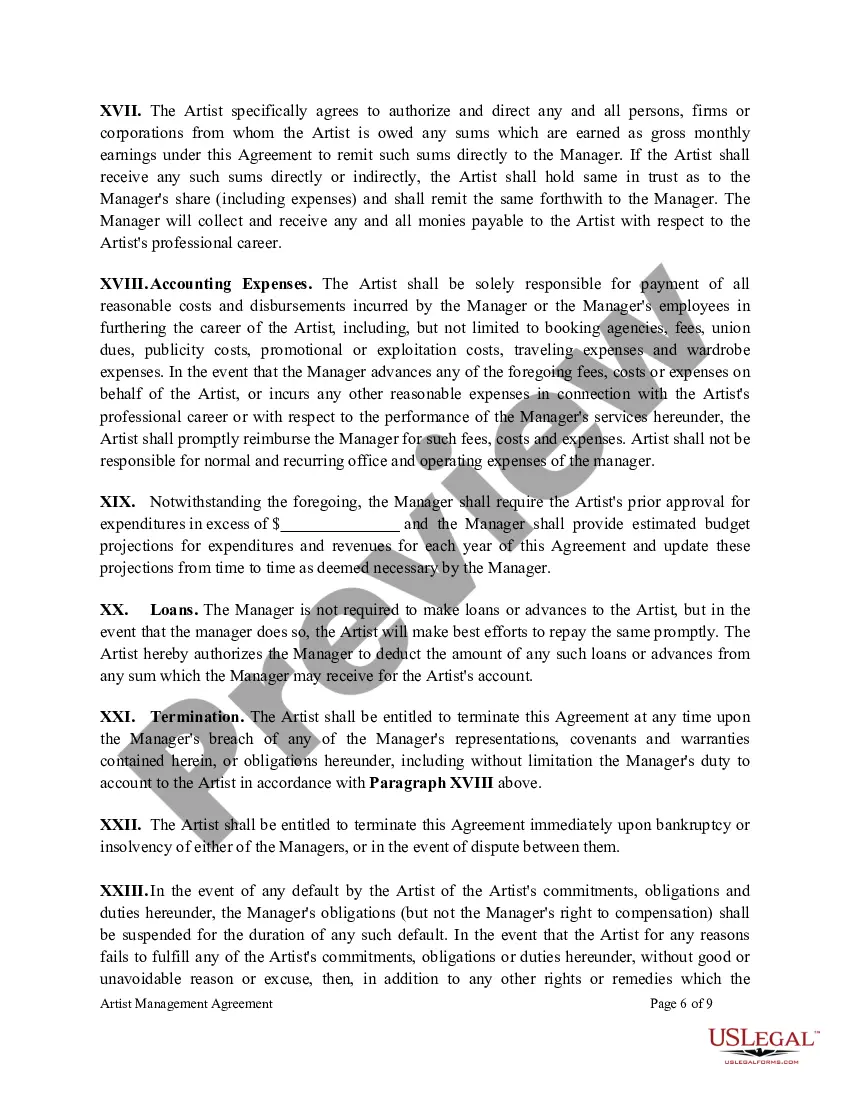
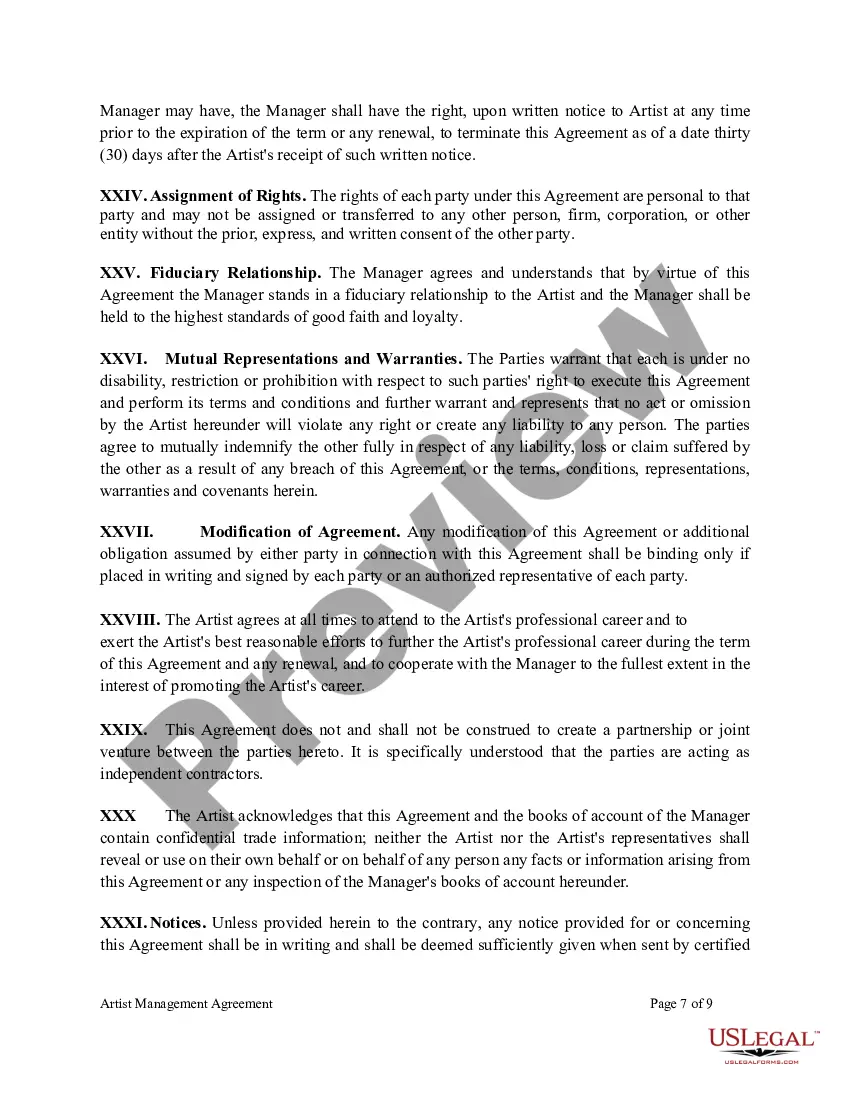
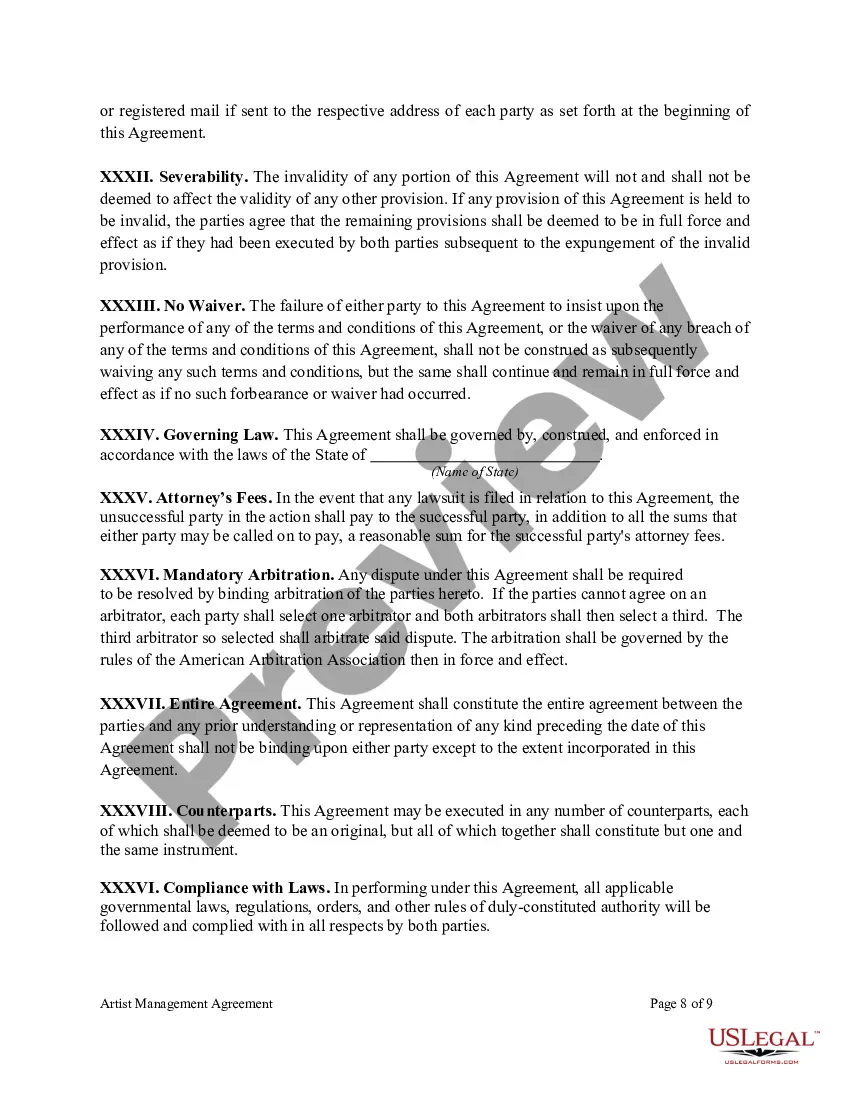
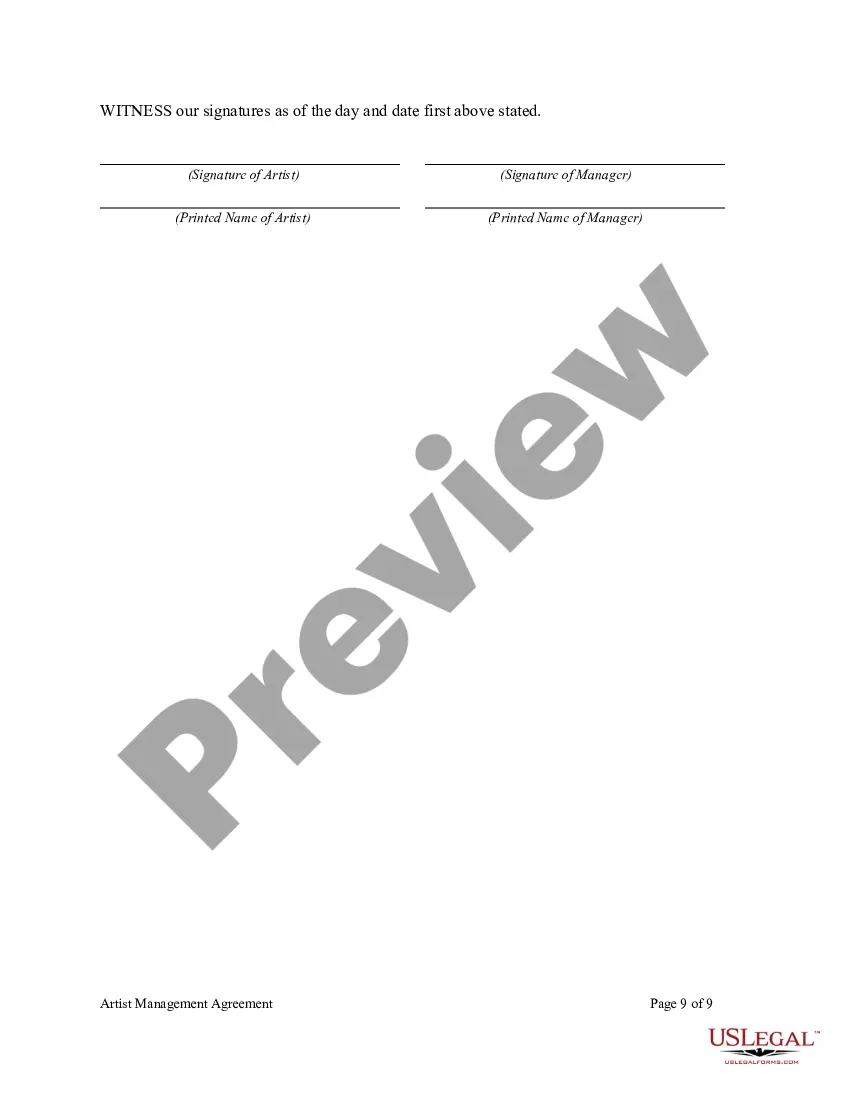
Get your form ready online
Our built-in tools help you complete, sign, share, and store your documents in one place.
Make edits, fill in missing information, and update formatting in US Legal Forms—just like you would in MS Word.
Download a copy, print it, send it by email, or mail it via USPS—whatever works best for your next step.
Sign and collect signatures with our SignNow integration. Send to multiple recipients, set reminders, and more. Go Premium to unlock E-Sign.
If this form requires notarization, complete it online through a secure video call—no need to meet a notary in person or wait for an appointment.
We protect your documents and personal data by following strict security and privacy standards.

Make edits, fill in missing information, and update formatting in US Legal Forms—just like you would in MS Word.

Download a copy, print it, send it by email, or mail it via USPS—whatever works best for your next step.

Sign and collect signatures with our SignNow integration. Send to multiple recipients, set reminders, and more. Go Premium to unlock E-Sign.

If this form requires notarization, complete it online through a secure video call—no need to meet a notary in person or wait for an appointment.

We protect your documents and personal data by following strict security and privacy standards.
Looking for another form?




Form popularity
FAQ
A witness must be at least 18 years old to ensure they are legally accountable and considered responsible adults in the eyes of the law. If they do not meet the legal age of signing documents, then they do not have the requisite witness responsibility to ensure the process is legally binding.
A witness signature is the signature of someone who witnessed the person executing the legal document. So, for example, if you are signing up for a new lease, a person who watches you sign the document can indicate that they witnessed this by also signing the document.
A witness is any neutral, third-party observer of a document signing. Both signature guarantors and notaries can serve as a witness to a document signing. Most legal documents require a witness of some sort to be considered valid, regardless of whether it is a signature guarantor or a notary.
Witnesses must be of sound mind and have the capacity to witness. Witnesses must not be a beneficiary, or party of the legal document. Witnesses must not be under the influence of drugs or alcohol.
When an agreement is executed, a signature witness is brought to confirm the identity of both parties and prevent forgery and misrepresentation. A witness can be anyone over 18 with no personal interest in the signed document and is competent to testify in court.
A witness signature verifies the authenticity of a document and fulfills legal requirements. These are widely used in financial institutions and play an essential part in completing any contractual binding. This act ensures that the party going into the contract or agreement is authentic and identified by the witness.
Some contracts must be witnessed The witness must be an “officer” as defined under the law, which includes a lawyer, notary public, judge, and some other professional categories. The witness must be present when the party whose signature is to be witnessed is signing the contract.
Signature blocks typically include the name of the party (person or entity) entering into the contract, the names and titles of people signing on behalf of that party, and the contact information for that party. Signature blocks are typically found at the bottom of most contracts.
