Sample Mortgage Statement With Loan/credit Transaction In Michigan
Description
Get your form ready online
Our built-in tools help you complete, sign, share, and store your documents in one place.
Make edits, fill in missing information, and update formatting in US Legal Forms—just like you would in MS Word.
Download a copy, print it, send it by email, or mail it via USPS—whatever works best for your next step.
Sign and collect signatures with our SignNow integration. Send to multiple recipients, set reminders, and more. Go Premium to unlock E-Sign.
If this form requires notarization, complete it online through a secure video call—no need to meet a notary in person or wait for an appointment.
We protect your documents and personal data by following strict security and privacy standards.

Make edits, fill in missing information, and update formatting in US Legal Forms—just like you would in MS Word.

Download a copy, print it, send it by email, or mail it via USPS—whatever works best for your next step.

Sign and collect signatures with our SignNow integration. Send to multiple recipients, set reminders, and more. Go Premium to unlock E-Sign.

If this form requires notarization, complete it online through a secure video call—no need to meet a notary in person or wait for an appointment.

We protect your documents and personal data by following strict security and privacy standards.
Looking for another form?








Form popularity
FAQ
A mortgage statement is an accounting of all of the details about your mortgage, including the current balance owed, interest charges, interest rate changes (if you have an adjustable-rate mortgage) and a breakdown of your current and past payments.
Include details about the property, such as its address, type, and any additional information required by the template. Provide a breakdown of your monthly mortgage payments, including the principal, interest, taxes, and insurance amounts.
If your deal is ending, your lender will write to you well in advance to let you know that you'll be going onto the SVR. However, if you've chosen to re-mortgage, or if you're moving home, you'll need to contact your lender to ask for a mortgage redemption statement (closing balance).
If you're remortgaging or moving house, your conveyancer will request a redemption statement from your mortgage lender on your behalf. In either case, the lender will usually provide the redemption statement within 5 working days.
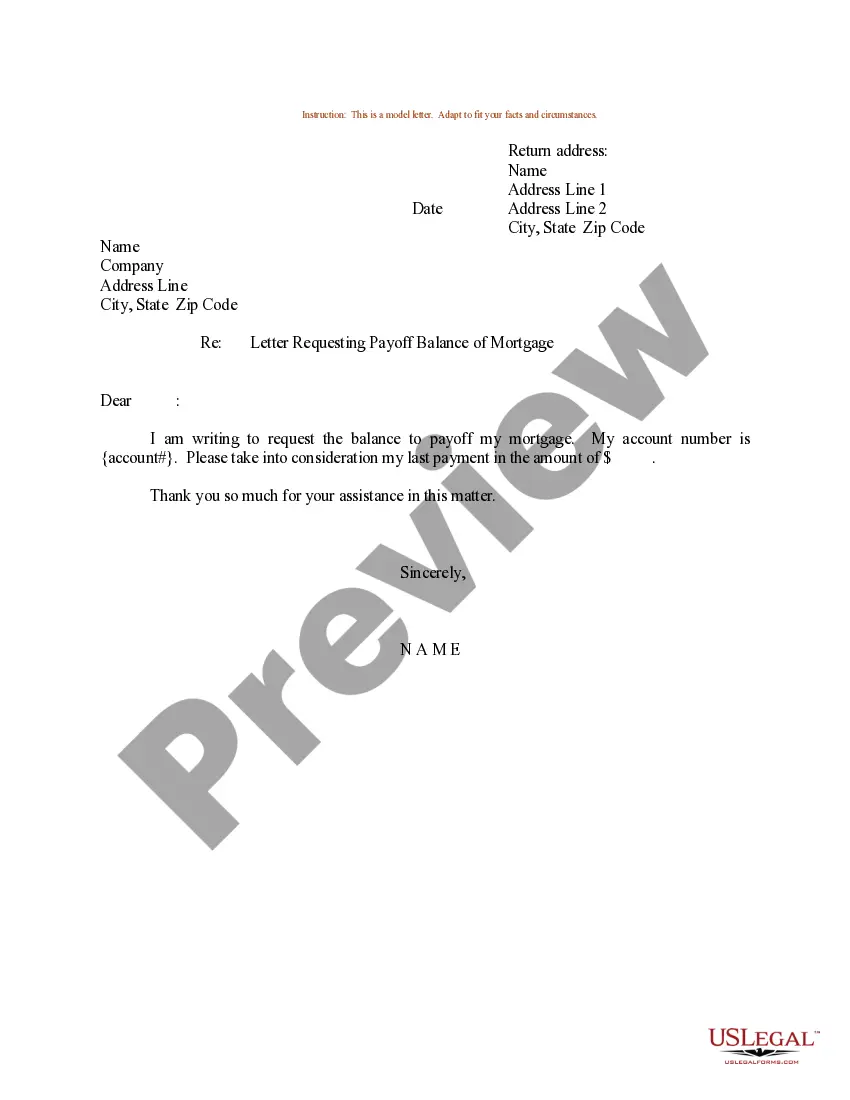
There's a process to getting the mortgage payoff statement. First, you'll need to contact your lender and let them know you want the information. Depending on your lender, you may have to sign in to an online account, call a helpline, or send a formal letter to start the request process.
If you need another copy of your mortgage statement, you can get one through contacting your lender. Many lenders offer access to past statements through an app or online banking portal. Alternatively, you may be able to call your lender or visit a branch to get a copy.
If you need another copy of your mortgage statement, you can get one through contacting your lender. Many lenders offer access to past statements through an app or online banking portal. Alternatively, you may be able to call your lender or visit a branch to get a copy.

