E Commerce Agreement For Students In Ohio
Description

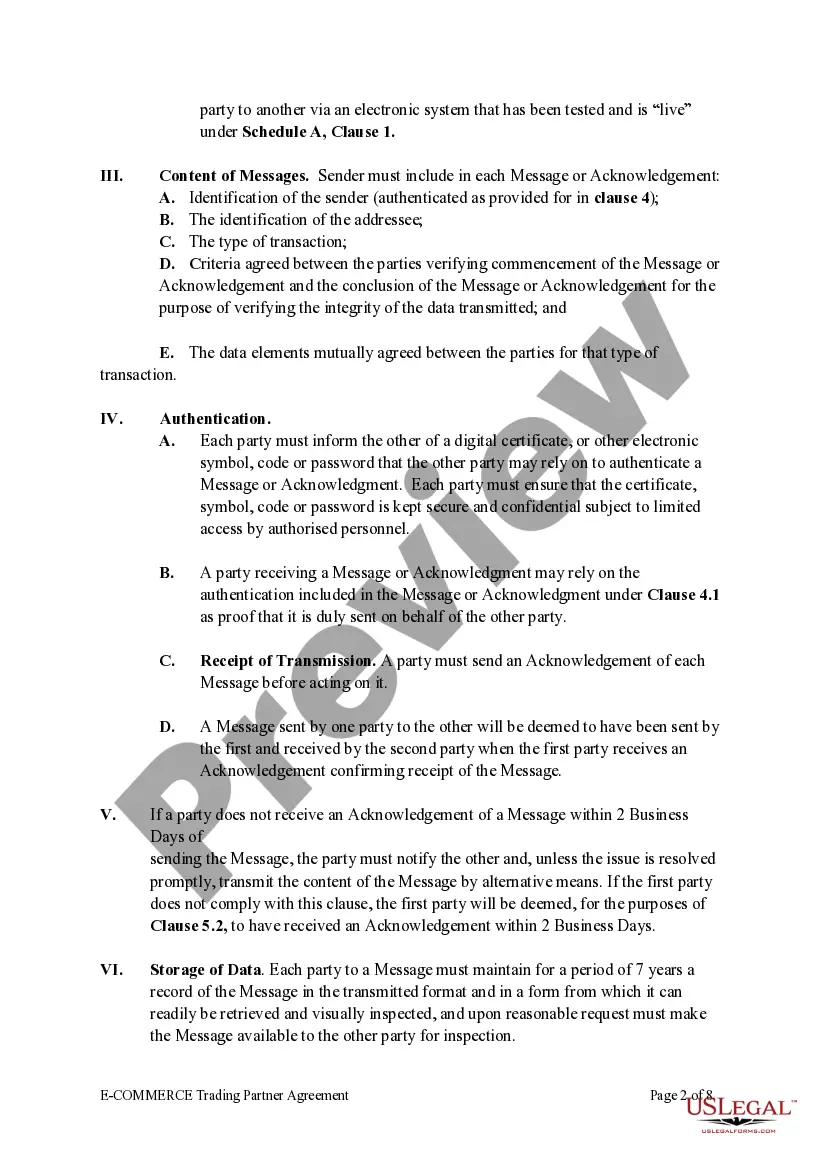
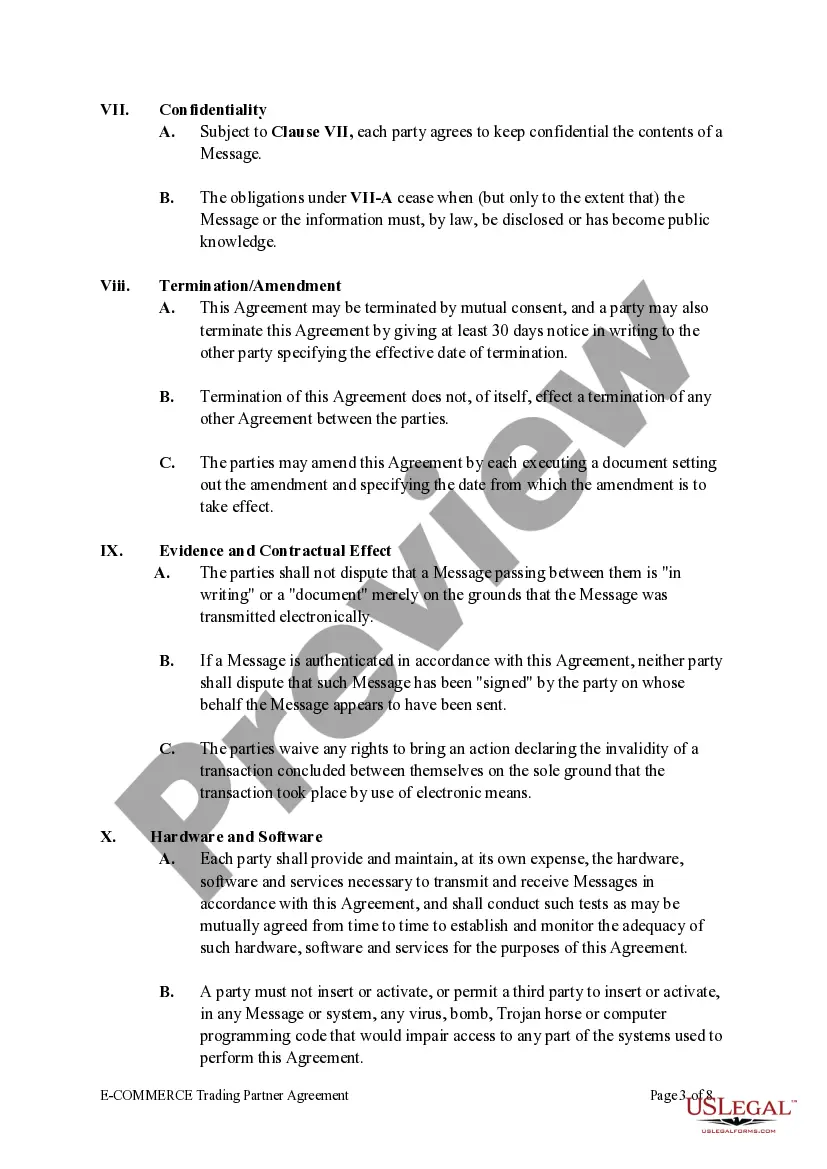
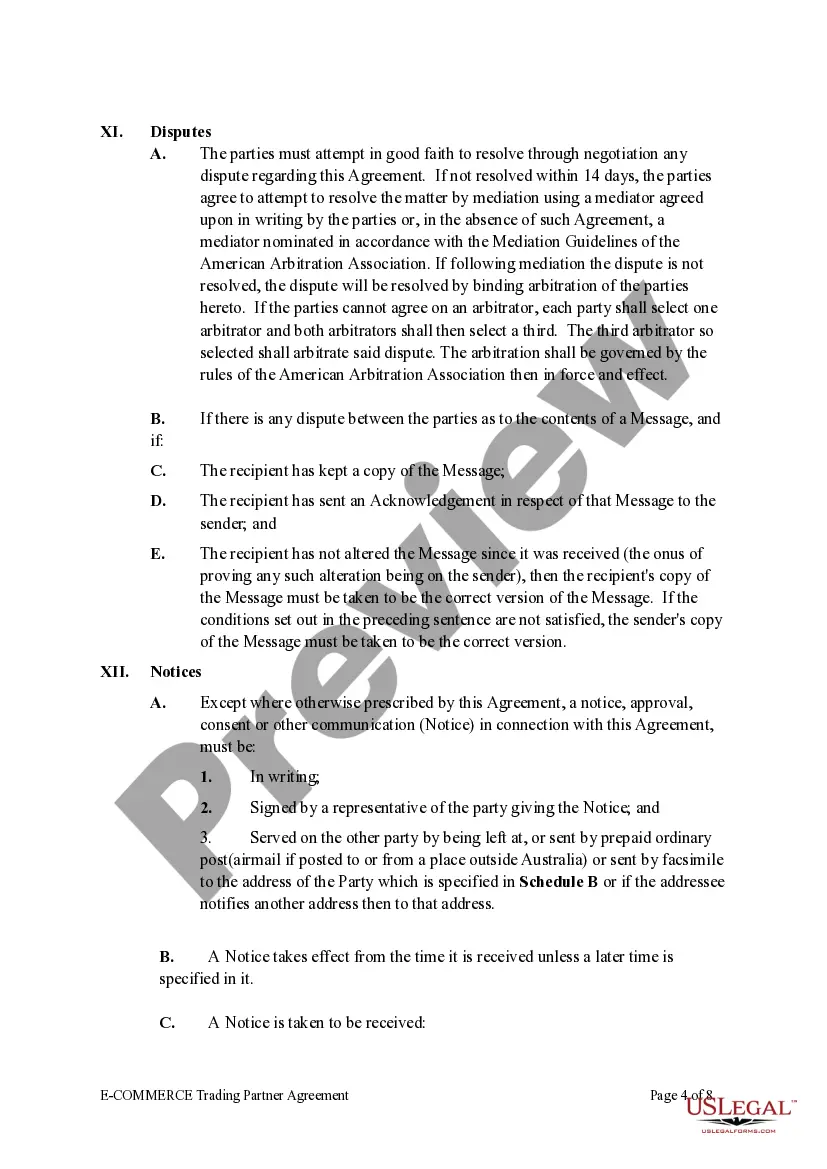
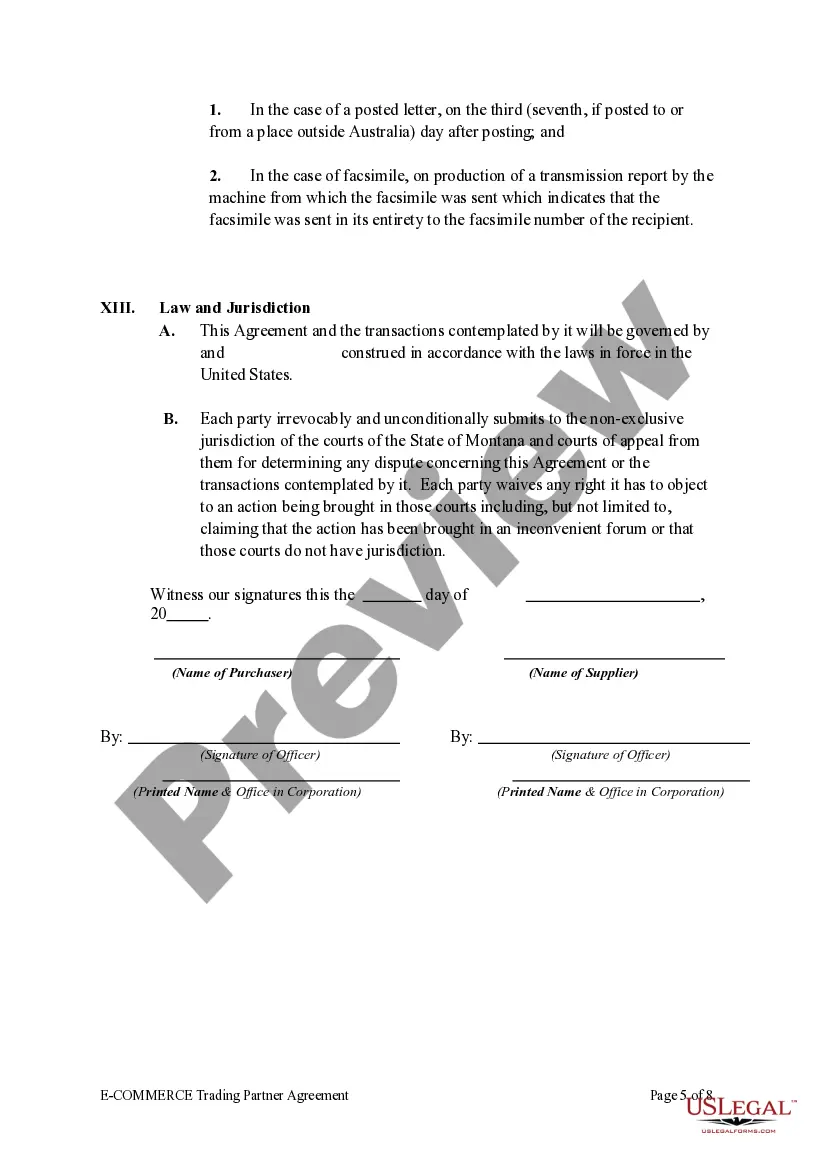
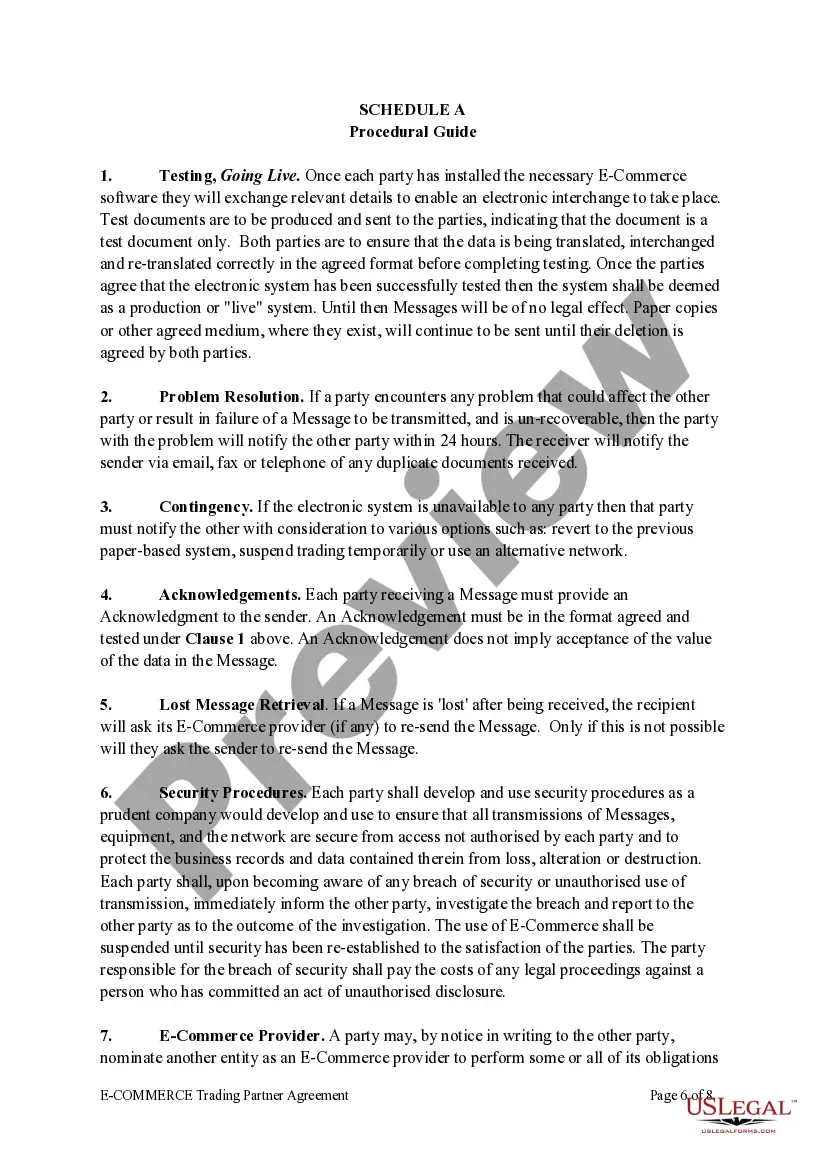
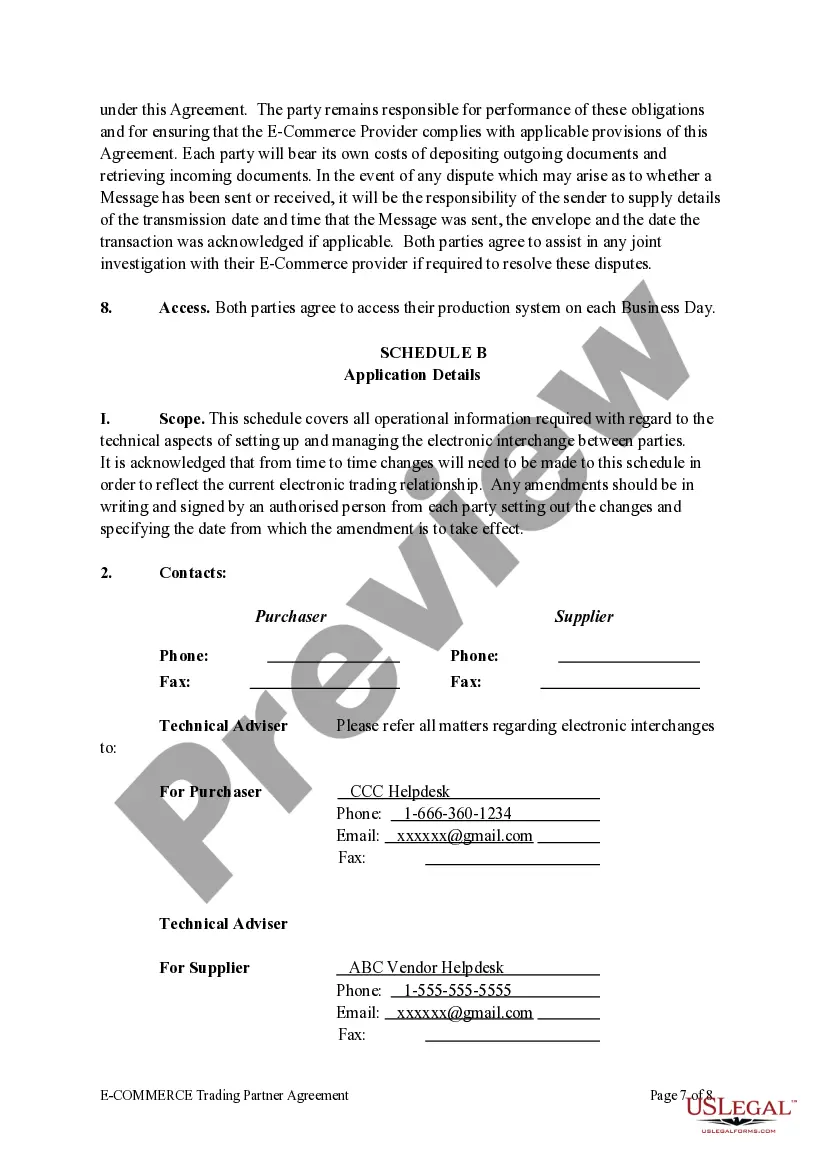
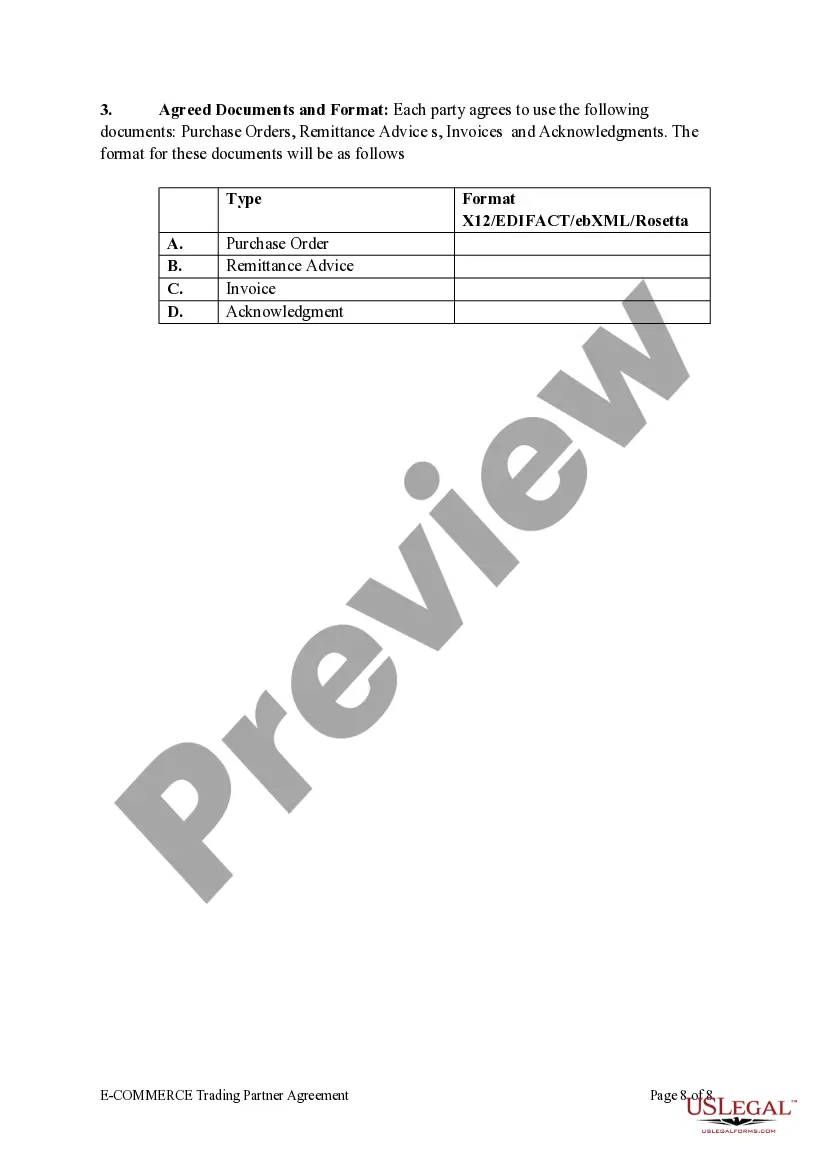

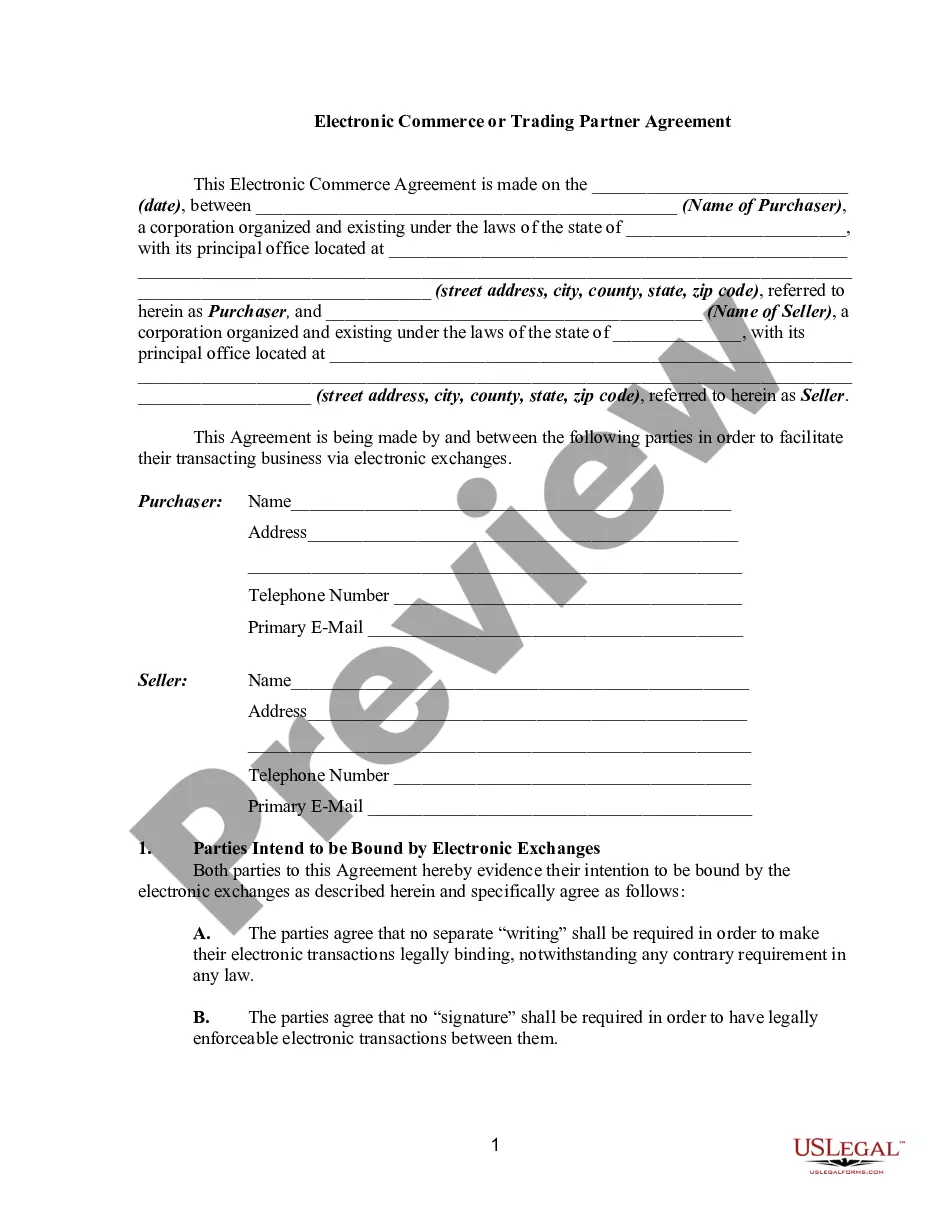
Get your form ready online
Our built-in tools help you complete, sign, share, and store your documents in one place.
Make edits, fill in missing information, and update formatting in US Legal Forms—just like you would in MS Word.
Download a copy, print it, send it by email, or mail it via USPS—whatever works best for your next step.
Sign and collect signatures with our SignNow integration. Send to multiple recipients, set reminders, and more. Go Premium to unlock E-Sign.
If this form requires notarization, complete it online through a secure video call—no need to meet a notary in person or wait for an appointment.
We protect your documents and personal data by following strict security and privacy standards.

Make edits, fill in missing information, and update formatting in US Legal Forms—just like you would in MS Word.

Download a copy, print it, send it by email, or mail it via USPS—whatever works best for your next step.

Sign and collect signatures with our SignNow integration. Send to multiple recipients, set reminders, and more. Go Premium to unlock E-Sign.

If this form requires notarization, complete it online through a secure video call—no need to meet a notary in person or wait for an appointment.

We protect your documents and personal data by following strict security and privacy standards.
Looking for another form?



Form popularity
FAQ
Per Ohio Revised Code (R.C.) 4303.27, all permits renew annually at one of three points depending on location and/or type of permit. The three renewal periods are February 1st, June 1st, or October 1st. Class C (carryout) or D (on-premises) renewals are determined by location.
If the restaurant or liquor store vacated the premises but did not sell or transfer its liquor license out of the premises, that license still occupies that premises as far as the local municipality that issued the license is concerned, and it will continue to occupy that premises until it is revoked or not renewed at ...
The three main requirements to obtain a liquor license in Ohio are: You must be a United States citizen. You must be 21 or older. You must not have been convicted of a felony that “is reasonably related to the person's fitness to operate a liquor permit business.”
You must be a United States citizen. You must be 21 or older. You must not have been convicted of a felony that “is reasonably related to the person's fitness to operate a liquor permit business.”
Information Needed for Liquor License in Ohio Expect the application process to take about one to two months if the application packet is complete, but it is not uncommon for the Division of Liquor to request additional information or documentation in the review process, adding to the processing time.
You may electronically file the school district return with your Ohio state return using our program, or you can get Ohio Form SD-100 from the Ohio Department of Revenue web site at Ohio DOR website or from your local school board office.
To apply for an initial or renewal tax exemption card, eligible missions and their members should submit an application on the Department's E-Government (E-Gov) system. Applications are generally processed within five business days.
Your Ohio Taxpayer Identification Number (TIN) is located on the preprinted label of your Ohio tax booklet. If you do not have a TIN, you may still register to use Ohio I-File by entering your Social Security Number, Your Last Name, Your Last Year's Ohio Income Tax Refund OR Tax Due.
Visit IRS to apply to become a tax-exempt organization. Also, contact the Ohio Department of Taxation and your county and local governments to determine how to apply for applicable exemptions. Register with the Ohio Attorney General's Office if entity is a charitable organization.
Some customers are exempt from paying sales tax under Ohio law. Examples include government agencies, some nonprofit organizations, and merchants purchasing goods for resale. Sellers are required to collect a valid exemption or resale certificate from buyers to validate each exempt transaction.
