Secured Debt Any For Loan In Chicago
Description


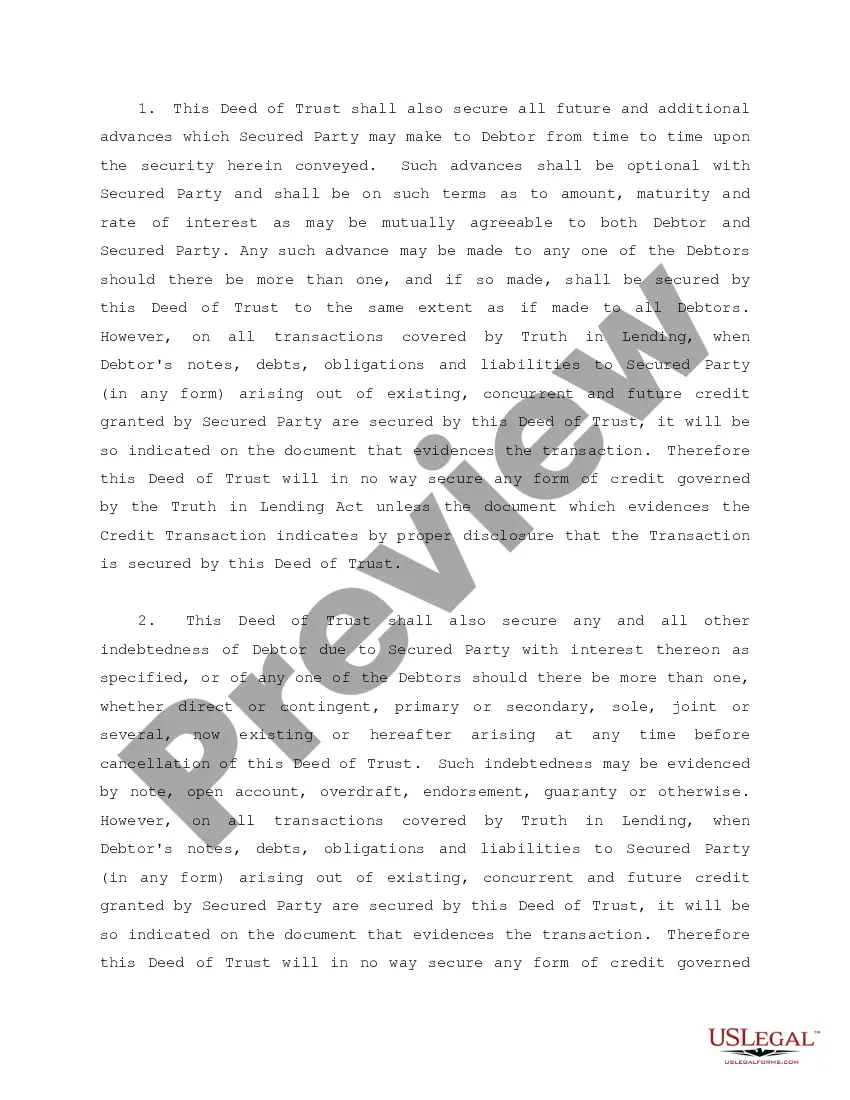
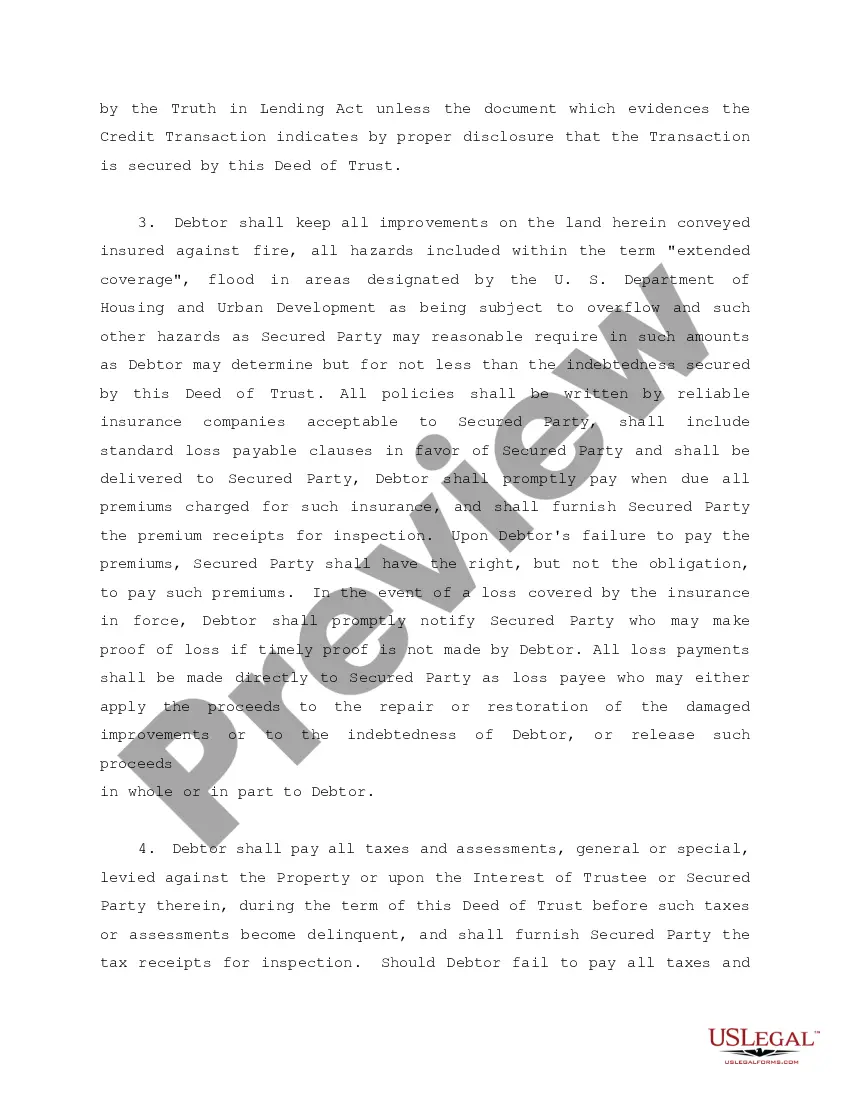
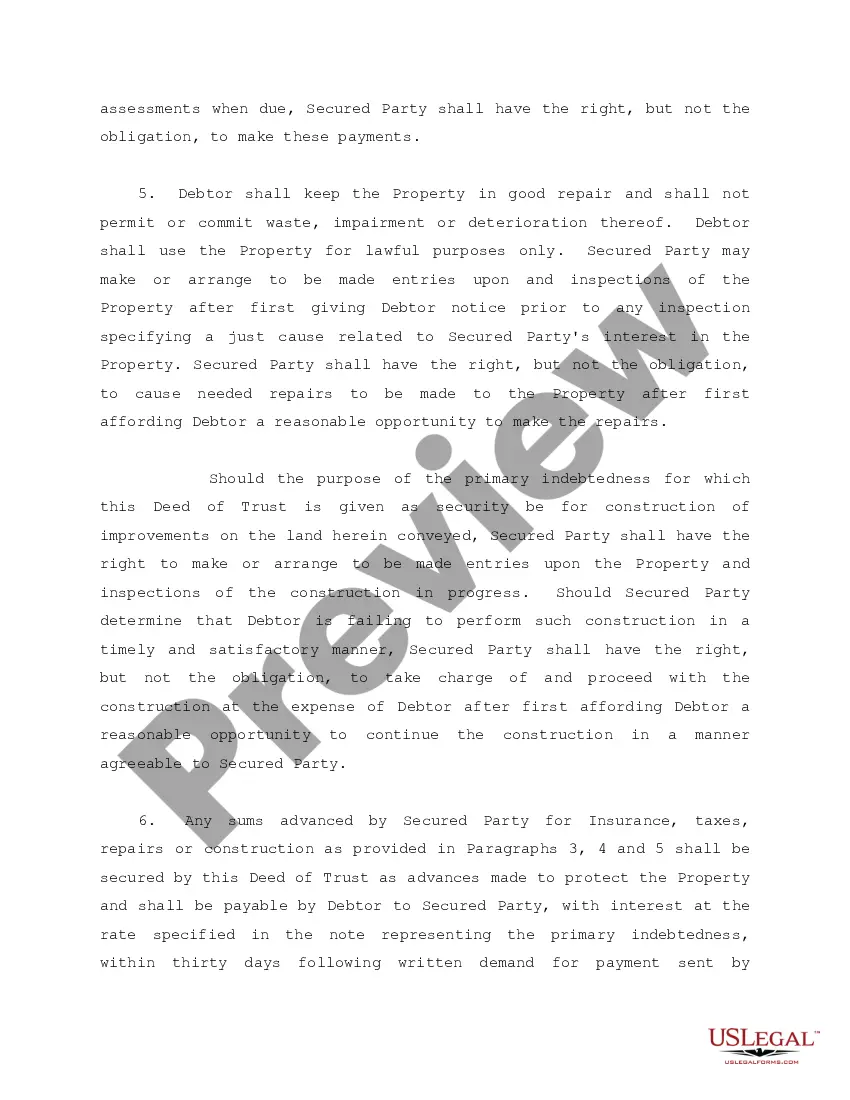
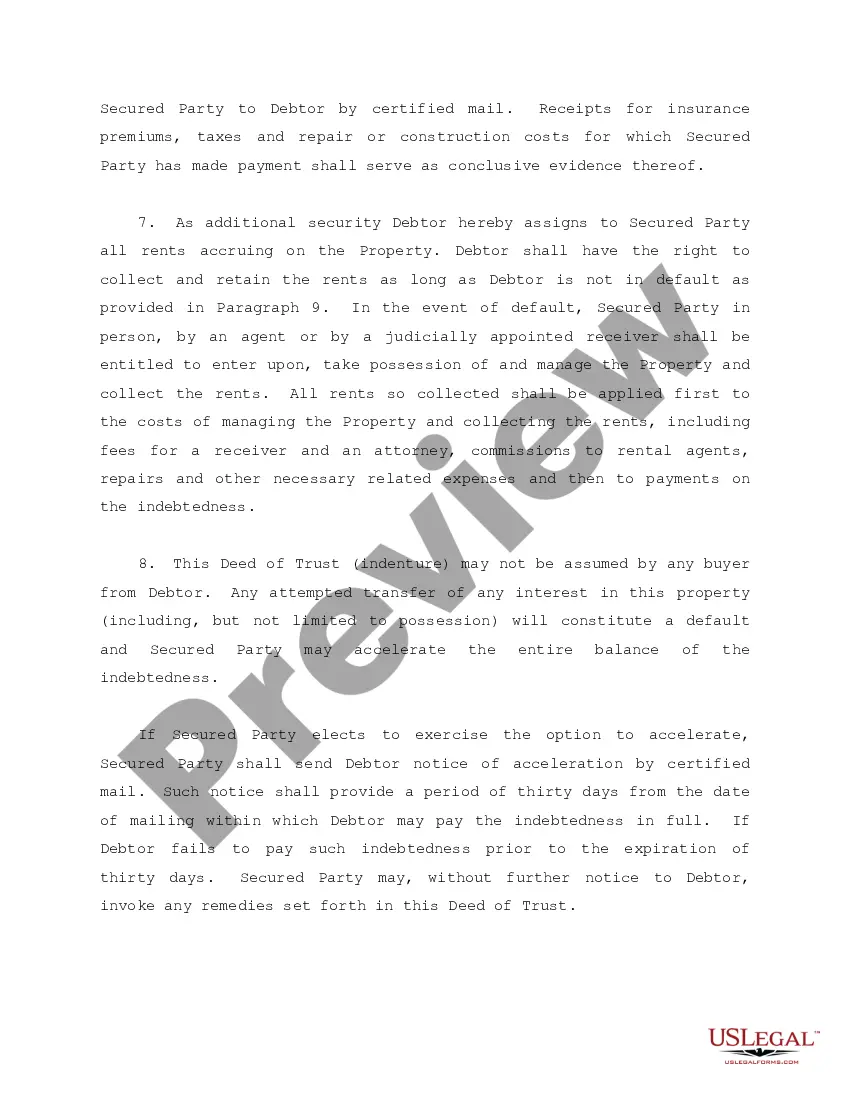
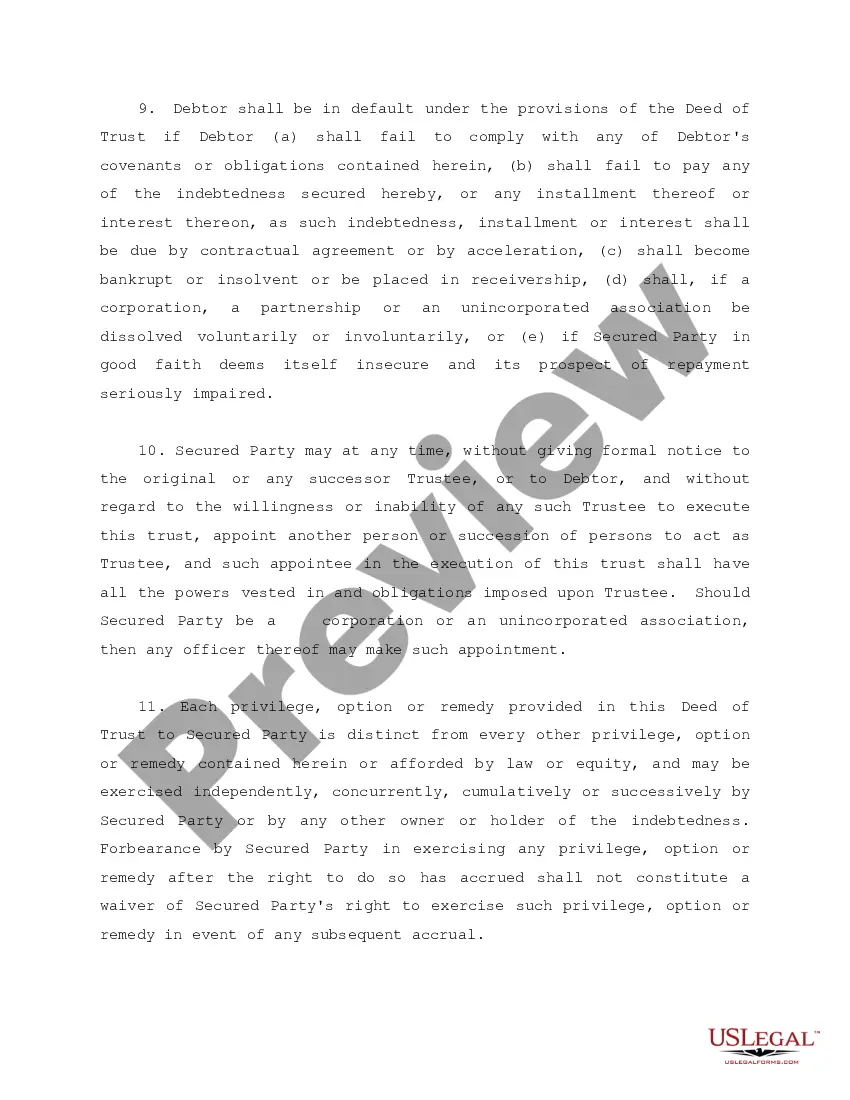
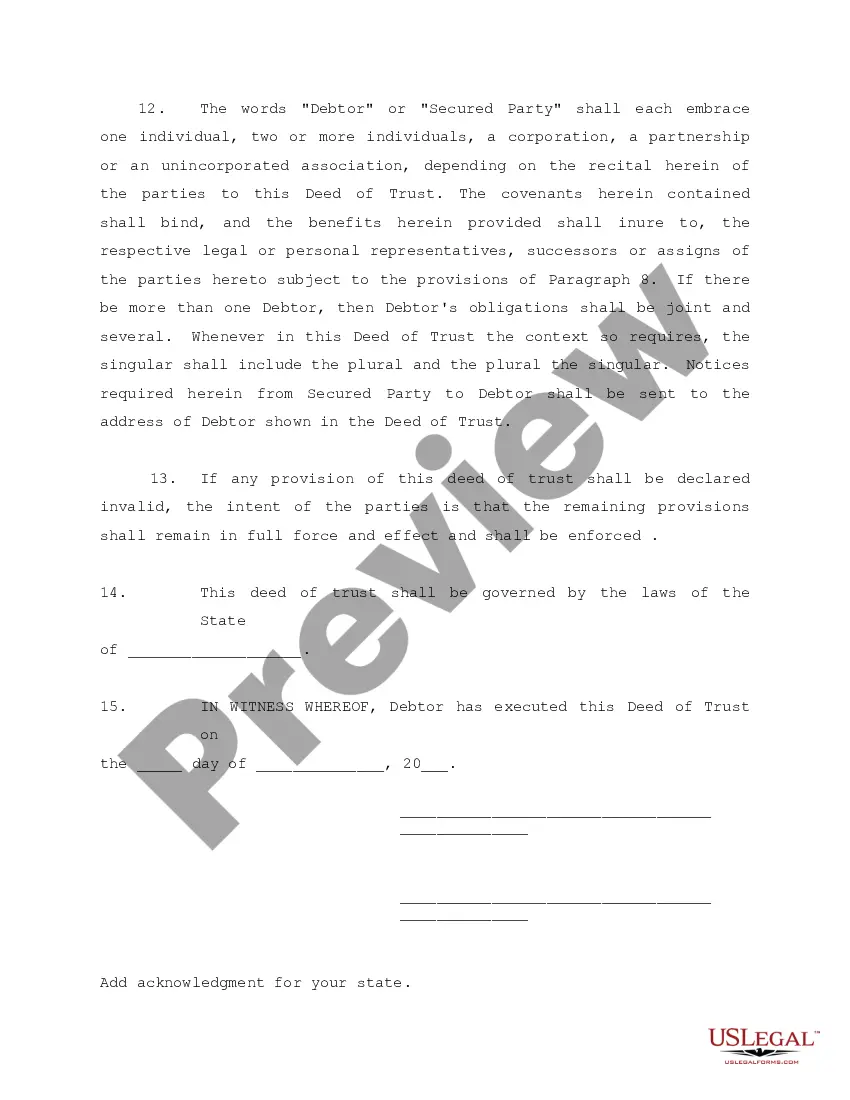
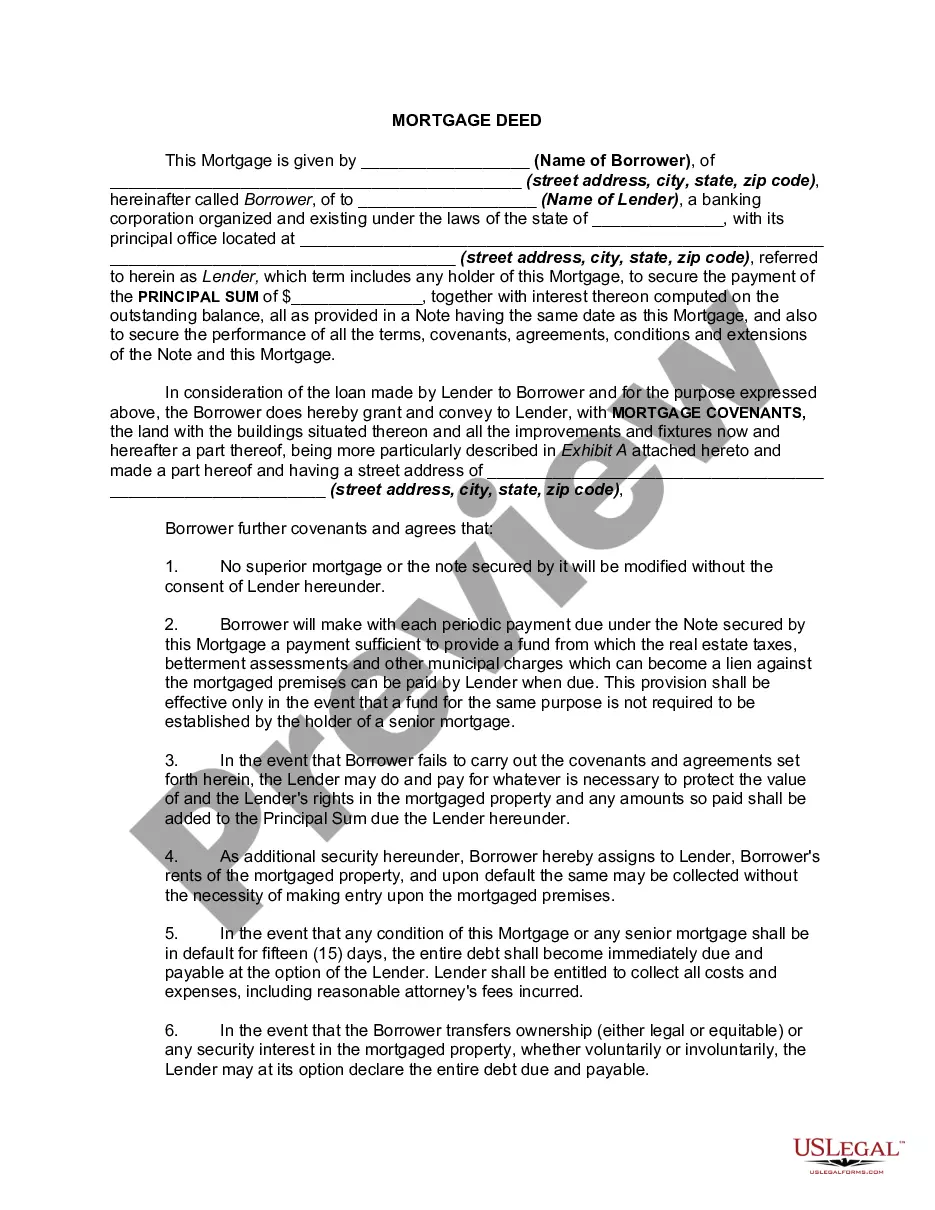

Get your form ready online
Our built-in tools help you complete, sign, share, and store your documents in one place.
Make edits, fill in missing information, and update formatting in US Legal Forms—just like you would in MS Word.
Download a copy, print it, send it by email, or mail it via USPS—whatever works best for your next step.
Sign and collect signatures with our SignNow integration. Send to multiple recipients, set reminders, and more. Go Premium to unlock E-Sign.
If this form requires notarization, complete it online through a secure video call—no need to meet a notary in person or wait for an appointment.
We protect your documents and personal data by following strict security and privacy standards.

Make edits, fill in missing information, and update formatting in US Legal Forms—just like you would in MS Word.

Download a copy, print it, send it by email, or mail it via USPS—whatever works best for your next step.

Sign and collect signatures with our SignNow integration. Send to multiple recipients, set reminders, and more. Go Premium to unlock E-Sign.

If this form requires notarization, complete it online through a secure video call—no need to meet a notary in person or wait for an appointment.

We protect your documents and personal data by following strict security and privacy standards.
Looking for another form?









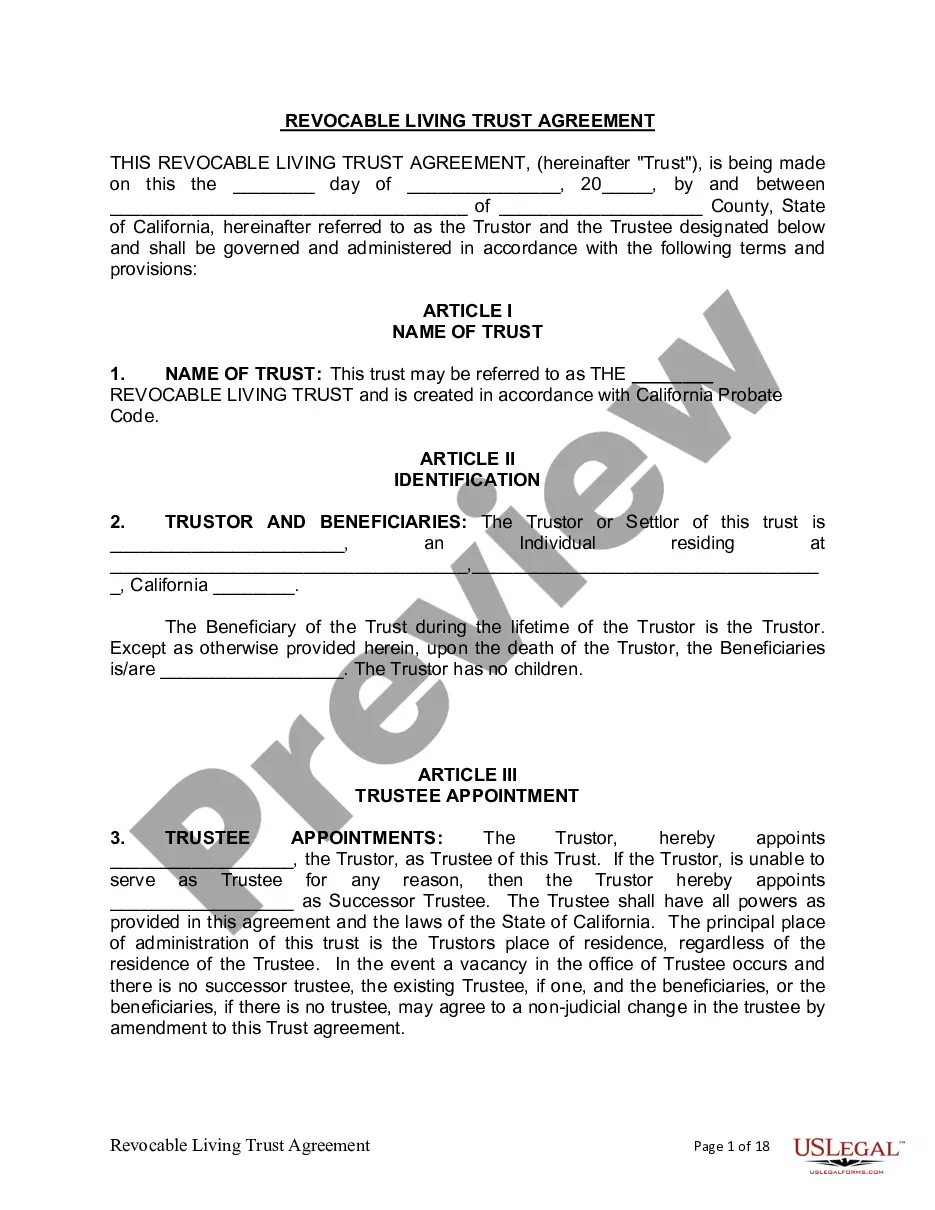
Form popularity
FAQ
Are secured loans easier to get? Generally speaking, yes. Because you're usually putting your home as a guarantee for payments, the lender will see you as less of a risk, and they'll rely less on your credit history and credit score to make the judgement.
A collector can contact you in person, by mail, telephone, telegram or email. However, a collector may not contact you at unreasonable times or places, such as before 8 a.m. or after 9 p.m., unless you agree. A debt collector also may not contact you at work if the collector knows that your employer disapproves.
Statutes of Limitations for Each State (In Number of Years) StateWritten contractsOpen-ended accounts (including credit cards) Georgia 6 6 Hawaii 6 6 Idaho 5 4 Illinois 10 547 more rows
The bottom line. While a debt's age matters, the seven-year credit reporting limit doesn't protect you from lawsuits.
Because of something known as a statute of limitations, some debts become unenforceable after six years. This means that creditors can no longer chase you or take legal action against you for the amount owed.
The state of Illinois, like every other state in the U.S., has its statute of limitations for various types of debts. All unwritten and open-ended agreements, for example, have a five-year expiration. Written contracts and promissory notes, on the other hand, have a 10-year expiration.
In many cases, a bankruptcy discharge can eliminate your personal responsibility for secured debt, so the lender can't sue you for unpaid amounts. However, the lien on the property doesn't automatically go away. The lender can still take back the collateral if you stop making payments.
