Louisiana Affidavit Shared Representation with Co Defendant
What this document covers
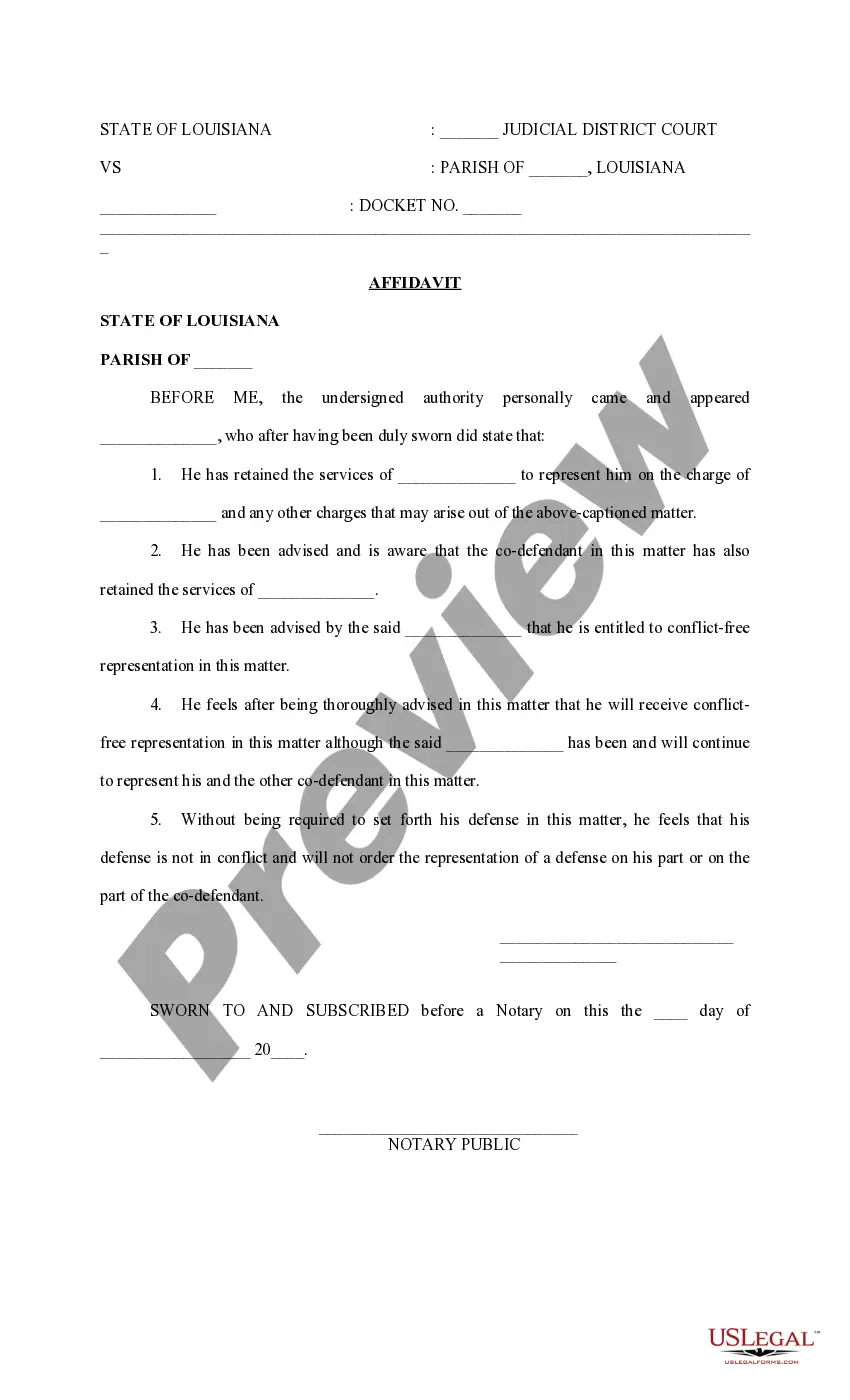
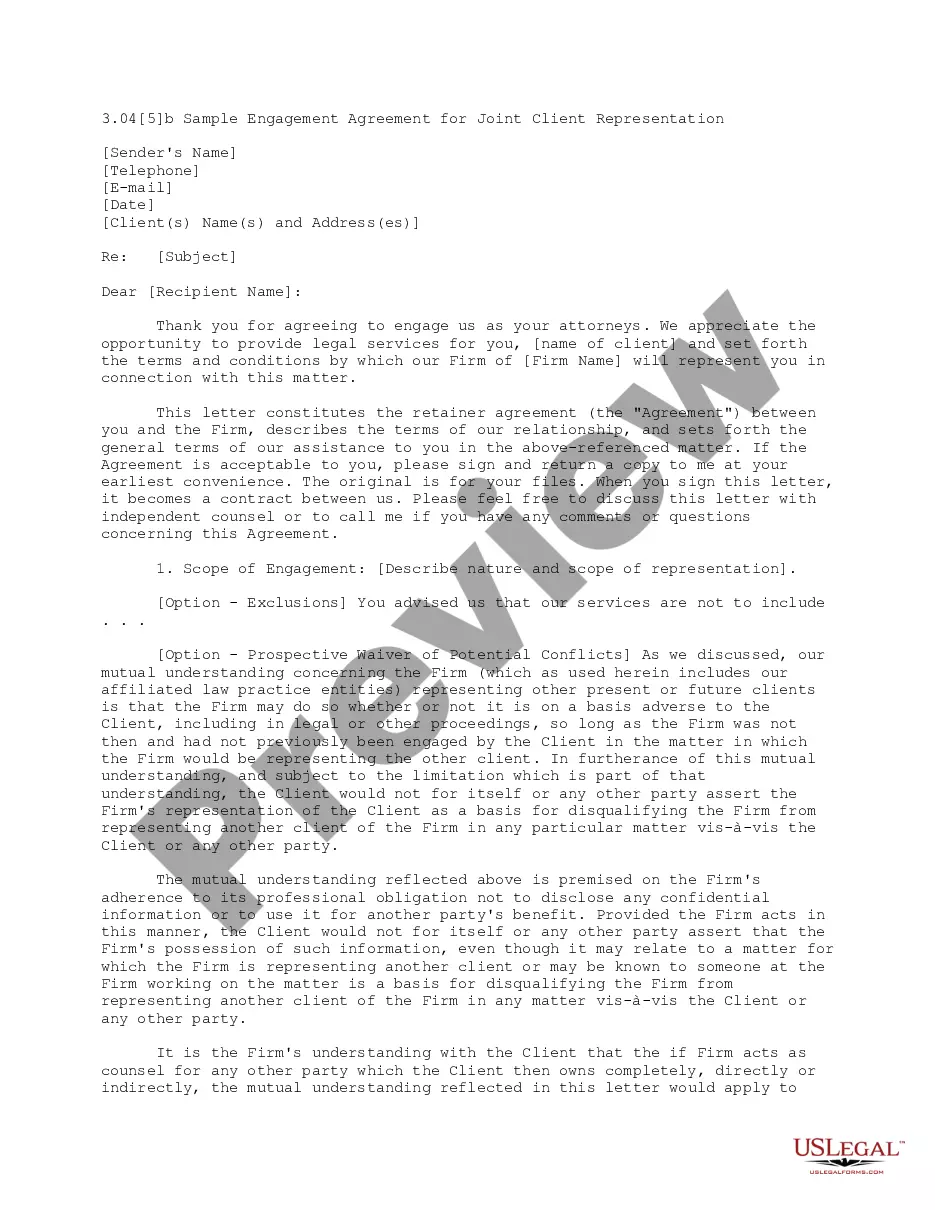
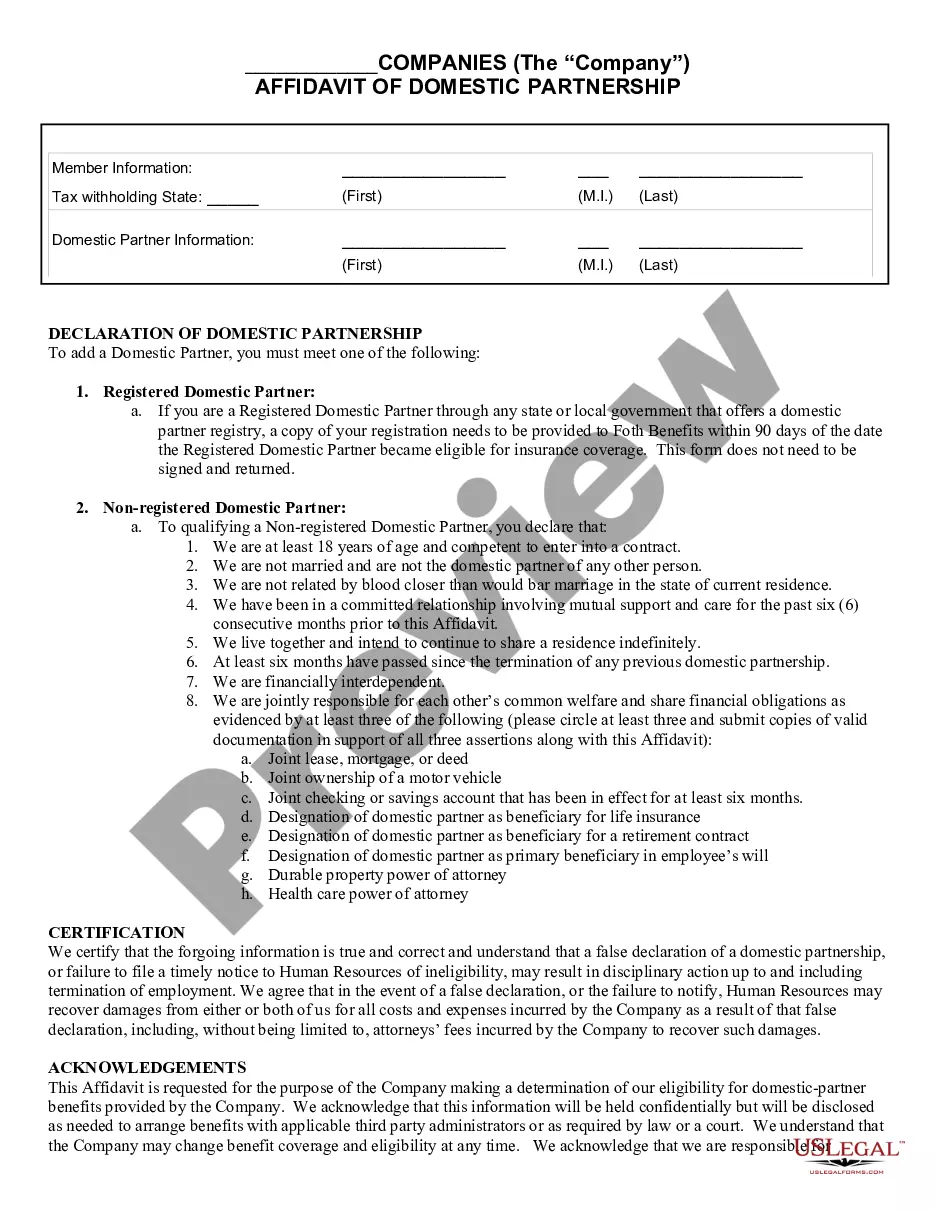
This Affidavit Shared Representation with Co Defendant is a legal document that serves as a sworn statement from a defendant acknowledging that their attorney represents both them and their co-defendant. This form clarifies that the defendant understands their right to conflict-free representation and confirms that they feel their defense will not be compromised despite this dual representation. It is distinct from other legal affidavits because it specifically addresses the potential conflicts that may arise from shared legal counsel in criminal matters.
Key components of this form
- Identification of the defendant and co-defendant.
- Statement of the charges for which legal representation is retained.
- Clarification of the attorney's dual role in representing both defendants.
- Acknowledgment of the defendant's right to conflict-free representation.
- Assertion that the defendant feels their defense will remain unbiased.
- Signature and notarization section to validate the affidavit.

Common use cases
This form should be used in criminal cases where multiple defendants are being represented by the same attorney. It is particularly important when a defendant wants to acknowledge their understanding of shared representation and confirm that they do not feel that their defense is in conflict with their co-defendant's defense. This affidavit is vital to protect the rights of the defendants and uphold the integrity of their legal representation.
Who can use this document
- Defendants in criminal cases with a co-defendant.
- Individuals who are aware that their attorney is representing multiple defendants.
- Anyone who wants to confirm that they feel confident in their legal representation despite shared counsel.
- Individuals who have been informed about their right to conflict-free representation.
Instructions for completing this form
- Specify the names of the defendant and co-defendant at the beginning of the affidavit.
- Enter the specific charges related to the case.
- Include the name of the attorney representing both defendants.
- Confirm understanding of the right to conflict-free representation.
- Provide the date and sign the affidavit in the presence of a notary public.
Does this document require notarization?
Yes, this form must be notarized to be legally valid. Notarization ensures that the statement is confirmed by a certified notary public, reinforcing the authenticity of the affidavit.
Get your form ready online
Our built-in tools help you complete, sign, share, and store your documents in one place.
Make edits, fill in missing information, and update formatting in US Legal Forms—just like you would in MS Word.
Download a copy, print it, send it by email, or mail it via USPS—whatever works best for your next step.
Sign and collect signatures with our SignNow integration. Send to multiple recipients, set reminders, and more. Go Premium to unlock E-Sign.
If this form requires notarization, complete it online through a secure video call—no need to meet a notary in person or wait for an appointment.
We protect your documents and personal data by following strict security and privacy standards.

Make edits, fill in missing information, and update formatting in US Legal Forms—just like you would in MS Word.

Download a copy, print it, send it by email, or mail it via USPS—whatever works best for your next step.

Sign and collect signatures with our SignNow integration. Send to multiple recipients, set reminders, and more. Go Premium to unlock E-Sign.

If this form requires notarization, complete it online through a secure video call—no need to meet a notary in person or wait for an appointment.

We protect your documents and personal data by following strict security and privacy standards.
Mistakes to watch out for
- Failing to provide accurate names of the defendants and the attorney.
- Not clearly stating the charges being faced.
- Omitting to acknowledge the right to conflict-free representation.
- Neglecting the notarial signature, which is essential for validation.
Benefits of using this form online
- Convenient access to legal resources from anywhere at any time.
- Editable templates that allow for customization according to individual needs.
- Reliability through professionally drafted forms by licensed attorneys.
Looking for another form?
Form popularity
FAQ
Article 218.1 specifies the procedures for plea bargains and agreements in criminal cases in Louisiana. This article ensures that defendants are aware of their rights during plea negotiations and outlines how such agreements should be documented. It is a vital consideration in the context of Louisiana Affidavit Shared Representation with Co Defendant, as both parties may negotiate terms that benefit their shared legal standing.
It seems that lawyers can (and do) act for family and friends so long as: the practitioner reasonably expects to serve the client honestly and fairly, and with competence and diligence (example from the Law Institute of Victoria Professional Conduct and Practice Rules).
A co-defendant is a third party other than the defendant in the case in which another co-defendant is charged and is by nature a witness.Therefore, a co-defendant is a third party other than the defendant in the case in which another co-defendant is charged and is by nature a witness.
Yes, co-defendants can testify against each other. In only limited situations can one defendant prevent certain testimony from the other defendant.
Yes, an attorney can represent both if there is no conflict. In certain cases, conflict can be waived. However, if the case goes to trial, it may be required to have 2 attorneys.
So long as there is no potential conflict of interest involved, an attorney can represent two different parties in either a criminal or civil case.
A lawyer must be loyal to his or her client. This means that a lawyer cannot represent two clients who are on opposite sides in the same or related lawsuits. And, ordinarily, there can be no representation of a client whose interests would conflict with the lawyer's interests.
Yes, co-defendants in drug cases may receive different sentences. When two people are charged and convicted of the same crime, the maximum penalty they are facing may be the same, but the actual sentence each receives can vary greatly.
However, one attorney cannot represent both parties. An attorney is ethically prohibited from representing two people with conflicting interests who are in a dispute. The parties can attempt mediation without the use of attorneys, but the mediator cannot give legal advice to either party.
Every case is different, but generally speaking, when co-defendant's take a plea, they can now testify against the defendant and may even receive a lighter sentence as a result. On the other hand, in some cases, it allows the defendant's attorney to point to the co-defendant and say, "it was all his fault."