Secured Debt Any For Loan In Texas
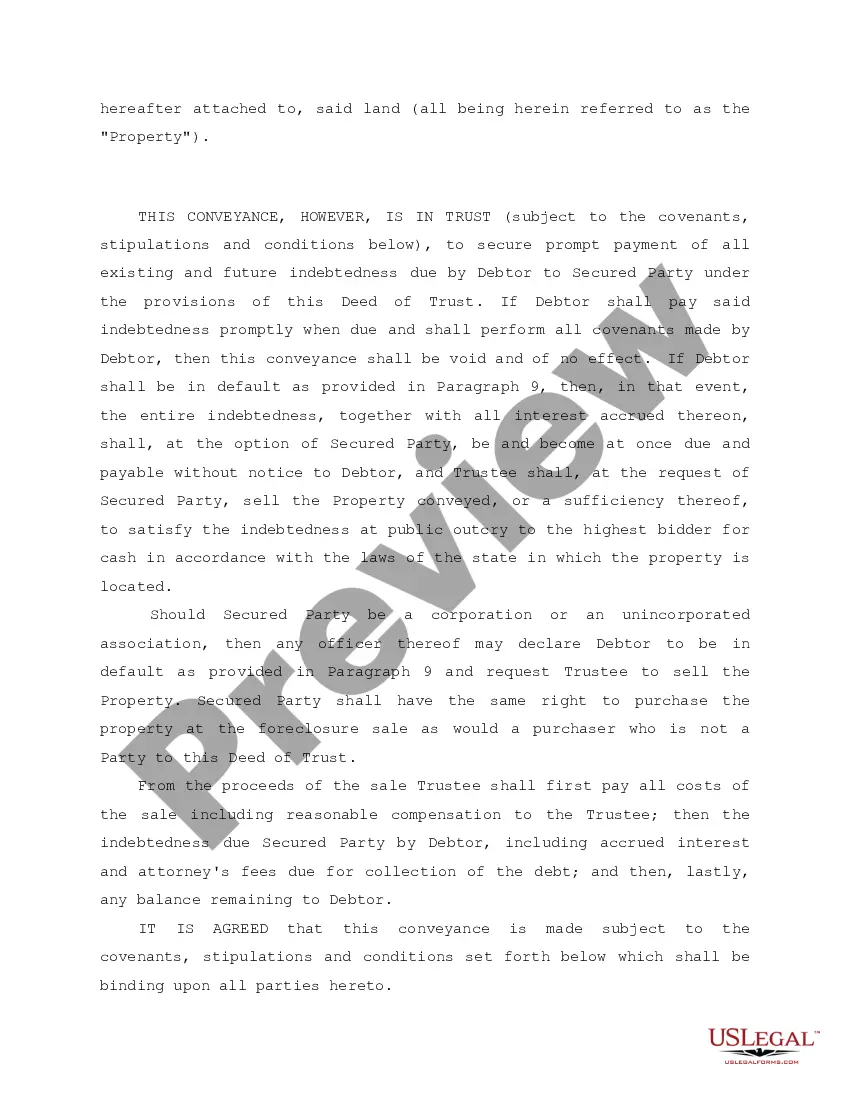
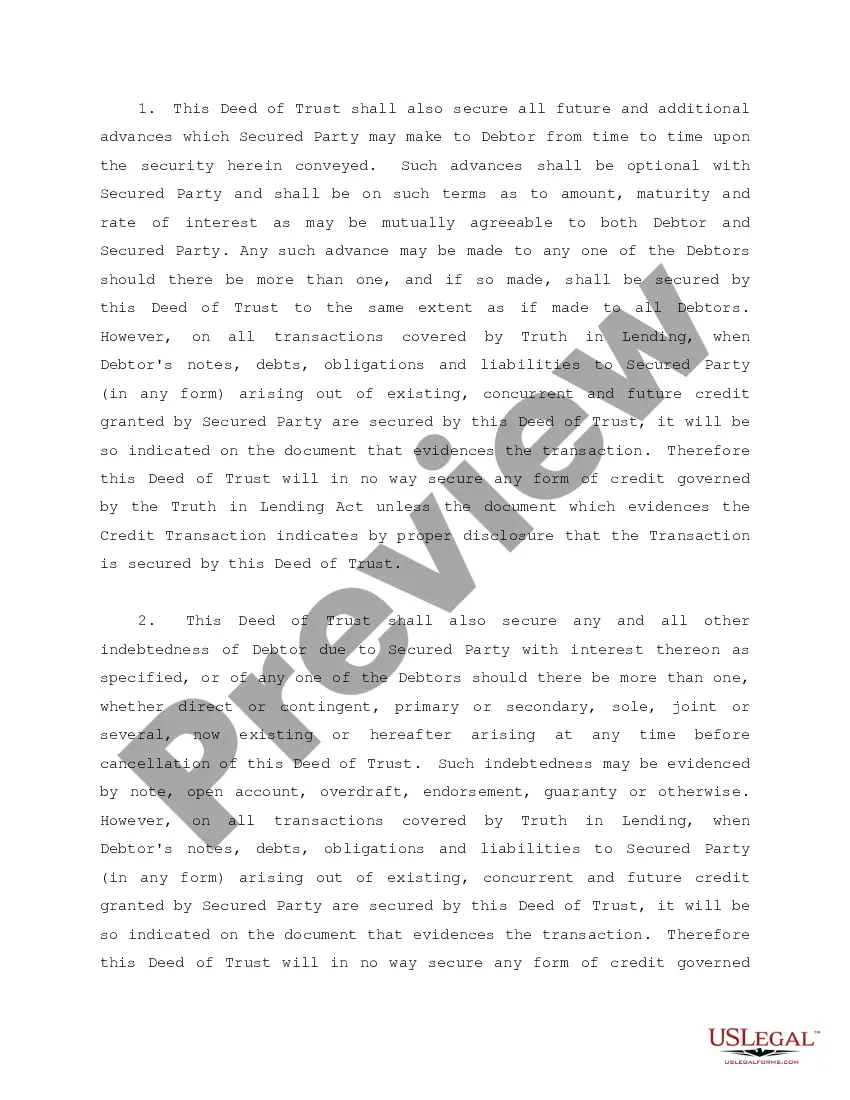
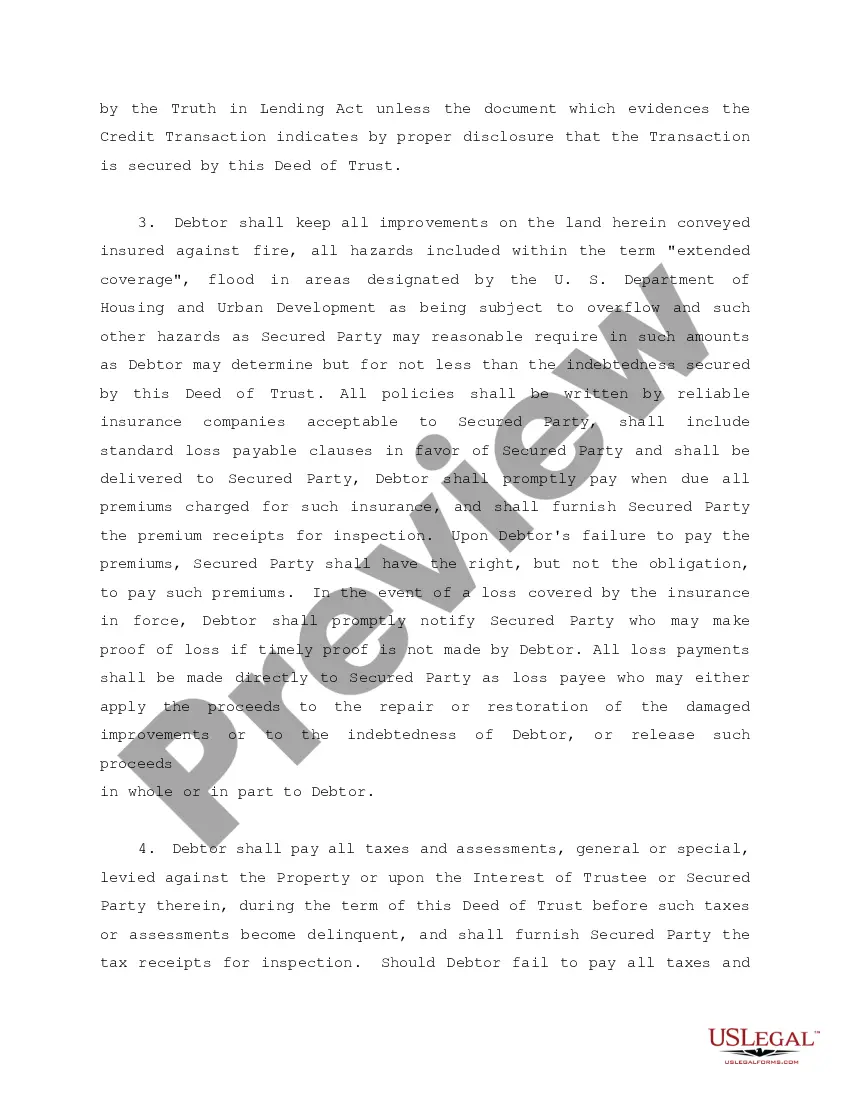
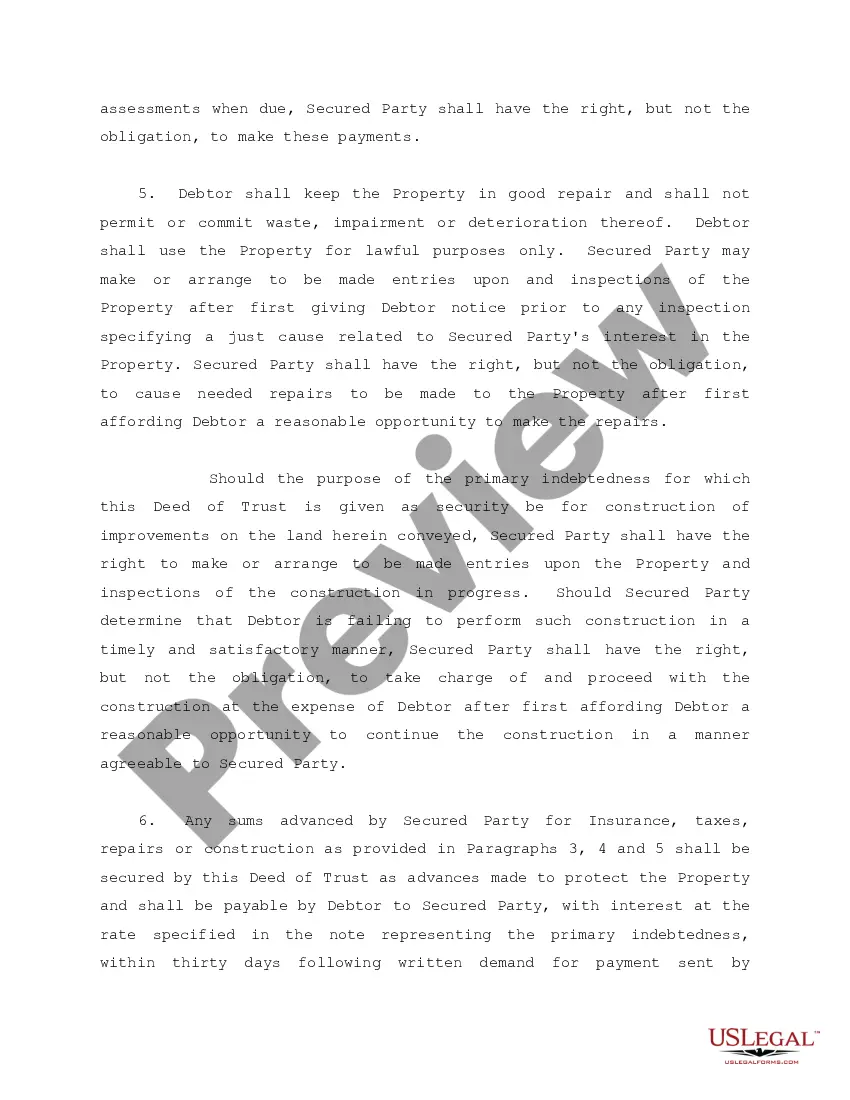
Description


Get your form ready online
Our built-in tools help you complete, sign, share, and store your documents in one place.
Make edits, fill in missing information, and update formatting in US Legal Forms—just like you would in MS Word.
Download a copy, print it, send it by email, or mail it via USPS—whatever works best for your next step.
Sign and collect signatures with our SignNow integration. Send to multiple recipients, set reminders, and more. Go Premium to unlock E-Sign.
If this form requires notarization, complete it online through a secure video call—no need to meet a notary in person or wait for an appointment.
We protect your documents and personal data by following strict security and privacy standards.

Make edits, fill in missing information, and update formatting in US Legal Forms—just like you would in MS Word.

Download a copy, print it, send it by email, or mail it via USPS—whatever works best for your next step.

Sign and collect signatures with our SignNow integration. Send to multiple recipients, set reminders, and more. Go Premium to unlock E-Sign.

If this form requires notarization, complete it online through a secure video call—no need to meet a notary in person or wait for an appointment.

We protect your documents and personal data by following strict security and privacy standards.
Looking for another form?








Form popularity
FAQ
Here are some of the biggest consequences of ignoring debt collectors: - Your credit score will fall, which makes it harder to get new credit and sometimes even employment or housing - Debt collectors may get more aggressive in trying to contact you or your friends or family (though they're limited in what they can say ...
Texas law gives someone 4 years to bring a lawsuit for unpaid debt. This time period is commonly referred to as the statute of limitations. Once the time period is up, a person is prohibited from filing suit to recover the debt. This means the debt is time-barred.
Your answer can be a handwritten letter to the court that says you do not agree with the lawsuit. Include your case (cause) number and mailing address and any defenses you may have to the lawsuit; for example, the amount they claim you owe is incorrect, the account isn't yours, or the debt is older than 4 years.
Since Texas is a community property state, in theory, this means that each party is entitled to 50 percent of the property obtained during the marriage as well as responsible for 50 percent of the debt incurred during the marriage.
Compared to most states in the US, Texas is a debtor-friendly state. There are many different protections afforded to debtors when dealing with creditors.
Nevada is the most debtor-friendly state. Your assets have to be stashed in the trust for only two years before they're supposedly safe from future creditors. And unlike other states, Nevada protects your assets from pre-existing tort creditors, a divorcing spouse, alimony and even child support obligations.
Mortgages, home equity loans, home equity lines of credit (HELOCs) and auto loans are all forms of secured debt, while most personal loans, credit cards, student loans and medical loans are unsecured debt.
Is Texas a Debtor-Friendly State? Compared to most states in the US, Texas is a debtor-friendly state. There are many different protections afforded to debtors when dealing with creditors.
