Escrow Seller Does For Repairs In Arizona
Description

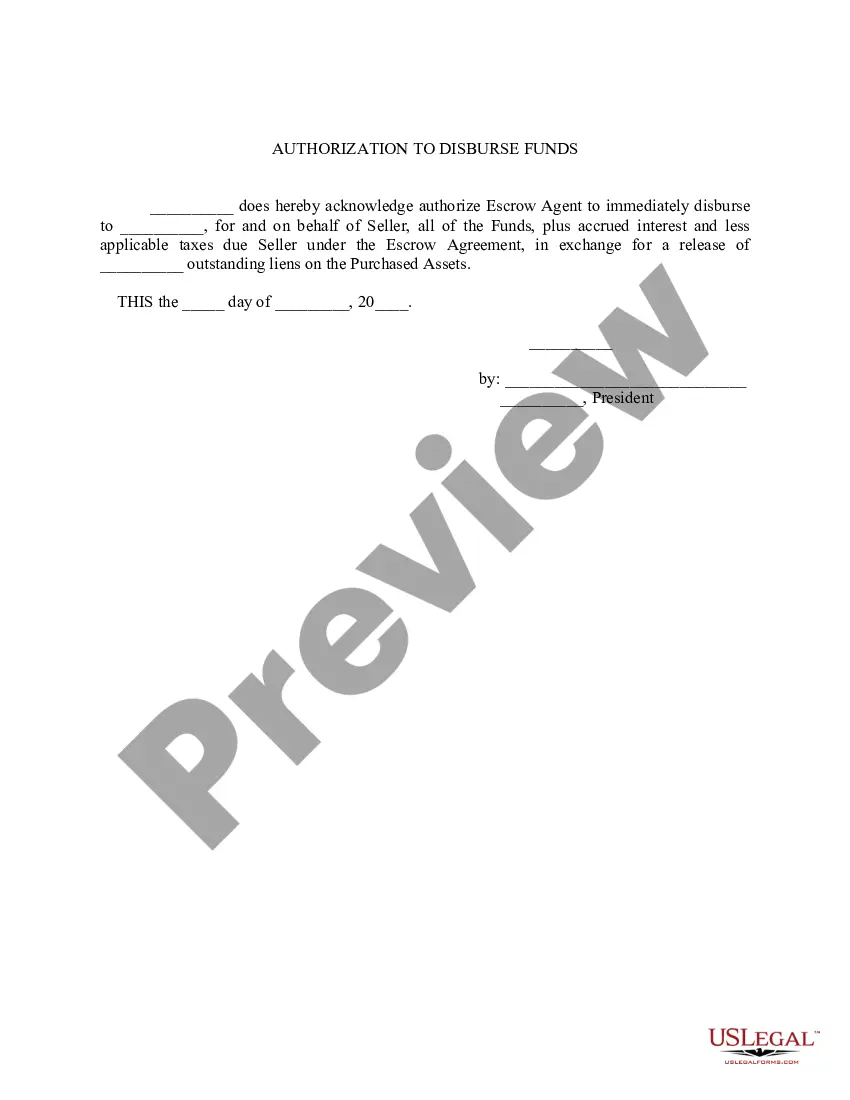
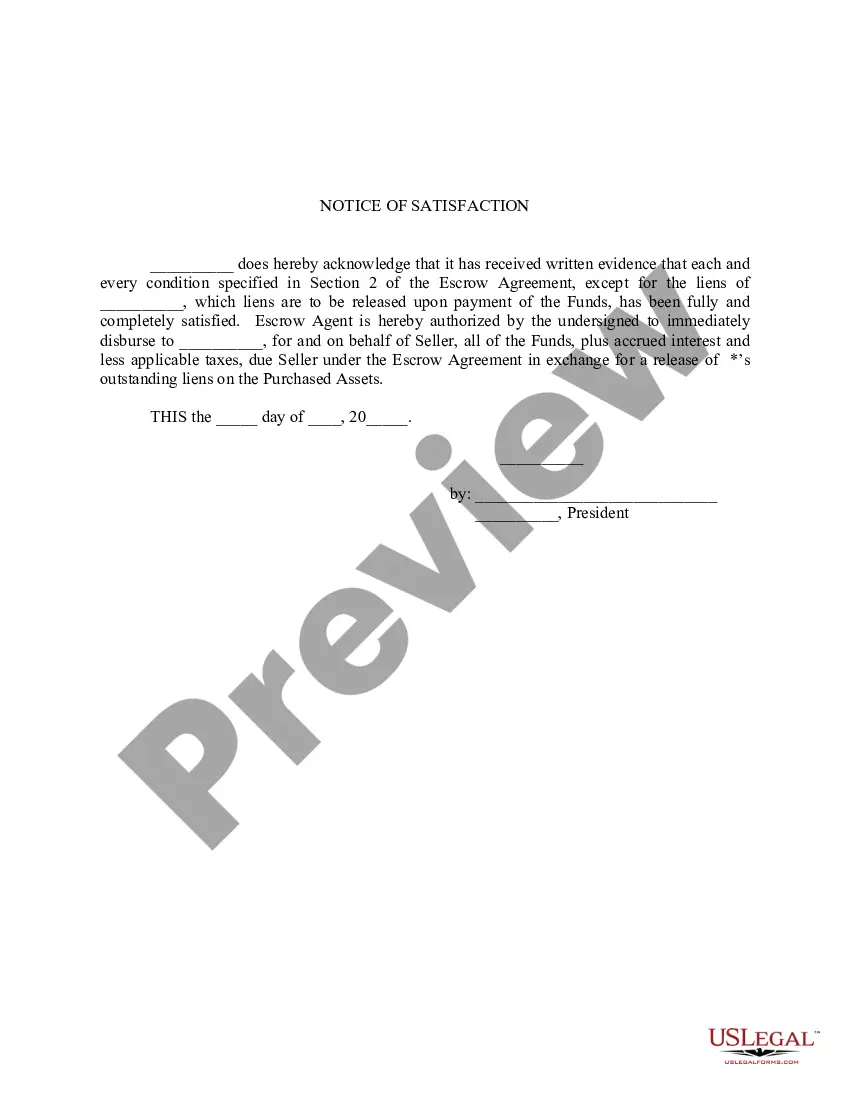
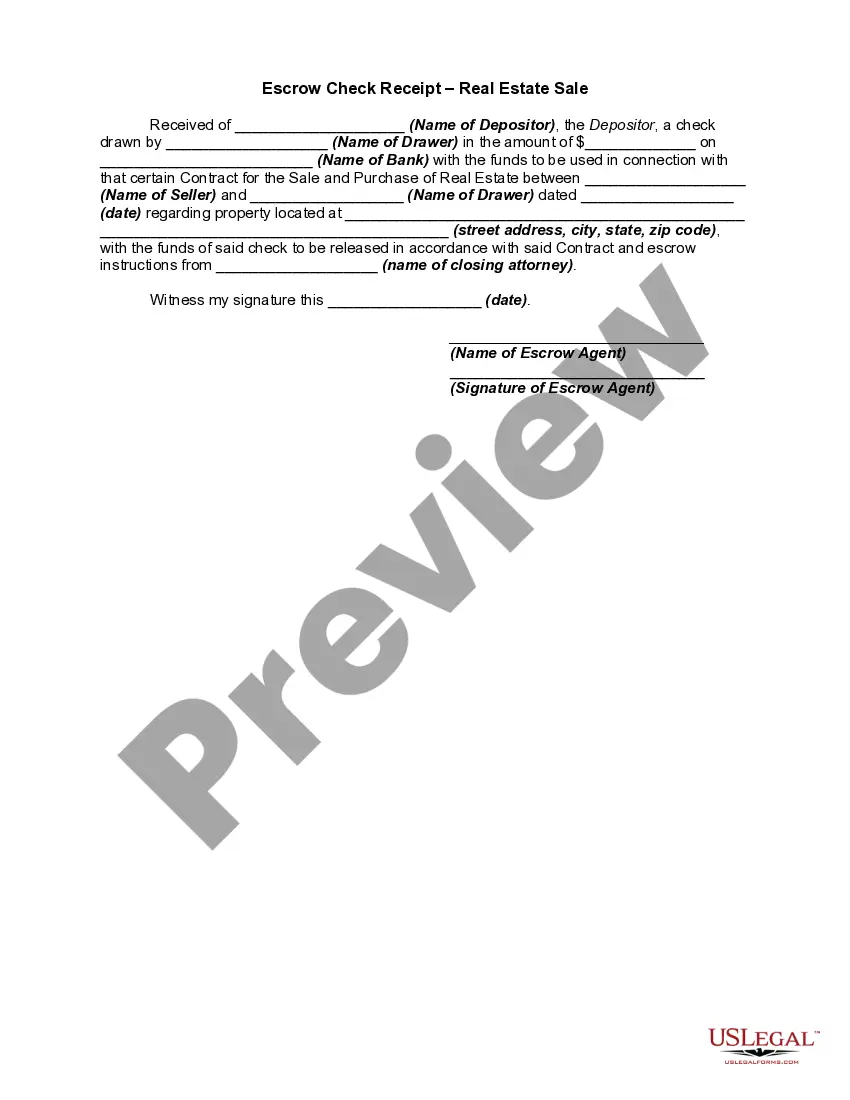
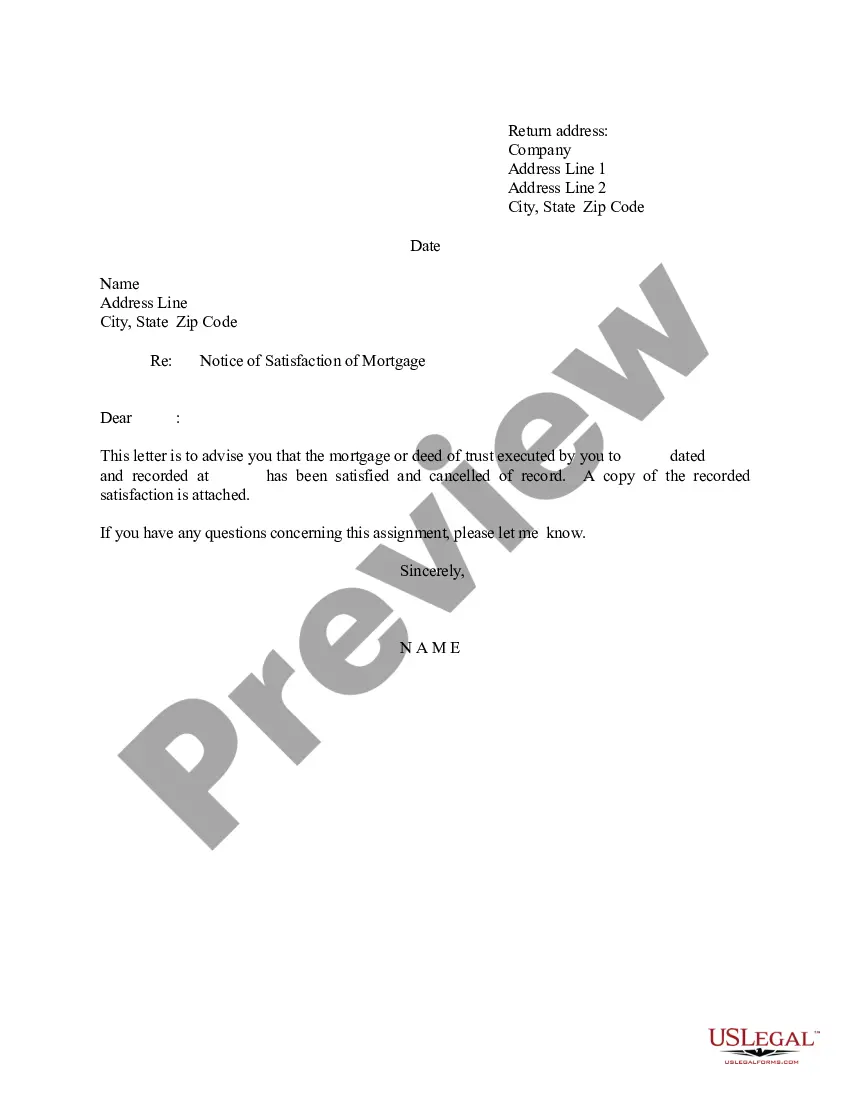
Get your form ready online
Our built-in tools help you complete, sign, share, and store your documents in one place.
Make edits, fill in missing information, and update formatting in US Legal Forms—just like you would in MS Word.
Download a copy, print it, send it by email, or mail it via USPS—whatever works best for your next step.
Sign and collect signatures with our SignNow integration. Send to multiple recipients, set reminders, and more. Go Premium to unlock E-Sign.
If this form requires notarization, complete it online through a secure video call—no need to meet a notary in person or wait for an appointment.
We protect your documents and personal data by following strict security and privacy standards.

Make edits, fill in missing information, and update formatting in US Legal Forms—just like you would in MS Word.

Download a copy, print it, send it by email, or mail it via USPS—whatever works best for your next step.

Sign and collect signatures with our SignNow integration. Send to multiple recipients, set reminders, and more. Go Premium to unlock E-Sign.

If this form requires notarization, complete it online through a secure video call—no need to meet a notary in person or wait for an appointment.

We protect your documents and personal data by following strict security and privacy standards.
Looking for another form?


Form popularity
FAQ
An escrow holdback for repairs is a financial arrangement where a portion of the homebuyer's funds is withheld by the lender or escrow agent until specific repairs or improvements are completed. This arrangement is typically used when there are issues with the property that need attention before the sale can close.
In California, the buyer may choose the escrow company.
The buyer in the real estate sales transaction generally makes the selection of the escrow holder/agent and the title insurance company intending to issue the title insurance coverage. A real estate broker should consult the escrow holder/agent before informing the principals that escrow will close on a certain date.
The choice of escrow agent is typically agreed upon by the buyer and seller. However, the specific preferences can vary depending on local practices and negotiations between the parties.
Now that the home is under new ownership, the property owner bears the responsibility of anything related to the property. The only way you could be liable at this point, is if something happens and the buyer can prove that you should have known about it, and therefore were responsible to disclose it to them.
Repairs can be made before or after closing. The buyer should take their home inspector back for a recheck as soon as possible if the seller makes repairs before closing. Don't wait for the final walkthrough.
If a buyer discovers hidden defects or unforeseen issues after closing, they may be able to sue the seller for damages. The specific legal options available will depend on the laws of the state where the property is located and the real estate contract terms.
9 Huge Home Inspection Red Flags That Will Save You Big Time Damage around electrical points. Unusually placed or recently moved furniture and wall hangings. Hidden signs of dampness. All the windows are open or uneven home temperature. An agent or homeseller insisting on meeting at a particular time of day.