Pleading For Insanity In Santa Clara
Description
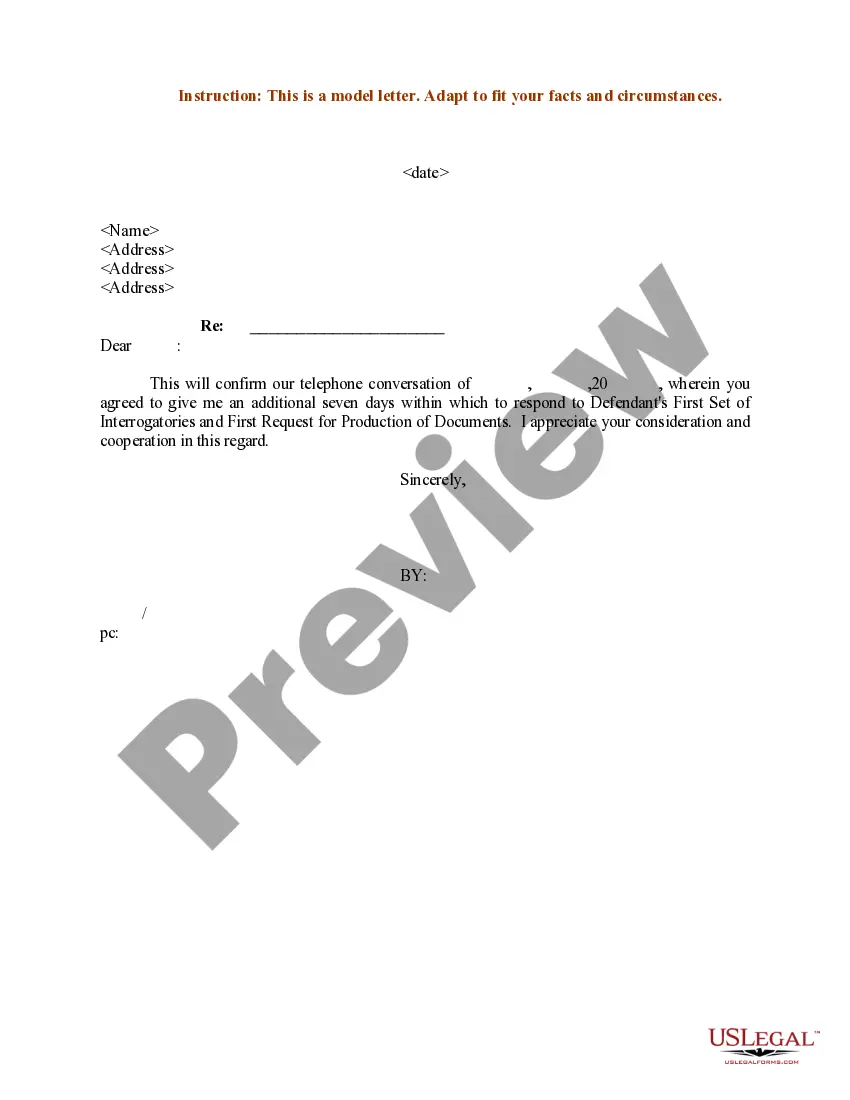
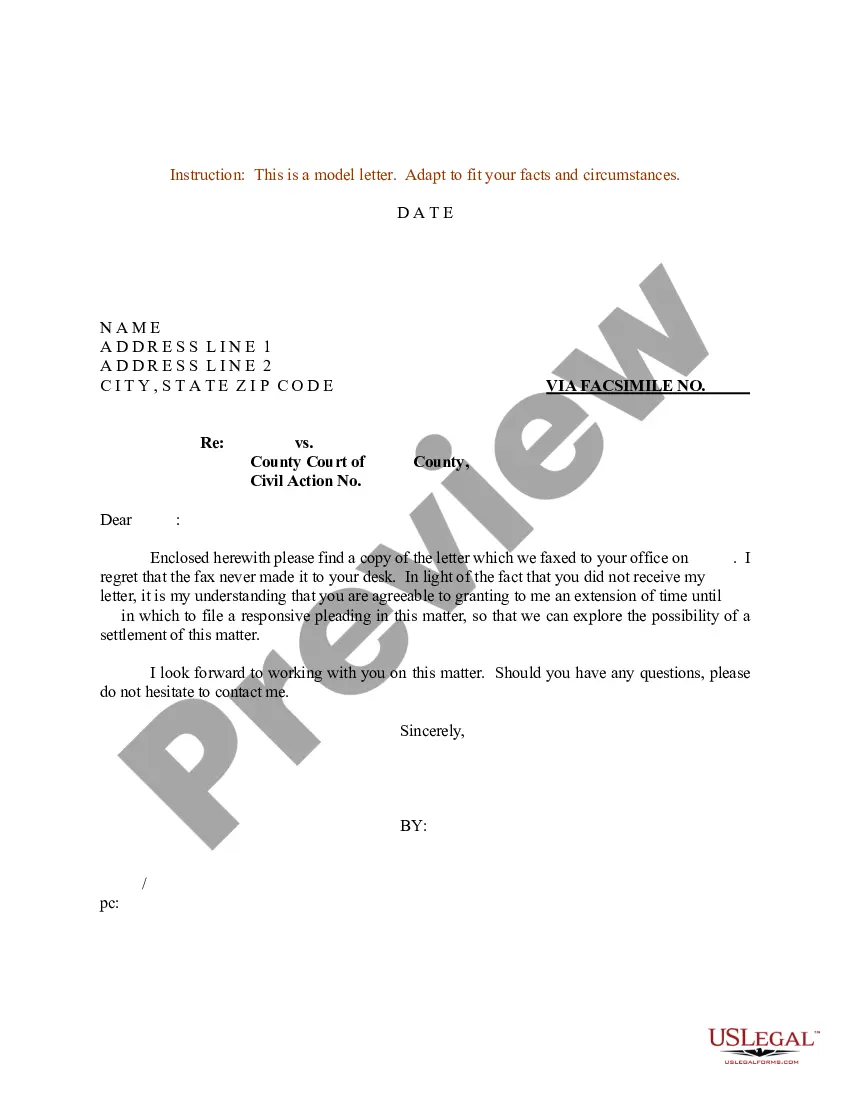
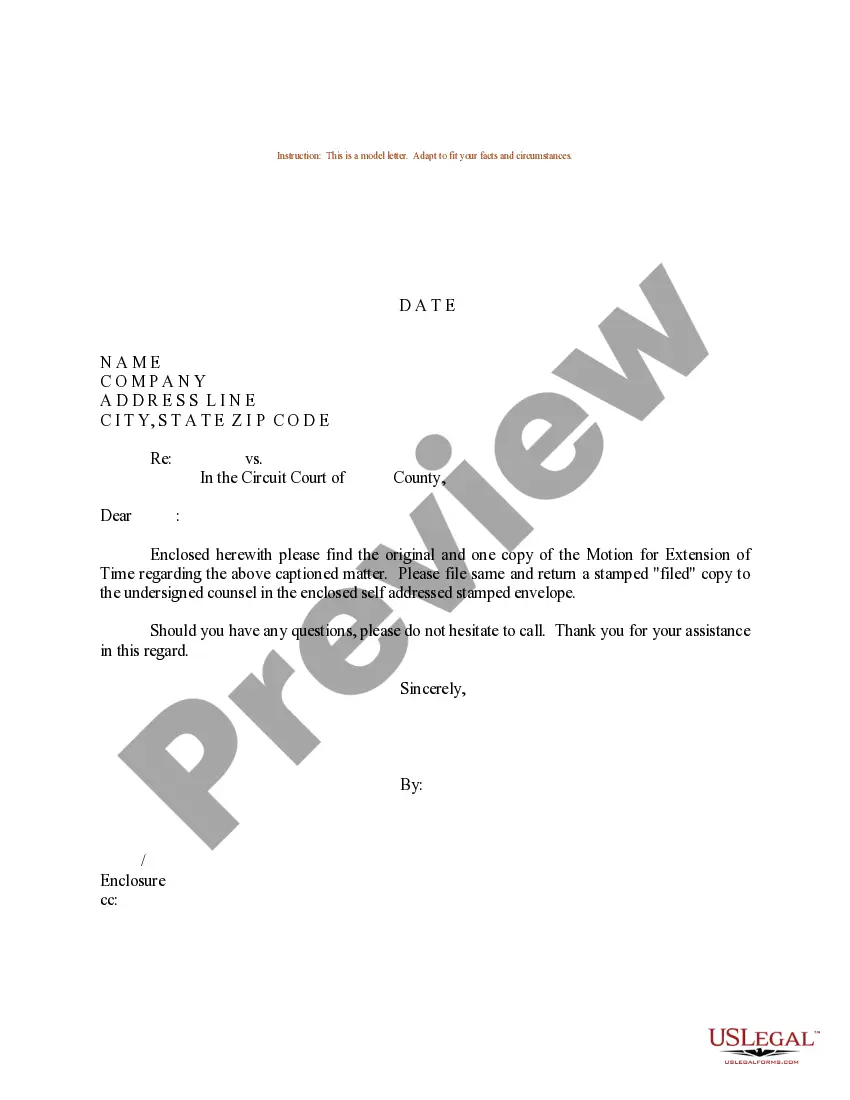
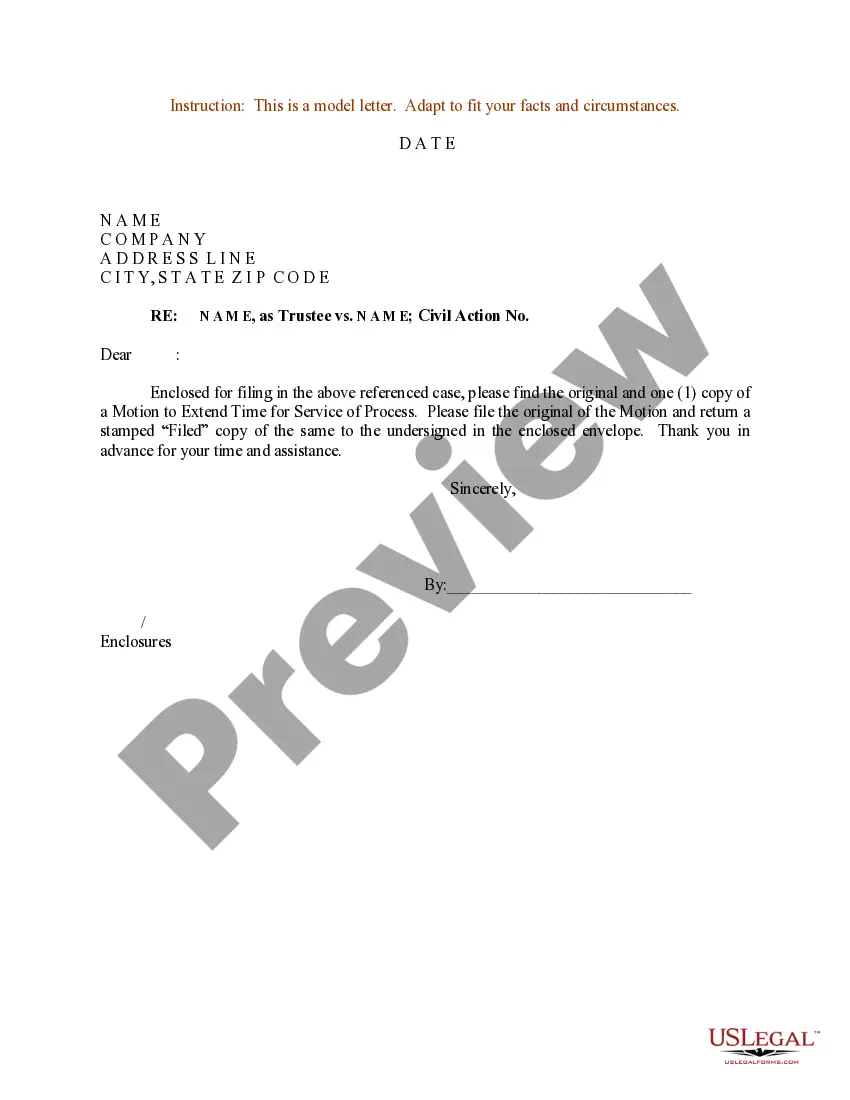
Get your form ready online
Our built-in tools help you complete, sign, share, and store your documents in one place.
Make edits, fill in missing information, and update formatting in US Legal Forms—just like you would in MS Word.
Download a copy, print it, send it by email, or mail it via USPS—whatever works best for your next step.
Sign and collect signatures with our SignNow integration. Send to multiple recipients, set reminders, and more. Go Premium to unlock E-Sign.
If this form requires notarization, complete it online through a secure video call—no need to meet a notary in person or wait for an appointment.
We protect your documents and personal data by following strict security and privacy standards.

Make edits, fill in missing information, and update formatting in US Legal Forms—just like you would in MS Word.

Download a copy, print it, send it by email, or mail it via USPS—whatever works best for your next step.

Sign and collect signatures with our SignNow integration. Send to multiple recipients, set reminders, and more. Go Premium to unlock E-Sign.

If this form requires notarization, complete it online through a secure video call—no need to meet a notary in person or wait for an appointment.

We protect your documents and personal data by following strict security and privacy standards.
Looking for another form?









Form popularity
FAQ
How does an insanity plea affect sentencing? If you successfully plead the insanity defense, then you will not receive the normal jail/prison sentence for your crime. Instead, you will be committed to a state mental hospital.
A Michael Abram. Adélio Bispo de Oliveira. Edward Charles Allaway. Marcelo Costa de Andrade. Iván Arancibia. Jeffrey Arenburg. Alexander Astashev.
There are several tests for insanity throughout various U.S. jurisdictions: (1) the M'Naghten rules, the irresistible impulse test, the New Hampshire or Durham test (the product test), and the test recommended by the American Law Institute's Model Penal Code.
M'Naghten Rule: California follows the M'Naghten Rule, which states that a defendant is legally insane if, at the time of the crime, they were unable to understand the nature and quality of their actions or unable to distinguish right from wrong due to a mental disease or defect.
If the person is found to be insane, the person will be confined in a state hospital or placed in the Contra Costa County Conditional Release Program (CONREP). The person may be confined for a length of time equal to the maximum sentence that could have been imposed for their crime.
In the criminal justice system, defendants are rarely successful with the insanity plea. ing to one study, the insanity defense is only used in about 1% of all court cases. It is only successful in about 26% of those cases. A defense of “temporary insanity” is difficult to prove.
M'Naghten Rule: California follows the M'Naghten Rule, which states that a defendant is legally insane if, at the time of the crime, they were unable to understand the nature and quality of their actions or unable to distinguish right from wrong due to a mental disease or defect.
Penal Code section 1026, et. Seq. Legal insanity requires that the person, by reason of mental disease or defect was incapable of either: Knowing the nature of his or her act. Understanding the nature of his or her act. Distinguishing between right and wrong at the time of commission of the crime.
Under 18 U.S.C. § 17(b), the burden has been shifted to the defendant to prove the defense of insanity by clear and convincing evidence.
In reality, however, various criminal studies have established that only about one percent of all felony cases in the United States involve use of the insanity defense. Moreover, even when the defense is asserted, it is successful in only about 30 cases every year.
