Deed Without Warranty Vs Quitclaim Deed In Maryland
Description

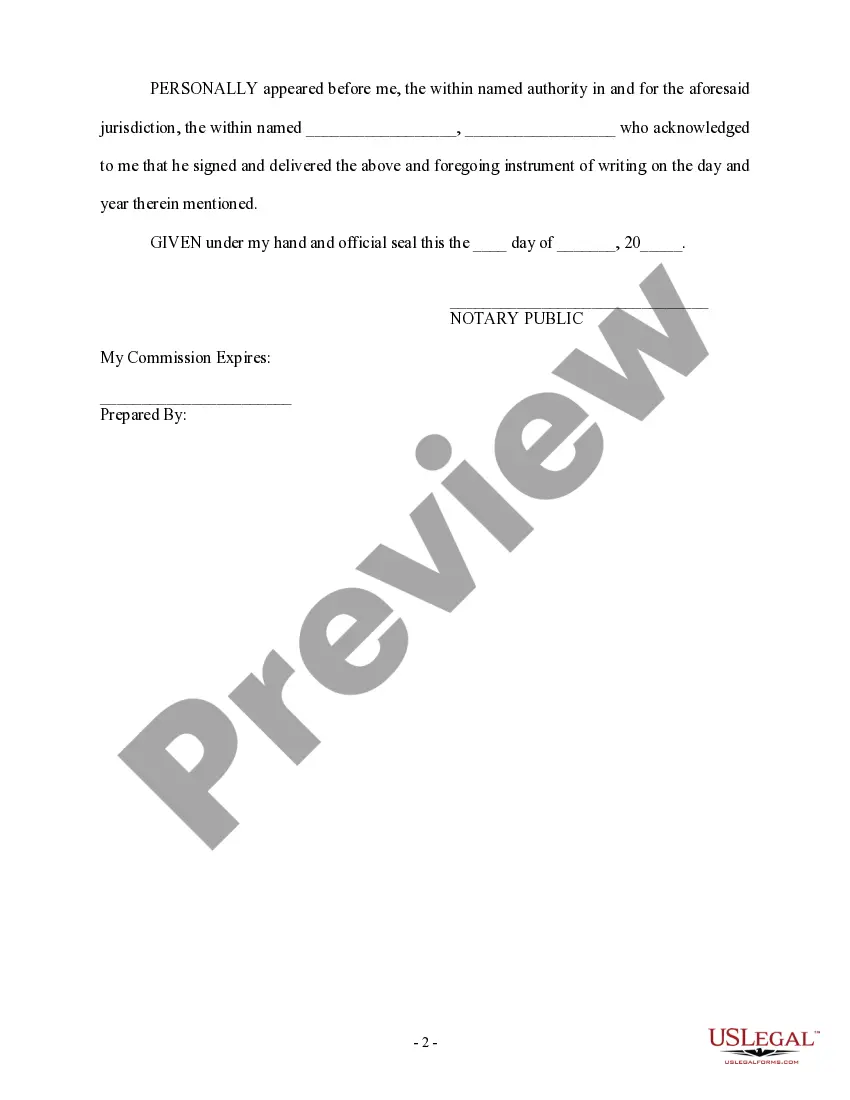
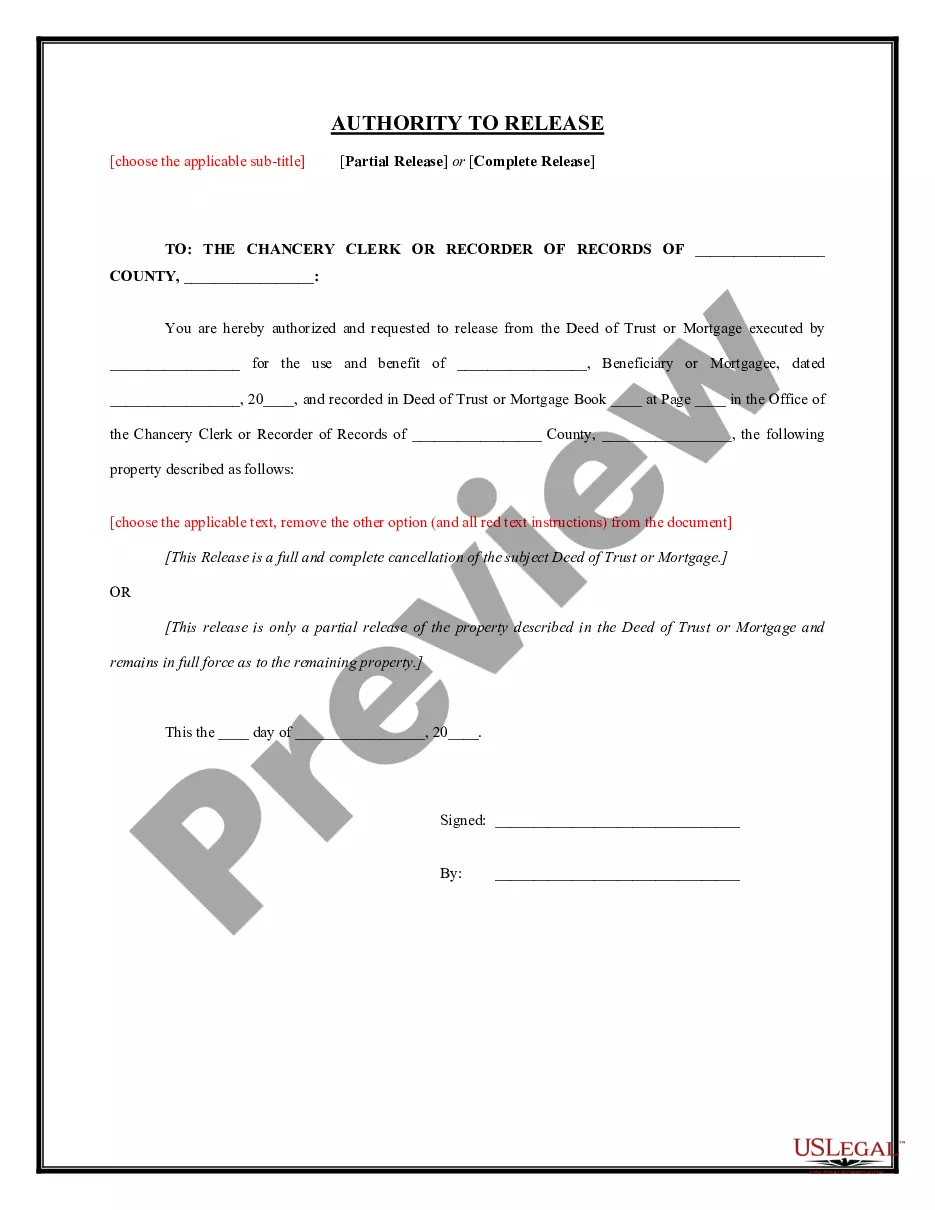
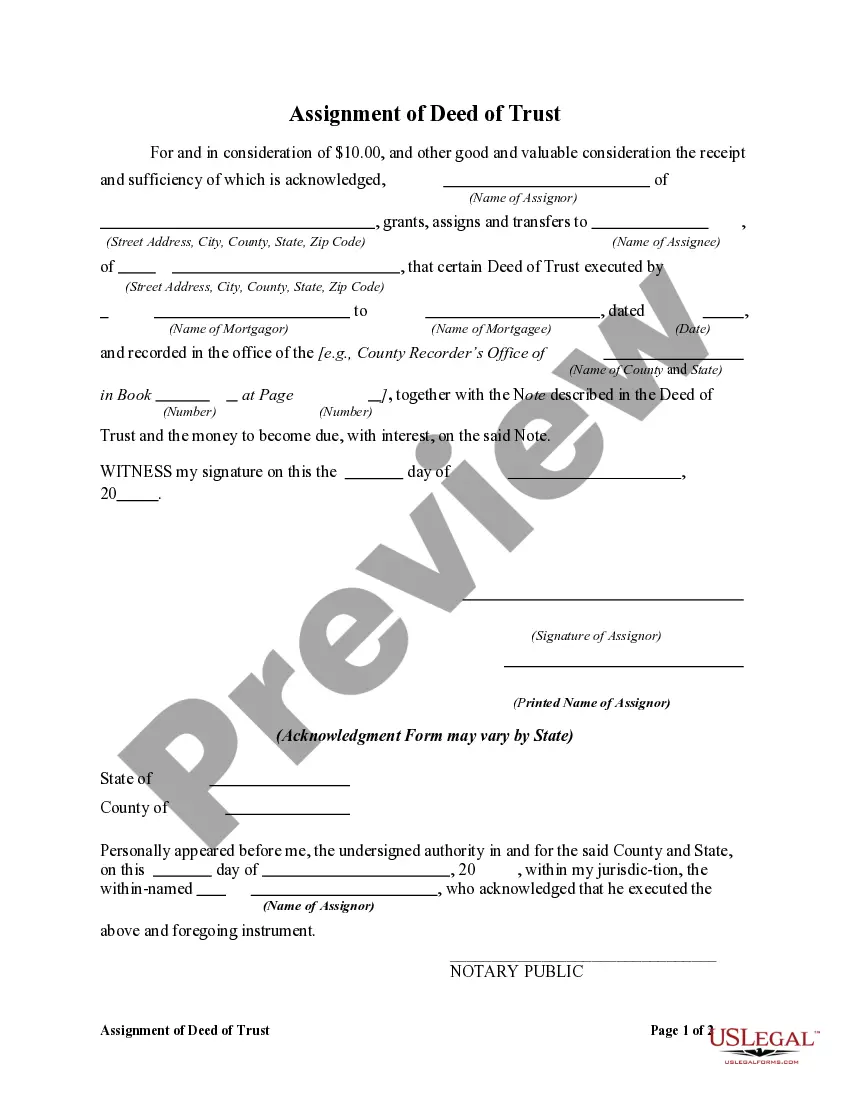

Get your form ready online
Our built-in tools help you complete, sign, share, and store your documents in one place.
Make edits, fill in missing information, and update formatting in US Legal Forms—just like you would in MS Word.
Download a copy, print it, send it by email, or mail it via USPS—whatever works best for your next step.
Sign and collect signatures with our SignNow integration. Send to multiple recipients, set reminders, and more. Go Premium to unlock E-Sign.
If this form requires notarization, complete it online through a secure video call—no need to meet a notary in person or wait for an appointment.
We protect your documents and personal data by following strict security and privacy standards.

Make edits, fill in missing information, and update formatting in US Legal Forms—just like you would in MS Word.

Download a copy, print it, send it by email, or mail it via USPS—whatever works best for your next step.

Sign and collect signatures with our SignNow integration. Send to multiple recipients, set reminders, and more. Go Premium to unlock E-Sign.

If this form requires notarization, complete it online through a secure video call—no need to meet a notary in person or wait for an appointment.

We protect your documents and personal data by following strict security and privacy standards.
Looking for another form?
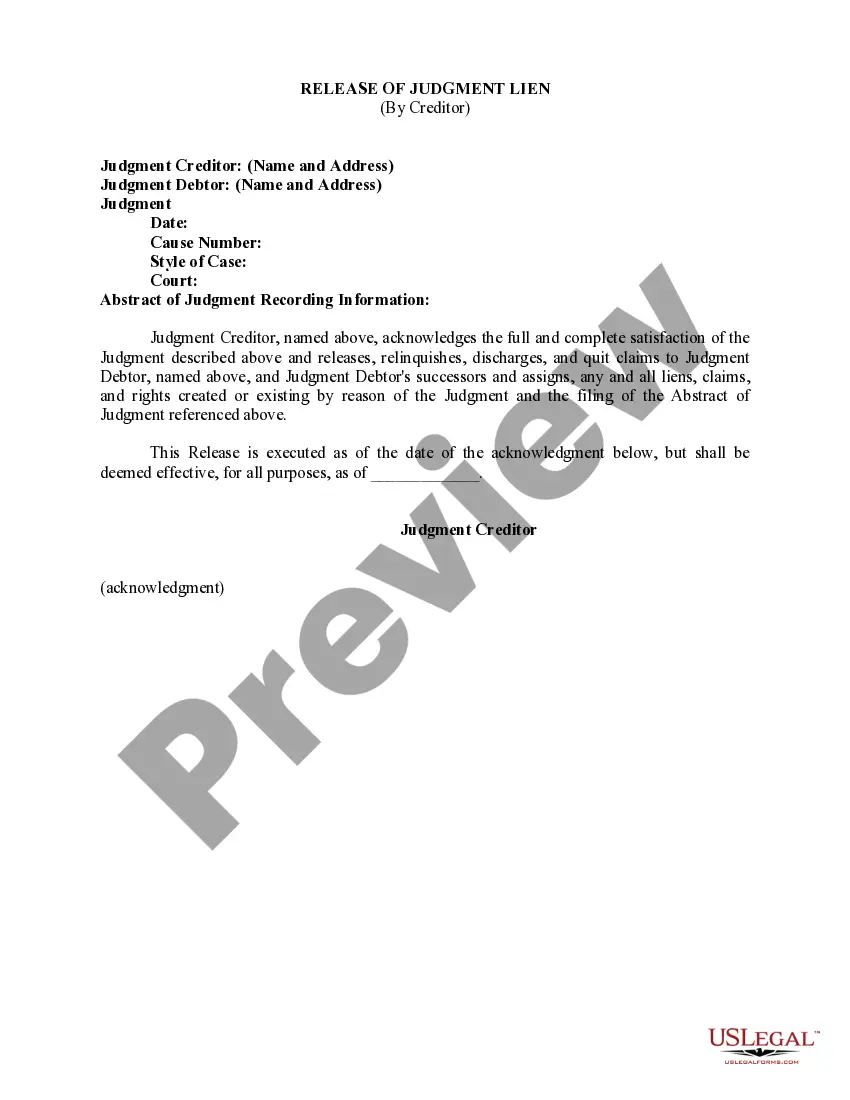


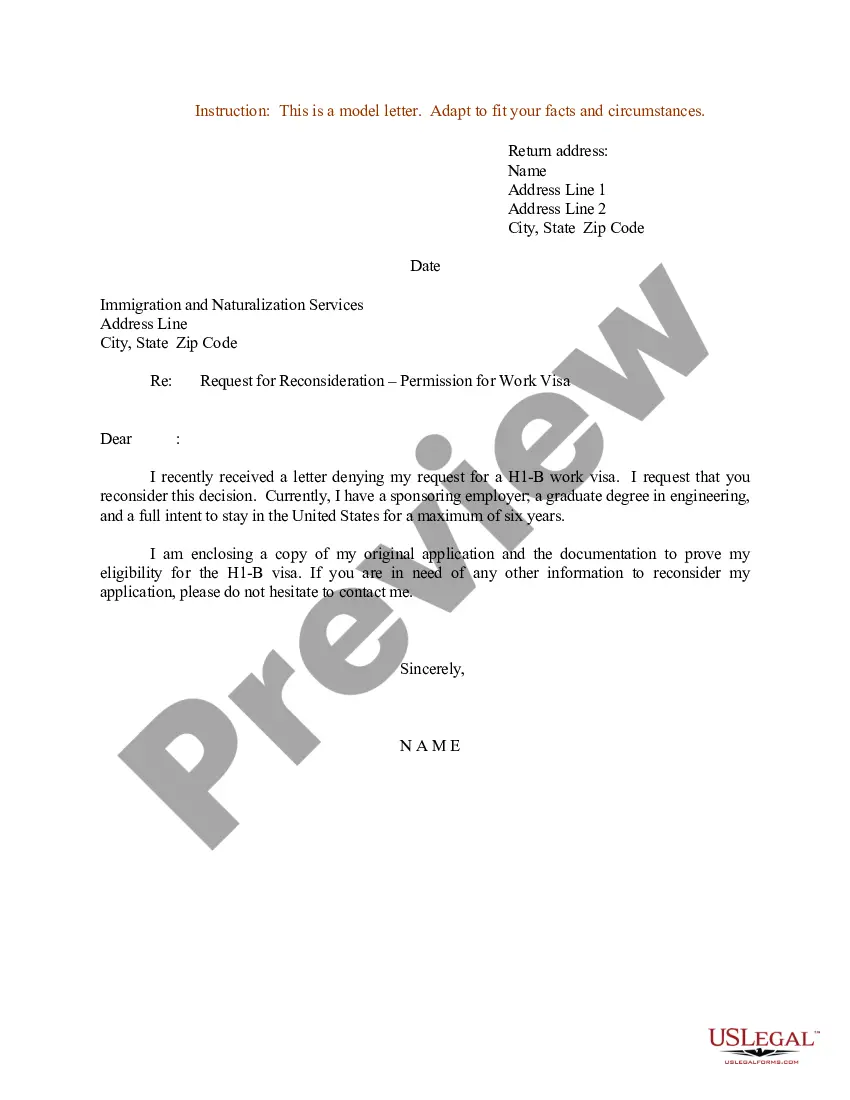






Form popularity
FAQ
Quitclaim Deed The grantor is not promising anything other than that they are giving up their own rights, if any. There are no implied warranties in connection with a quitclaim deed. This type of deed guarantees nothing and there is no expressed or implied warranty that grantor owns the property or any interest in it.
In Maryland, there are several scenarios in which a quitclaim deed might be the best choice: Transferring property to a family member without the need for a full warranty. Clearing up potential or actual claims on a property's title, such as divorces where a spouse relinquishes all rights to the property to the other.
Unlike a warranty deed that guarantees clear ownership, a quit claim deed makes no guarantees about the title's validity or potential encumbrances. It essentially transfers whatever interest the grantor has, if any, to the grantee.
Also called a non-warranty deed, a quitclaim deed conveys whatever interest the grantor currently has in the property, if any. The grantor only “remises, releases, and quitclaims” their interest in the property to the grantee. There are no warranties or promises regarding the quality of the title.
The key distinctions include: Interest transferred – A quitclaim deed conveys only the grantor's current ownership share, which may be incomplete. A warranty deed transfers the property in its entirety. Warranties and protection – Quitclaim deeds provide zero warranties or protection for the grantee.
Quitclaims, waivers, or releases by employees are generally looked upon with disfavor and are commonly frowned upon by the courts, since they are usually contrary to public policy, ineffective, and are meant to bar claims to an employee's legal rights.
Texas deeds without warranty While the deed without warranty sells and conveys the property to the buyer, it's only slightly better than a quitclaim deed. It conveys title to the buyer, but there's no warranty against any defects in the title.
