Trust Deed For Educational Institutions
Description


Get your form ready online
Our built-in tools help you complete, sign, share, and store your documents in one place.
Make edits, fill in missing information, and update formatting in US Legal Forms—just like you would in MS Word.
Download a copy, print it, send it by email, or mail it via USPS—whatever works best for your next step.
Sign and collect signatures with our SignNow integration. Send to multiple recipients, set reminders, and more. Go Premium to unlock E-Sign.
If this form requires notarization, complete it online through a secure video call—no need to meet a notary in person or wait for an appointment.
We protect your documents and personal data by following strict security and privacy standards.

Make edits, fill in missing information, and update formatting in US Legal Forms—just like you would in MS Word.

Download a copy, print it, send it by email, or mail it via USPS—whatever works best for your next step.

Sign and collect signatures with our SignNow integration. Send to multiple recipients, set reminders, and more. Go Premium to unlock E-Sign.

If this form requires notarization, complete it online through a secure video call—no need to meet a notary in person or wait for an appointment.

We protect your documents and personal data by following strict security and privacy standards.
Looking for another form?



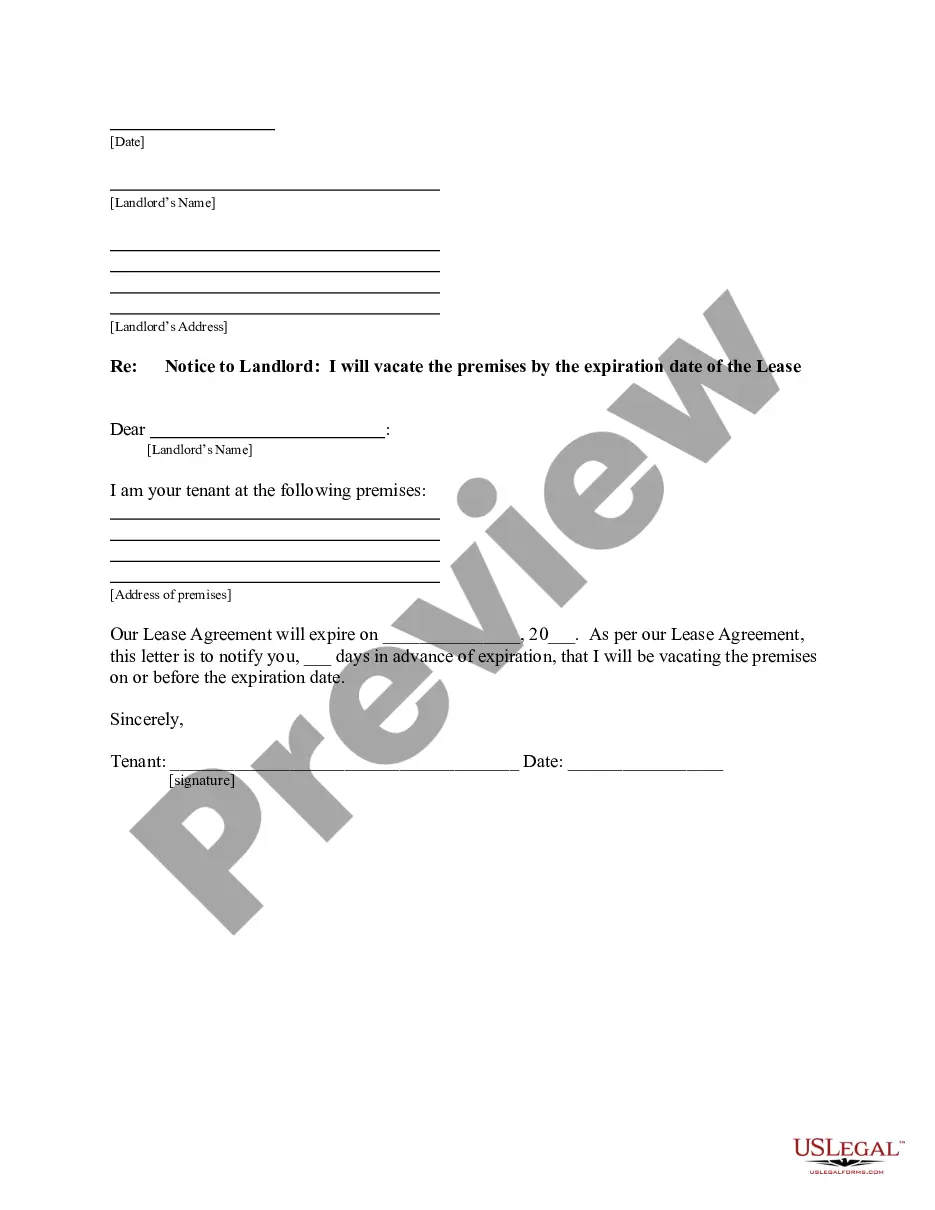
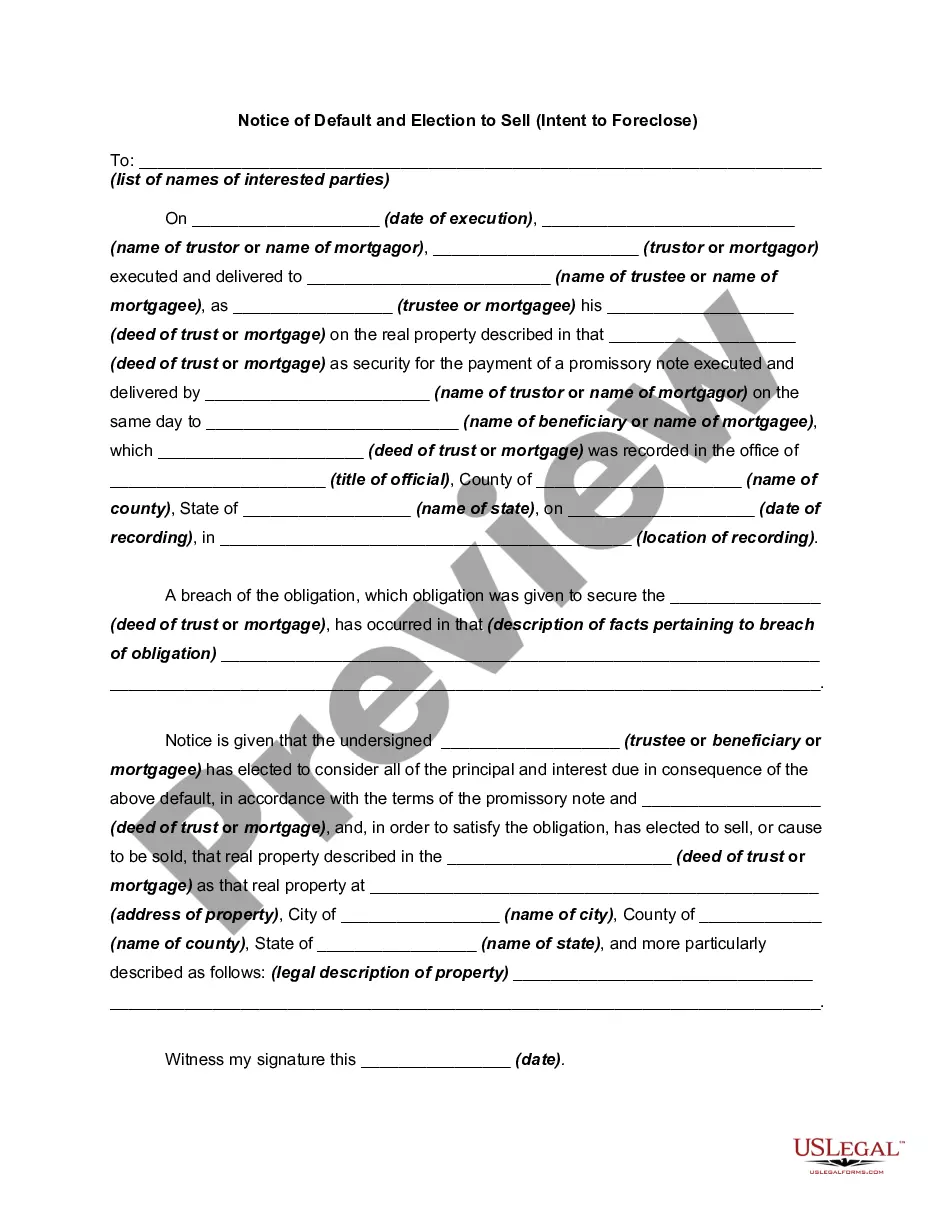
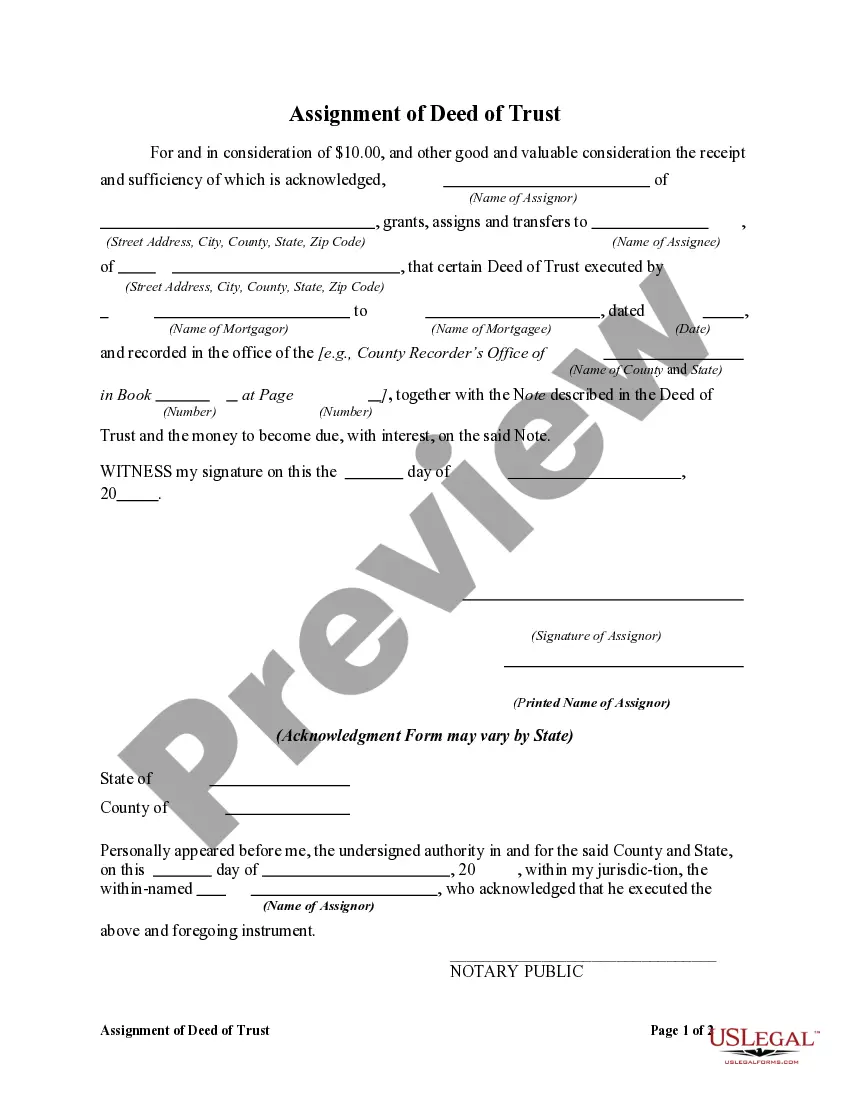
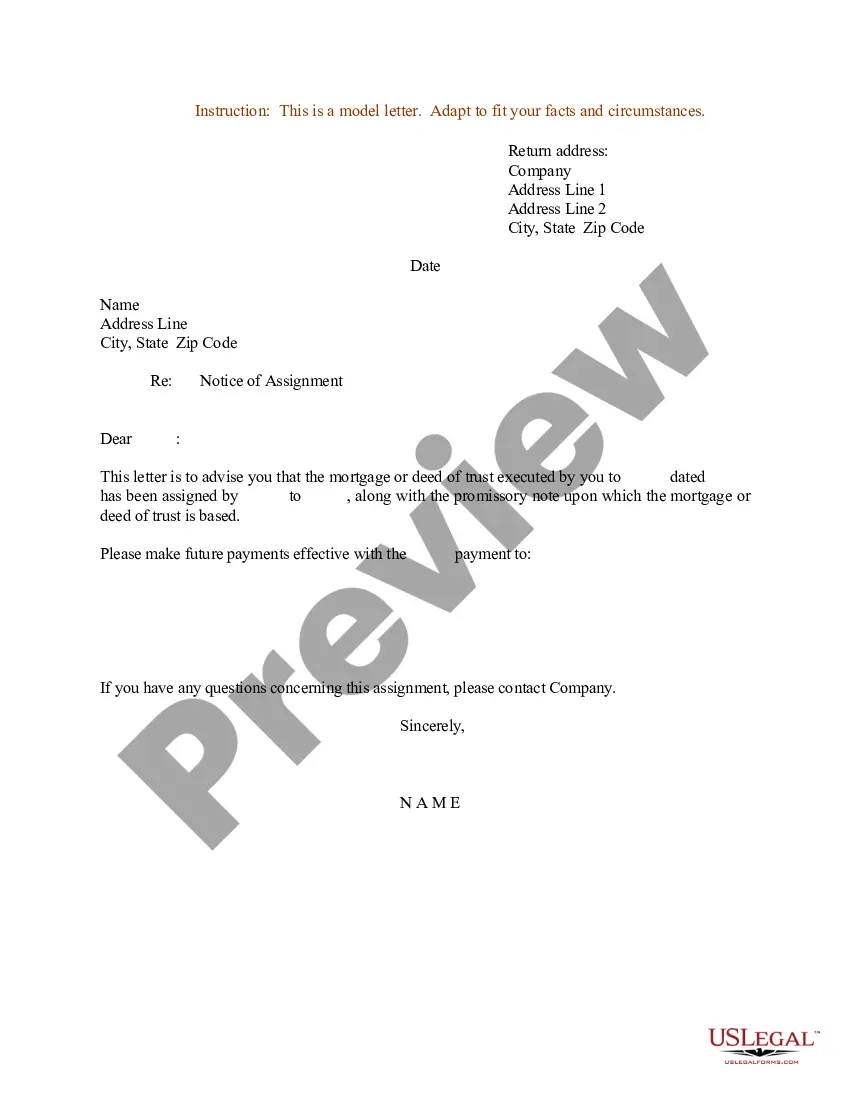
How to fill out Assignment Of Deed Of Trust?
- If you're a returning user, log in to your account and navigate to the form you need. Click the Download button to save it on your device, ensuring your subscription remains active. If it has expired, renew it as per your payment plan.
- For first-time users, start by previewing the available forms and their descriptions. Make sure you select the one that meets your specific educational requirements and complies with local laws.
- If necessary, use the Search feature to find additional templates. Ensure the document you choose accurately represents your needs before proceeding.
- Purchase your selected document by clicking on the Buy Now button. Choose a suitable subscription plan, which requires account registration to access the full library of resources.
- Complete your payment using a credit card or PayPal, finalizing the purchase of your subscription.
- Once your payment is confirmed, download the form template to your device. You can also find it later in the My Forms section of your profile.
In conclusion, US Legal Forms simplifies the process of obtaining a trust deed for educational institutions. By following these steps, you can leverage an extensive library of legal documents to ensure your institution operates smoothly and legally.
Start your journey with US Legal Forms today and experience the ease of accessing legal documents tailored to your needs.
Form popularity
FAQ
One of the biggest mistakes parents make is not clearly defining the terms of the trust deed for educational institutions. Failure to specify how funds can be used or who will manage the trust often leads to confusion and disputes. Moreover, neglecting to communicate your wishes with the beneficiaries can result in misunderstandings down the road. To avoid these pitfalls, it's crucial to work with a knowledgeable professional to establish clear guidelines.
An educational trust is a legal arrangement designed to set aside funds specifically for educational purposes. With a trust deed for educational institutions, you can designate how and when your funds will be used for the education of defined beneficiaries. This provides a structured method for ensuring that educational expenses are met, which can be incredibly beneficial in planning for your child’s future. Such trusts can also help in avoiding financial mismanagement.
An educational trust can provide significant tax advantages, especially with a properly drafted trust deed for educational institutions. Income generated by the trust may be taxed at a lower rate depending on the beneficiaries’ tax brackets. Furthermore, contributions to the trust may not be subject to gift taxes, allowing you to preserve more wealth for educational goals. This combination of tax benefits can make educational trusts an appealing option.
Choosing between a trust deed for educational institutions and a 529 plan depends on your financial goals. A trust can offer more flexibility in how funds are distributed and used compared to a 529 plan, which is specifically for education expenses. Additionally, a trust allows you to outline specific instructions for fund usage, while 529 plans have limits on investment options. Consider your unique situation when making this decision.
A declaration of trust is a formal statement acknowledging the existence of a trust, while a trust agreement is a more detailed document that outlines the specific terms of the trust. Specifically, the trust agreement provides guidelines on how the trust operates, including the duties of the trustee and the rights of the beneficiaries. Understanding these differences is crucial when creating a trust deed for educational institutions, ensuring that your intentions are clearly documented. For further clarity, the US Legal Forms platform offers templates and guidance tailored to your needs.
To write a trust deed for educational institutions, start by identifying the parties involved, including the trustee and beneficiaries. Clearly outline the purpose of the trust, the assets included, and the terms for management and distribution. It's essential to ensure that the document adheres to state laws and provides clarity on roles and responsibilities. For assistance in drafting a legally sound trust deed, consider using resources available on the US Legal Forms platform.
Setting up an educational trust involves several key steps, including identifying your beneficiaries and their educational needs. You will then need to create a trust deed for educational institutions that outlines how the funds will be managed and disbursed. Utilizing a legal service like US Legal Forms can simplify this process, as they offer customizable templates and resources to help you create a robust trust. Always consult with an attorney to ensure compliance with state laws and regulations.
Educational trusts can be either revocable or irrevocable, depending on how they are set up. Revocable trusts allow the grantor to alter or dissolve the trust at any time, while irrevocable trusts cannot be changed once established. If you choose a revocable model, it may provide greater flexibility for changing circumstances. However, consider carefully how you set it up to align with your educational funding goals.
An education trust is typically classified as a specialized type of irrevocable trust. It is designed specifically to fund the educational needs of designated beneficiaries. When you create a trust deed for educational institutions, you set specific conditions under which the funds can be used, aimed at promoting educational advancement. This structured approach can provide peace of mind, knowing that your contributions are being used appropriately.
An educational trust is not the same as a 529 plan, although both aim to support education financially. A 529 plan is a government-sponsored savings plan focused on education expenses, typically with tax advantages. In contrast, a trust deed for educational institutions can offer broader benefits, as it provides customizable terms and conditions for funds. It's essential to weigh the pros and cons of both options based on your financial situation and educational goals.