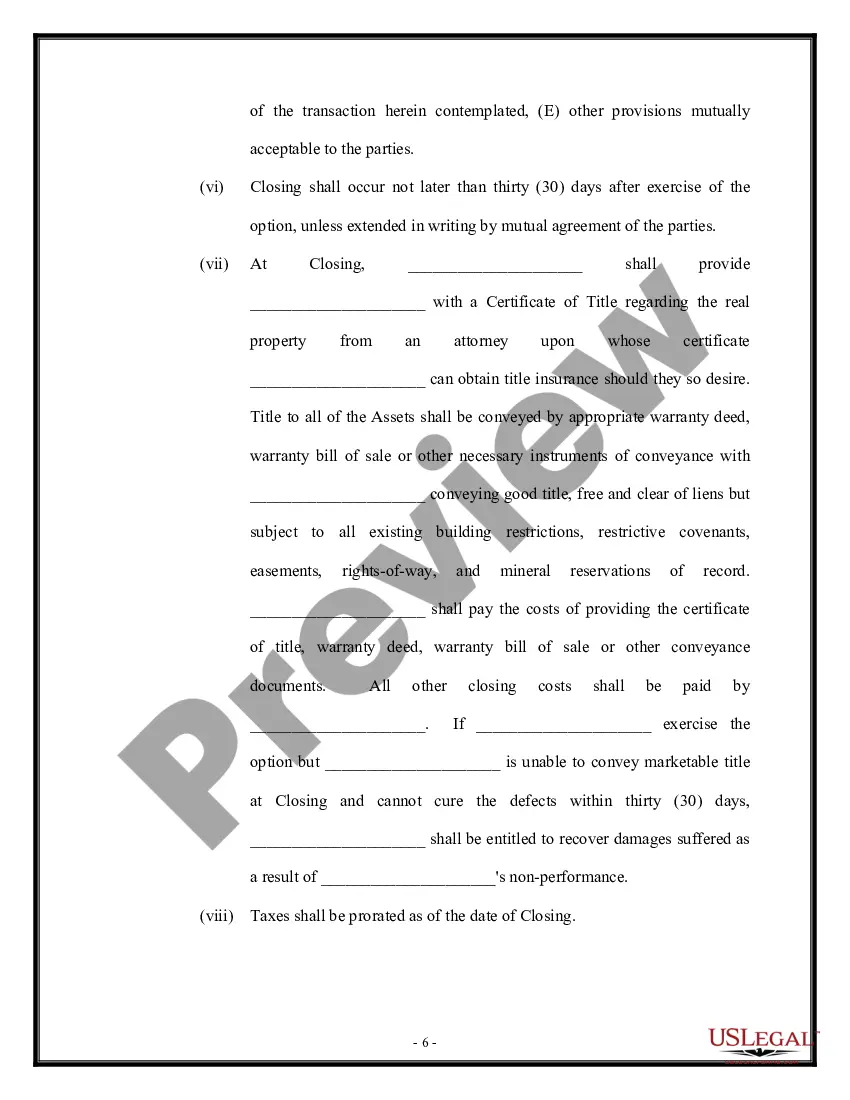
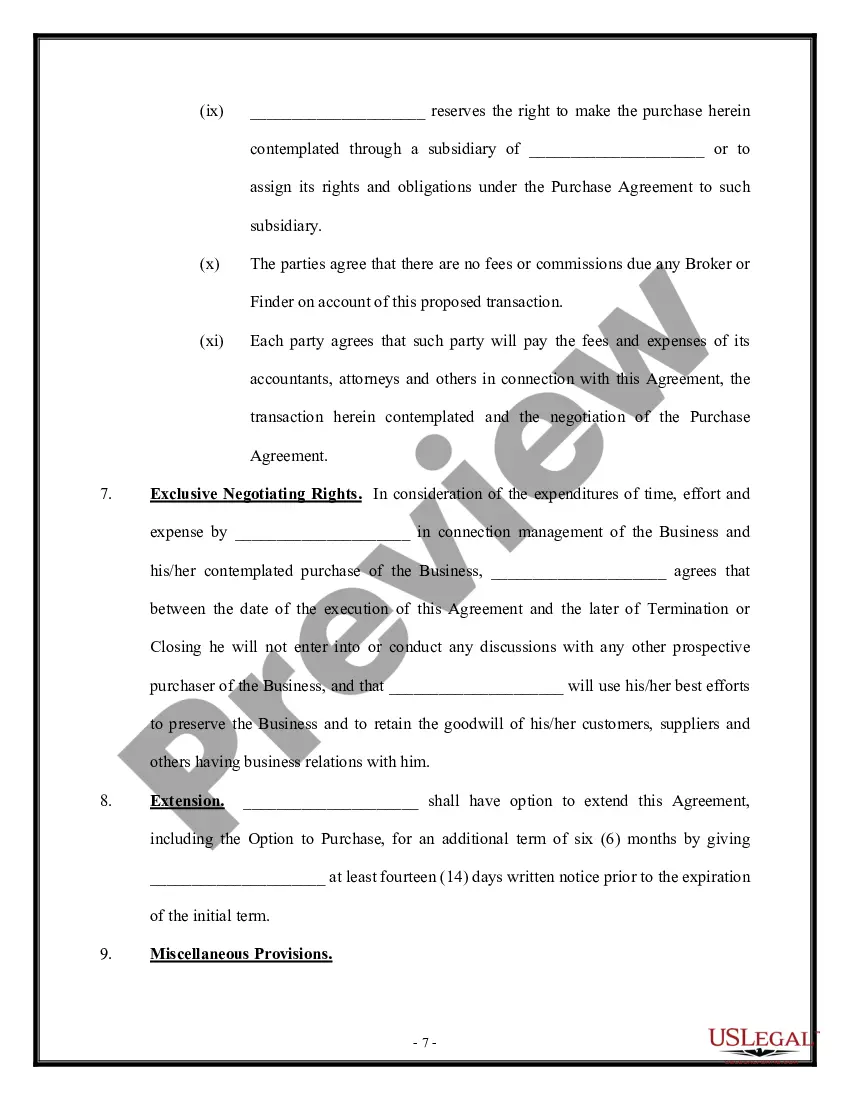
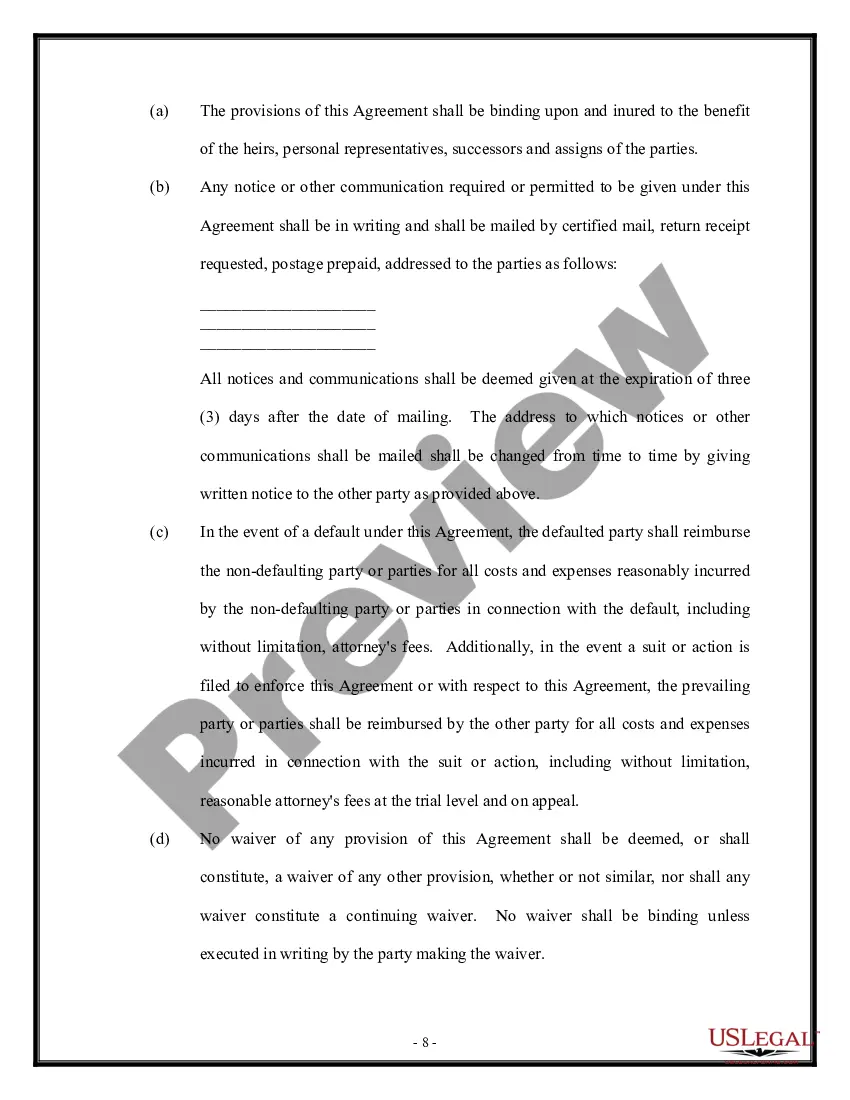
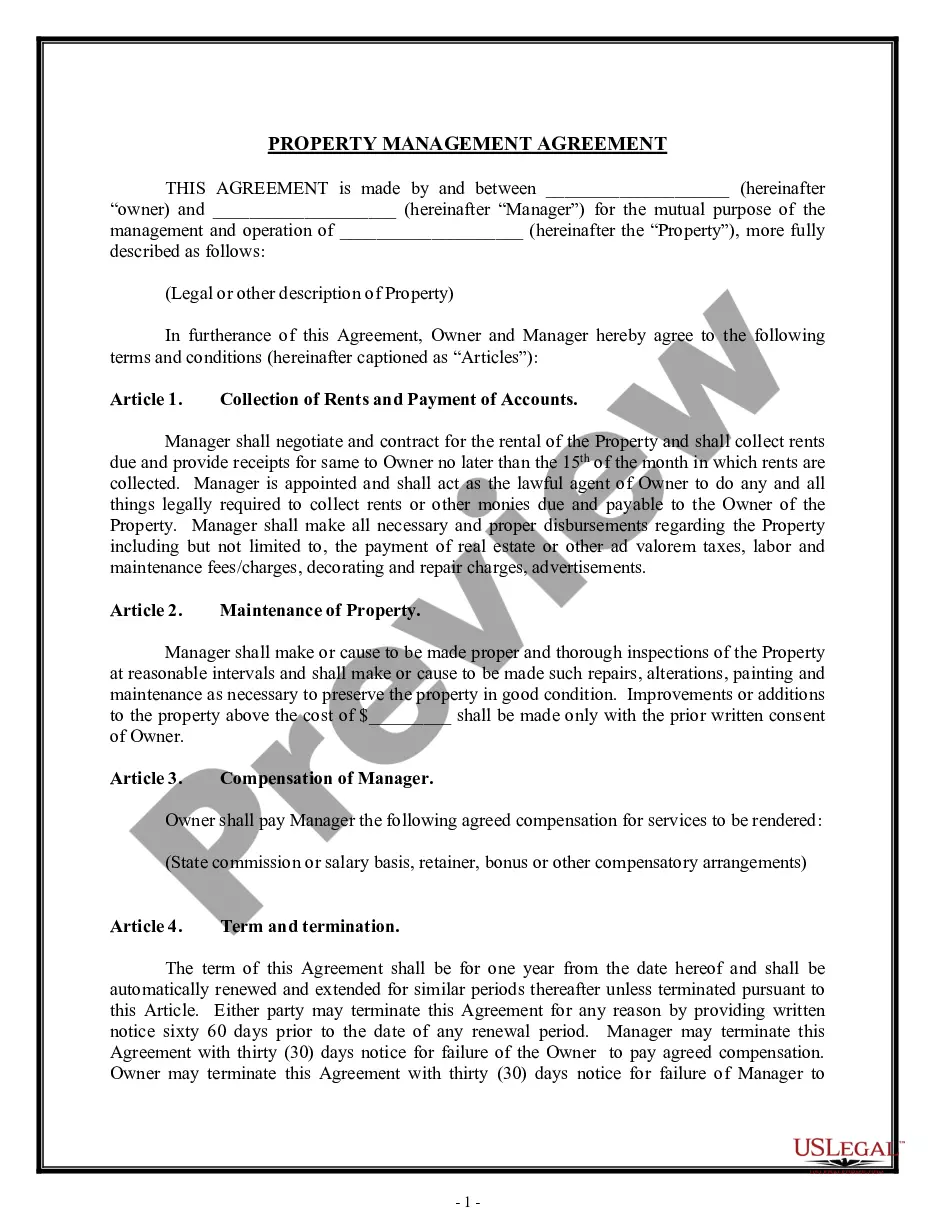
Management Option Purchase For Business In Georgia
Description

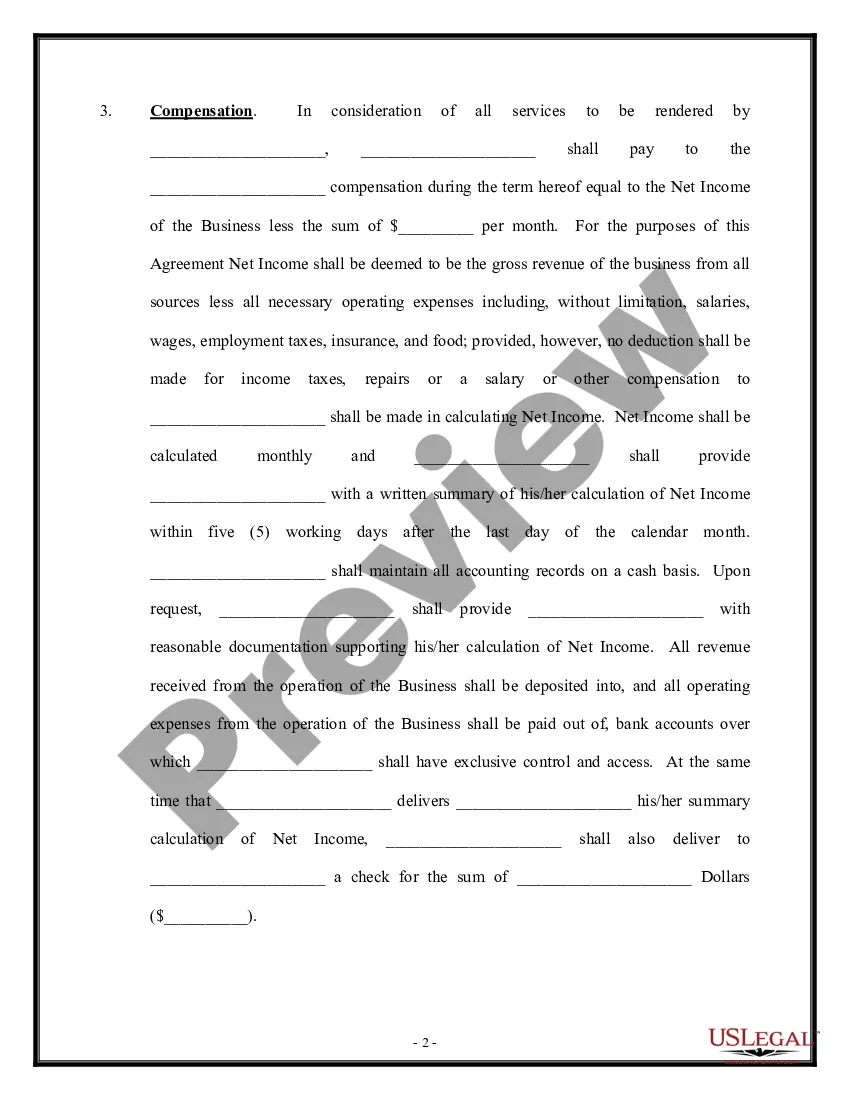
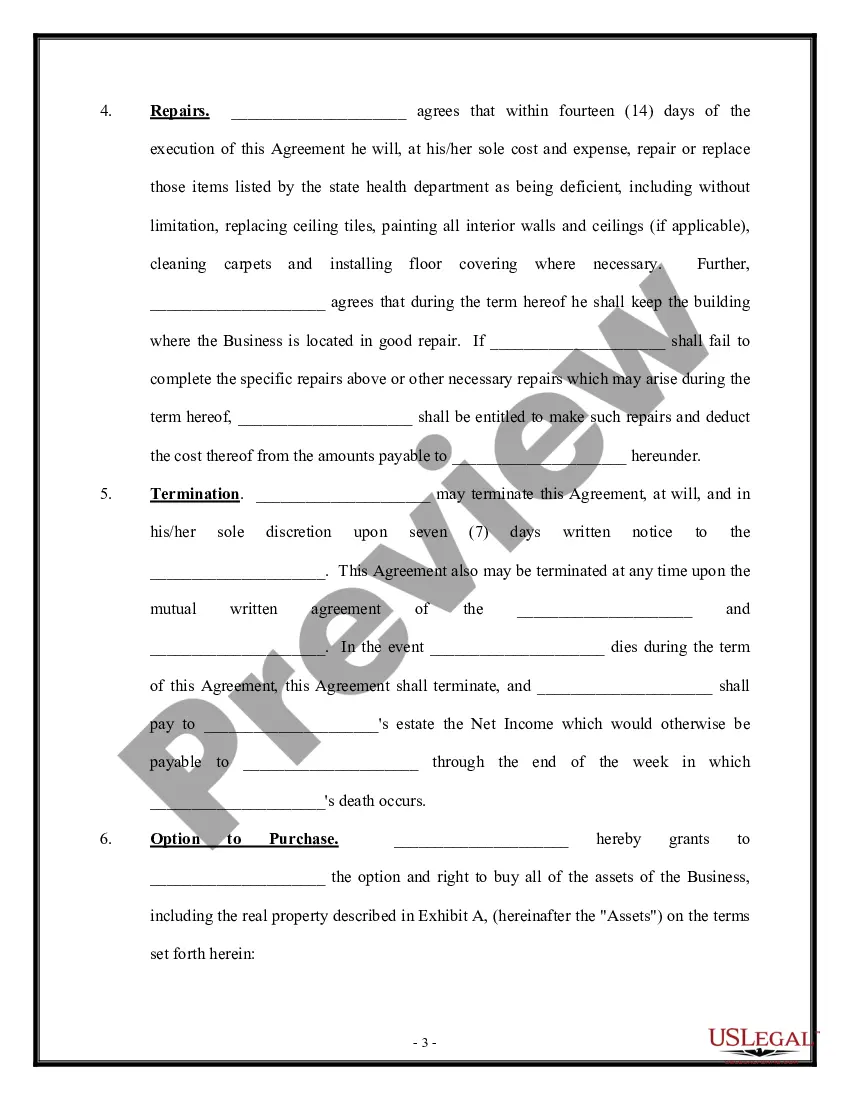
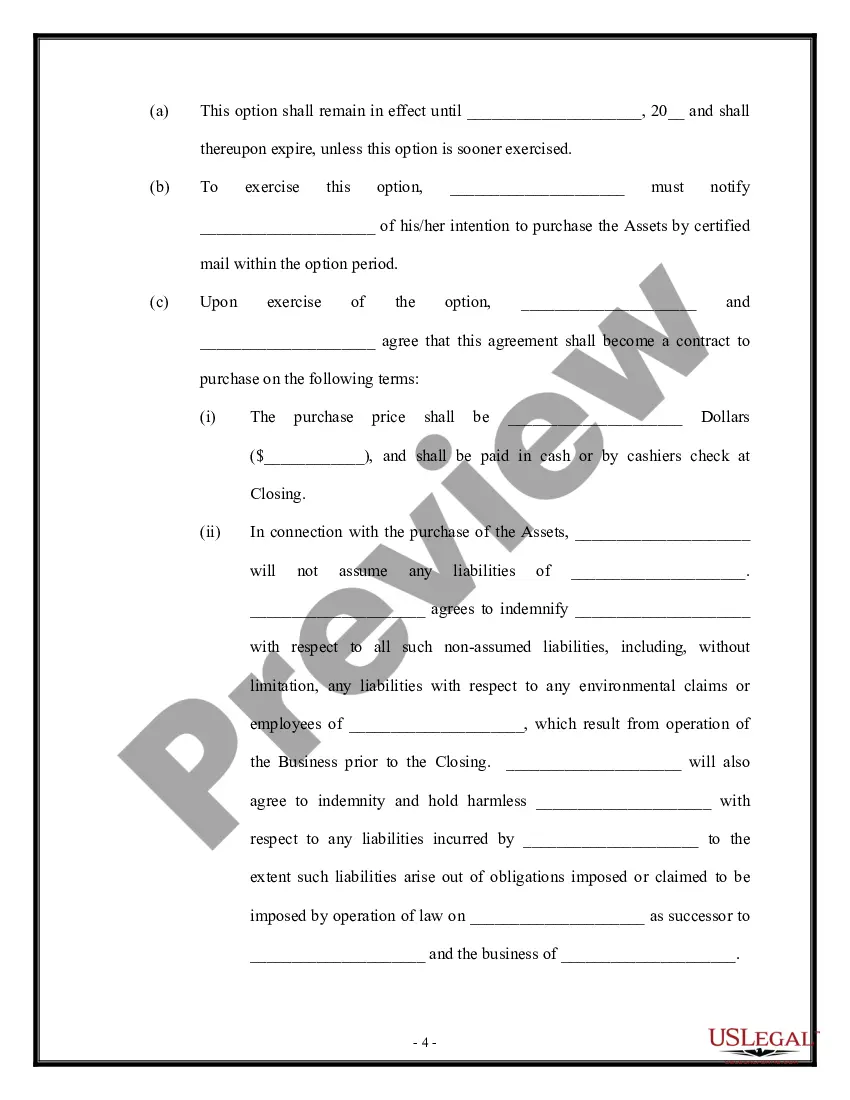
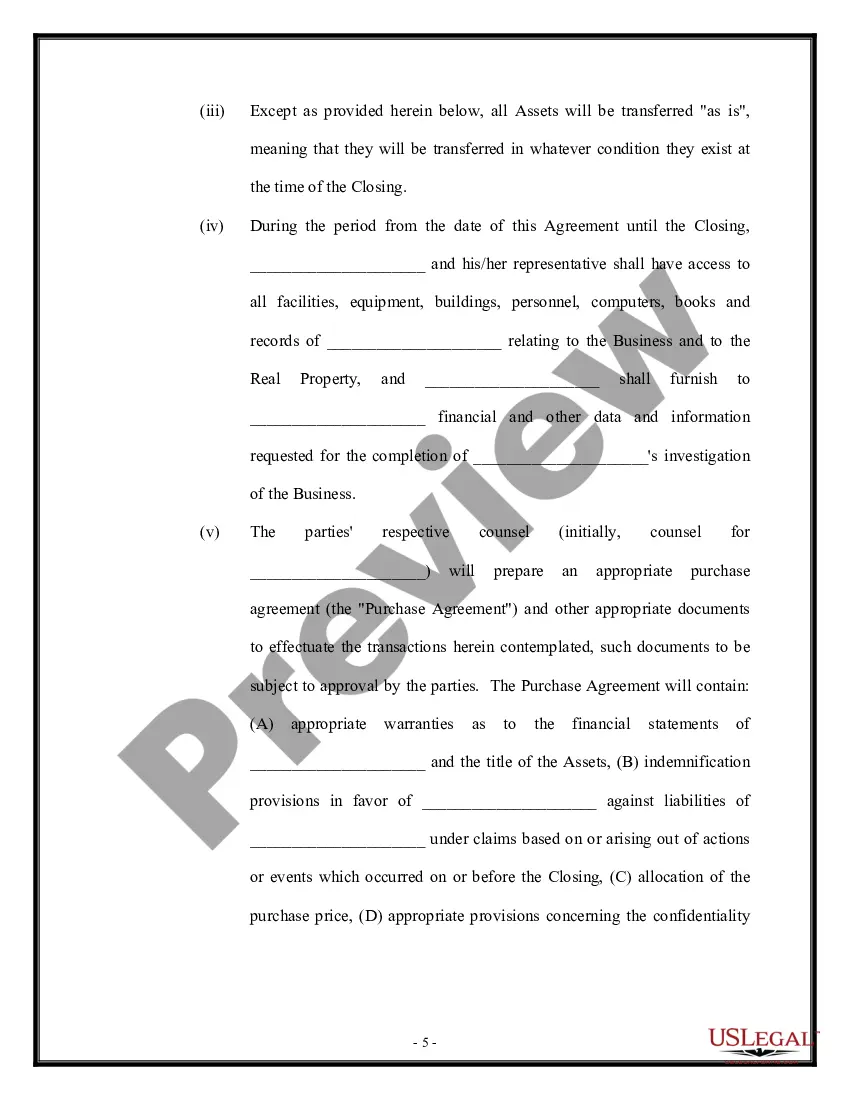
Get your form ready online
Our built-in tools help you complete, sign, share, and store your documents in one place.
Make edits, fill in missing information, and update formatting in US Legal Forms—just like you would in MS Word.
Download a copy, print it, send it by email, or mail it via USPS—whatever works best for your next step.
Sign and collect signatures with our SignNow integration. Send to multiple recipients, set reminders, and more. Go Premium to unlock E-Sign.
If this form requires notarization, complete it online through a secure video call—no need to meet a notary in person or wait for an appointment.
We protect your documents and personal data by following strict security and privacy standards.

Make edits, fill in missing information, and update formatting in US Legal Forms—just like you would in MS Word.

Download a copy, print it, send it by email, or mail it via USPS—whatever works best for your next step.

Sign and collect signatures with our SignNow integration. Send to multiple recipients, set reminders, and more. Go Premium to unlock E-Sign.

If this form requires notarization, complete it online through a secure video call—no need to meet a notary in person or wait for an appointment.

We protect your documents and personal data by following strict security and privacy standards.
Looking for another form?








Form popularity
FAQ
Here's how to get a vendor's license: Register the business name. Determine the appropriate business structure. Check federal requirements. Apply for a state vendor's license. Check local requirements. Collect sales tax. Maintain tax records. Obtain an out-of-state seller license.
Georgia defines a small business as one which is independently owned and operated and must have either fewer than 300 employees or less than $30 million in gross receipts per year.
A Georgia Vendors License can only be obtained through an authorized government agency. Depending on the type of business, where you're doing business and other specific regulations that may apply, there may be multiple government agencies that you must contact in order to get a Georgia Vendors License.
While many Georgia businesses are required to register with the Corporations Division, businesses often need local operating licenses, federal operating licenses depending on the business, and/or state-level professional licenses. In certain cases, employees may need to be individually licensed as well.
A Georgia Vendors License can only be obtained through an authorized government agency. Depending on the type of business, where you're doing business and other specific regulations that may apply, there may be multiple government agencies that you must contact in order to get a Georgia Vendors License.
A vendor license may be a basic business license, a tax registration, or a vendor/contractor for a government agency. A vendor license may be a type of basic business license that a person or company needs to obtain before they can sell their goods or services within a certain jurisdiction.
If you open an LLC in California, the state will also require you to submit an "Application for Change in Ownership" form. You can find this form on the California Secretary of State website under Corporations Forms, or you can consult your lawyer.
How to Transfer Ownership of a Georgia LLC Consult Your Georgia LLC Operating Agreement. When transferring LLC ownership, it's crucial that you follow the policies in your operating agreement. Vote to Transfer Membership Interest. Amend Your Operating Agreement. Change the IRS Responsible Party.
Georgia law regarding limited liability companies (“LLCs”) requires only the listing of the registered agent. Thus, members or managers for LLCs are not listed and there is no procedure to “change” them by filing with the Secretary of State.
Can I Be My Own Registered Agent in Georgia? Yes, you have the option to designate yourself as a registered agent. It's important to note that you must be available at the registered office throughout standard business hours, and your personal information will enter the public record.
