Secured Debt Any With A Sinking Fund In Hennepin
Description

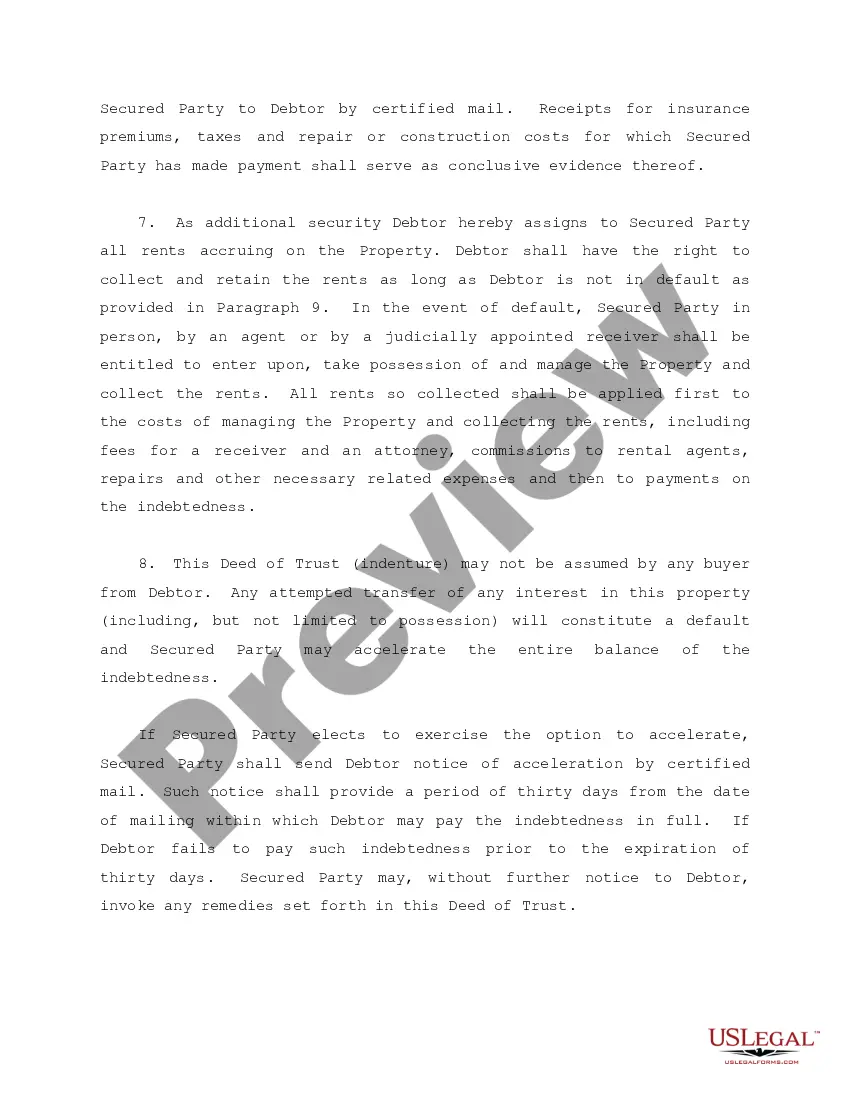
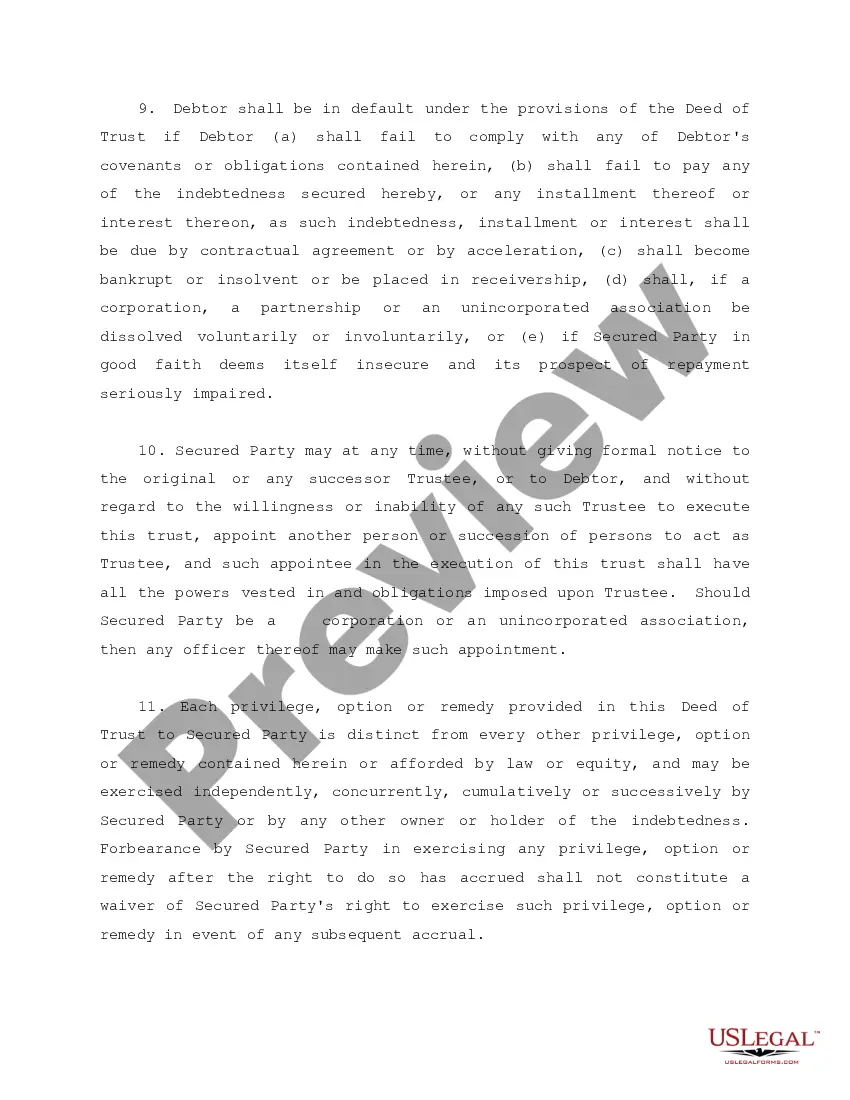
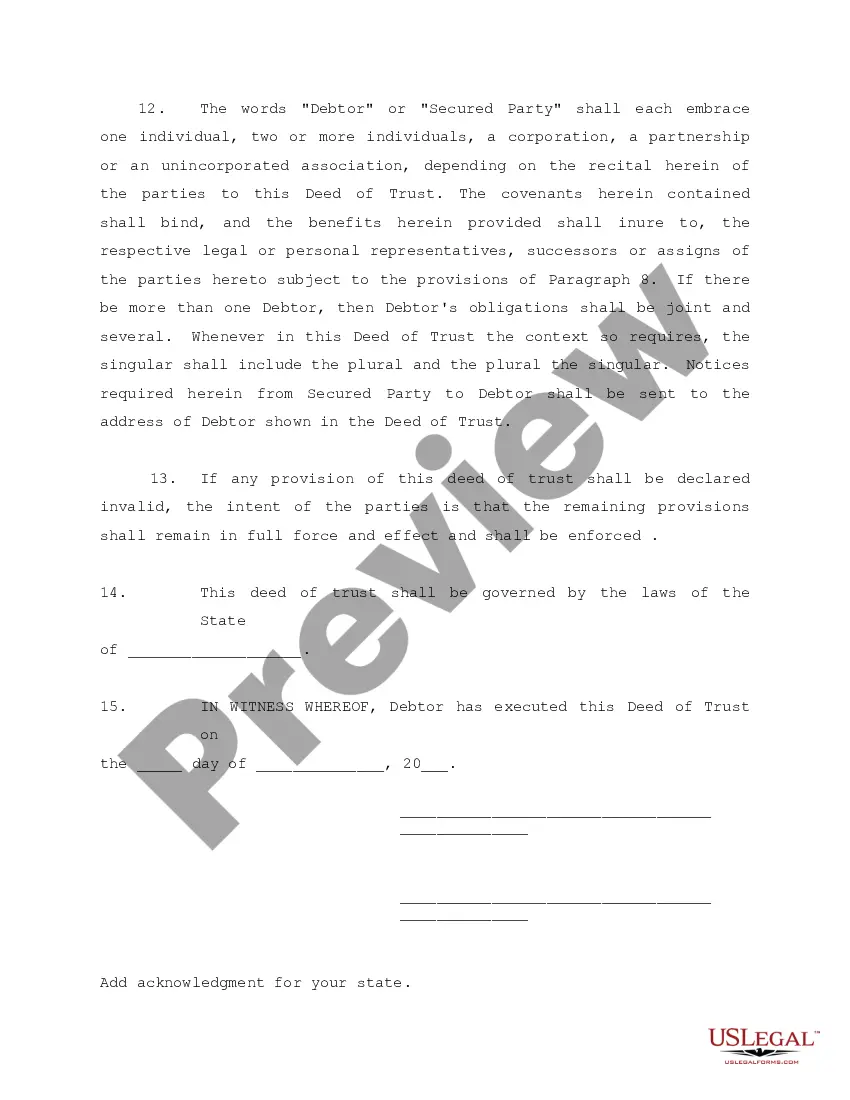
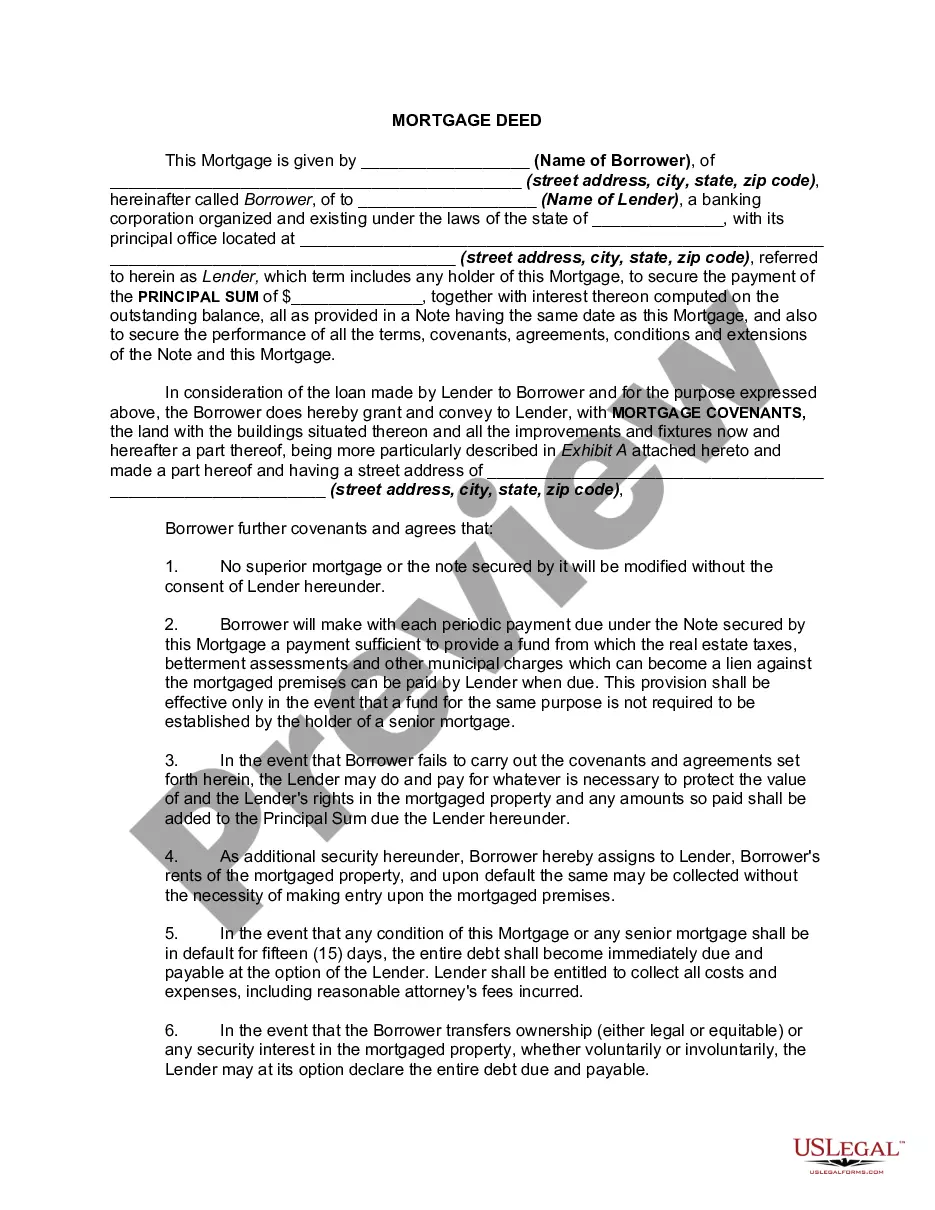

Get your form ready online
Our built-in tools help you complete, sign, share, and store your documents in one place.
Make edits, fill in missing information, and update formatting in US Legal Forms—just like you would in MS Word.
Download a copy, print it, send it by email, or mail it via USPS—whatever works best for your next step.
Sign and collect signatures with our SignNow integration. Send to multiple recipients, set reminders, and more. Go Premium to unlock E-Sign.
If this form requires notarization, complete it online through a secure video call—no need to meet a notary in person or wait for an appointment.
We protect your documents and personal data by following strict security and privacy standards.

Make edits, fill in missing information, and update formatting in US Legal Forms—just like you would in MS Word.

Download a copy, print it, send it by email, or mail it via USPS—whatever works best for your next step.

Sign and collect signatures with our SignNow integration. Send to multiple recipients, set reminders, and more. Go Premium to unlock E-Sign.

If this form requires notarization, complete it online through a secure video call—no need to meet a notary in person or wait for an appointment.

We protect your documents and personal data by following strict security and privacy standards.
Looking for another form?










Form popularity
FAQ
I is the interest rate per period the nominal rate divided by periods per year and n is the numberMoreI is the interest rate per period the nominal rate divided by periods per year and n is the number of periods. Years. Times period per year.
Disadvantages of Sinking Funds Limited Flexibility. Funds set aside in a sinking fund are typically not accessible for other purposes, limiting financial flexibility. Potential Shortfall.
Example of a Sinking Bond On the anniversary date of each bond being issued, the company withdraws $1 million from the sinking fund and calls 5% of its bonds. Because the sinking fund adds stability to the repayment process, the ratings agencies rate the bonds as AAA and reduce the interest rate from 6.3% to 6%.
Sinking funds typically earn interest, while amortization involves paying interest. If the interest rate on your debt is high, then paying it off through amortization may be the best choice.
For example, a company may pledge real estate or equipment as collateral for a secured bond. Sinking fund bonds, on the other hand, are bonds where the issuer sets aside funds over time to repay the principal amount at maturity. They are not the same as secured bonds.
