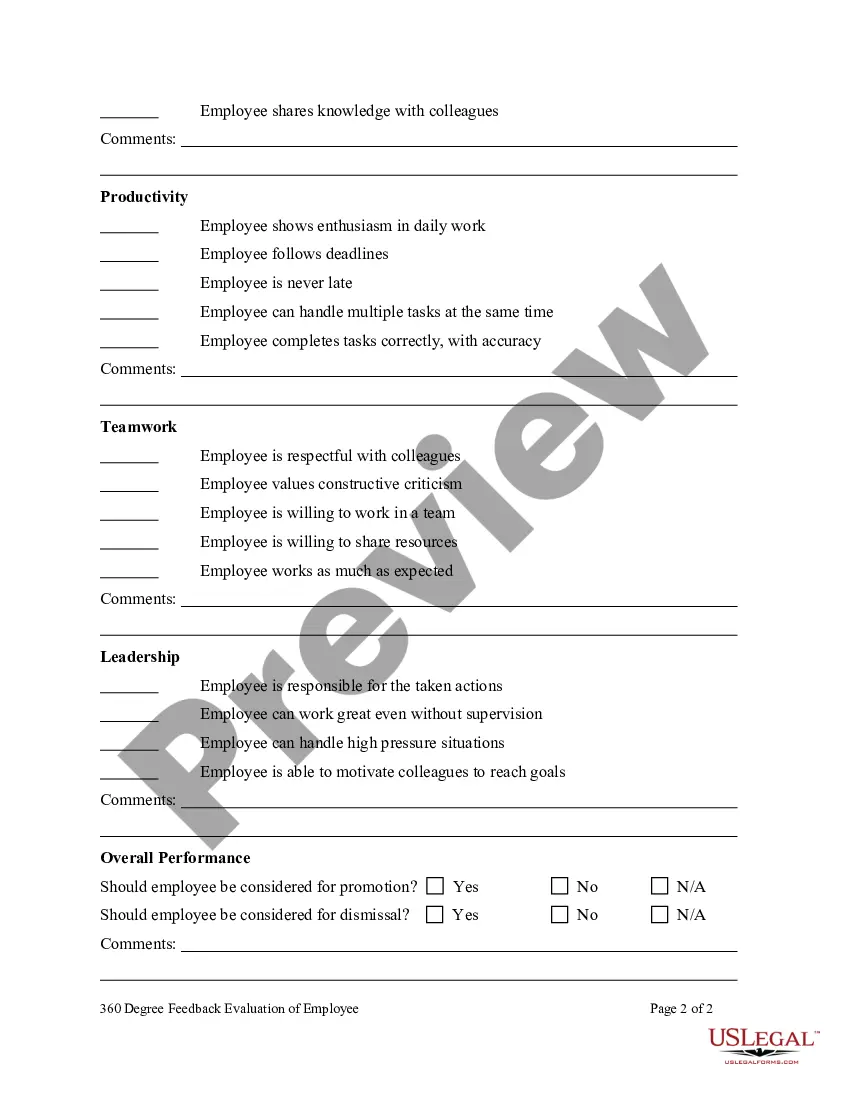
360 Feedback Examples In Nassau
Description

Get your form ready online
Our built-in tools help you complete, sign, share, and store your documents in one place.
Make edits, fill in missing information, and update formatting in US Legal Forms—just like you would in MS Word.
Download a copy, print it, send it by email, or mail it via USPS—whatever works best for your next step.
Sign and collect signatures with our SignNow integration. Send to multiple recipients, set reminders, and more. Go Premium to unlock E-Sign.
If this form requires notarization, complete it online through a secure video call—no need to meet a notary in person or wait for an appointment.
We protect your documents and personal data by following strict security and privacy standards.

Make edits, fill in missing information, and update formatting in US Legal Forms—just like you would in MS Word.

Download a copy, print it, send it by email, or mail it via USPS—whatever works best for your next step.

Sign and collect signatures with our SignNow integration. Send to multiple recipients, set reminders, and more. Go Premium to unlock E-Sign.

If this form requires notarization, complete it online through a secure video call—no need to meet a notary in person or wait for an appointment.

We protect your documents and personal data by following strict security and privacy standards.
Looking for another form?







Form popularity
FAQ
"This person is very confident in their role as group leader. They can get the most out of everyone on the team." "This person is highly effective at leading work groups and able to resolve conflicts among participants." "This person is fair and treats every employee in the team equally and respectfully."
The four integral components of a 360-degree appraisal include the following: Self-appraisal. Subordinate's appraisal. Superior's appraisal. Peer appraisal.
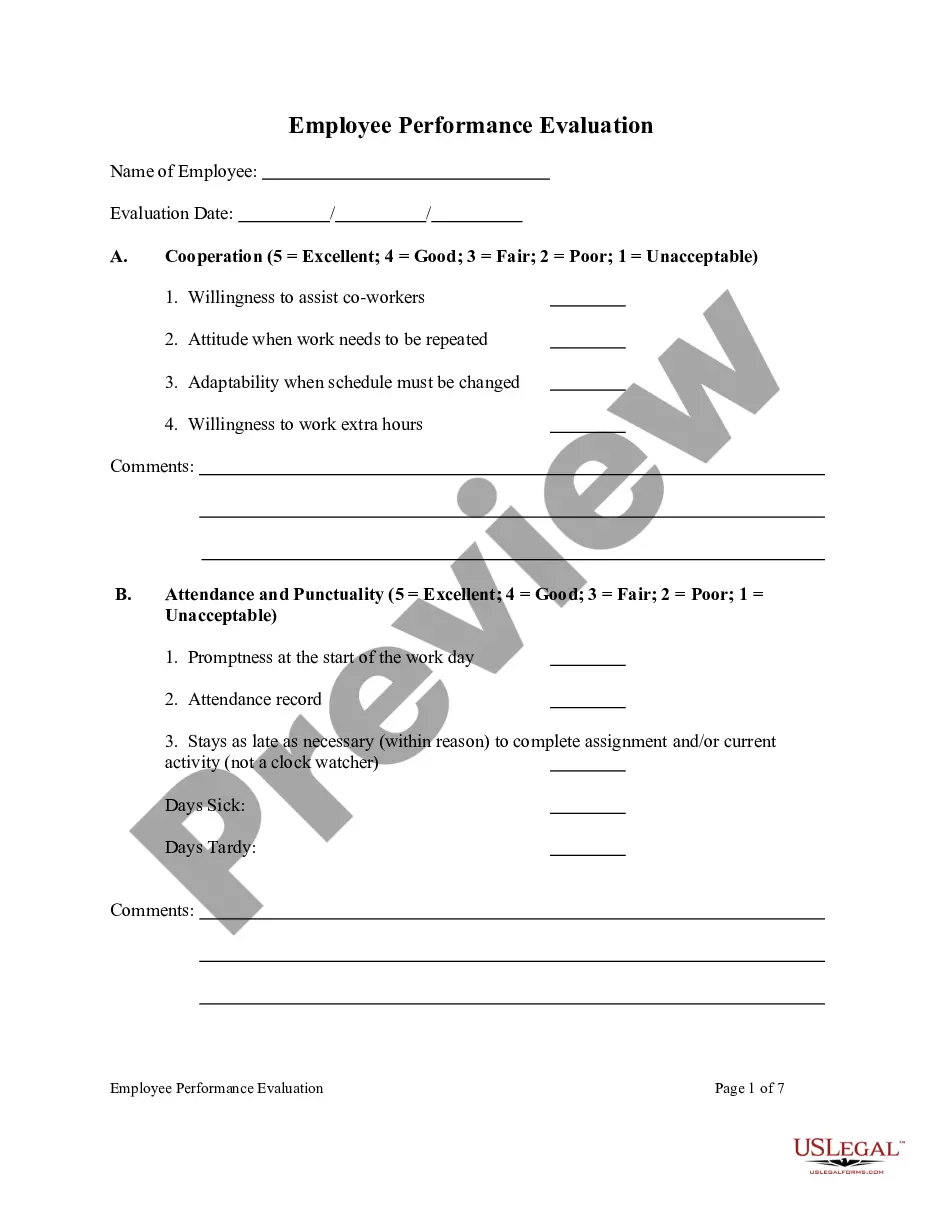
A 360 performance review measures employee performance typically using feedback from six to 12 people. It also includes an employee self-evaluation to provide a comprehensive look at an employee's efficiency, productivity, contributions and work behavior.
The components of 360-degree feedback encompass various sources of input, each serving a unique purpose. Typically, the feedback process includes self-assessment, where employees evaluate their performance. It also involves peer feedback, where colleagues provide insights based on their interactions.
These close-ended questions are useful for adding to management 360 feedback reviews, to ask relevant questions for this particular role. Does the manager work in a respectful manner to others? Does the manager consider other team members' opinions before making a decision? Does the manager effectively solve problems?
A 360 performance review measures employee performance typically using feedback from six to 12 people. It also includes an employee self-evaluation to provide a comprehensive look at an employee's efficiency, productivity, contributions and work behavior.
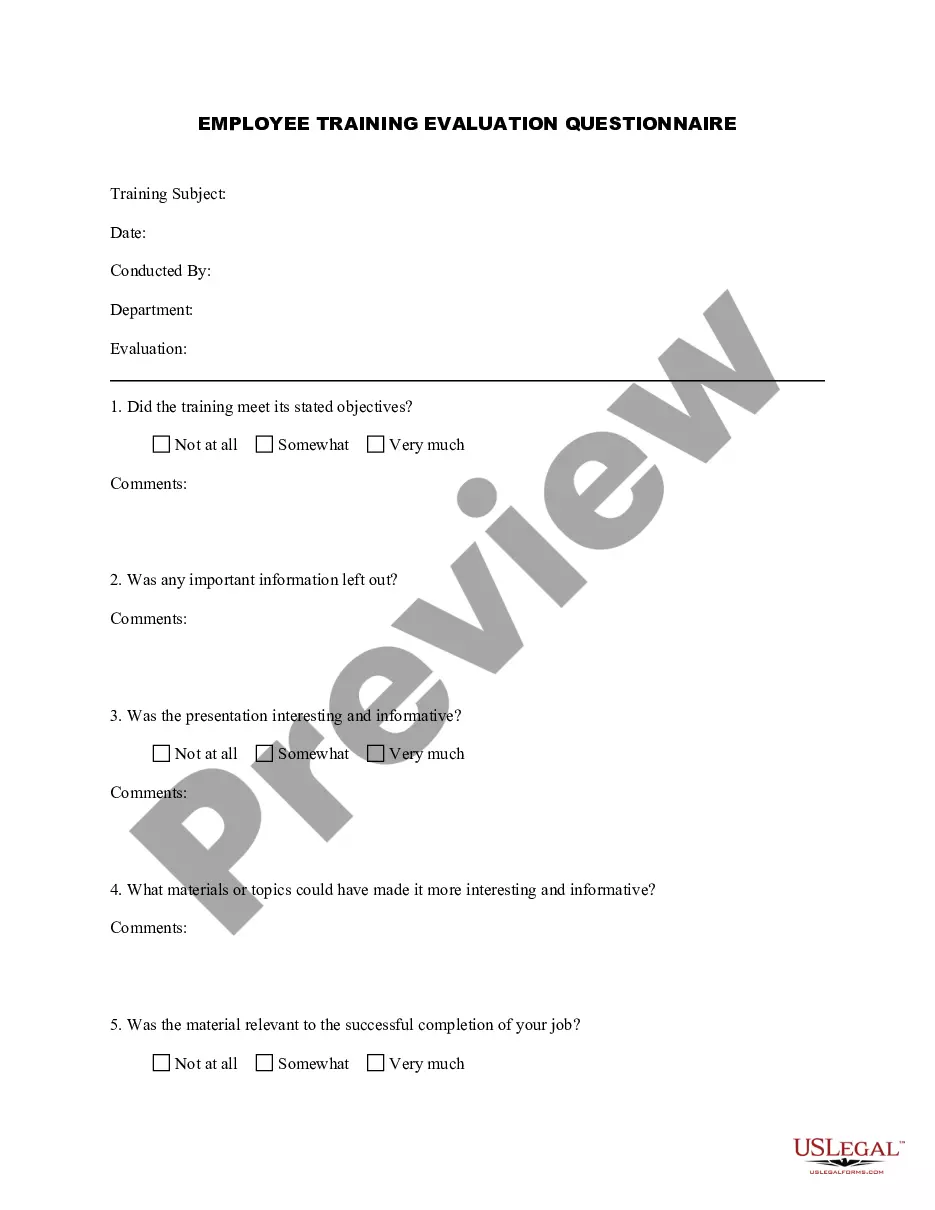
10 Open-Ended 360-Degree Feedback Questions What would you say are this person's strengths? What is one thing this employee should start doing? What is one thing this employee should continue doing? What is one thing this employee should stop doing? How well does this person manage their time and workload?
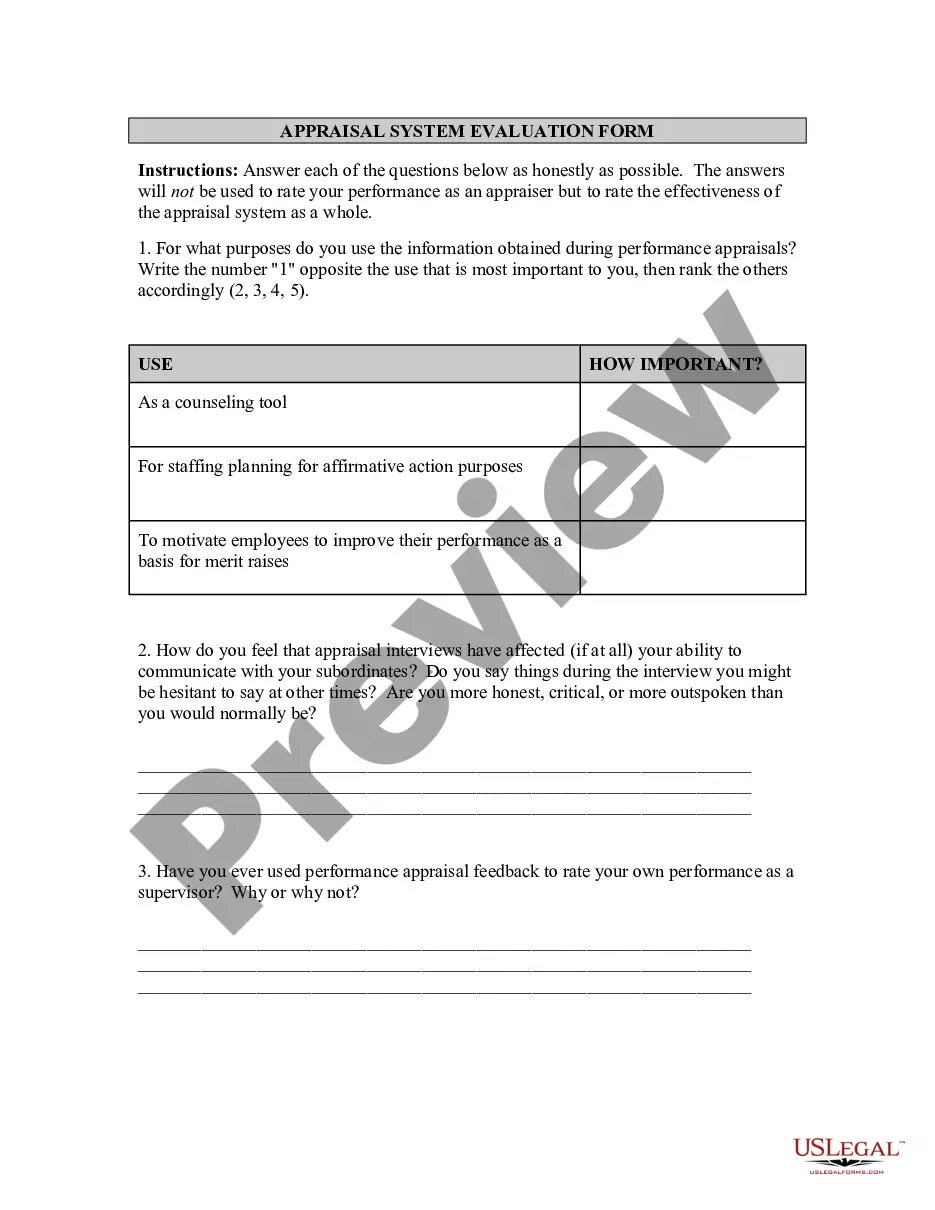
How effective is 360-degree feedback? If designed and implemented correctly, a 360-degree feedback system can have a positive impact on employee performance by providing constructive input from a well-rounded group of sources that improves effectiveness and strengthens accountability and teamwork.
Positive 360 feedback examples Your collaborative spirit in sharing knowledge with new hires sets an example for the rest of the team. Your willingness to help has streamlined our onboarding process and enabled us to create a culture of mutual support. The approach you have to resolving conflicts is commendable.
360-degree feedback (sometimes called 360 feedback) is feedback given to an employee from multiple sources as a form of performance management. These sources are typically colleagues, peers, direct reports, and/or clients.