360 Review Examples In Maryland
Description

Get your form ready online
Our built-in tools help you complete, sign, share, and store your documents in one place.
Make edits, fill in missing information, and update formatting in US Legal Forms—just like you would in MS Word.
Download a copy, print it, send it by email, or mail it via USPS—whatever works best for your next step.
Sign and collect signatures with our SignNow integration. Send to multiple recipients, set reminders, and more. Go Premium to unlock E-Sign.
If this form requires notarization, complete it online through a secure video call—no need to meet a notary in person or wait for an appointment.
We protect your documents and personal data by following strict security and privacy standards.

Make edits, fill in missing information, and update formatting in US Legal Forms—just like you would in MS Word.

Download a copy, print it, send it by email, or mail it via USPS—whatever works best for your next step.

Sign and collect signatures with our SignNow integration. Send to multiple recipients, set reminders, and more. Go Premium to unlock E-Sign.

If this form requires notarization, complete it online through a secure video call—no need to meet a notary in person or wait for an appointment.

We protect your documents and personal data by following strict security and privacy standards.
Looking for another form?









Form popularity
FAQ
When giving constructive feedback to your manager, you might want to include topics such as effective time management strategies, and being more open to communication so the team is more in sync. “You manage your time well. Sharing your time management strategies with the team could improve our overall productivity.”
360 Degree Feedback Examples for Collaboration “Tom consistently offers to help with tasks outside of his responsibilities, showcasing his commitment to the team.” “Lily could improve her collaboration by actively seeking input from others and incorporating their ideas.”
Feedback Examples for Managers - Ways to Say Thank You: “Thanks so much for helping me set clear, actionable goals for myself this year. Your guidance really kept me on the right track.” 2. “I can't thank you enough for your encouragement and support.”
Example: “Thanks for being someone I can always rely on, John. We've been helping each other out since we started training together, and it's made such a huge difference during my time here.” Giving positive feedback to your direct reports and company leaders is important, but don't neglect peer-to-peer recognition.
What are some examples of positive feedback for managers? Recognition of leadership: "Your leadership during the project was outstanding. Team appreciation: "The team is motivated and engaged, thanks to your positive influence. Problem-solving skills: "Your ability to address challenges is commendable.
Be detailed, specific, and honest There's no rule against only writing a handful of words in a review, but the more specific you can be, the more likely the review is to be useful. We suggest writing from your own individual perspective, keeping it honest and sticking to the facts.
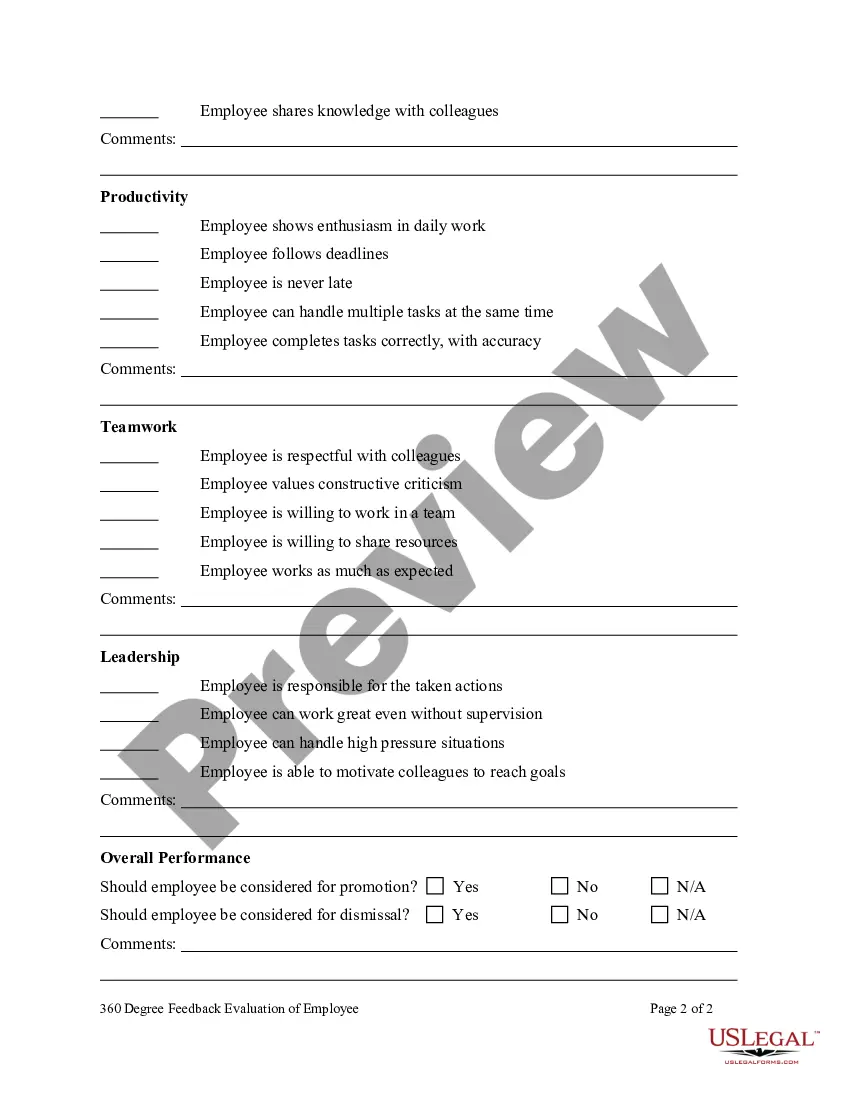
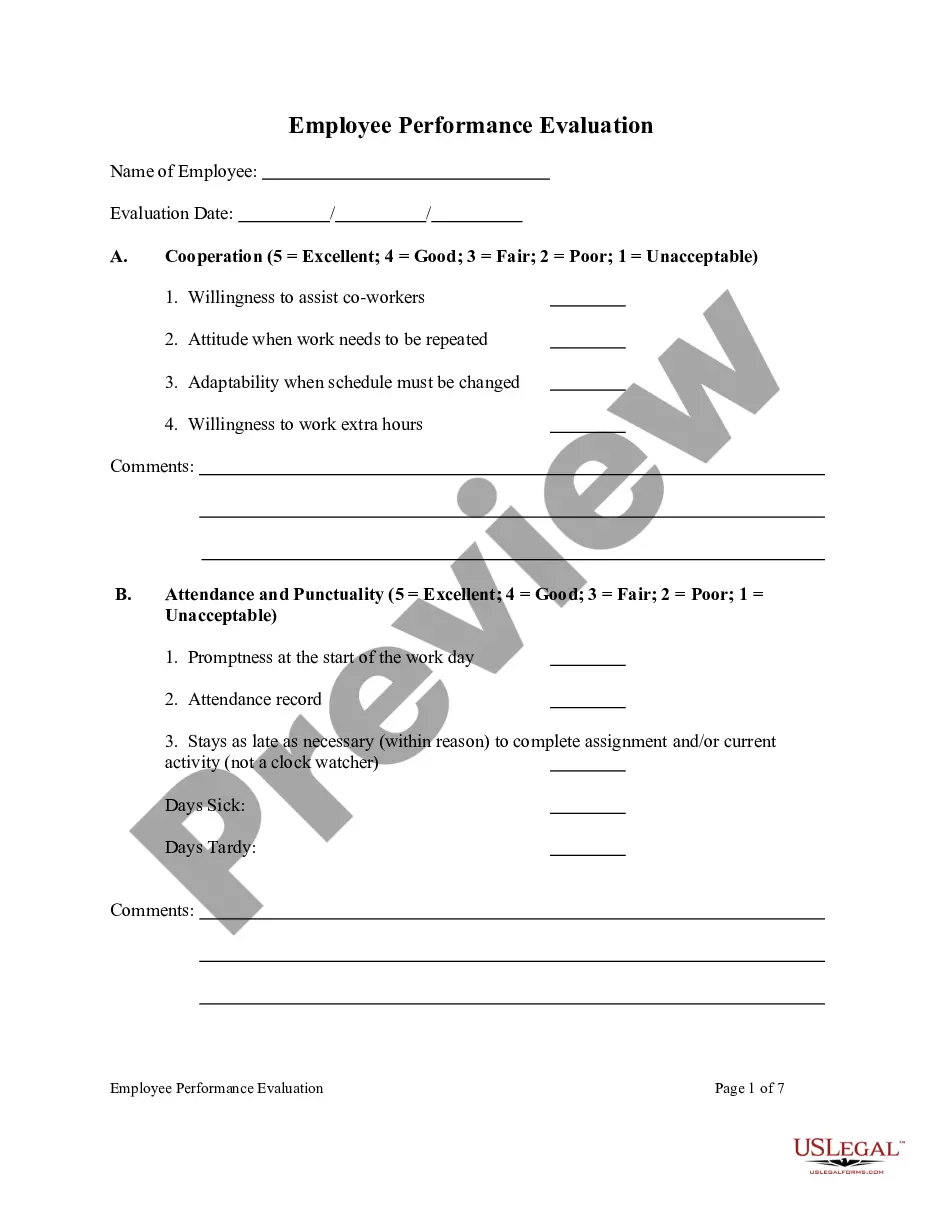
How to conduct 360 reviews Establish criteria for rating each employee. Invest time into developing useful, relevant questions that provide valuable insight. Choose who will assess each employee. Send surveys. Send the survey to the employee. Schedule the 360 evaluation. Review ratings with employee. Follow up on progress.
Positive Feedback Examples “I've been really impressed with the way you've fostered collaboration within the team. Your open communication style and active listening have created a work environment where everyone feels valued and heard. “Your decision-making during the recent project challenges was commendable.
10 Open-Ended 360-Degree Feedback Questions What would you say are this person's strengths? What is one thing this employee should start doing? What is one thing this employee should continue doing? What is one thing this employee should stop doing? How well does this person manage their time and workload?
“A 360-degree review is a talent development tool used to provide the recipient with feedback from all directions,” Inoa said. “This typically includes upward feedback from their direct reports, peer feedback from those they work closely with, and downward feedback from their manager.”
