Letter For Money Request In Massachusetts
Description
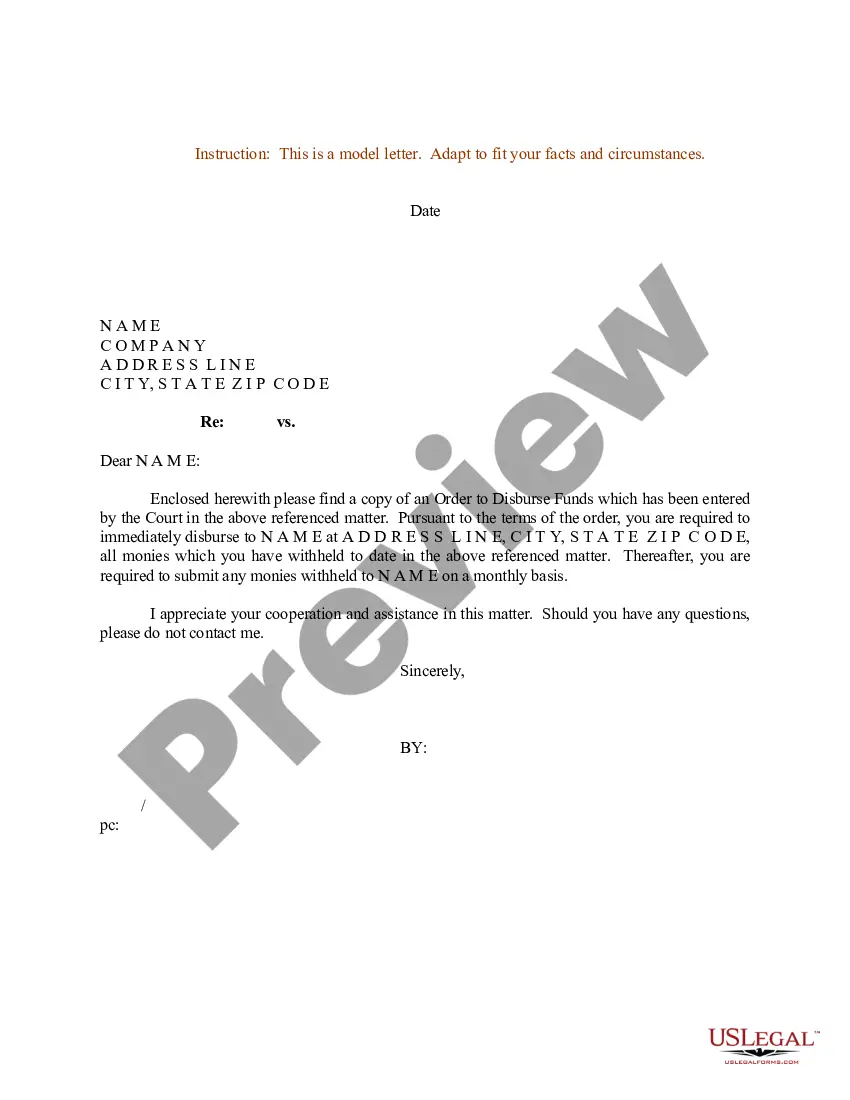
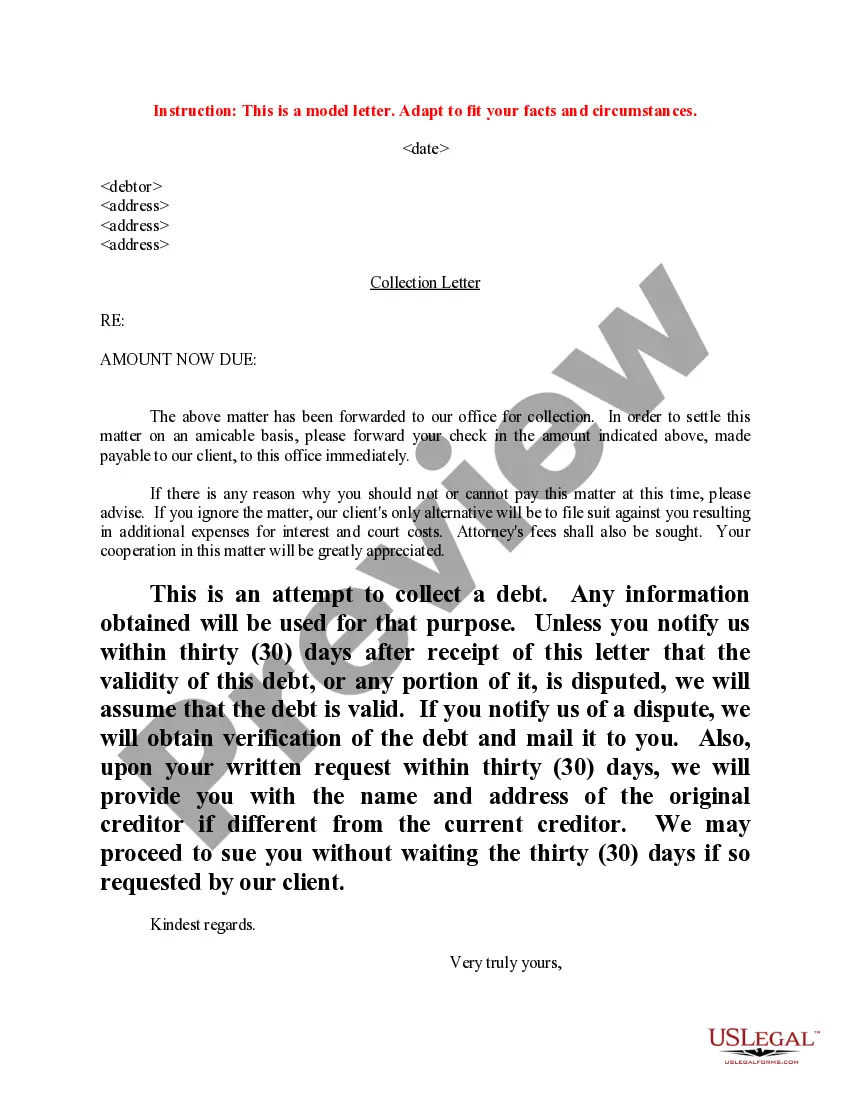
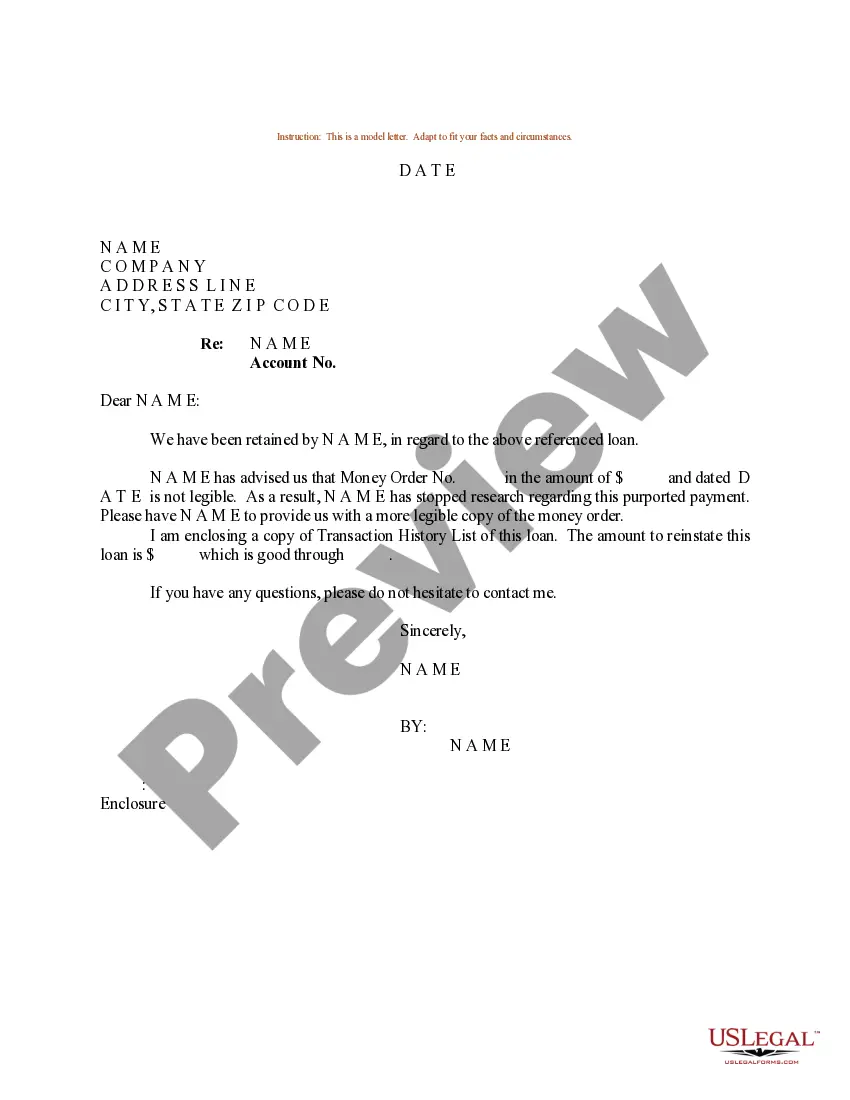
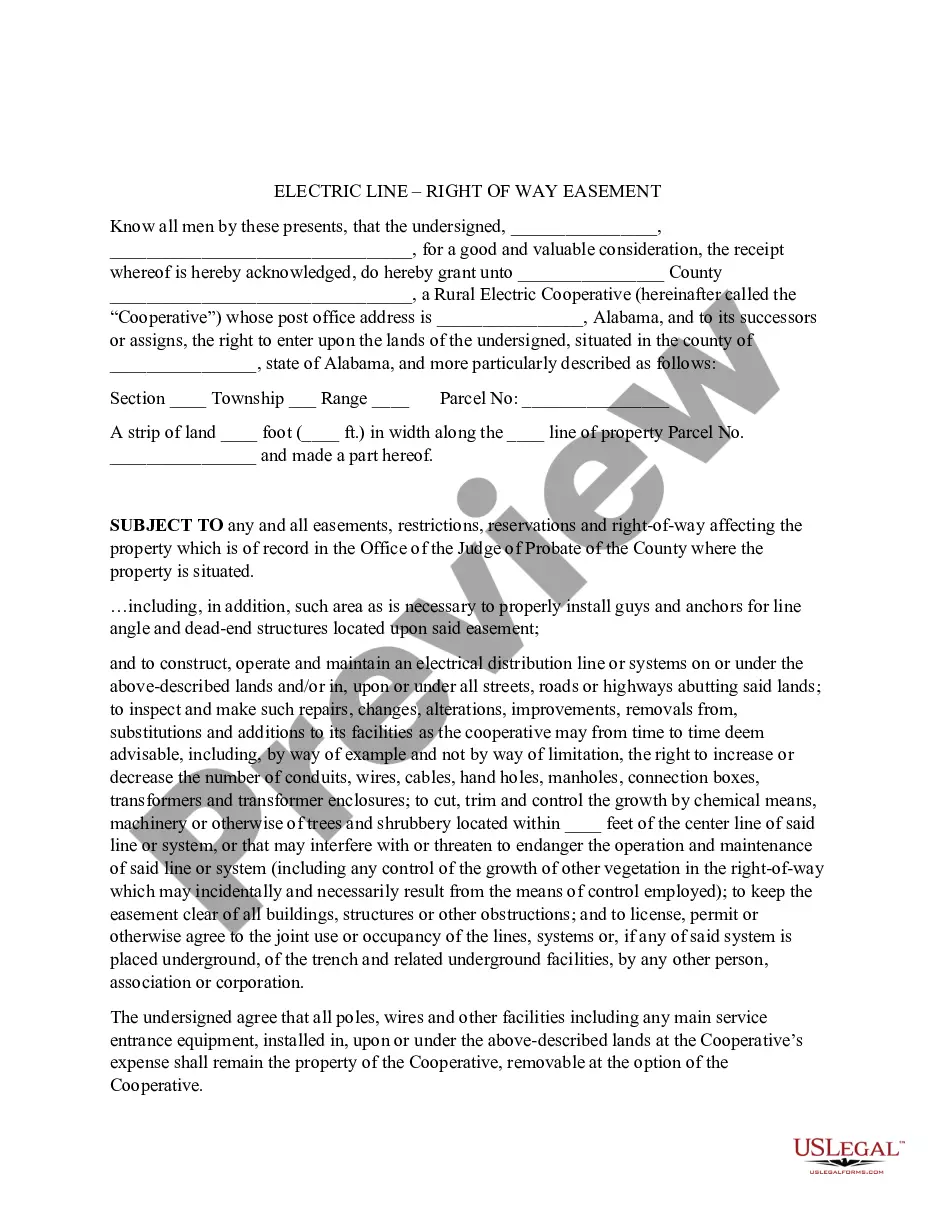
Get your form ready online
Our built-in tools help you complete, sign, share, and store your documents in one place.
Make edits, fill in missing information, and update formatting in US Legal Forms—just like you would in MS Word.
Download a copy, print it, send it by email, or mail it via USPS—whatever works best for your next step.
Sign and collect signatures with our SignNow integration. Send to multiple recipients, set reminders, and more. Go Premium to unlock E-Sign.
If this form requires notarization, complete it online through a secure video call—no need to meet a notary in person or wait for an appointment.
We protect your documents and personal data by following strict security and privacy standards.

Make edits, fill in missing information, and update formatting in US Legal Forms—just like you would in MS Word.

Download a copy, print it, send it by email, or mail it via USPS—whatever works best for your next step.

Sign and collect signatures with our SignNow integration. Send to multiple recipients, set reminders, and more. Go Premium to unlock E-Sign.

If this form requires notarization, complete it online through a secure video call—no need to meet a notary in person or wait for an appointment.

We protect your documents and personal data by following strict security and privacy standards.
Looking for another form?







Form popularity
FAQ
File your small claim online The easiest way to file a small claim is to use Small Claims Guide and File. This program will help you fill out the forms to file a small claim by providing questions you can answer in plain language.
Conclusion: Going to small claims court may be worth it for $500, but it will determine how you weigh your costs versus benefits. At a minimum, it is worth it to send a demand letter.
Massachusetts has a statute that specifically enables the Attorney General and consumers to take legal action against unfair or deceptive conduct in the marketplace, called Massachusetts Consumer Protection law, Massachusetts General Laws Chapter 93A.
To meet your legal obligations, include the following information in your 30 Day Demand Letter: Your full name and address. The description of the unfair or deceptive act or practice including all the unfair or deceptive practices claimed, the dates involved in the transaction, and any other important facts.
A losing party pays attorney fees only if the winner is specifically given the right to recover legal fees in a contract between the parties or through a state or federal law. Learn about preparing a defense in Disputing a Small Claims Court Case: Fight Back.
Massachusetts has a statute that specifically enables the Attorney General and consumers to take legal action against unfair or deceptive conduct in the marketplace, called Massachusetts Consumer Protection law, Massachusetts General Laws Chapter 93A.
Basics of Chapter 93A A consumer or business suing under the law must first send a detailed 30-day demand letter that outlines the harm suffered and the demanded relief. If the parties are unable to resolve their dispute, it then moves to litigation.
An action brought to enforce the provisions of this Act shall be barred unless commenced within four years after the cause of action accrued.
Demand Letter Components Facts of the case. An outline of what happened. Statement of the issue. A brief description of the problem. Demand. The dollar amount or action necessary to resolve the case. Response deadline. The date by which the recipient must respond. Noncompliance consequences.
If you are trying to resolve a dispute, you may want to send a demand letter. You can write one yourself, but hiring an attorney will help you navigate legalities and show the recipient the seriousness of the matter.

