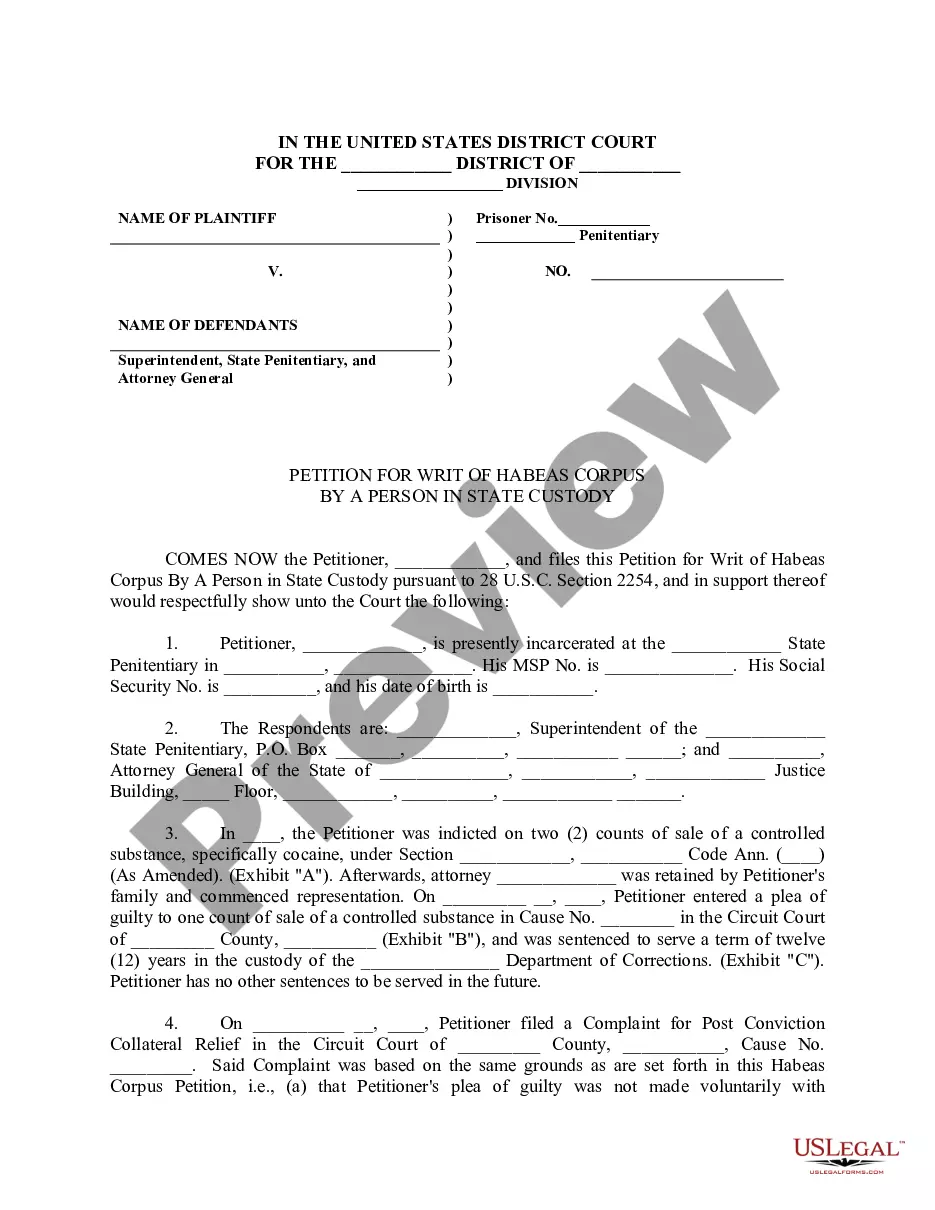
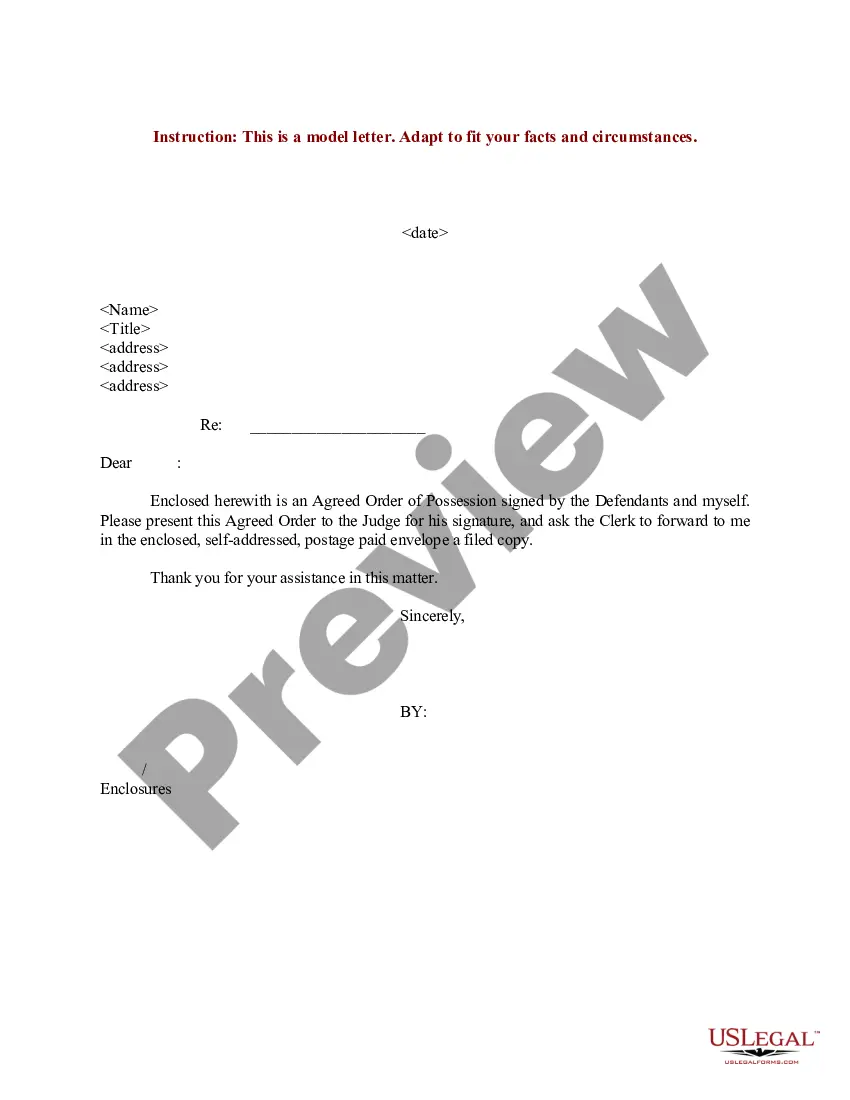
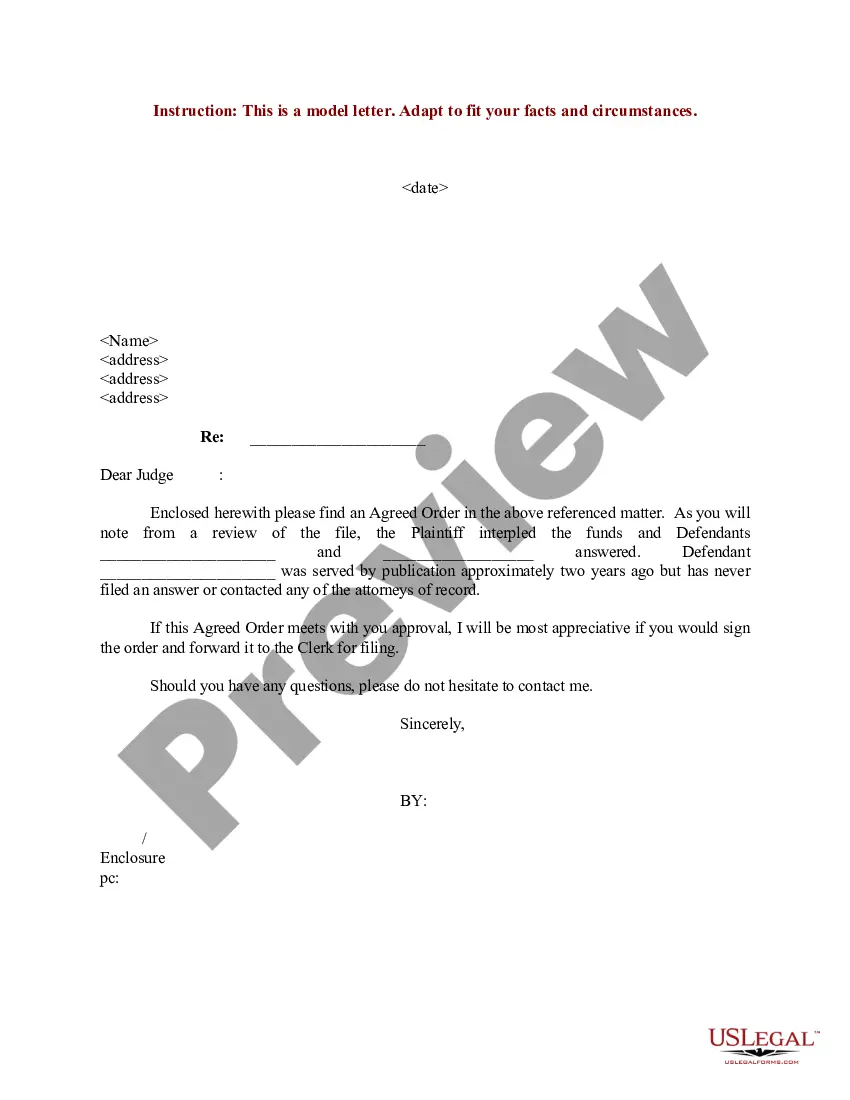
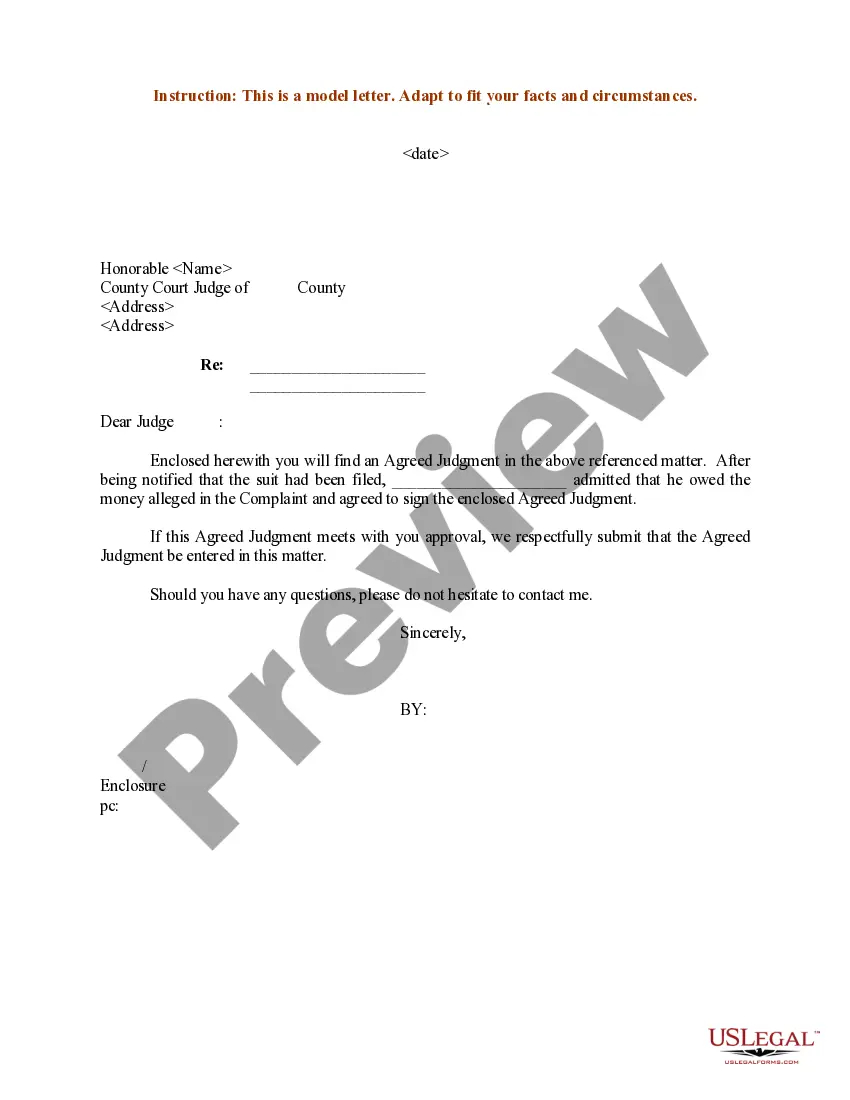
Letter To Court Template With Immigration In Maryland
Description
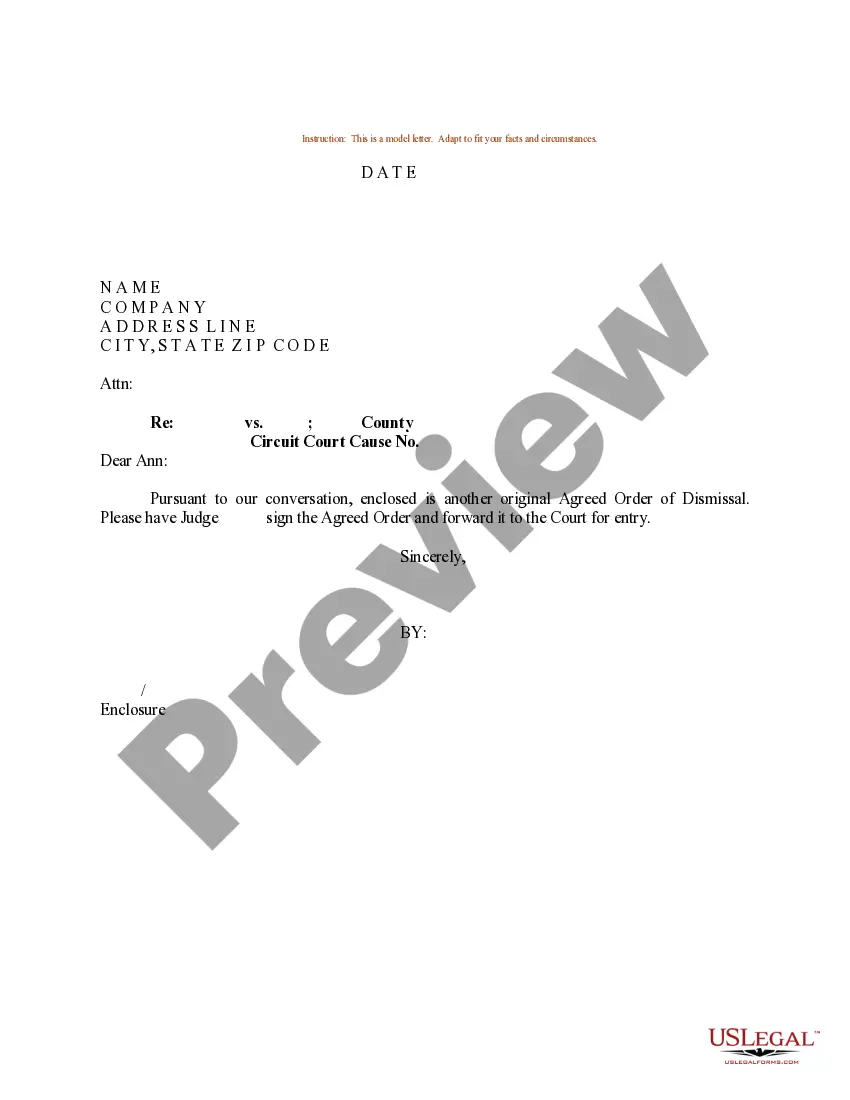
Get your form ready online
Our built-in tools help you complete, sign, share, and store your documents in one place.
Make edits, fill in missing information, and update formatting in US Legal Forms—just like you would in MS Word.
Download a copy, print it, send it by email, or mail it via USPS—whatever works best for your next step.
Sign and collect signatures with our SignNow integration. Send to multiple recipients, set reminders, and more. Go Premium to unlock E-Sign.
If this form requires notarization, complete it online through a secure video call—no need to meet a notary in person or wait for an appointment.
We protect your documents and personal data by following strict security and privacy standards.

Make edits, fill in missing information, and update formatting in US Legal Forms—just like you would in MS Word.

Download a copy, print it, send it by email, or mail it via USPS—whatever works best for your next step.

Sign and collect signatures with our SignNow integration. Send to multiple recipients, set reminders, and more. Go Premium to unlock E-Sign.

If this form requires notarization, complete it online through a secure video call—no need to meet a notary in person or wait for an appointment.

We protect your documents and personal data by following strict security and privacy standards.
Looking for another form?

Form popularity
FAQ
We encourage you to file Form I-589 online. If you decide to mail your Form I-589, mail it to the USCIS lockbox that has jurisdiction over your place of residence—not to a USCIS service center. Go to the “Where to File” section of USCIS' Form I-589 page to see the most up-to-date mailing addresses.
You must take the first step within 30 days of the immigration judge's decision. The first step to appeal your case is to fill out and submit a Notice of Appeal (Form EOIR-26). The BIA must receive your Notice of Appeal within 30 days of the judge's decision. You do not need an attorney to fill out this form.
We encourage you to file Form I-589 online. If you decide to mail your Form I-589, mail it to the USCIS lockbox that has jurisdiction over your place of residence—not to a USCIS service center. Go to the “Where to File” section of USCIS' Form I-589 page to see the most up-to-date mailing addresses.
Address the letter to the "Honorable Immigration Judge." Introduce yourself, mentioning your relationship with the person who seeks a bond and how long you have known him or her. Describe the person's traits, common interests, noteworthy accomplishments, and other reasons they are not a threat to others.
To move your case to another court, you must make a “Motion to Change Venue” in writing, and file one copy with the Court where your case is currently located and another copy with the Department of Homeland Security.
If you are eligible to apply for asylum with USCIS as outlined in the section above, you may file your Form I-589 with USCIS online or by mail depending on your situation.
To establish asylum eligibility due to past persecution, the applicant must demonstrate they were subjected to significant harm or suffering in their home country based on one of five protected grounds: race, religion, nationality, political opinion, or membership in a particular social group.
To facilitate access to court records, EOIR provides service--outside of the FOIA process--for respondents and their representatives of record to request a copy of their official record of proceeding (ROP). Requests for a copy of an ROP may be made to the immigration courts or the BIA in person, by mail, or by email.
What do I do? 1. Complete the Change of Address form (Form EOIR-33) and make three additional copies. 3. Mail a copy of your completed Change of Address/Contact Information Form (EOIR 33) to the DHS ICE Office of the Principal Legal Advisor (OPLA) that is closest to the court.