The Writ Of Habeas Corpus For Dummies In Houston
Description
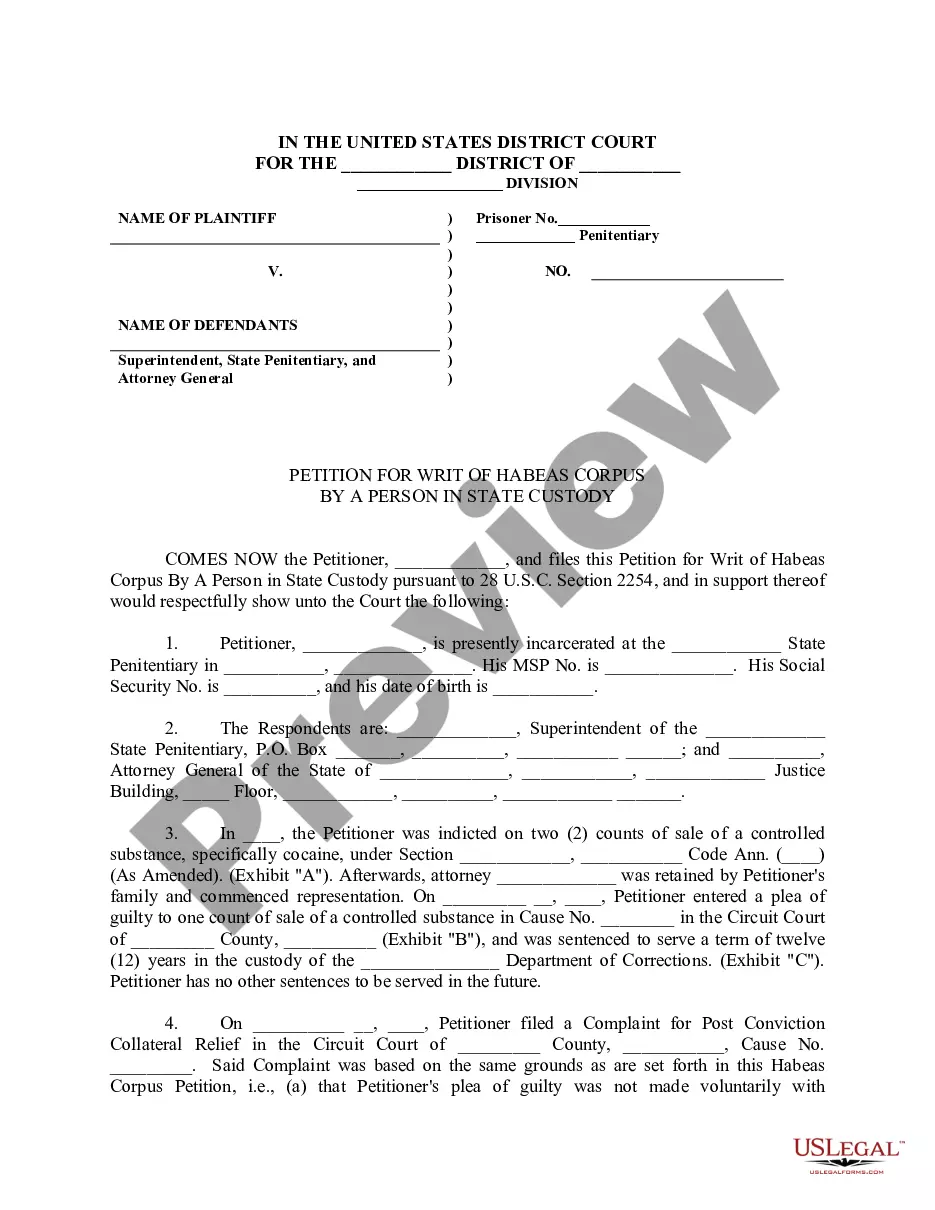
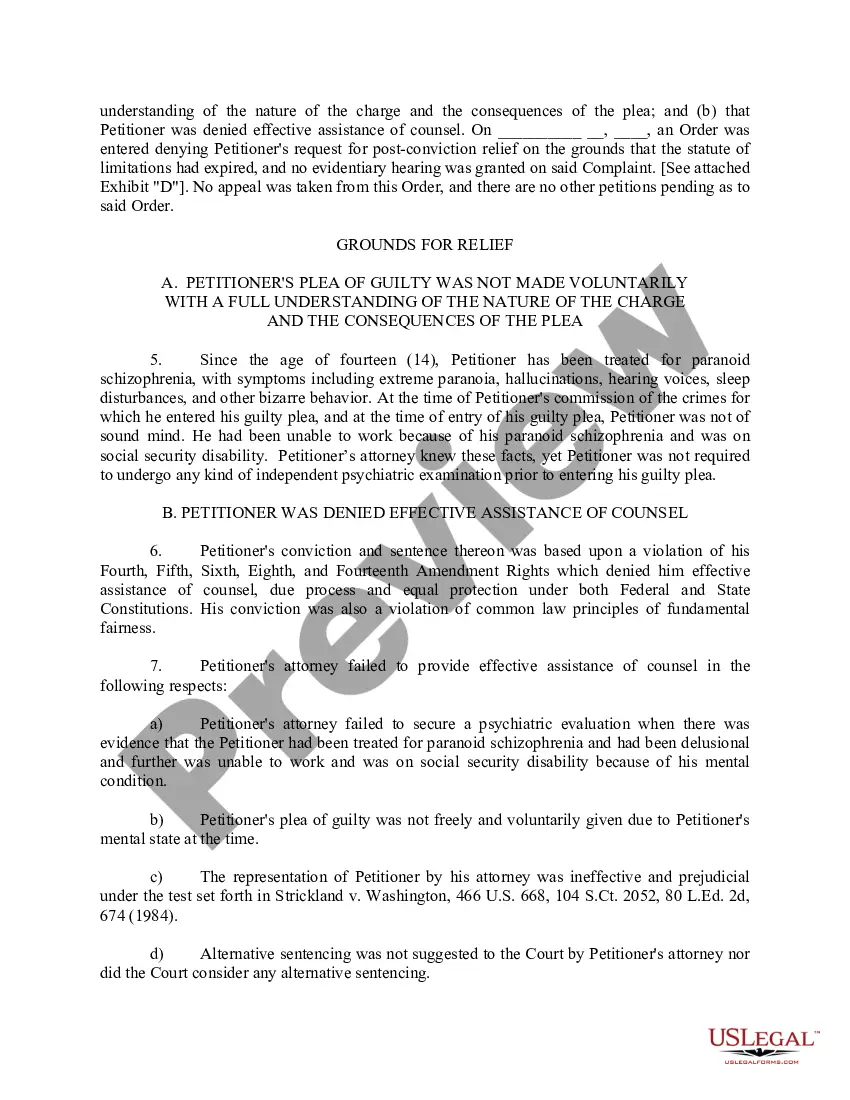
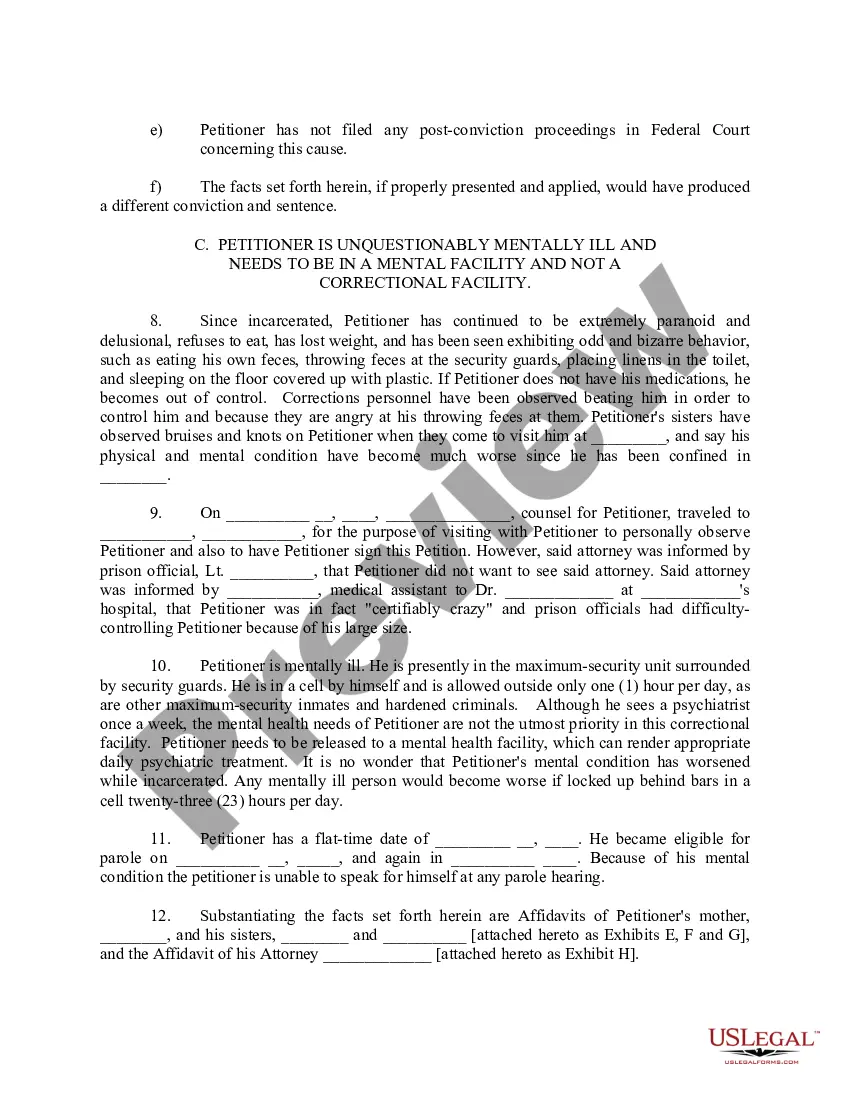
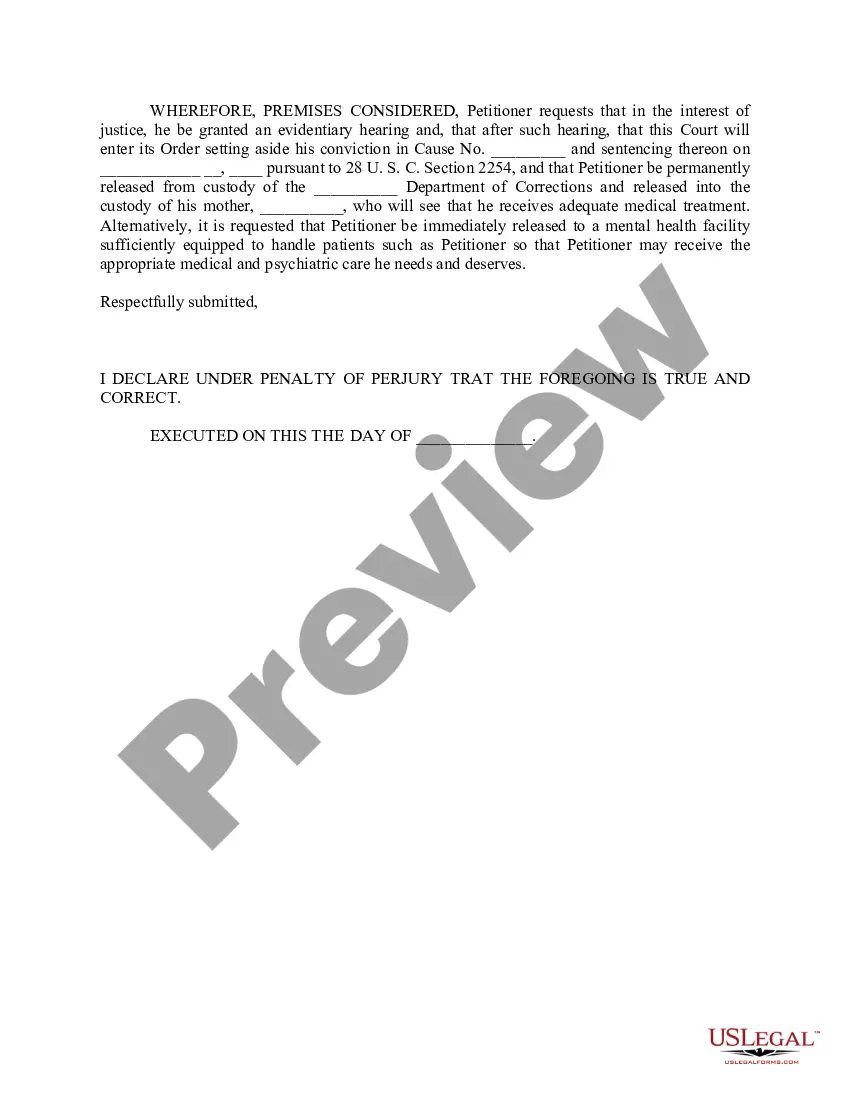
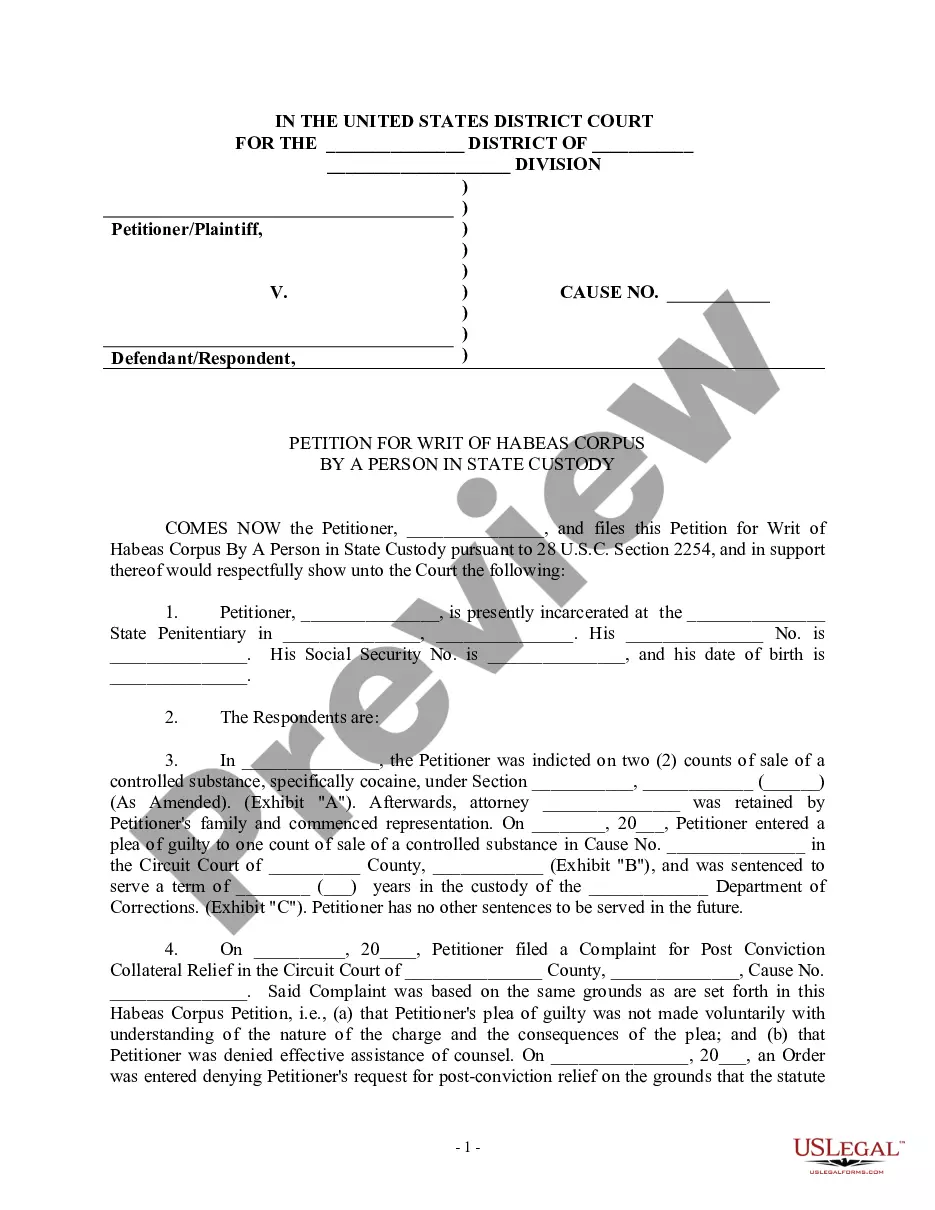
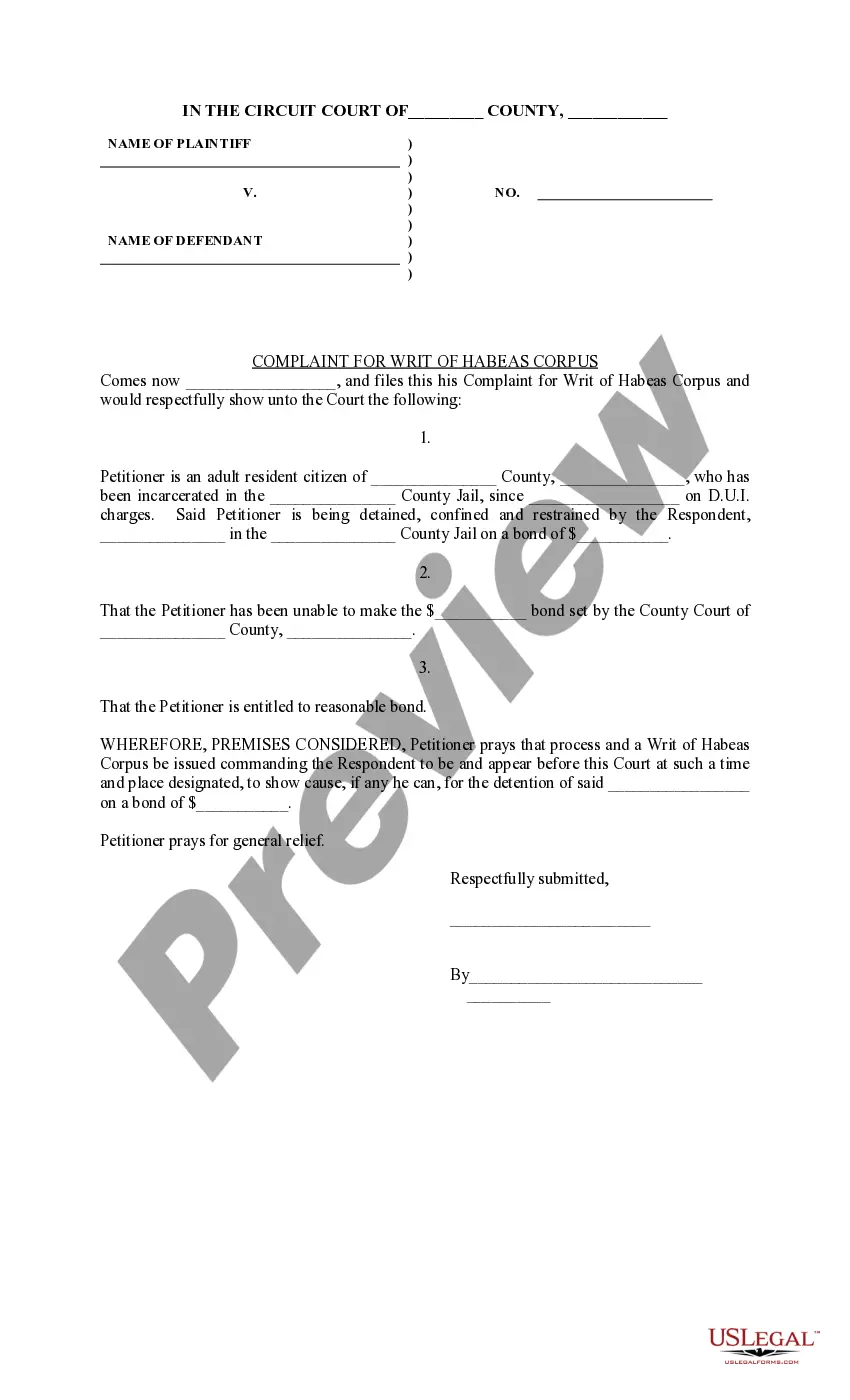
Get your form ready online
Our built-in tools help you complete, sign, share, and store your documents in one place.
Make edits, fill in missing information, and update formatting in US Legal Forms—just like you would in MS Word.
Download a copy, print it, send it by email, or mail it via USPS—whatever works best for your next step.
Sign and collect signatures with our SignNow integration. Send to multiple recipients, set reminders, and more. Go Premium to unlock E-Sign.
If this form requires notarization, complete it online through a secure video call—no need to meet a notary in person or wait for an appointment.
We protect your documents and personal data by following strict security and privacy standards.

Make edits, fill in missing information, and update formatting in US Legal Forms—just like you would in MS Word.

Download a copy, print it, send it by email, or mail it via USPS—whatever works best for your next step.

Sign and collect signatures with our SignNow integration. Send to multiple recipients, set reminders, and more. Go Premium to unlock E-Sign.

If this form requires notarization, complete it online through a secure video call—no need to meet a notary in person or wait for an appointment.

We protect your documents and personal data by following strict security and privacy standards.
Looking for another form?
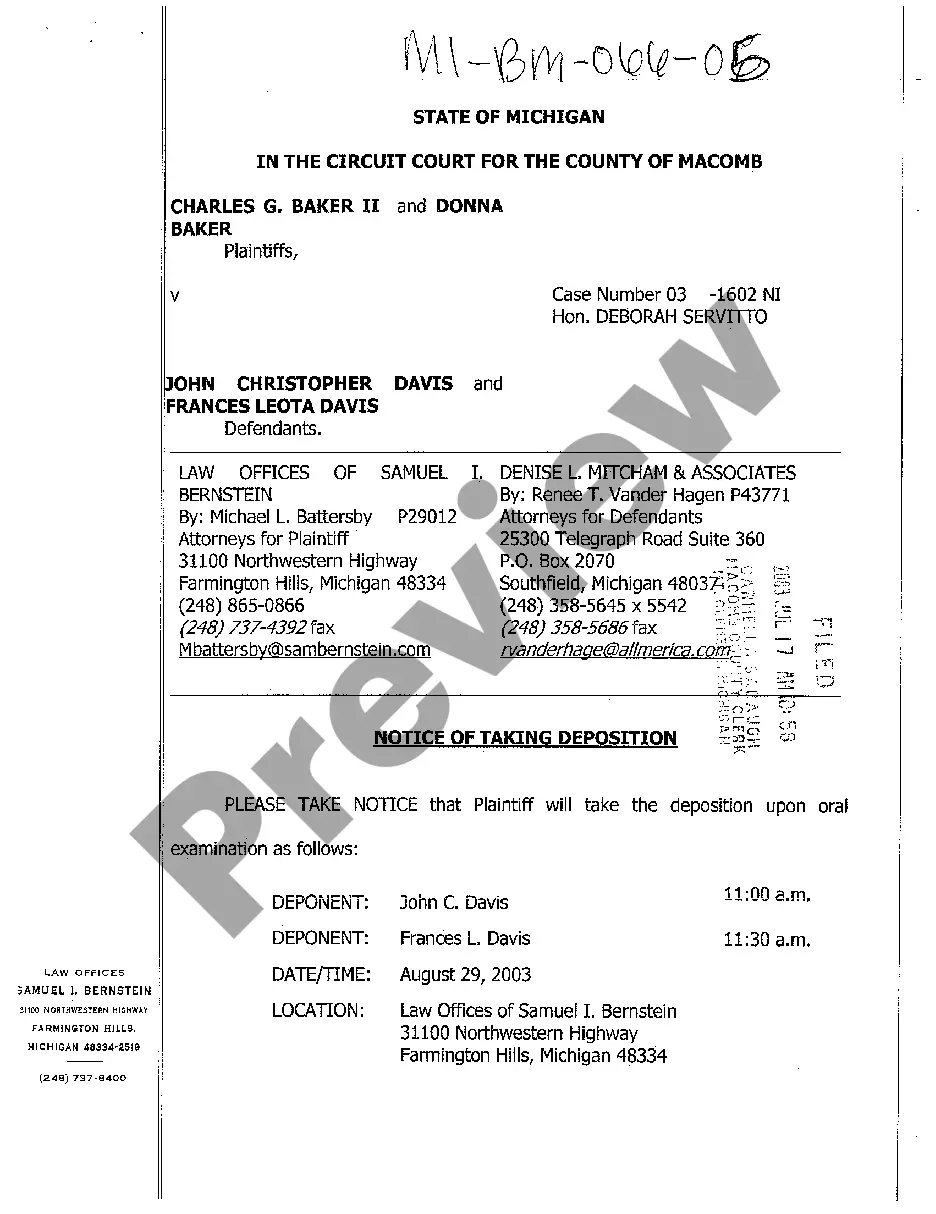
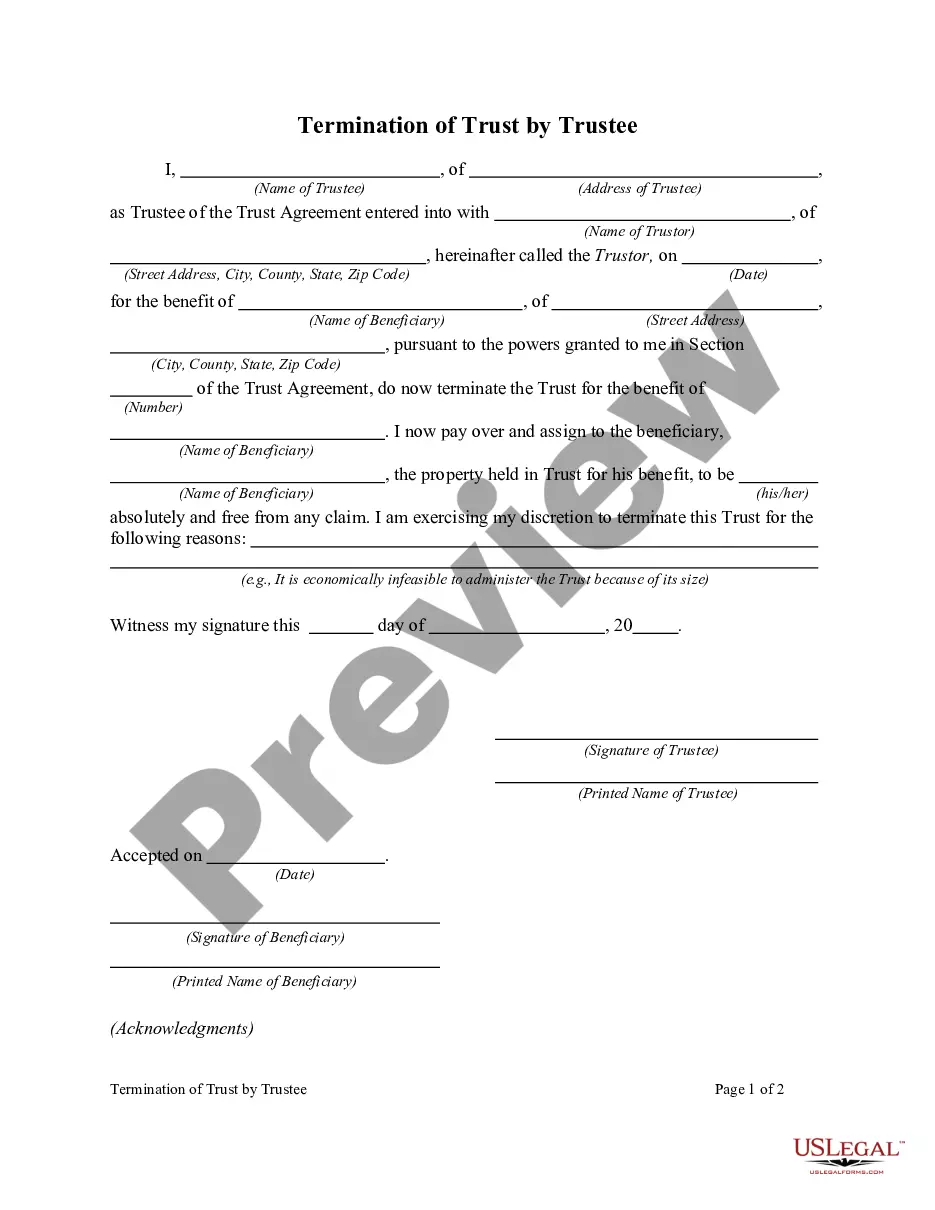
Form popularity
FAQ
A Federal Writ of Habeas Corpus is a procedure where federal courts with national power can review the legality of an individual's incarceration.
A Writ of Habeas Corpus is one of the primary ways of obtaining a client's freedom based on his or her actual innocence. Actual innocence Writs of Habeas Corpus can include witness statements, affidavits, and other external evidence that shows how the client has been wrongfully convicted.
Habeas corpus is one of the earliest common law writs. In its simplest form a writ of habeas corpus requires that a person who is in custody be brought before a judge or court and that they be able to challenge that custody. The writ of habeas corpus is used to attack an unlawful detention or illegal imprisonment.
A writ of habeas corpus orders the custodian of an individual in custody to produce the individual before the court to make an inquiry concerning his or her detention, to appear for prosecution (ad prosequendum) or to appear to testify (ad testificandum).
A successful Writ of Habeas Corpus in California can achieve one of the following: Release the defendant. Reduce the defendant's sentencing. Make changes to the defendant's sentencing conditions.
A writ “is the remedy to be used when any person is restrained in his liberty.” Texas Code of Criminal Procedure Article 11.01. The purpose of a Writ of Habeas Corpus is for the court to determine whether it has lawfully convicted and sentenced a person.
In Texas, a writ of habeas corpus is a court order in which the judge demands a law enforcement agency to produce a detainee for a court hearing. Prosecutors must show that they have a valid reason for detaining the person. If the detention is illegal, the detainee can be released.
A Writ of Habeas Corpus literally translates to bring a body before the court. A writ is an order from a higher court to a lower court or government agency or official. When you file a petition for a Writ of Habeas Corpus, you are asking the court to order the government agency to appear and bring you before the court.
A writ of habeas corpus (which means "to produce the body") is a court order demanding that a warden or other public officer produce an individual at court to show a valid reason the individual has been detained. This is an important right for prisoners.
The court must rule on a petition for writ of habeas corpus within 60 days after the petition is filed. (B) If the court fails to rule on the petition within 60 days of its filing, the petitioner may file a notice and request for ruling.