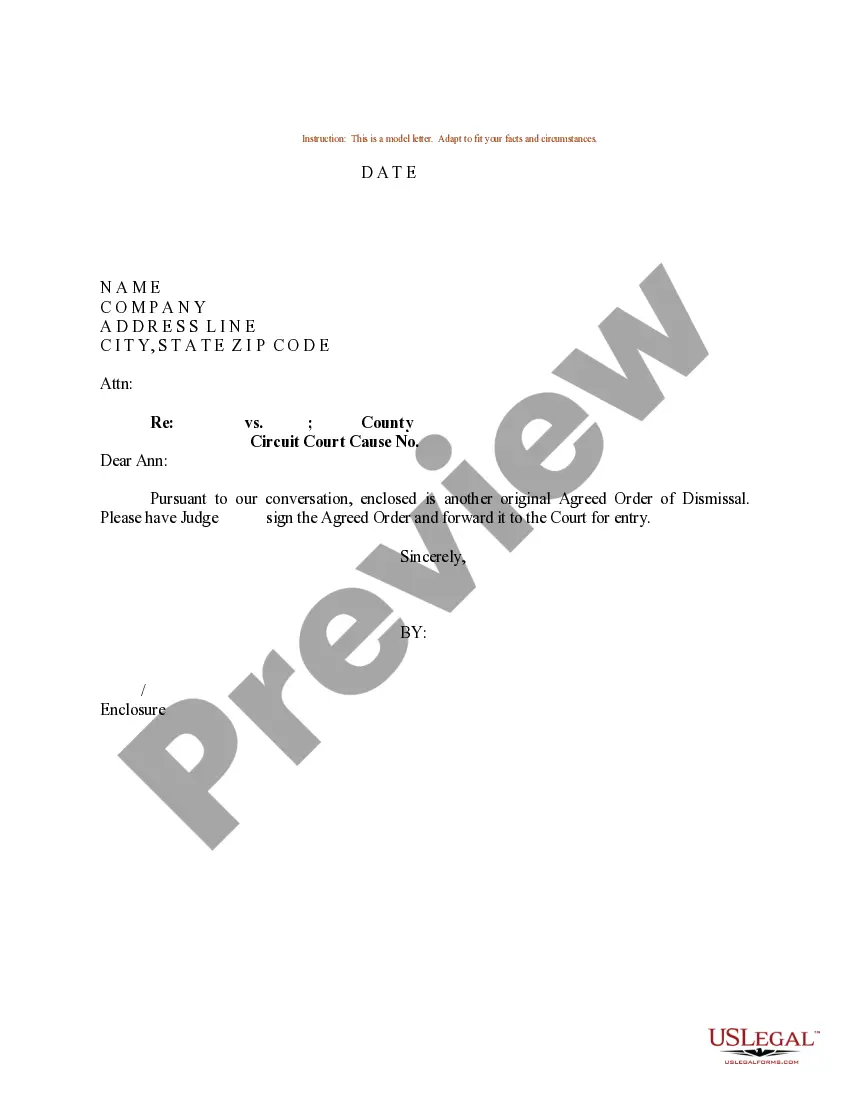
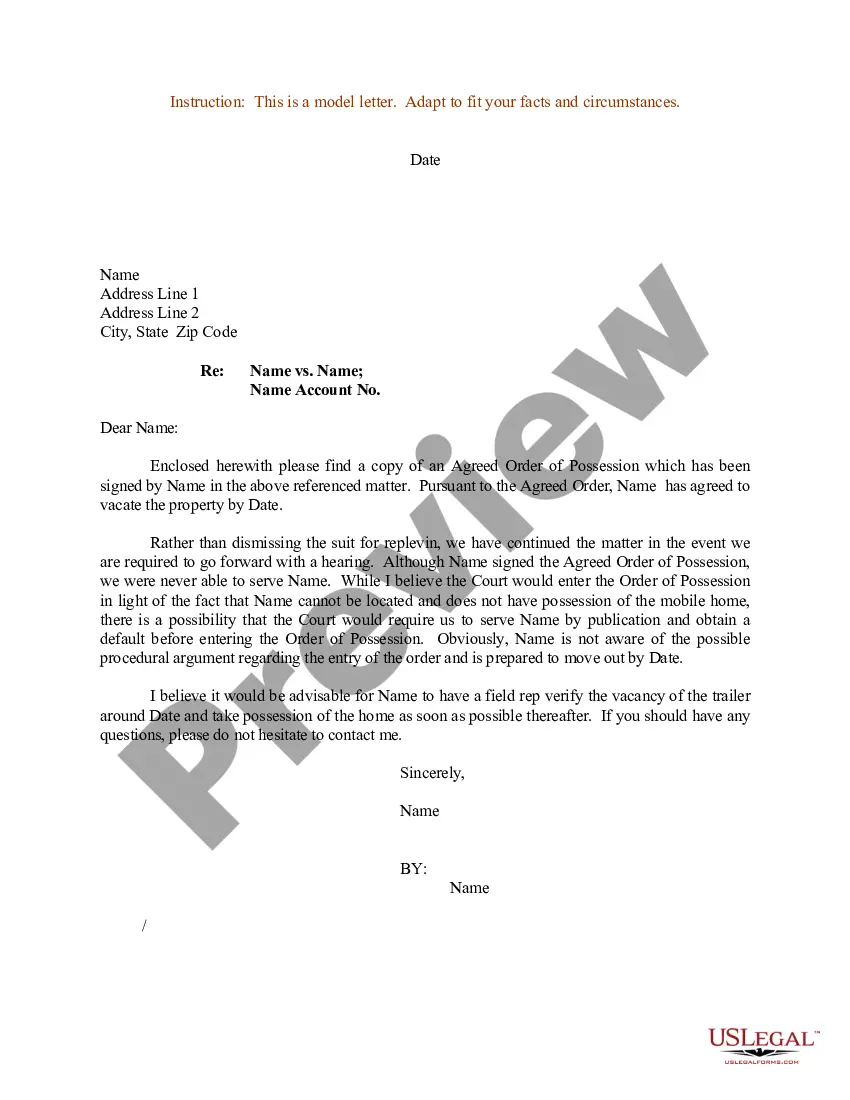
Sample Letter For Court Continuance In Dallas
Description


Get your form ready online
Our built-in tools help you complete, sign, share, and store your documents in one place.
Make edits, fill in missing information, and update formatting in US Legal Forms—just like you would in MS Word.
Download a copy, print it, send it by email, or mail it via USPS—whatever works best for your next step.
Sign and collect signatures with our SignNow integration. Send to multiple recipients, set reminders, and more. Go Premium to unlock E-Sign.
If this form requires notarization, complete it online through a secure video call—no need to meet a notary in person or wait for an appointment.
We protect your documents and personal data by following strict security and privacy standards.

Make edits, fill in missing information, and update formatting in US Legal Forms—just like you would in MS Word.

Download a copy, print it, send it by email, or mail it via USPS—whatever works best for your next step.

Sign and collect signatures with our SignNow integration. Send to multiple recipients, set reminders, and more. Go Premium to unlock E-Sign.

If this form requires notarization, complete it online through a secure video call—no need to meet a notary in person or wait for an appointment.

We protect your documents and personal data by following strict security and privacy standards.
Looking for another form?

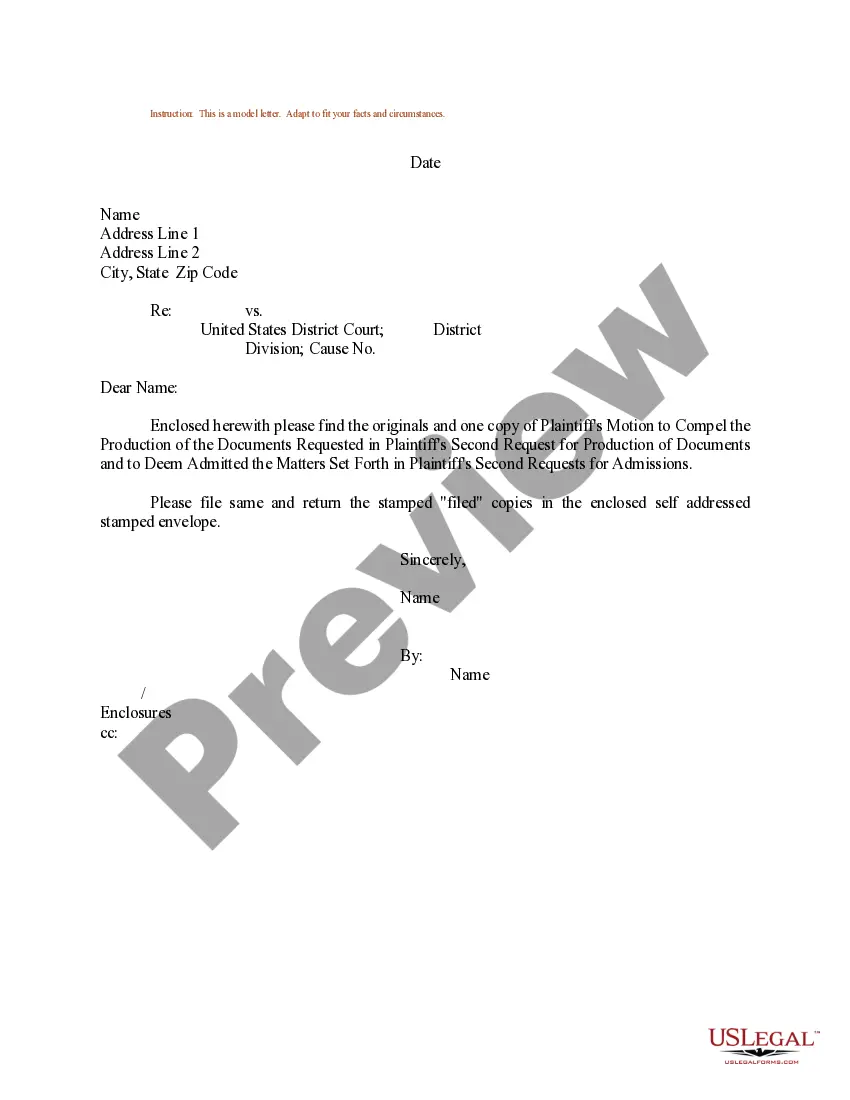

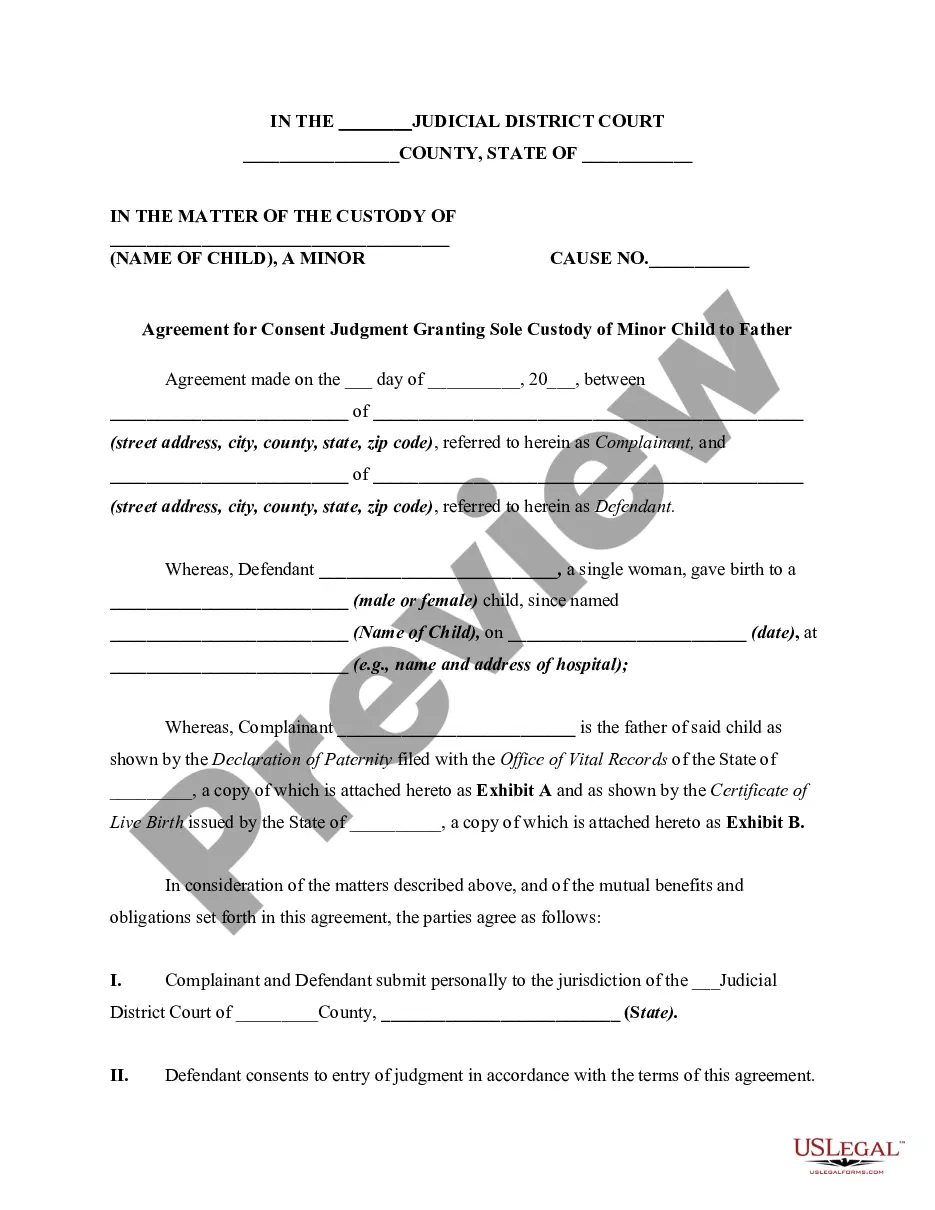
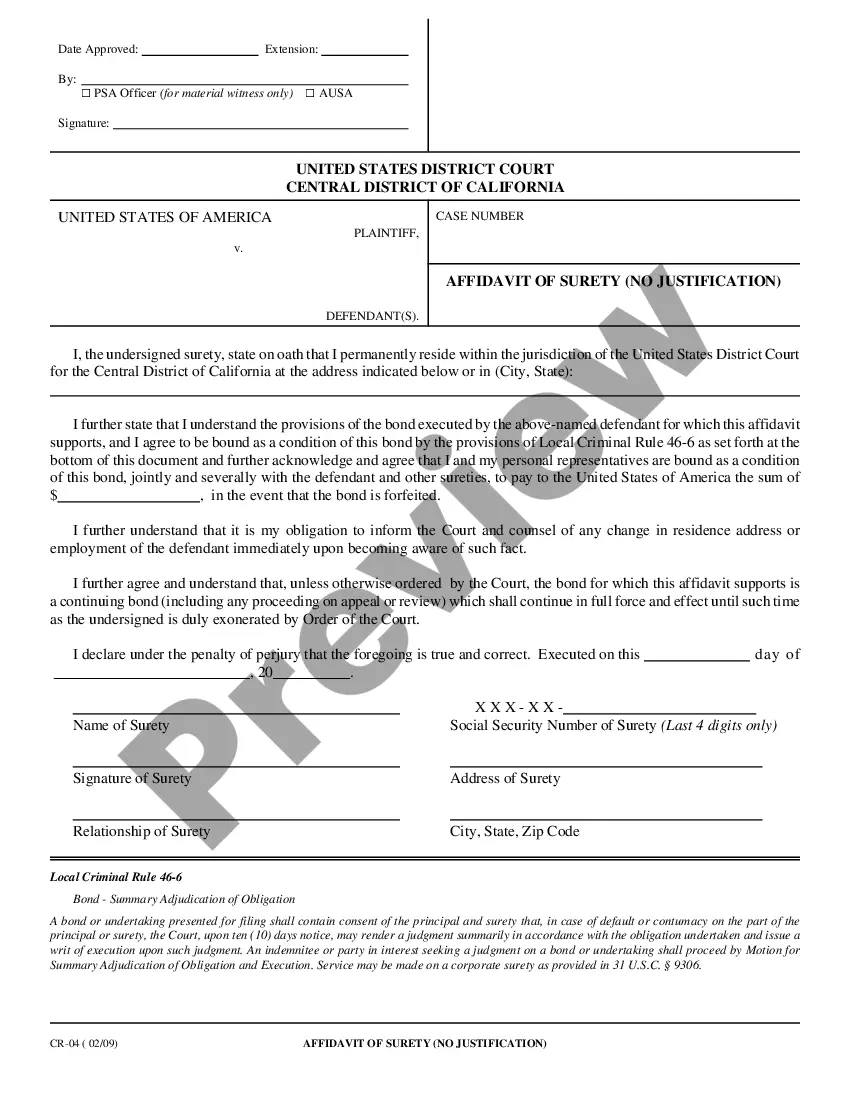

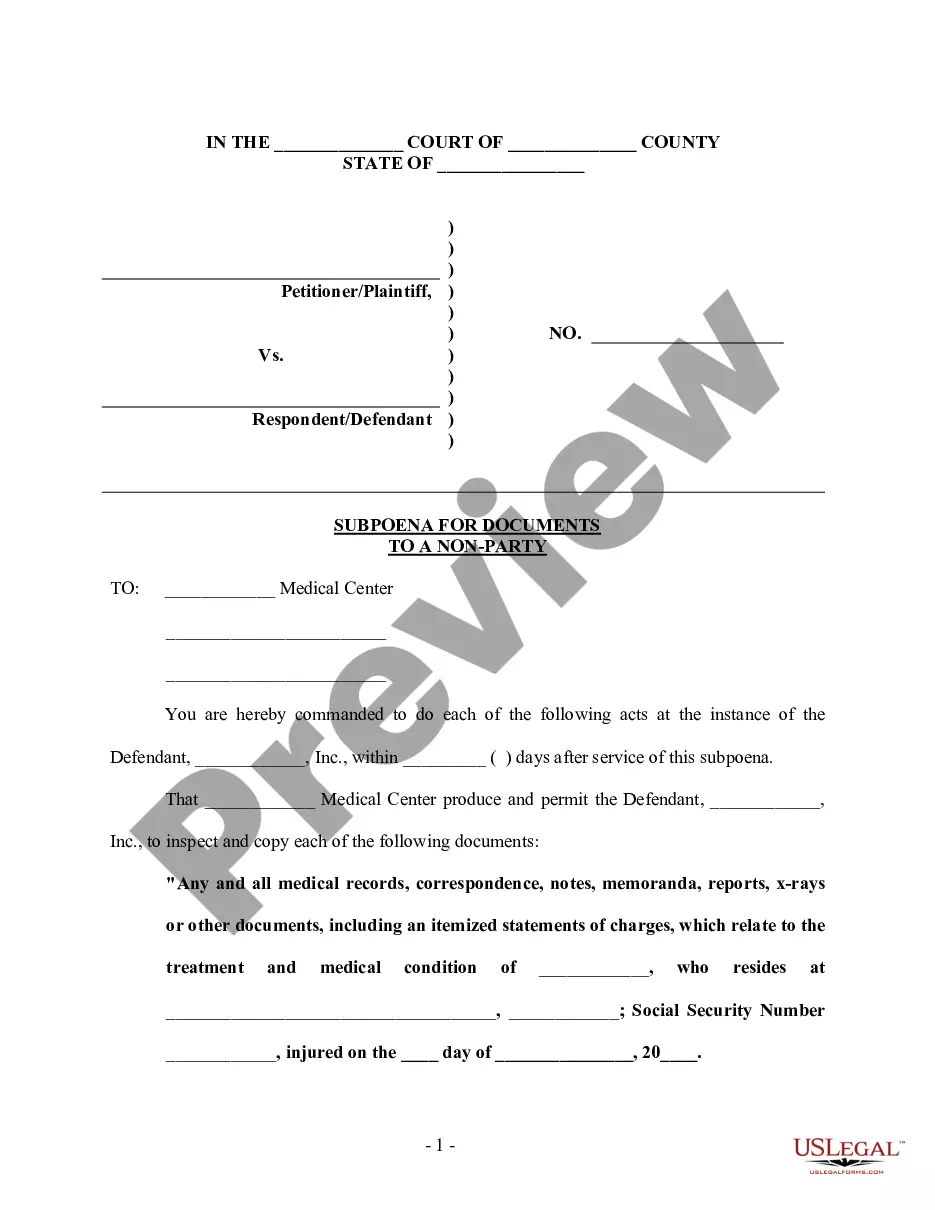
Form popularity
FAQ
Continuances Are at the Judge's Discretion Just because a person requests a continuance does not mean that it will be granted by the court. Continuances are discretionary, which means that the judge in your case has a great deal of flexibility when it comes to granting your request for a continuance.
A request for a continuance in Texas involves submitting a written motion to the court, typically accompanied by a valid reason such as illness, scheduling conflicts, or the unavailability of a crucial witness, to delay a scheduled court hearing or trial.
A request for a continuance in Texas involves submitting a written motion to the court, typically accompanied by a valid reason such as illness, scheduling conflicts, or the unavailability of a crucial witness, to delay a scheduled court hearing or trial.
I would like this Court to continue the hearing because: EXPLAIN REASON. PETITIONER/PLAINTIFF, v. RESPONDENT/DEFENDANT. I RESPECTFULLY REQUEST that the Court grant my Request for Continuance.
Begin with a formal salutation, such as "Dear Judge Last Name," and introduce yourself and your case. Clearly state your reasons for requesting a continuance and provide supporting evidence. Conclude your letter by expressing your gratitude and willingness to cooperate with the court's decision.
Some of the reasons that might necessitate a continuance include: You need additional time to secure an attorney to represent you in court. You need more time to gather evidence because the other side has been stalling on discovery requests. You need more time to locate witnesses who are critical to your case.
A criminal action may be continued on the written motion of the State or of the defendant, upon sufficient cause shown; which cause shall be fully set forth in the motion. A continuance may be only for as long as is necessary.
I ask you to reschedule because (reason): Please let me know by (date) if you will agree to a continuance. If you agree, please send me a letter or email that says that you agree to the continuance. Thank you for considering my request.
Introduce yourself to the Court. Explain how you know (and how long you have known) the defendant. Make it personal when describing the defendant's characteristics. Can you think of examples of good deeds done by the defendant (hard work, dedication to family/church/community, generosity, etc).
Write the judge a letter as soon as you know you're not able to attend court. Explain the reasons why you have to miss your court date, and provide any documentation for proof, like a note from your doctor or work supervisor.

