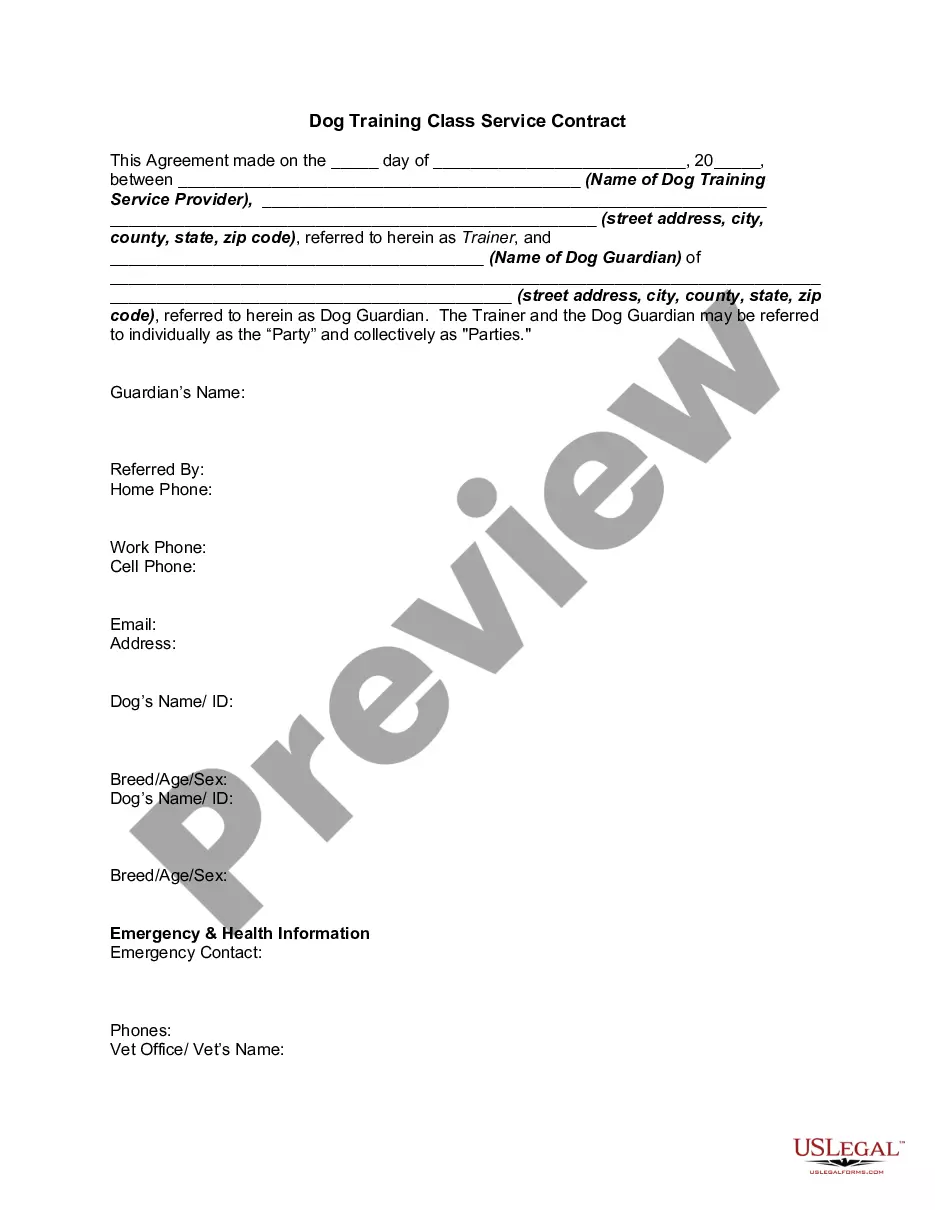
Sample Settlement Letter For Credit Card Debt In Utah
Description


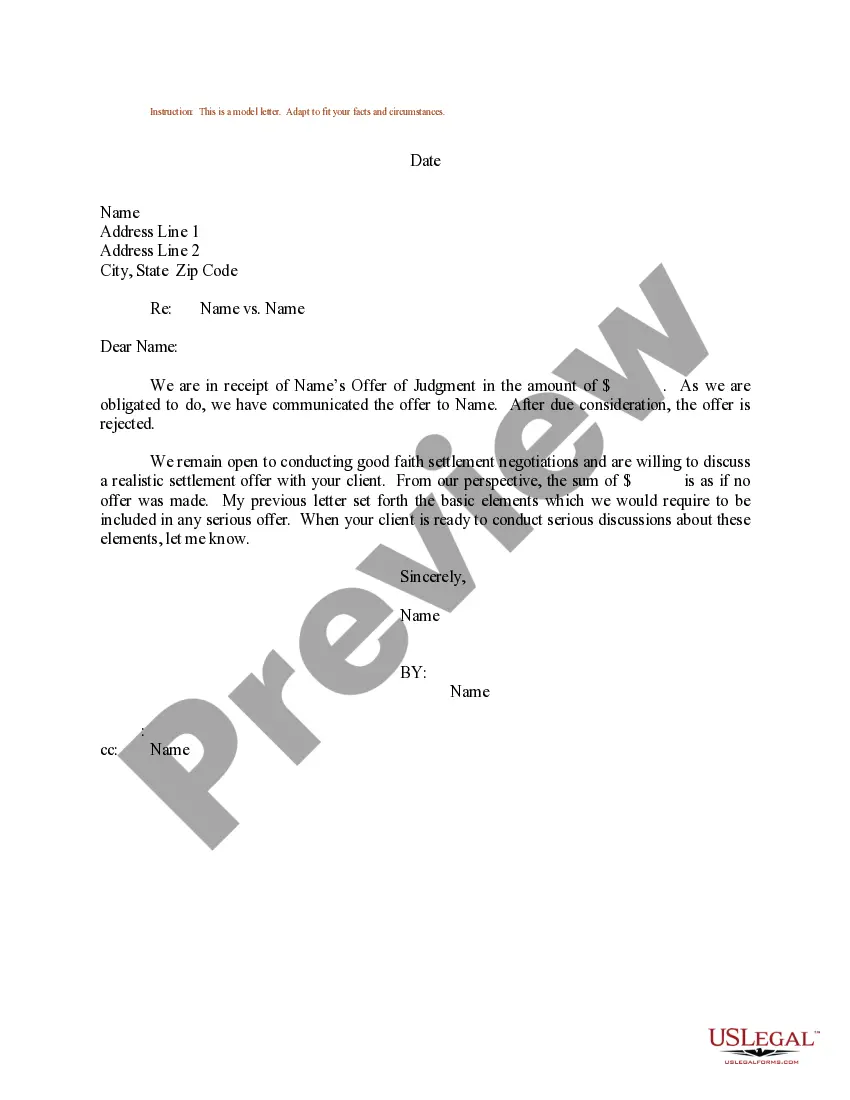
Get your form ready online
Our built-in tools help you complete, sign, share, and store your documents in one place.
Make edits, fill in missing information, and update formatting in US Legal Forms—just like you would in MS Word.
Download a copy, print it, send it by email, or mail it via USPS—whatever works best for your next step.
Sign and collect signatures with our SignNow integration. Send to multiple recipients, set reminders, and more. Go Premium to unlock E-Sign.
If this form requires notarization, complete it online through a secure video call—no need to meet a notary in person or wait for an appointment.
We protect your documents and personal data by following strict security and privacy standards.

Make edits, fill in missing information, and update formatting in US Legal Forms—just like you would in MS Word.

Download a copy, print it, send it by email, or mail it via USPS—whatever works best for your next step.

Sign and collect signatures with our SignNow integration. Send to multiple recipients, set reminders, and more. Go Premium to unlock E-Sign.

If this form requires notarization, complete it online through a secure video call—no need to meet a notary in person or wait for an appointment.

We protect your documents and personal data by following strict security and privacy standards.
Looking for another form?









Form popularity
FAQ
Consult a Credit Counselor Determine If Negotiation Is Right for You. Set Your Terms. Tell the Truth and Keep a Consistent Story. Learn Your Rights Under the Fair Debt Collection Practices Act (FDCPA) Keep Detailed Communication Notes. Negotiate with Creditors Directly. Get All Agreements in Writing.
Tip for Drafting an Effective Settlement Letter Be concise. Your letter might be 20-30 pages long if your claim is complex. Be organized. Reread your letter to make sure you haven't said anything that the opposing party can twist around to use against you. Be polite and professional.
This is a type of offer where you ask the creditor to accept part of the amount you owe and write off the rest. You can find information about how to use this letter in our guide Full and final settlement offers. You can choose to send a letter in your own name or in joint names.
What things should be included in the Full and Final Settlement Letter? Settlement Amount: Clearly state the finalized amount to be settled. Settlement Cheque: Provide details regarding the issuance of the settlement cheque. Resignation/Termination Date: Specify the date on which the employee resigned or was terminated.
Your settlement letter should begin with a heading that clearly identifies it as a settlement proposal. Be sure to include your contact information, such as your name, address and phone number so that the recipient can get in touch with you if necessary.
I am applying to make a repayment arrangement on the grounds of financial hardship. I assume you will stay all enforcement action while you consider my application. If this is not possible, please let me know immediately in writing. I have been in financial hardship because (give a reason).
I am writing this letter to state that on _ (Day) i.e. (Date), I got relieved from your _ (Company/ Organization) but my full and final settlement has not been done. I request you to kindly do the full and final settlement and send me all dues (if any).
The Format of a Settlement Demand Letter A description of the accident. An explanation of why the defendant is at fault or otherwise liable for the claim. A brief description of your injuries and property damage. A brief description of your losses (medical expenses, lost earnings, pain and suffering, etc.).
Unfortunately, my circumstances are unlikely to improve in the foreseeable future and I have no assets to sell to help clear my debt. I am therefore asking you to consider writing off my debt as I can see no way of ever repaying it. If you are unable to agree to this, please explain your reasons.