Special Session For In Harris
Description



Get your form ready online
Our built-in tools help you complete, sign, share, and store your documents in one place.
Make edits, fill in missing information, and update formatting in US Legal Forms—just like you would in MS Word.
Download a copy, print it, send it by email, or mail it via USPS—whatever works best for your next step.
Sign and collect signatures with our SignNow integration. Send to multiple recipients, set reminders, and more. Go Premium to unlock E-Sign.
If this form requires notarization, complete it online through a secure video call—no need to meet a notary in person or wait for an appointment.
We protect your documents and personal data by following strict security and privacy standards.

Make edits, fill in missing information, and update formatting in US Legal Forms—just like you would in MS Word.

Download a copy, print it, send it by email, or mail it via USPS—whatever works best for your next step.

Sign and collect signatures with our SignNow integration. Send to multiple recipients, set reminders, and more. Go Premium to unlock E-Sign.

If this form requires notarization, complete it online through a secure video call—no need to meet a notary in person or wait for an appointment.

We protect your documents and personal data by following strict security and privacy standards.
Looking for another form?






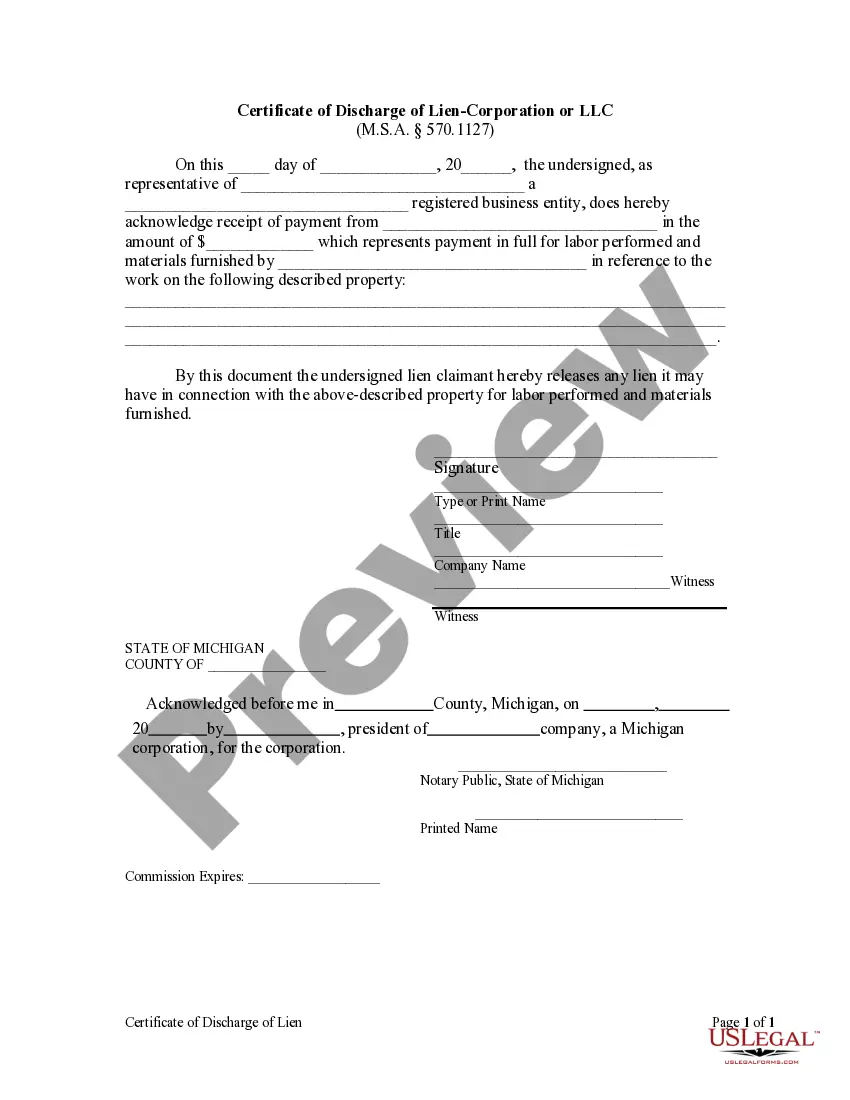
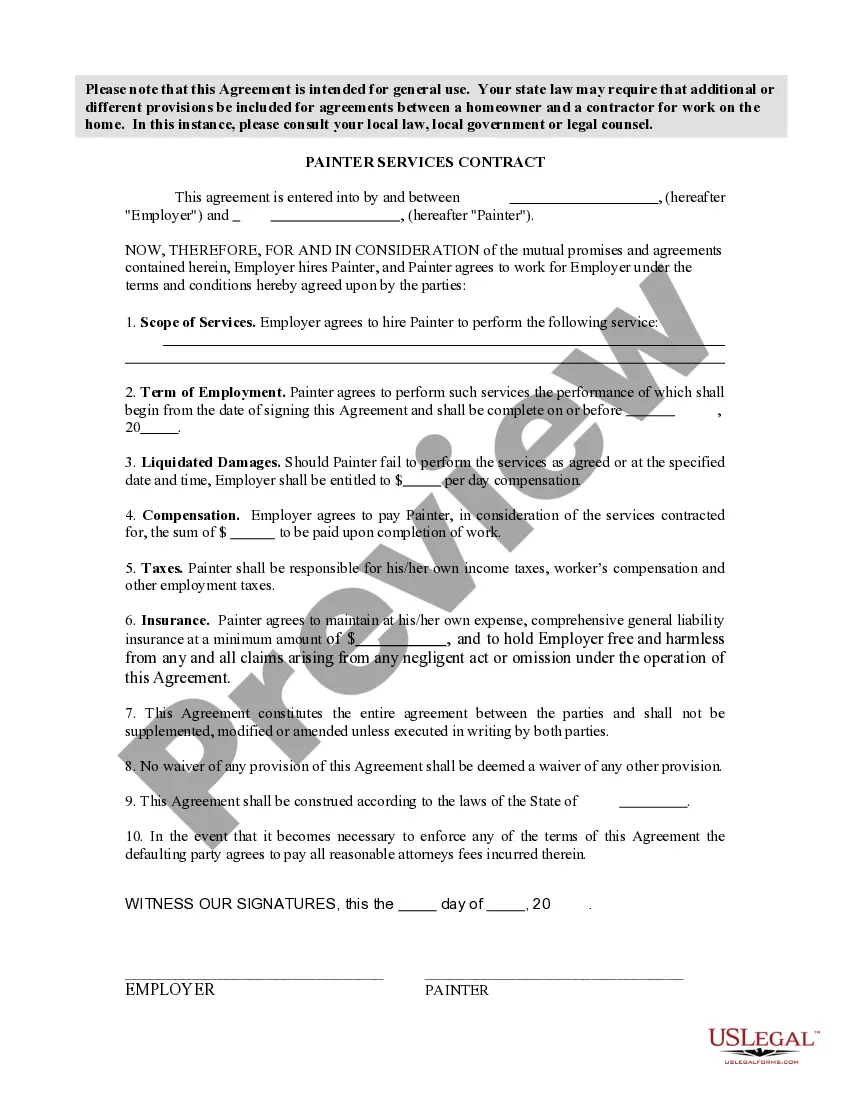
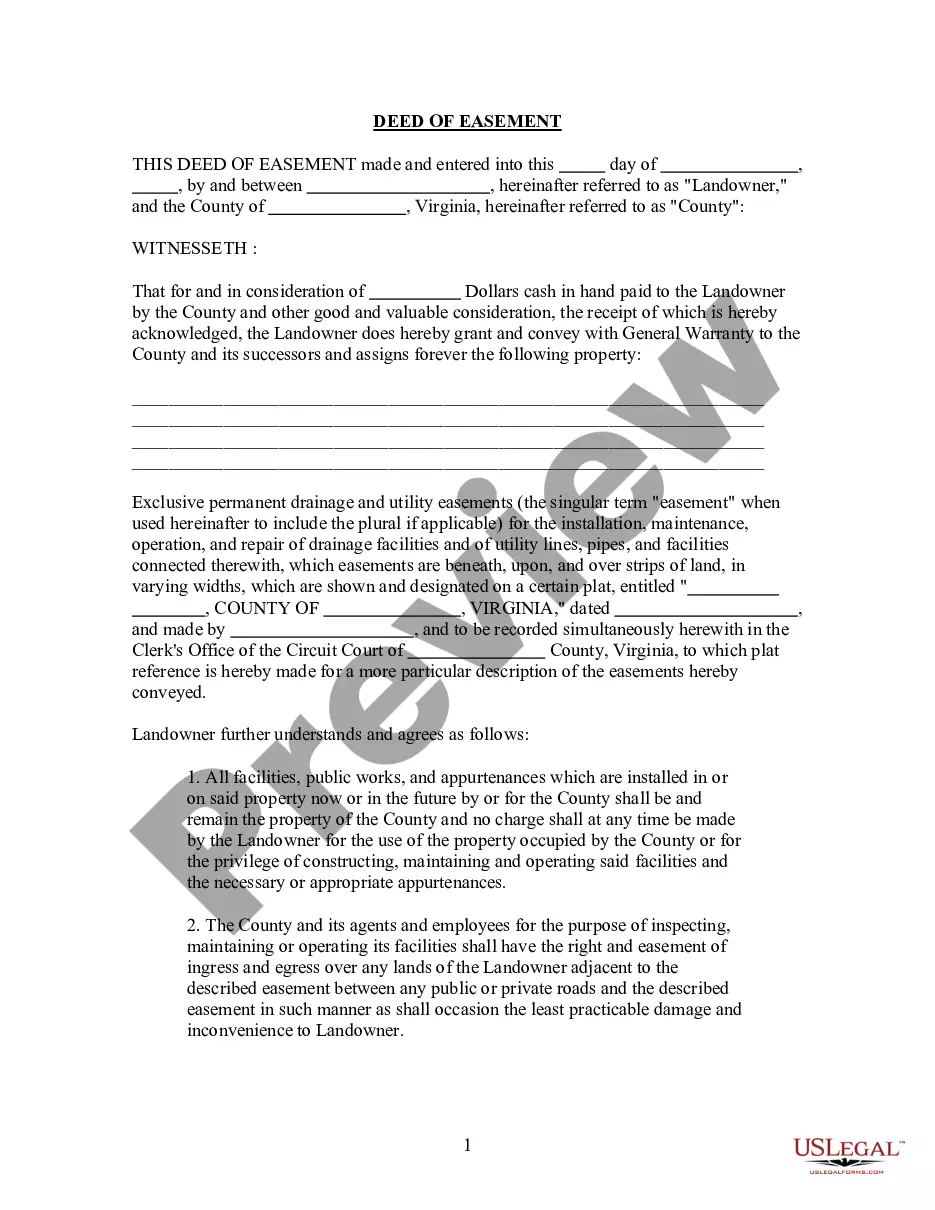

Form popularity
FAQ
Special sessions can last no longer than 30 days and are limited to the topics designated by the Governor (Texas Constitution Article 3, Section 40).
The governor can also call for lawmakers to convene for up to 30 days outside of regular sessions. During these so-called special sessions, lawmakers can pass laws only on issues outlined by the governor.
"The General Assembly shall meet in regular annual sessions and in such special sessions as occasion may require. Special sessions shall be convoked by the Secretary-General at the request of the Security Council or of a majority of the Members of the United Nations."
What restriction is placed on the Texas governor's special session power? The length of the special session is limited to 30 days.
A regular session is the annual or biennial gathering of legislators, the starting date (and often, the length) of which is set by constitution or statute. Unlike regular sessions, there is no specific timing for special (or extraordinary) sessions. They occur intermittently to deal with the specific issues or topics.
After the end of a regular session and before the start of the next regular session, the Governor may call a special session to cover specific topics. Special sessions can last no longer than 30 days and are limited to the topics designated by the Governor (Texas Constitution Article 3, Section 40).
Limitations on executive powers The governor's powers are constrained by the Texas Constitution, state laws, and the actions of the legislative and judicial branches. The legislature can override a governor's veto with a two-thirds majority vote in each chamber, limiting the executive's ability to block legislation.
After each legislative session, the Texas Secretary of State collects and publishes all of the bills and resolutions passed by the Texas Legislature. This collection is referred to as the "session laws" and is printed in multiple bound volumes called the General and Special Laws of Texas.
A regular session is the annual or biennial gathering of legislators, the starting date (and often, the length) of which is set by constitution or statute. Unlike regular sessions, there is no specific timing for special (or extraordinary) sessions. They occur intermittently to deal with the specific issues or topics.

