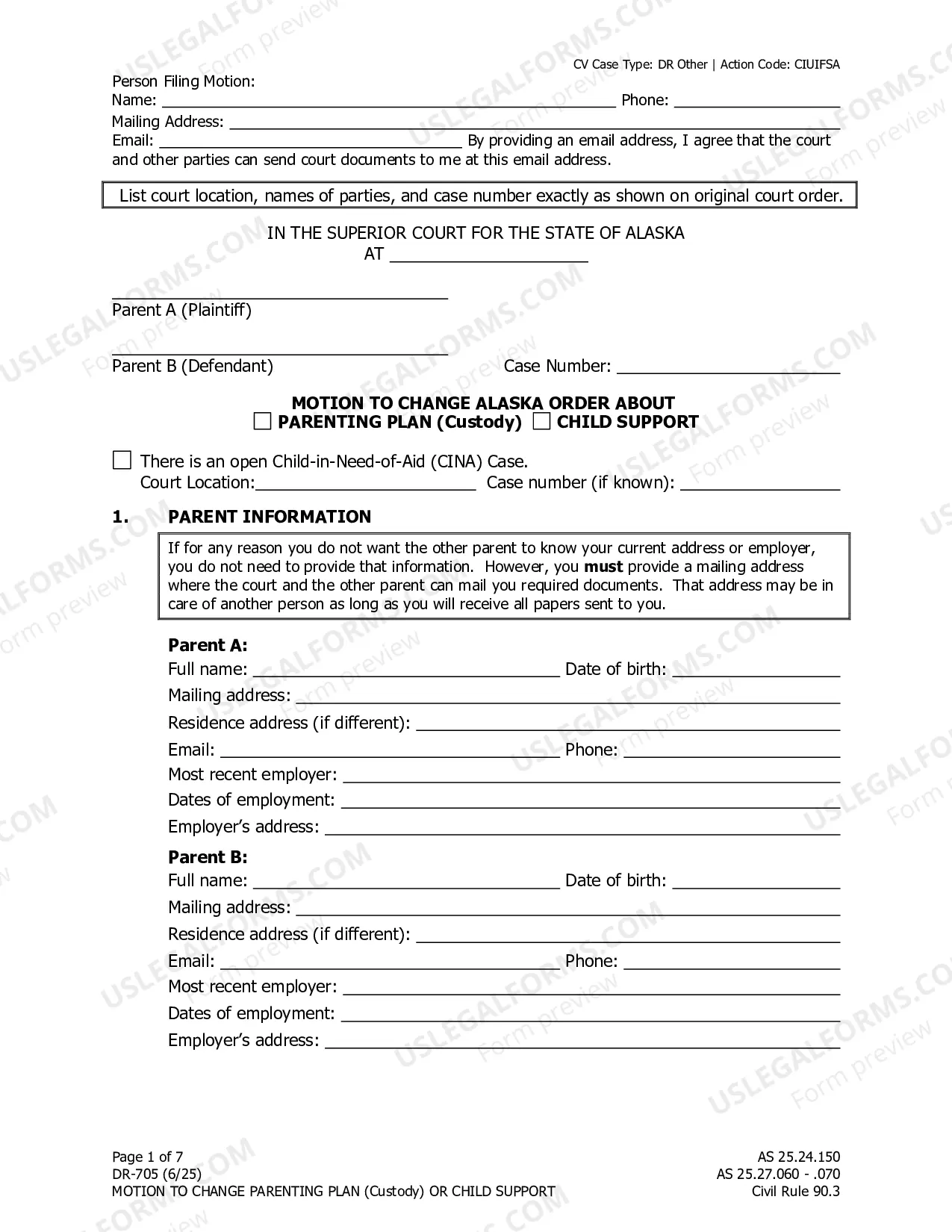
Complaint By Debtor For Harassment in Attempting to Collect a Debt, Using Harassing and Malicious Information, and Violating the Federal Fair Debt Collection Practices Act
Overview of this form
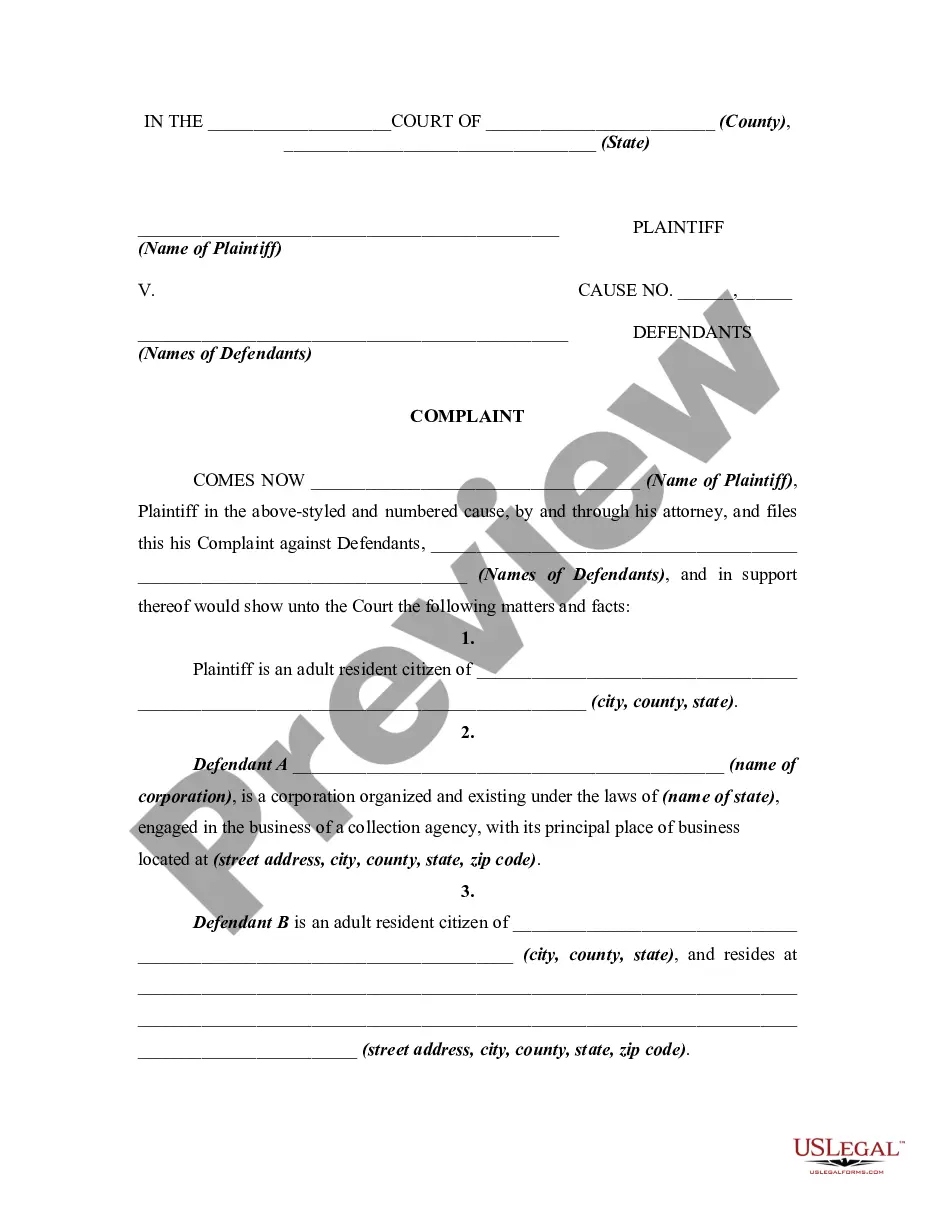
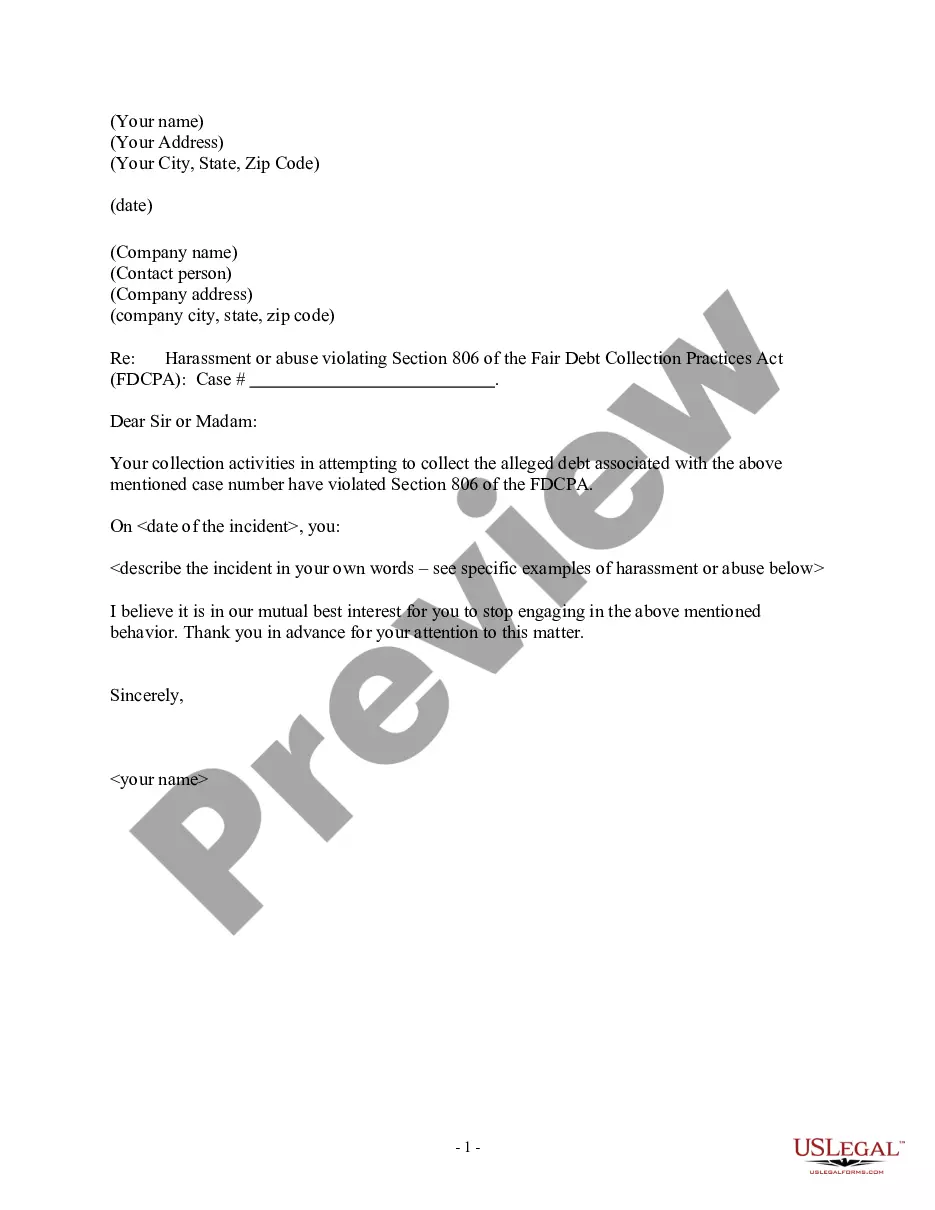
The Complaint by Debtor for Harassment in Attempting to Collect a Debt is a legal document used by individuals who have experienced harassment from debt collectors. This form allows debtors to formally complain about abusive practices that violate the Fair Debt Collection Practices Act (FDCPA). Unlike other legal forms related to debt, this specific complaint focuses on instances of harassment and malicious behavior by collection agencies or their employees.
What’s included in this form
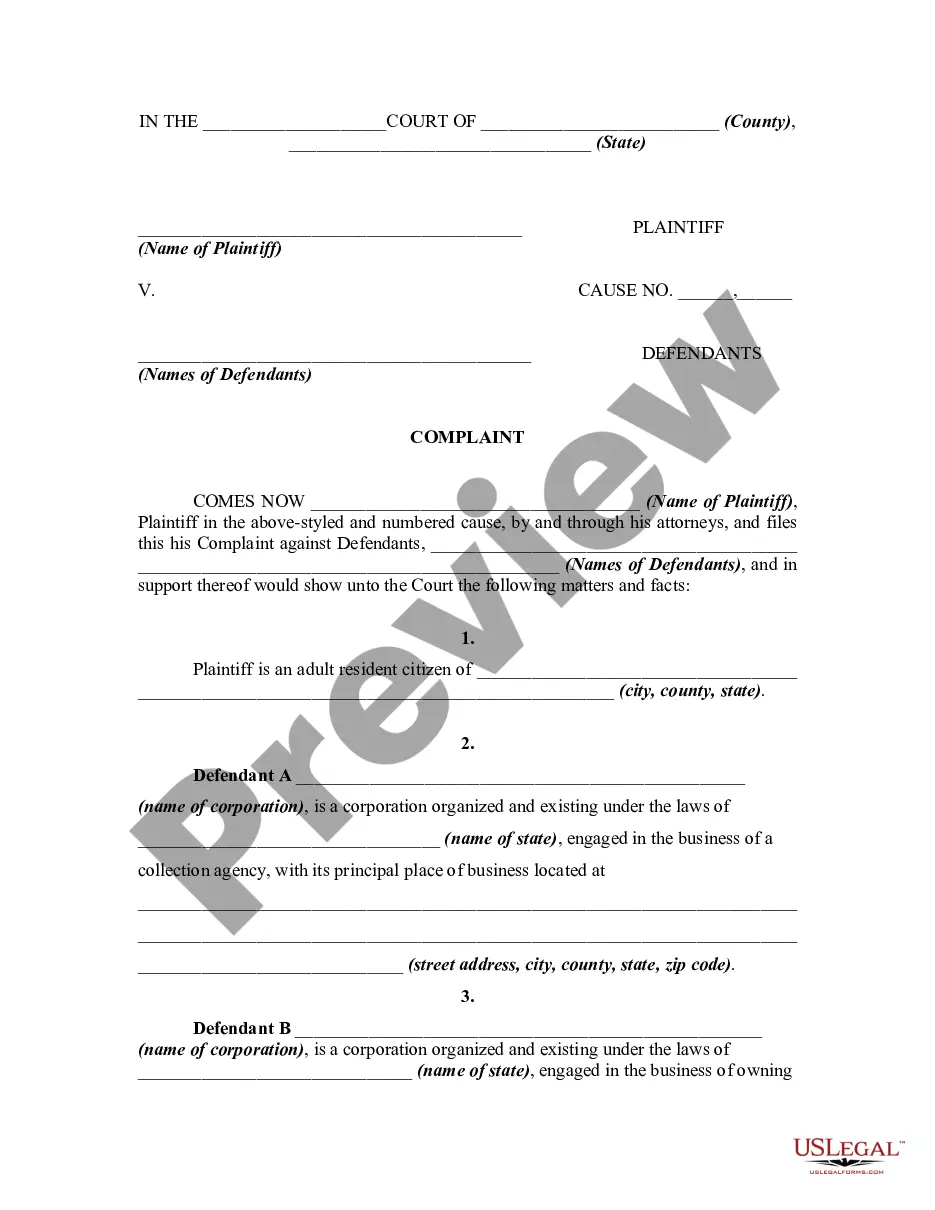
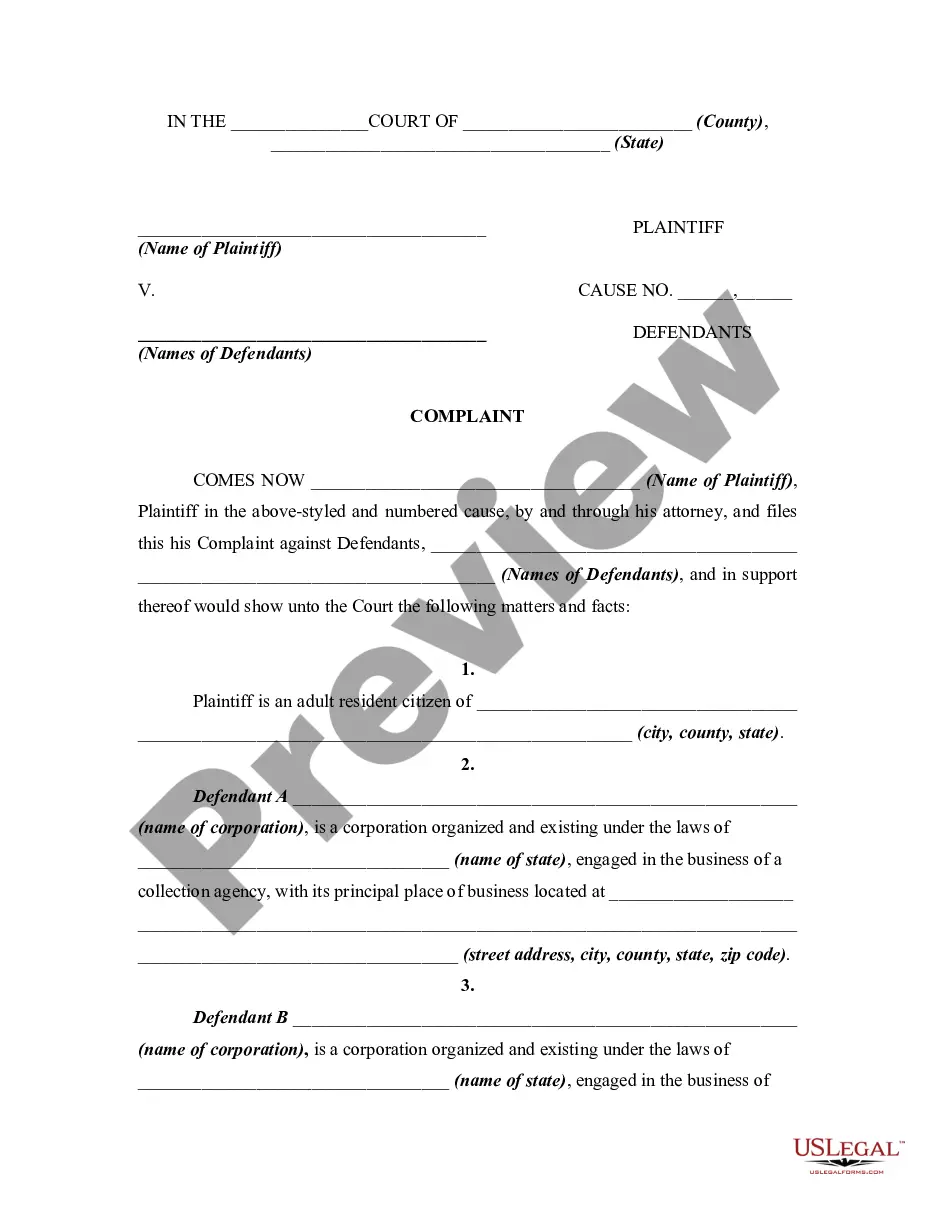
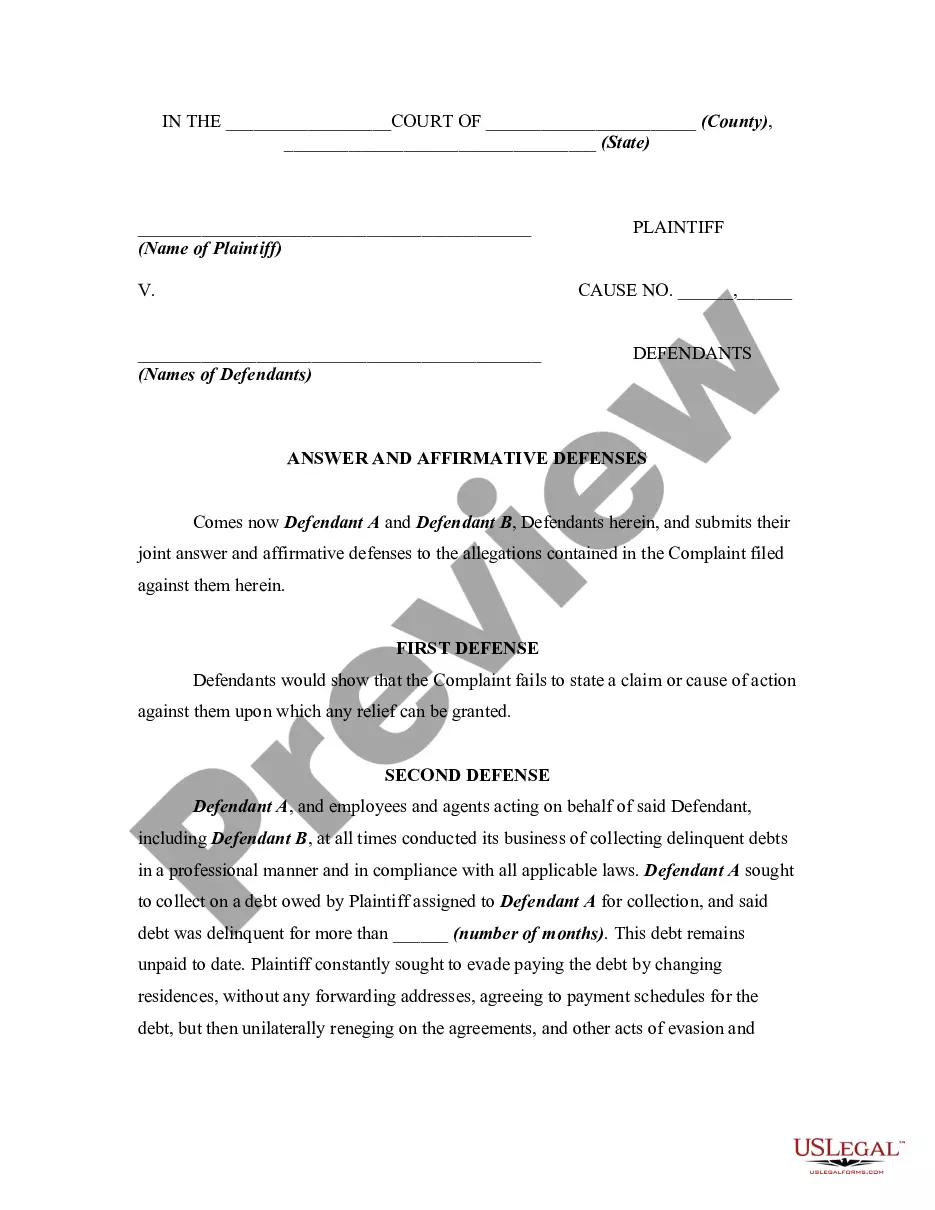
- Identification of the plaintiff and defendants involved in the complaint.
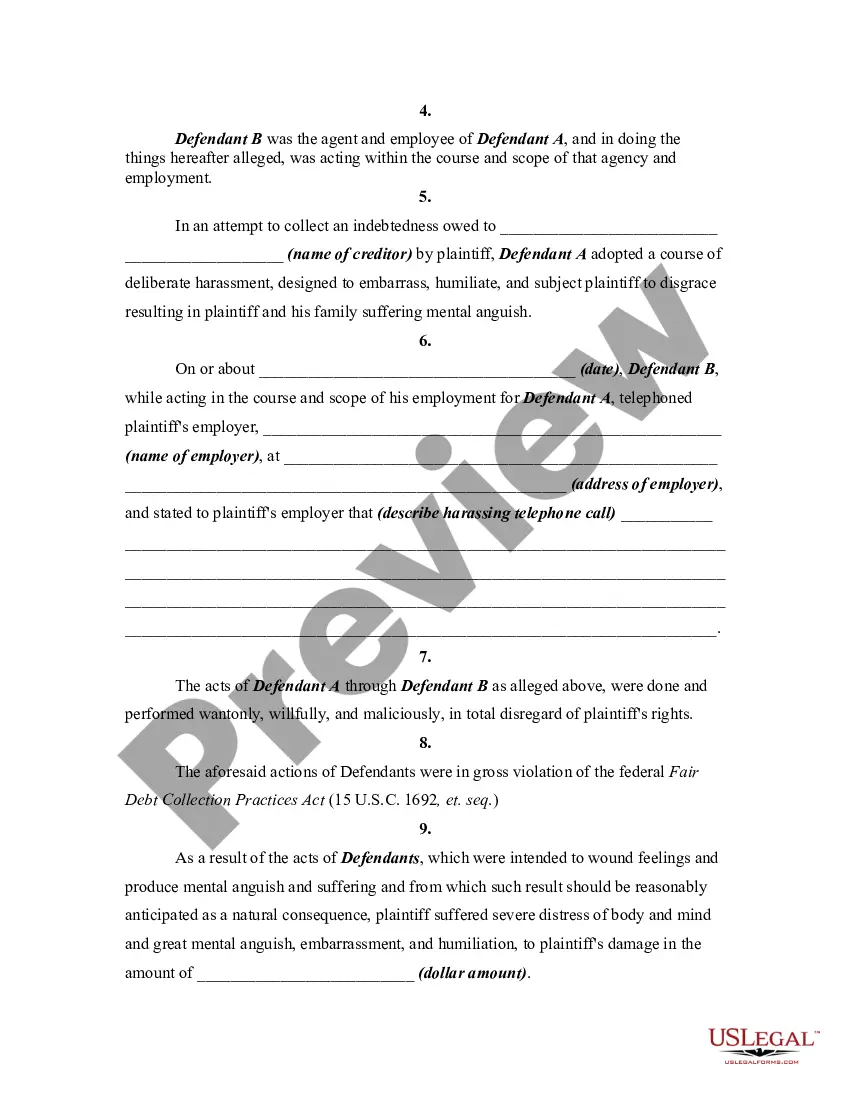
- Detailed account of the alleged harassing behavior by the collectors.
- Evidence of mental anguish caused by the harassment.
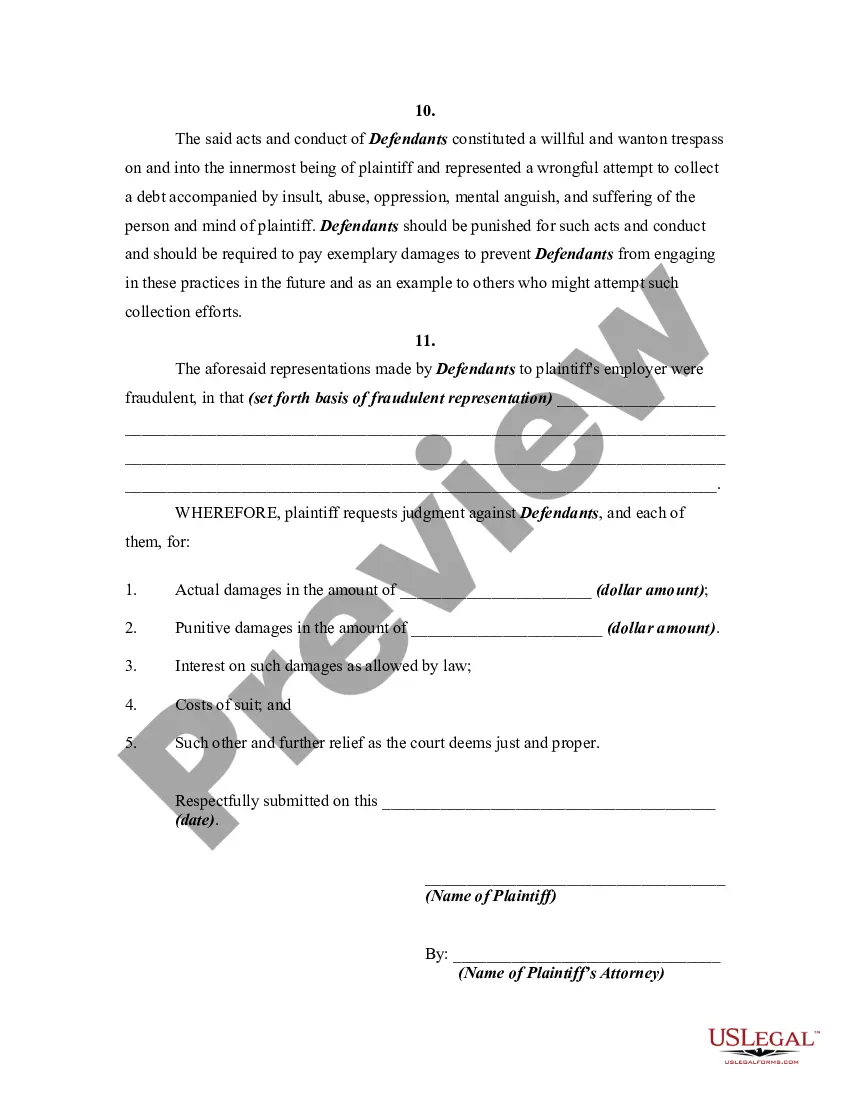
- Request for actual and punitive damages due to the misconduct.
- Signatures of the plaintiff and their attorney, if applicable.
Common use cases
This form should be used if you have received threatening or harassing phone calls from debt collectors or if they have used abusive language in their attempts to collect a debt. It is appropriate when such actions have caused you emotional distress, humiliation, or mental anguish, and you are seeking to hold the debt collector accountable under the FDCPA.
Intended users of this form
- Individuals who believe they have been harassed by a debt collector.
- Debtors who have suffered emotional distress due to aggressive collection tactics.
- People seeking legal recourse against agencies that violate debt collection regulations.
Steps to complete this form
- Enter your name and address as the plaintiff at the top of the form.
- List the names and addresses of the defendants involved in your complaint.
- Describe the specific harassing actions taken by the debt collector.
- Include details on how these actions impacted you emotionally.
- Specify the damages you are seeking in monetary terms.
- Sign and date the form, and include your attorney's information if applicable.
Does this document require notarization?
This form does not typically require notarization unless specified by local law. However, establishing a formal declaration can provide additional validation. Always check your local requirements to ensure compliance.
Get your form ready online
Our built-in tools help you complete, sign, share, and store your documents in one place.
Make edits, fill in missing information, and update formatting in US Legal Forms—just like you would in MS Word.
Download a copy, print it, send it by email, or mail it via USPS—whatever works best for your next step.
Sign and collect signatures with our SignNow integration. Send to multiple recipients, set reminders, and more. Go Premium to unlock E-Sign.
If this form requires notarization, complete it online through a secure video call—no need to meet a notary in person or wait for an appointment.
We protect your documents and personal data by following strict security and privacy standards.

Make edits, fill in missing information, and update formatting in US Legal Forms—just like you would in MS Word.

Download a copy, print it, send it by email, or mail it via USPS—whatever works best for your next step.

Sign and collect signatures with our SignNow integration. Send to multiple recipients, set reminders, and more. Go Premium to unlock E-Sign.

If this form requires notarization, complete it online through a secure video call—no need to meet a notary in person or wait for an appointment.

We protect your documents and personal data by following strict security and privacy standards.
Typical mistakes to avoid
- Failing to provide enough detail about the harassment experienced.
- Not including the exact dates when the harassment occurred.
- Leaving out critical information about the defendants.
- Neglecting to sign and date the form or to include attorney details if required.
Benefits of using this form online
- Convenient access to a legally drafted form tailored to your needs.
- Easy to edit and customize to reflect your specific situation.
- Reliable, professionally created content ensuring legal compliance.
Legal use & context
- This form establishes the legal grounds for a complaint under the FDCPA.
- The FDCPA provides significant protections for consumers against abusive debt collection practices.
- Using this form correctly may lead to compensatory and punitive damages for wrongful debt collection attempts.
Summary of main points
- This form addresses harassment by debt collectors as defined under the FDCPA.
- It is crucial for debtors to understand their rights when dealing with collection agencies.
- Completing the form carefully increases the likelihood of a successful complaint.
Looking for another form?
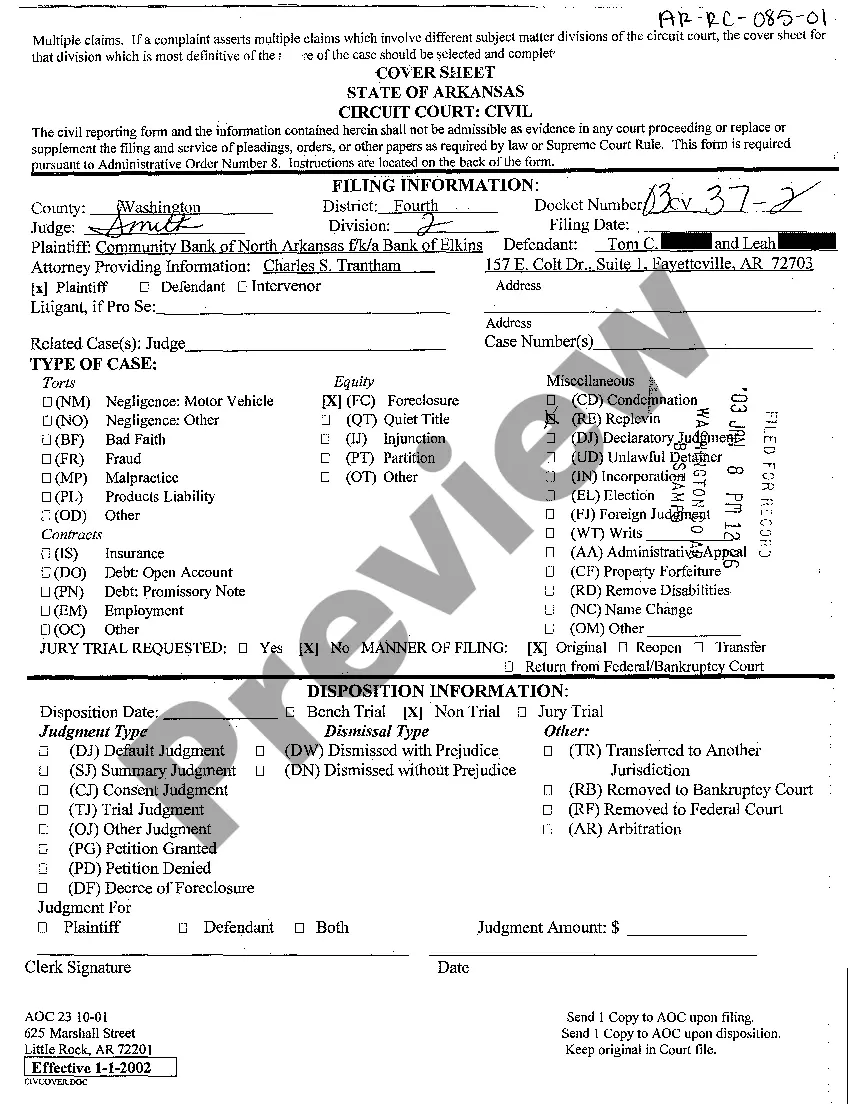
Form popularity
FAQ
A term used in accounting, 'creditor' refers to the party that has delivered a product, service or loan, and is owed money by one or more debtors. A debtor is the opposite of a creditor it refers to the person or entity who owes money.
The amount owed to a business will fluctuate alongside the amount it owes, affecting the assets and liabilities on your balance sheet. Customers who don't pay for products or services up front are debtors to your business, which serves as the creditor in this instance.
In short, a creditor is someone who lends money while a debtor is someone who owes money to a creditor. Ensuring the smooth flow of working capital is done by a company keeping track of the time lag between the receipt of payment from the debtors as well as payment of money to the creditors.
A debtor is a term used in accounting to describe the opposite of a creditor an individual that owes money, or who is in debt to an organisation or person. For example, a debtor is somebody who has taken out a loan at a bank for a new car. Examples of debtors: Trade debtors money owed from customers. Staff loans.