Release With Prejudice Without Prejudice In Queens
Description



Form popularity
FAQ
Conclusion: Going to small claims court may be worth it for $500, but it will determine how you weigh your costs versus benefits. At a minimum, it is worth it to send a demand letter.
A “motion to dismiss” is typically filed in response to a complaint and is made in lieu of filing an “answer.” Technically, a plaintiff can move to “strike” a defense that a defendant has pled, given that defenses are subject to the same pleading requirements as are the plaintiff's claims.
You can wear almost anything to small claims court . The judge does not care what you are wearing .
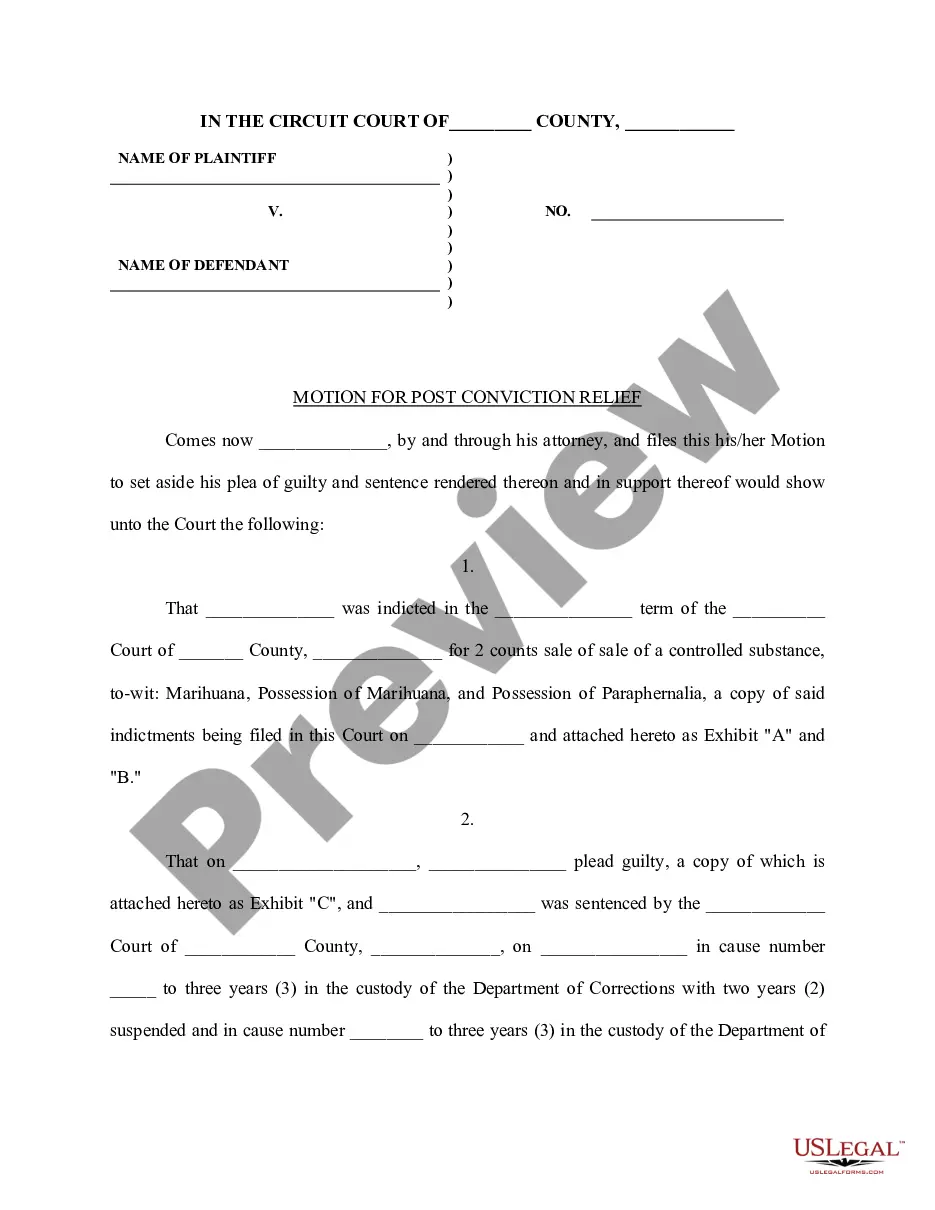
If the court grants these motions to dismiss, the case is over, but the plaintiff can correct the problem and start the case again. This is called a dismissal without prejudice. Other motions to dismiss ask for dismissal with prejudice. This means that the case can't be started again.
If you see a potential for a motion to dismiss, this is an opportunity to inform the client how much legal expertise is necessary for such a filing. In other words, they will be facing a daunting challenge trying to represent themselves and will likely need an attorney more than ever.
Common Grounds for Filing a Motion to Dismiss. Lack of Subject Matter Jurisdiction. Lack of Personal Jurisdiction. Improper Venue. Insufficient Service of Process.
Defendants may move to dismiss on the following grounds: Lack of subject matter jurisdiction (FRCP 12(b)(1)Opens in a new window). Lack of personal jurisdiction (FRCP 12(b)(2)Opens in a new window). Improper venue (FRCP 12(b)(3)Opens in a new window).
For example, before disgraced comedian Bill Cosby's retrial, his defense team filed a motion to dismiss, arguing that the sexual assault alleged in the criminal complaint had happened outside of the statute of limitations.
If you want to file a motion, the process is generally something like this: You write your motion. You file your motion with the court clerk. The court clerk inserts the date and time your motion will be heard by the judge. You “serve” (mail) your motion to the other side.
Steps to File a Motion to Dismiss Review the Complaint Thoroughly. Carefully read the plaintiff's complaint to identify any legal deficiencies. Research Relevant Laws and Precedents. Draft the Motion. Include a Conclusion. File the Motion with the Court.

