Personal Property Document With No Intrinsic Value Called
Description

Get your form ready online
Our built-in tools help you complete, sign, share, and store your documents in one place.
Make edits, fill in missing information, and update formatting in US Legal Forms—just like you would in MS Word.
Download a copy, print it, send it by email, or mail it via USPS—whatever works best for your next step.
Sign and collect signatures with our SignNow integration. Send to multiple recipients, set reminders, and more. Go Premium to unlock E-Sign.
If this form requires notarization, complete it online through a secure video call—no need to meet a notary in person or wait for an appointment.
We protect your documents and personal data by following strict security and privacy standards.

Make edits, fill in missing information, and update formatting in US Legal Forms—just like you would in MS Word.

Download a copy, print it, send it by email, or mail it via USPS—whatever works best for your next step.

Sign and collect signatures with our SignNow integration. Send to multiple recipients, set reminders, and more. Go Premium to unlock E-Sign.

If this form requires notarization, complete it online through a secure video call—no need to meet a notary in person or wait for an appointment.

We protect your documents and personal data by following strict security and privacy standards.
Looking for another form?



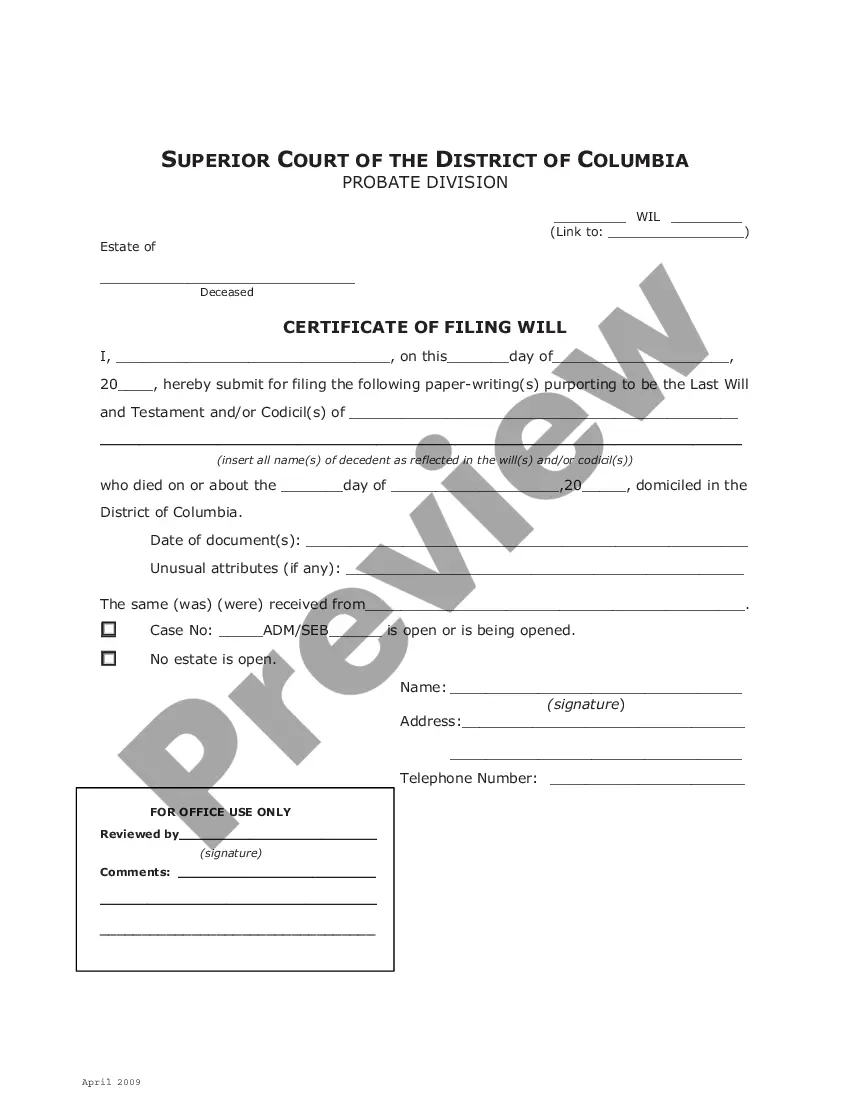




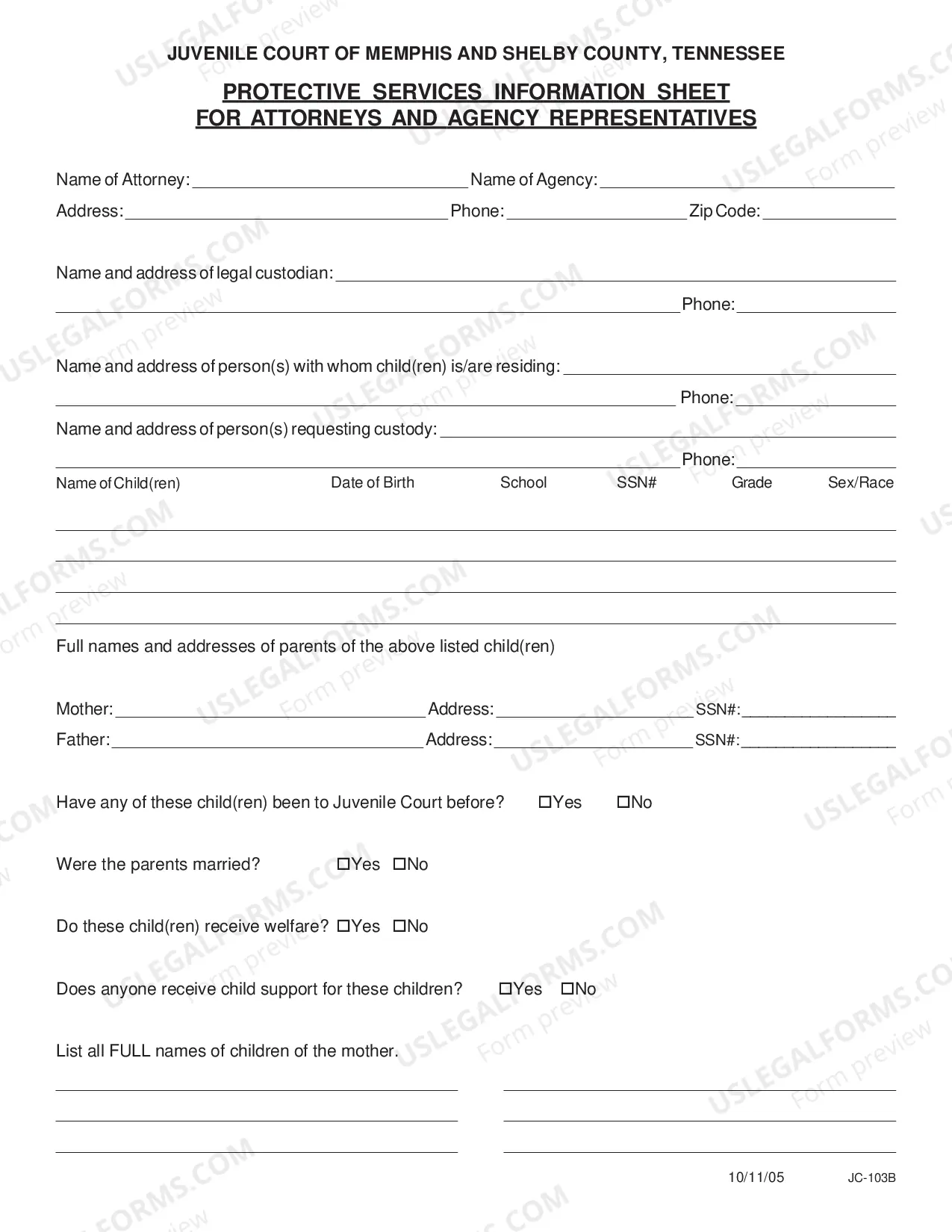
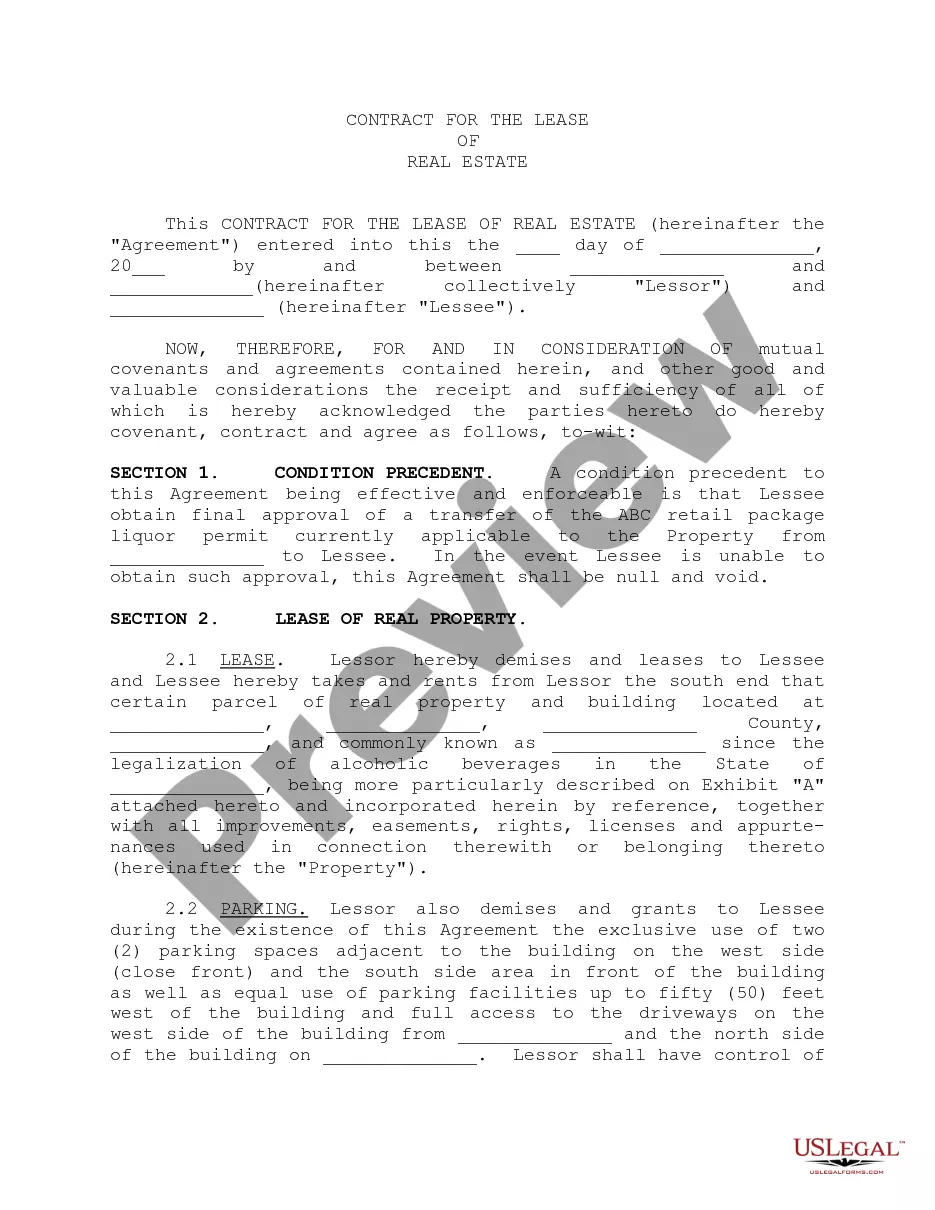
How to fill out Contract For The Lease Of Personal Property?
The Personal Property Document Lacking Intrinsic Value Featured on this page is a versatile legal template crafted by experienced attorneys in accordance with federal and local laws.
For over 25 years, US Legal Forms has supplied individuals, businesses, and legal practitioners with more than 85,000 validated, state-specific templates for any business and personal circumstance. It is the fastest, simplest, and most trustworthy method to acquire the paperwork you require, as the service guarantees the utmost level of data security and malware protection.
Subscribe to US Legal Forms to have verified legal templates for all of life's situations readily available.
- Search for the necessary document and review it.
- Examine the sample you searched for and preview it or assess the form details to ensure it meets your requirements. If it does not, utilize the search option to locate the appropriate one. Click Buy Now once you have identified the template you need.
- Register and Log In.
- Select the pricing plan that fits your needs and create an account. Use PayPal or a credit card to make a swift payment. If you already possess an account, Log In and verify your subscription to proceed.
- Acquire the editable template.
- Pick the format you desire for your Personal Property Document Lacking Intrinsic Value (PDF, DOCX, RTF) and download the template onto your device.
- Fill out and sign the document.
- Print the template to complete it by hand. Alternatively, utilize an online comprehensive PDF editor to promptly and accurately fill out and sign your form with a legally binding electronic signature.
- Retrieve your document again.
- Utilize the same document again whenever required. Access the My documents tab in your profile to redownload any previously saved forms.
Form popularity
FAQ
Valuing tangible personal property involves assessing the current market value of the item based on its condition, demand, and age. You can consult appraisal services or use online resources to get a fair estimate. This valuation plays a vital role in creating a personal property document with no intrinsic value called, ensuring you accurately represent your assets for legal or insurance purposes.
Tangible personal property includes physical items you can touch and feel, such as furniture, vehicles, and equipment. In contrast, intangible personal property consists of non-physical assets like copyrights, patents, or stocks. Understanding the distinction is crucial when preparing a personal property document with no intrinsic value called. It helps ensure you categorize your assets correctly for legal and financial purposes.
An example of intangible personal property is a company's trademark. This represents the brand's identity and is legally protected, even though you cannot touch it. When creating a personal property document with no intrinsic value called, it is crucial to include such intangible assets, as they form an important part of your overall property portfolio.
Personal property encompasses both tangible items, like furniture or cars, and intangible items that lack physical form. Intangible property specifically includes assets that are non-physical, such as patents, copyrights, and trademarks. Understanding this distinction is essential when dealing with a personal property document with no intrinsic value called, as it helps clarify your property type and potential legal implications.
Intangible personal property refers to assets that do not have a physical presence but still hold value. This type of property includes things like intellectual property rights and digital assets. In legal contexts, a personal property document with no intrinsic value called could describe such assets, helping you understand your rights and ownership.
The IRS defines tangible personal property as physical items you can touch and are not real estate. This includes items like vehicles, furniture, and equipment. It's important to note that a personal property document with no intrinsic value called can help you track these assets for tax purposes. Proper documentation can aid in identifying potential deductions or loss claims.
Non-tangible assets are not considered tangible personal property. This includes items such as stocks, copyrights, and cryptocurrency. Such assets do not have a physical form, yet they can significantly impact your financial standing. It is advisable to prepare a personal property document with no intrinsic value called to detail these non-tangible assets accurately.
The two main categories of personal property are tangible and intangible. Tangible personal property consists of physical items such as real estate and personal goods. Intangible property, on the other hand, includes assets that exist in non-physical forms like patents and digital currencies. Clearly understanding these categories helps in creating a comprehensive personal property document with no intrinsic value called.
Examples of tangible personal property include physical items like cars, appliances, furniture, and electronics. These are goods you can touch and see, making them easy to identify and value. Knowing the distinction can help when organizing your possessions and preparing a personal property document with no intrinsic value called. This process can be simplified through platforms like uslegalforms.
Intangible personal property refers to assets that do not have a physical form but can hold significant value. This category includes things like intellectual property rights, shares in a company, and digital assets. Intangible property can be essential for business operations, and legal documentation, such as a personal property document with no intrinsic value called, helps clarify the ownership of these assets.