Personal Property Form For Will In Hennepin
Description

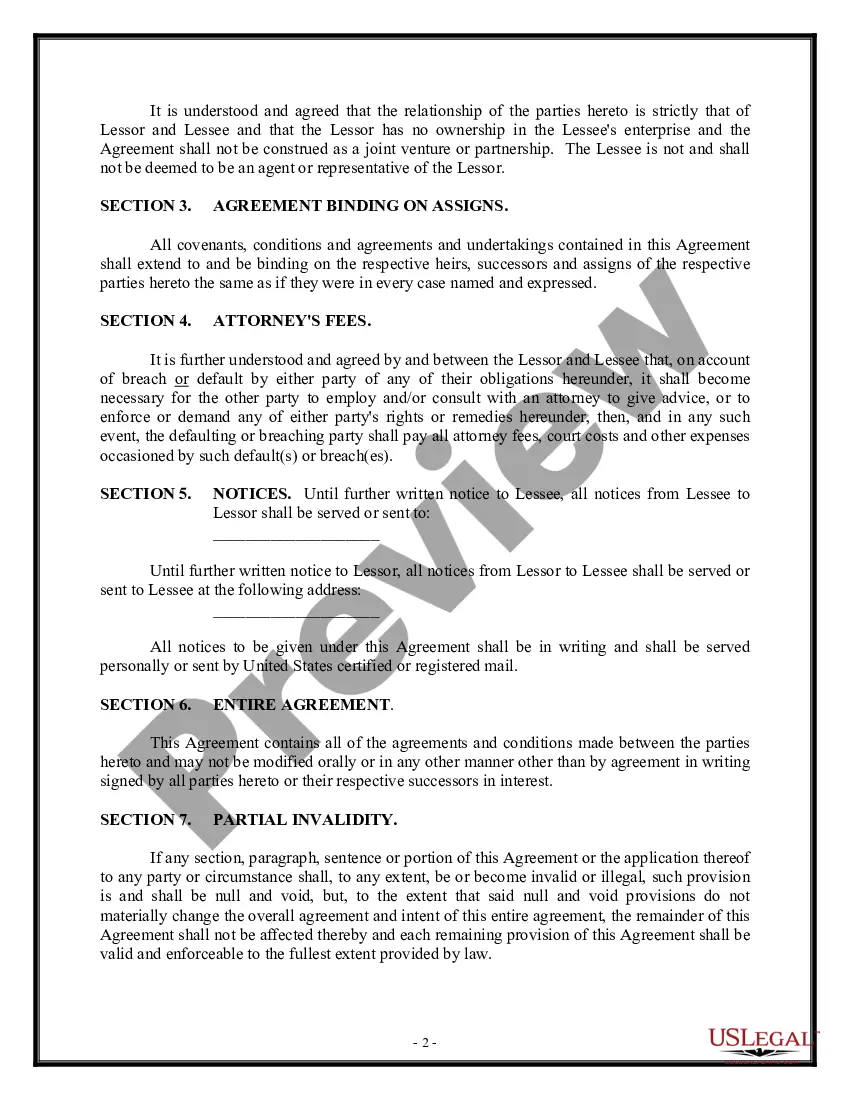
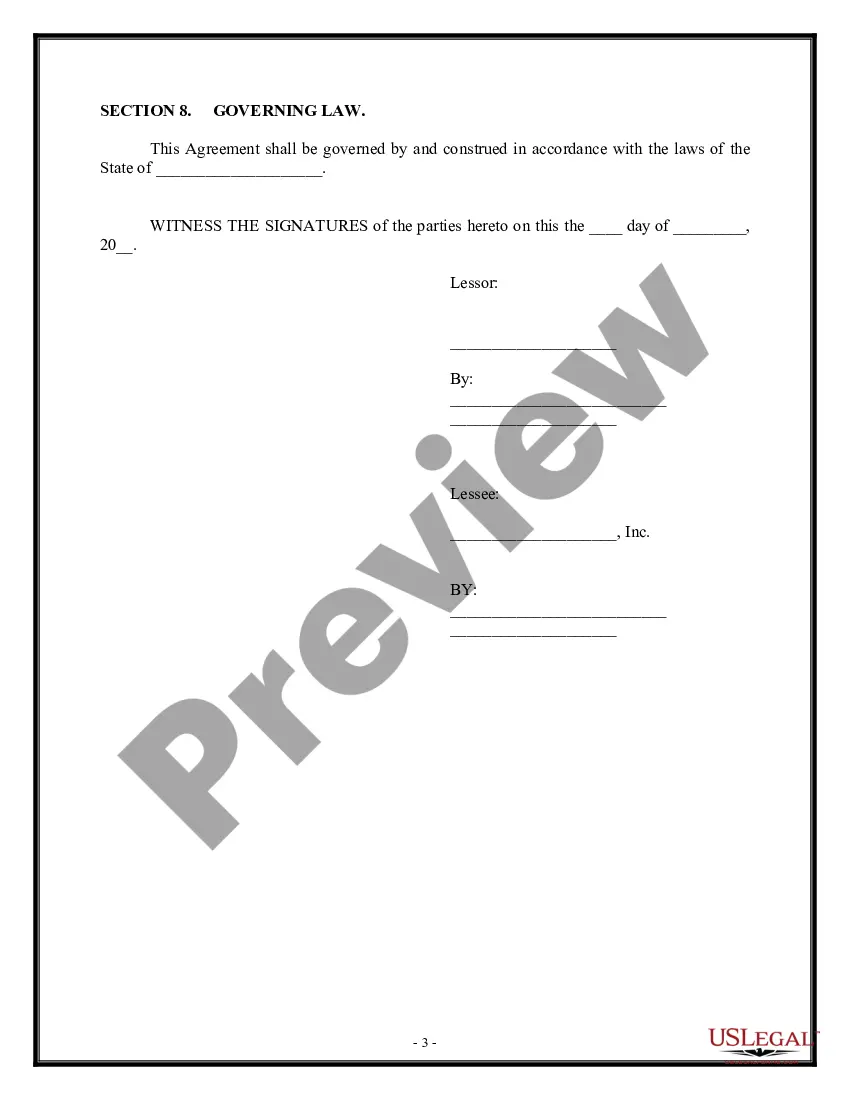
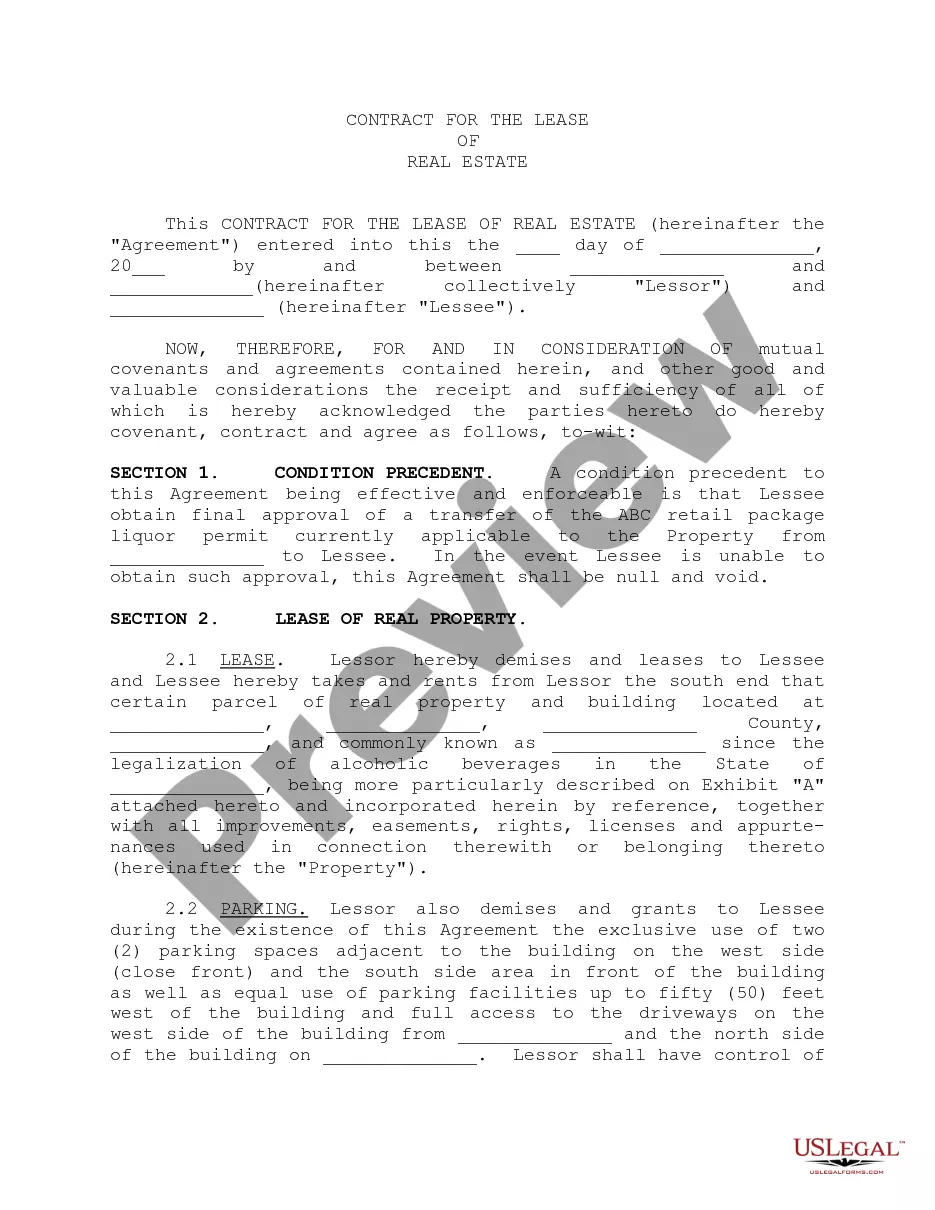
Get your form ready online
Our built-in tools help you complete, sign, share, and store your documents in one place.
Make edits, fill in missing information, and update formatting in US Legal Forms—just like you would in MS Word.
Download a copy, print it, send it by email, or mail it via USPS—whatever works best for your next step.
Sign and collect signatures with our SignNow integration. Send to multiple recipients, set reminders, and more. Go Premium to unlock E-Sign.
If this form requires notarization, complete it online through a secure video call—no need to meet a notary in person or wait for an appointment.
We protect your documents and personal data by following strict security and privacy standards.

Make edits, fill in missing information, and update formatting in US Legal Forms—just like you would in MS Word.

Download a copy, print it, send it by email, or mail it via USPS—whatever works best for your next step.

Sign and collect signatures with our SignNow integration. Send to multiple recipients, set reminders, and more. Go Premium to unlock E-Sign.

If this form requires notarization, complete it online through a secure video call—no need to meet a notary in person or wait for an appointment.

We protect your documents and personal data by following strict security and privacy standards.
Looking for another form?









Form popularity
FAQ
If your personal property exceeds $75,000 or you own real estate in your name alone, your estate must be probated.
You normally need not get very specific, unless an object is particularly valuable. It is enough to list the location of the property: "all household furnishings and possessions in the apartment at 55 Drury Lane."
First and foremost, there are a number of asset types that typically do not pass through probate. This includes life insurance policies, bank accounts, and investment or retirement accounts that require you to name a beneficiary.
A will does not have to be "filed" anywhere after it is signed and witnessed, but make sure it can be found after you die. Make sure it is in a safe place. You can give it to your Personal Representative since this is a person you trust and is the person who makes sure your wishes are carried out.
In simple terms, any property or asset that designates someone else as an owner in the event of death will fall under non-probate property.
Non-Probate Assets bank or brokerage accounts that are held jointly or with a payable-on-death beneficiary designation to a surviving person; investment or retirement accounts or insurance policies that have a designated beneficiary other than the decedent that survives the decedent; or. property held in a trust.
Non-Probate Assets bank or brokerage accounts that are held jointly or with a payable-on-death beneficiary designation to a surviving person; investment or retirement accounts or insurance policies that have a designated beneficiary other than the decedent that survives the decedent; or. property held in a trust.
You can write a list of who should receive what item. If your will references the list, it will be enforceable. Be careful about how you describe each item so that there is no confusion. Unlike your will, this list can be if you like, and you can change it without having to go back and redo your will.
You normally need not get very specific, unless an object is particularly valuable. It is enough to list the location of the property: "all household furnishings and possessions in the apartment at 55 Drury Lane."