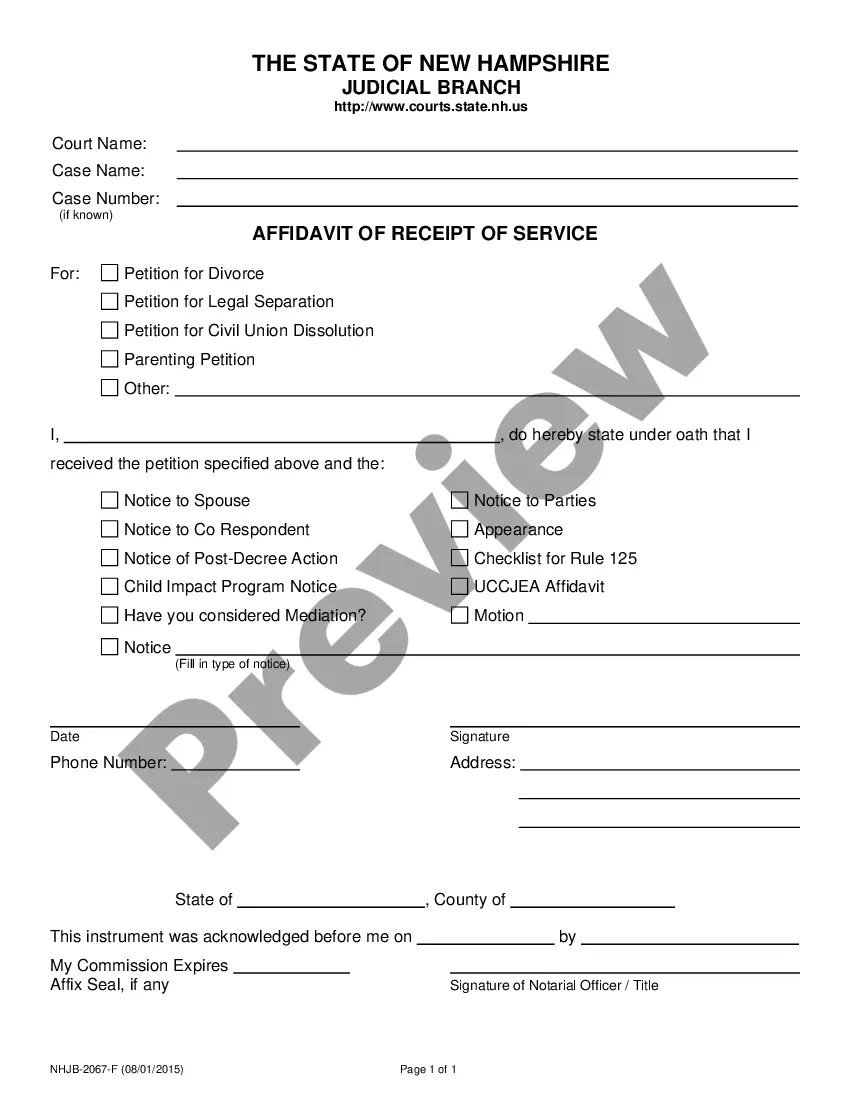
Operating Deficit Guaranty: Targeted Affordable Housing Properties With Preservation Rehabilitation
What is this form?
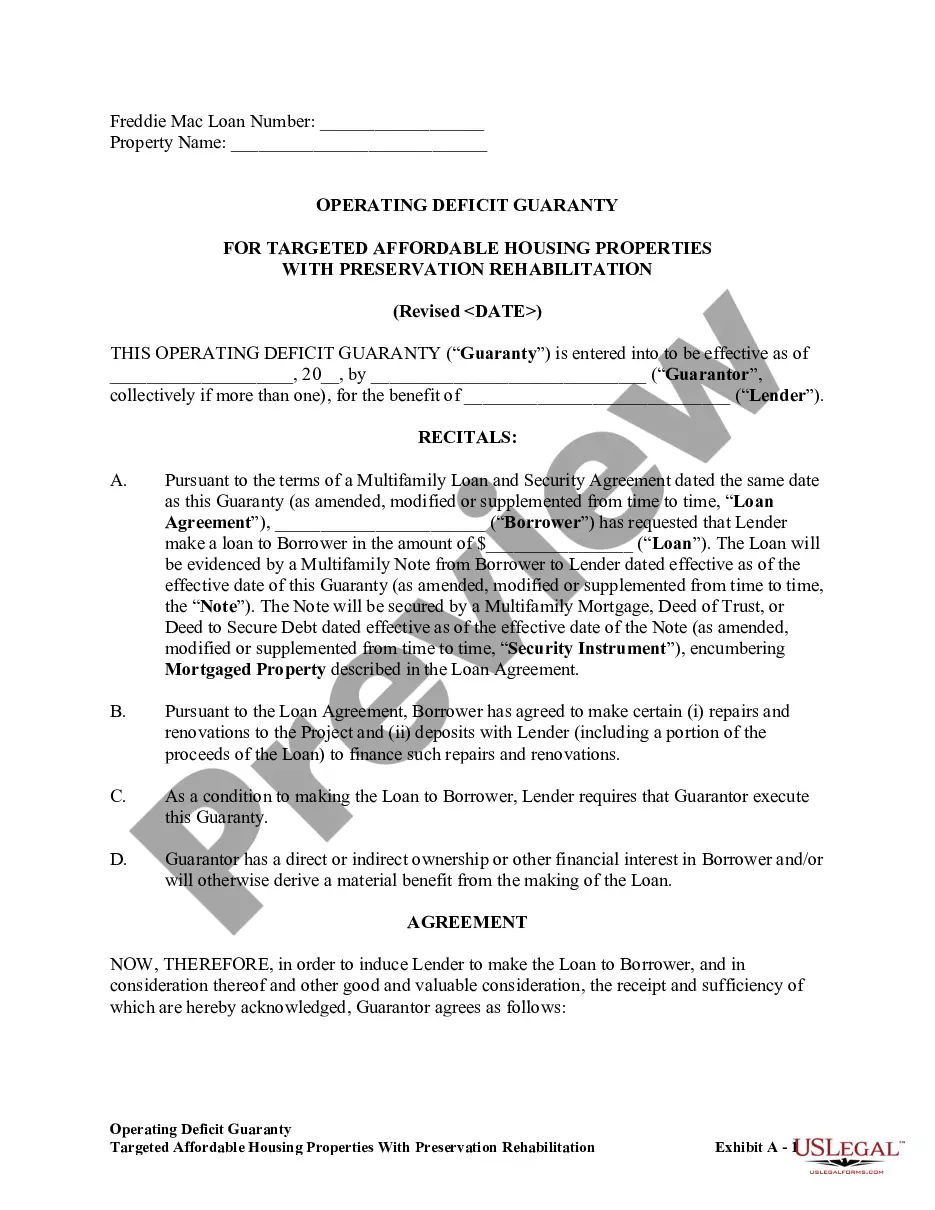
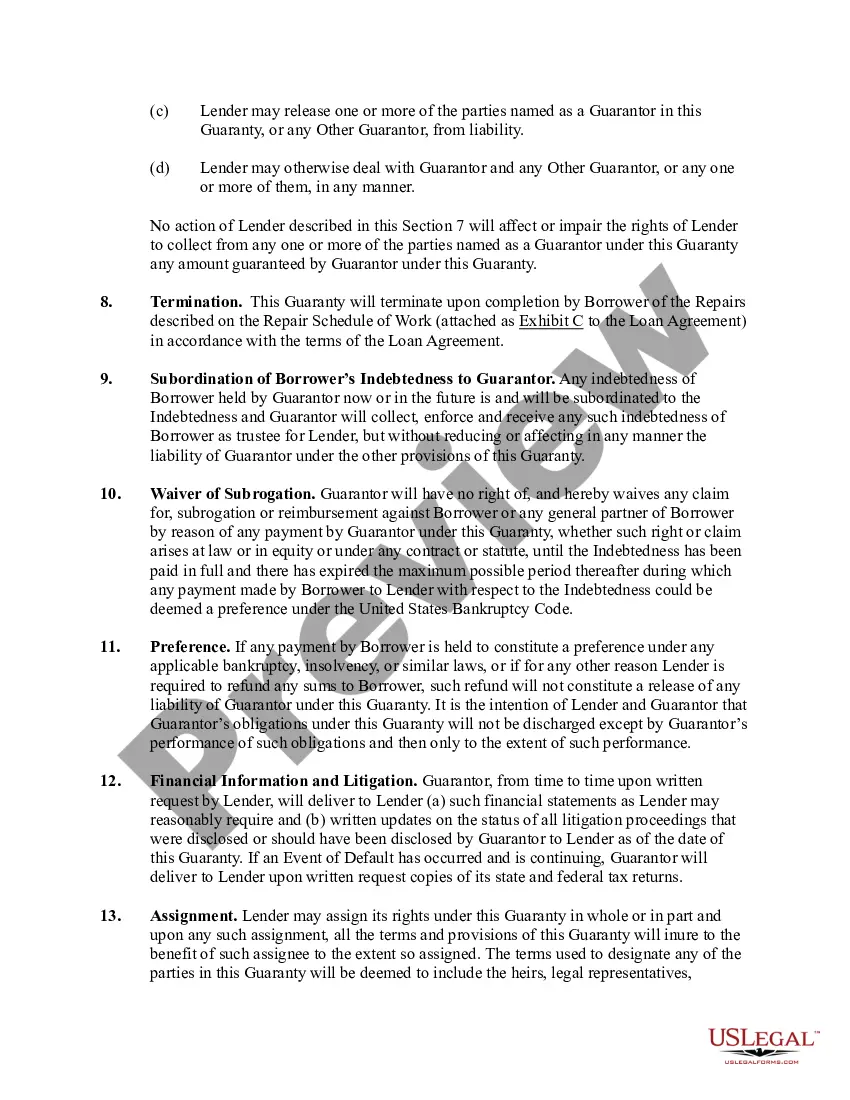
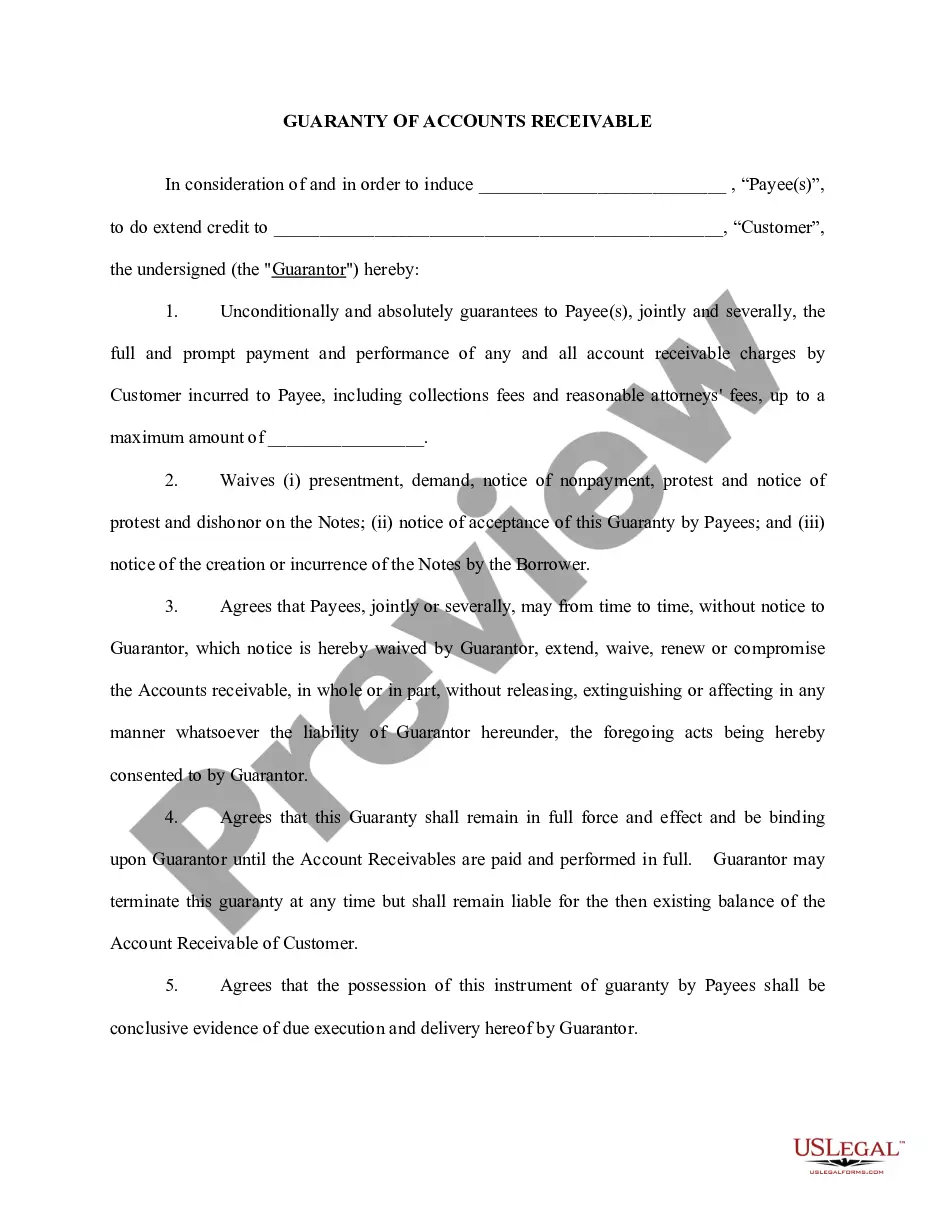
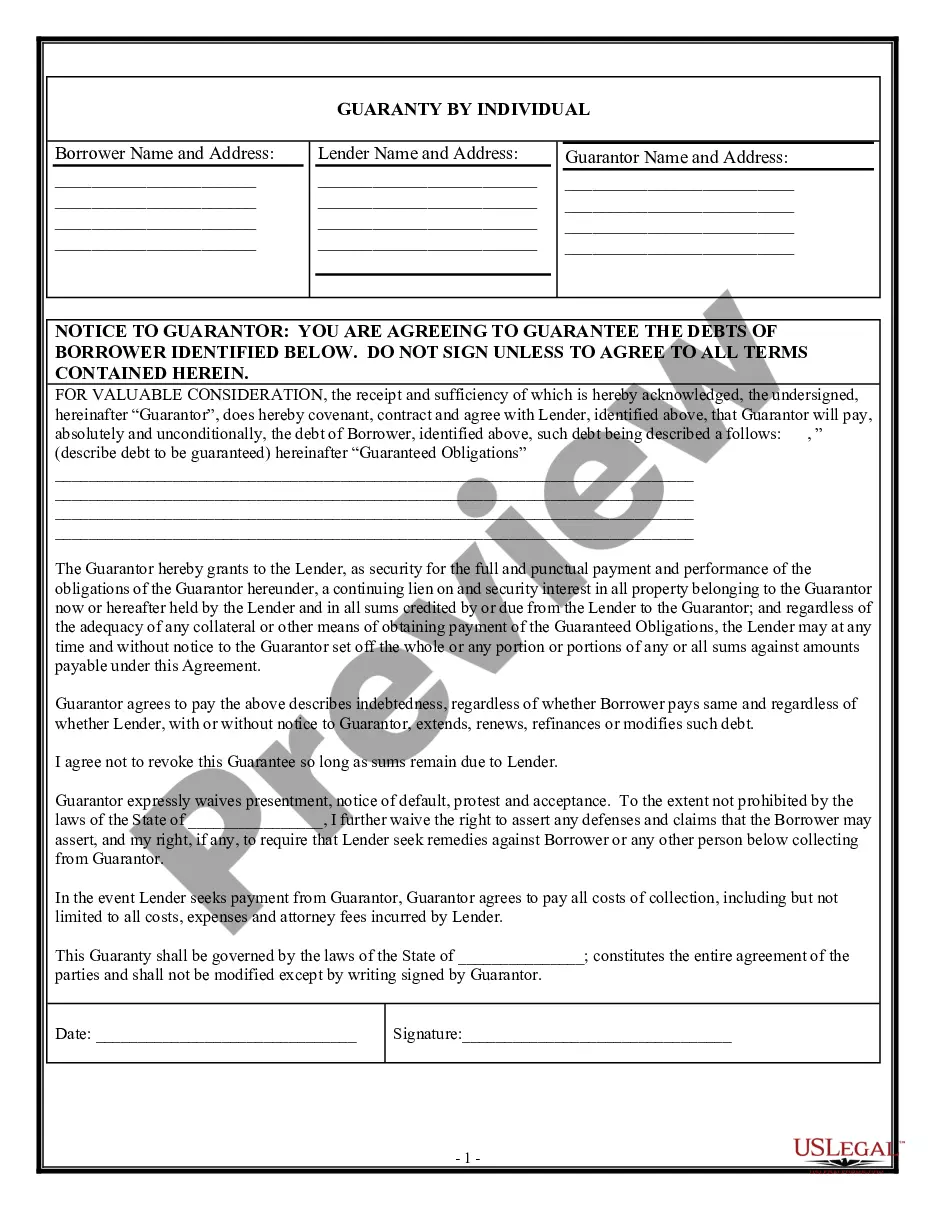
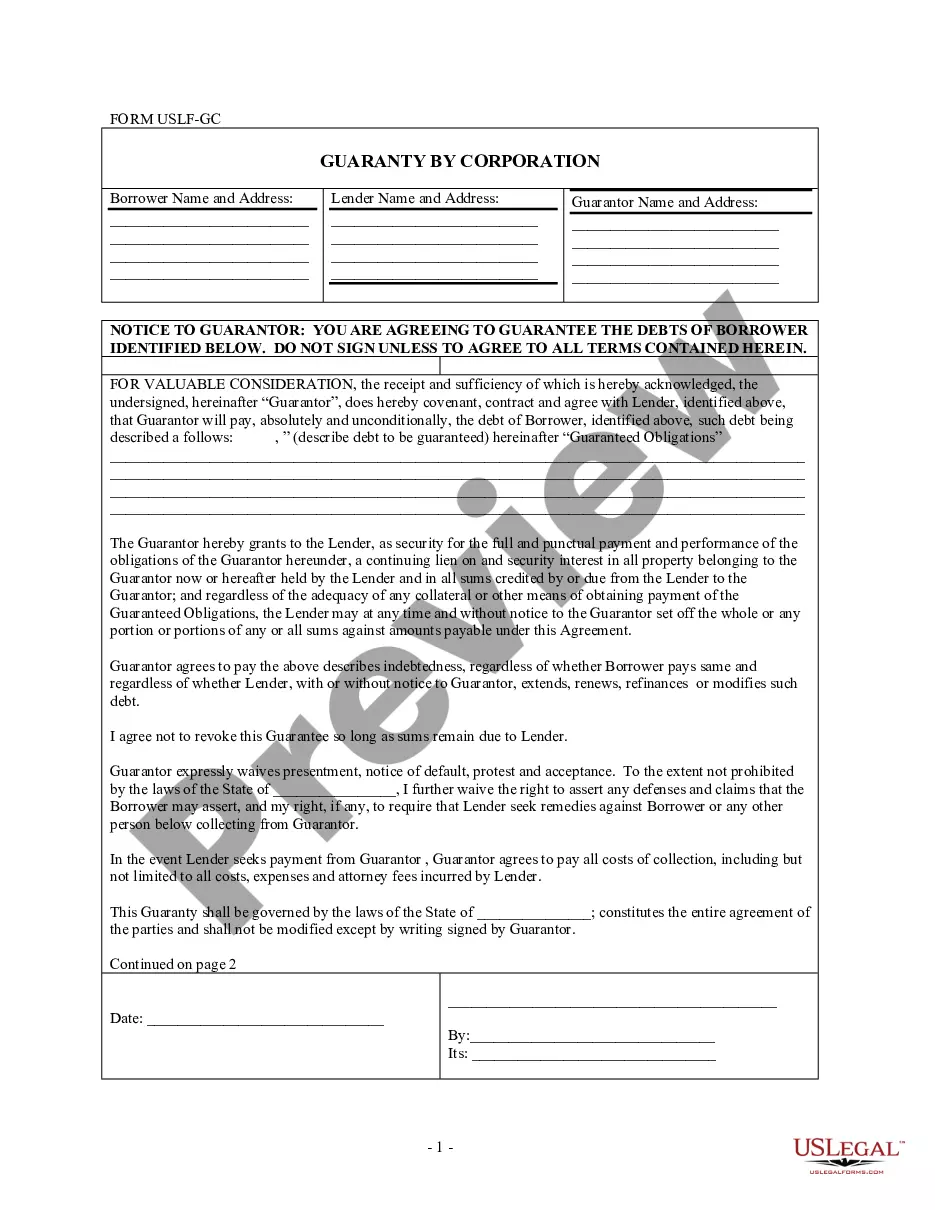
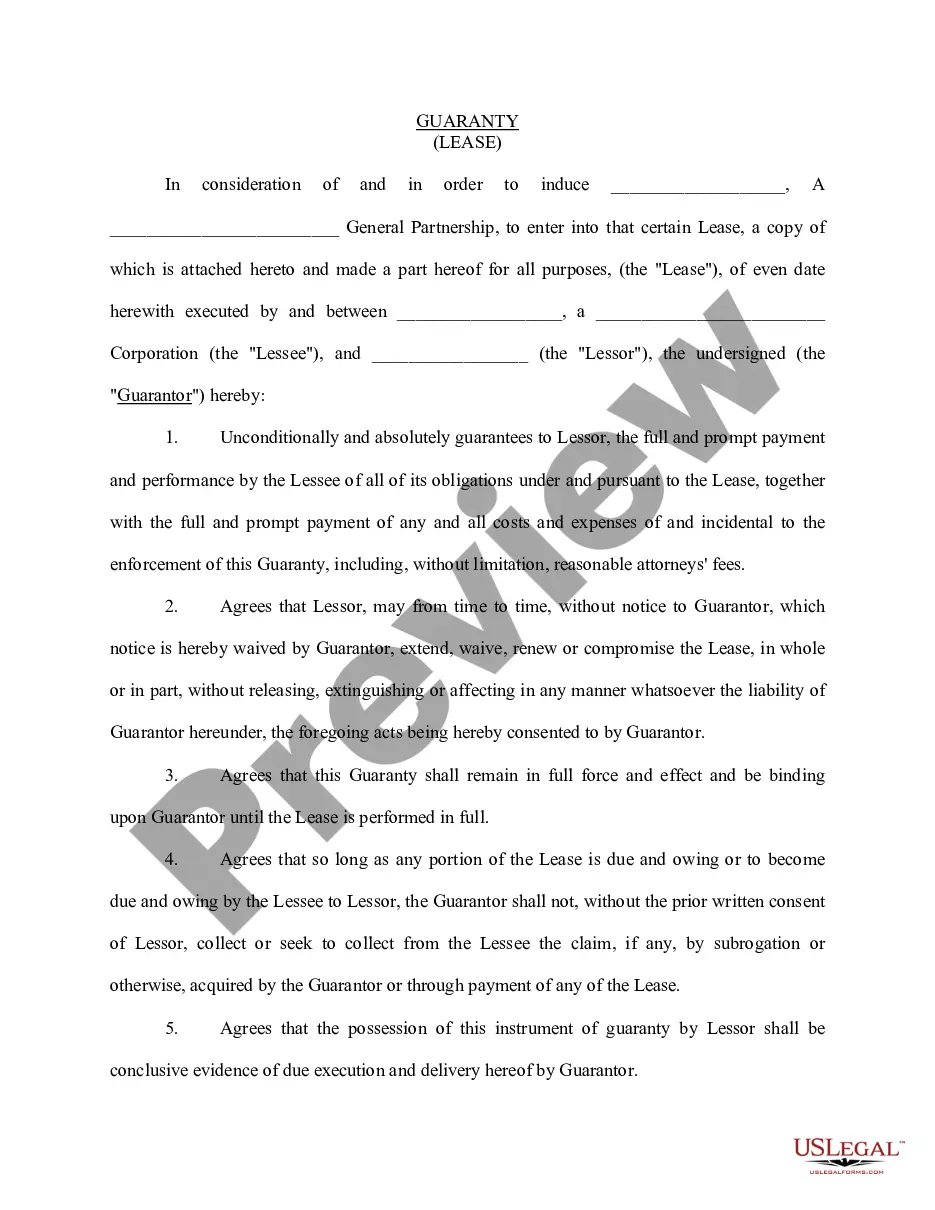
The Operating Deficit Guaranty for Targeted Affordable Housing Properties with Preservation Rehabilitation is a legal document that serves as a guarantee for operating expenses related to affordable housing properties undergoing preservation and rehabilitation. This form differs from standard guaranties as it specifically addresses the financial obligations tied to maintaining the operations of these specialized properties, ensuring lenders that the guarantor will cover any operational deficits that arise.
Key parts of this document
- Guarantor's identity and relationship to the borrower.
- Scope of the guaranty, including operating expenses covered.
- Defined terms relevant to the loan agreement.
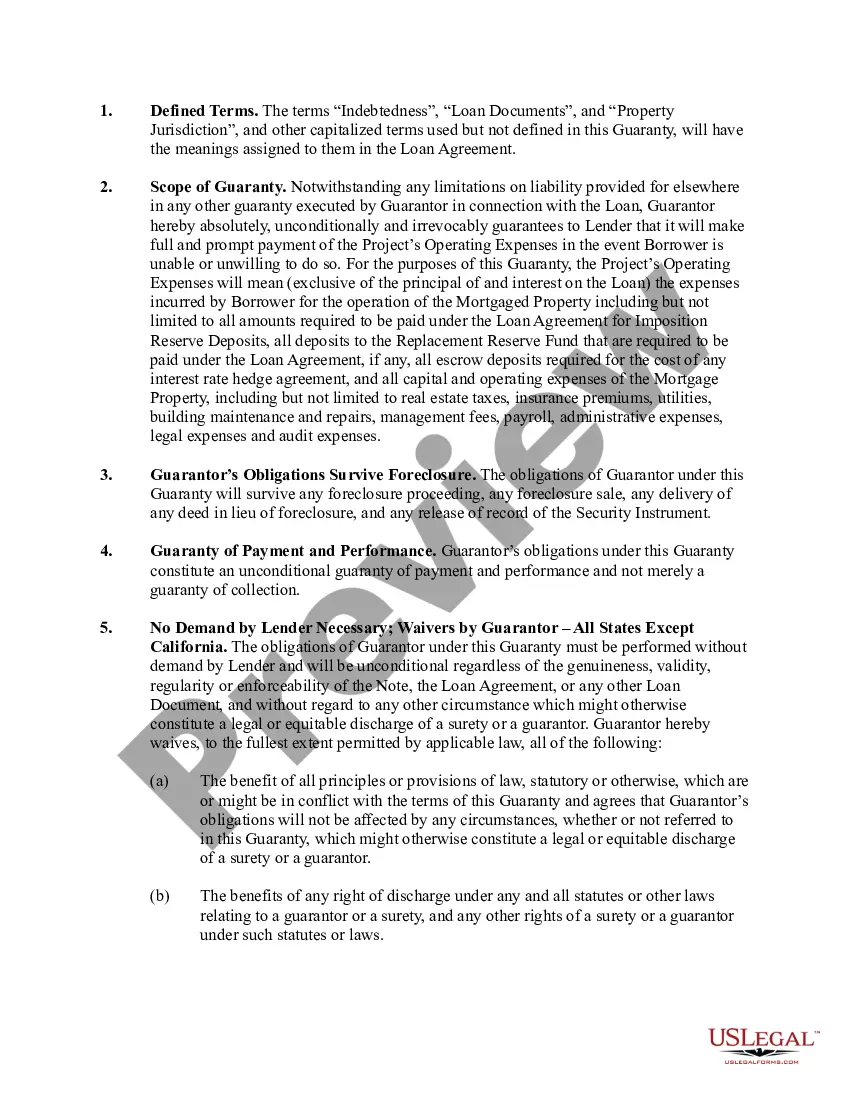
- Obligations of the guarantor that survive foreclosure.
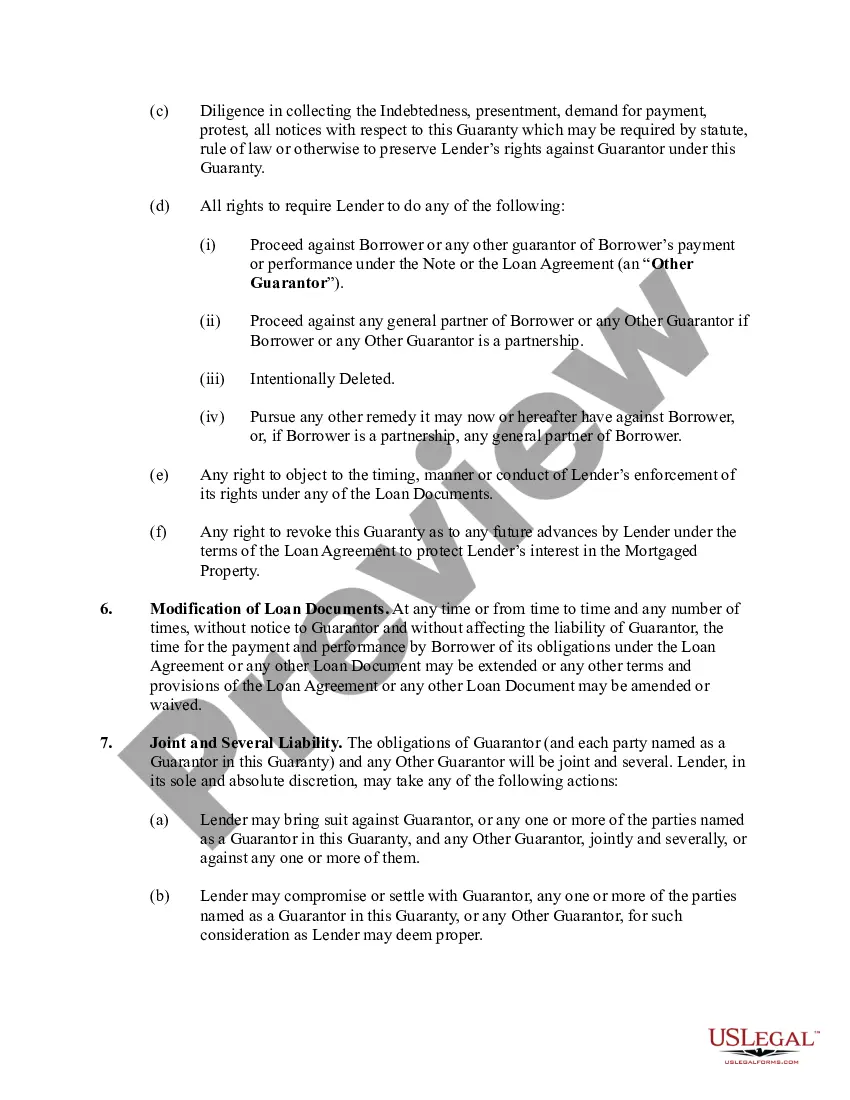
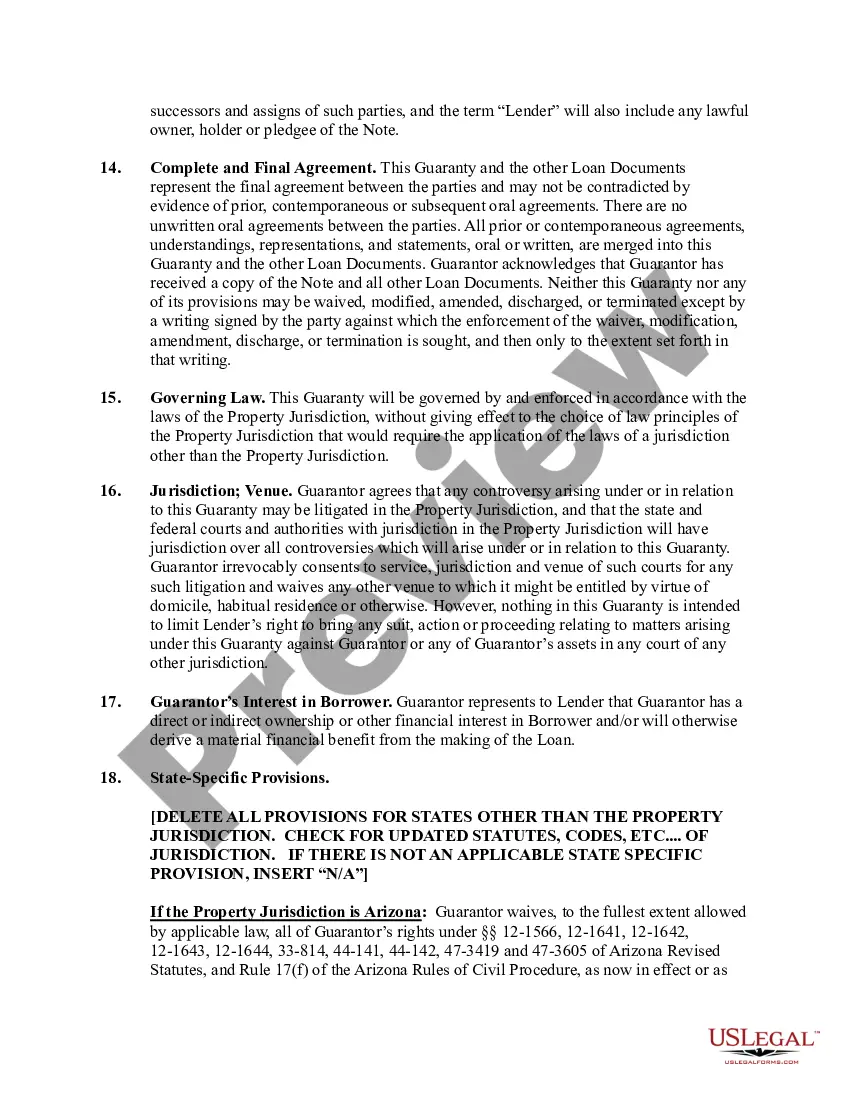
- Provisions for modification and assignment of the guaranty.
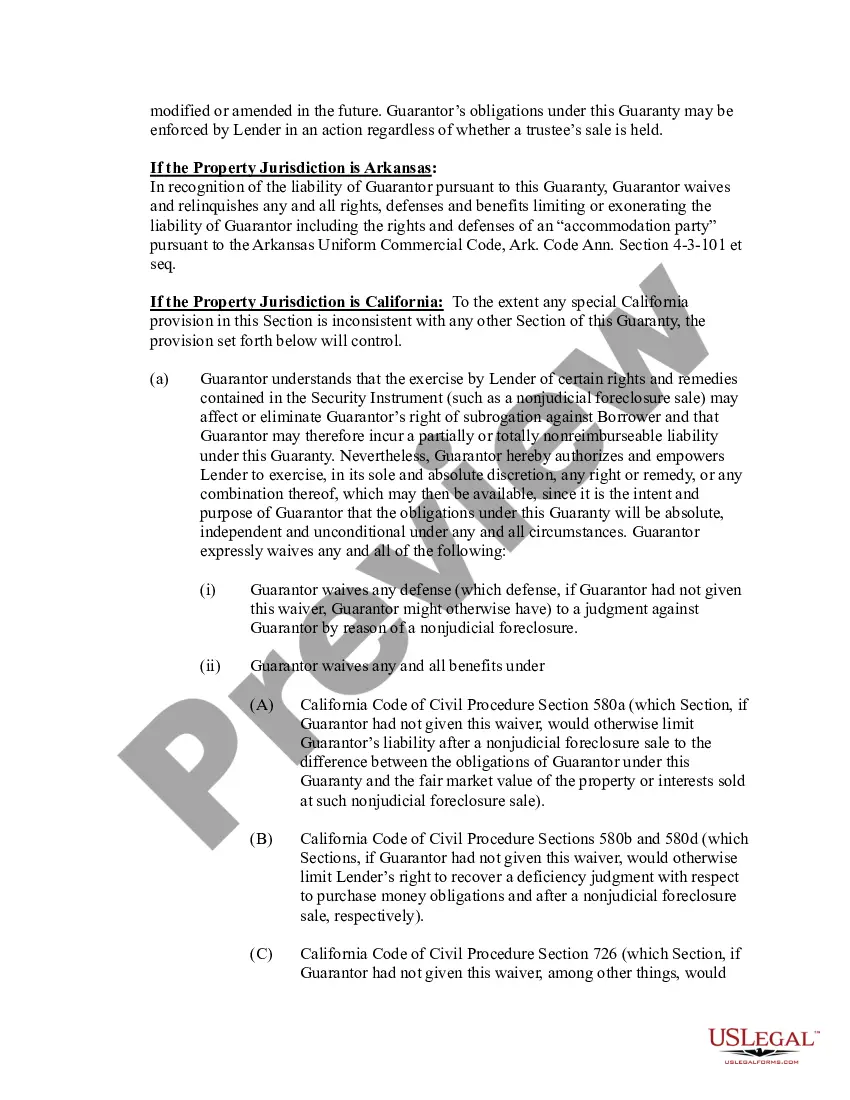
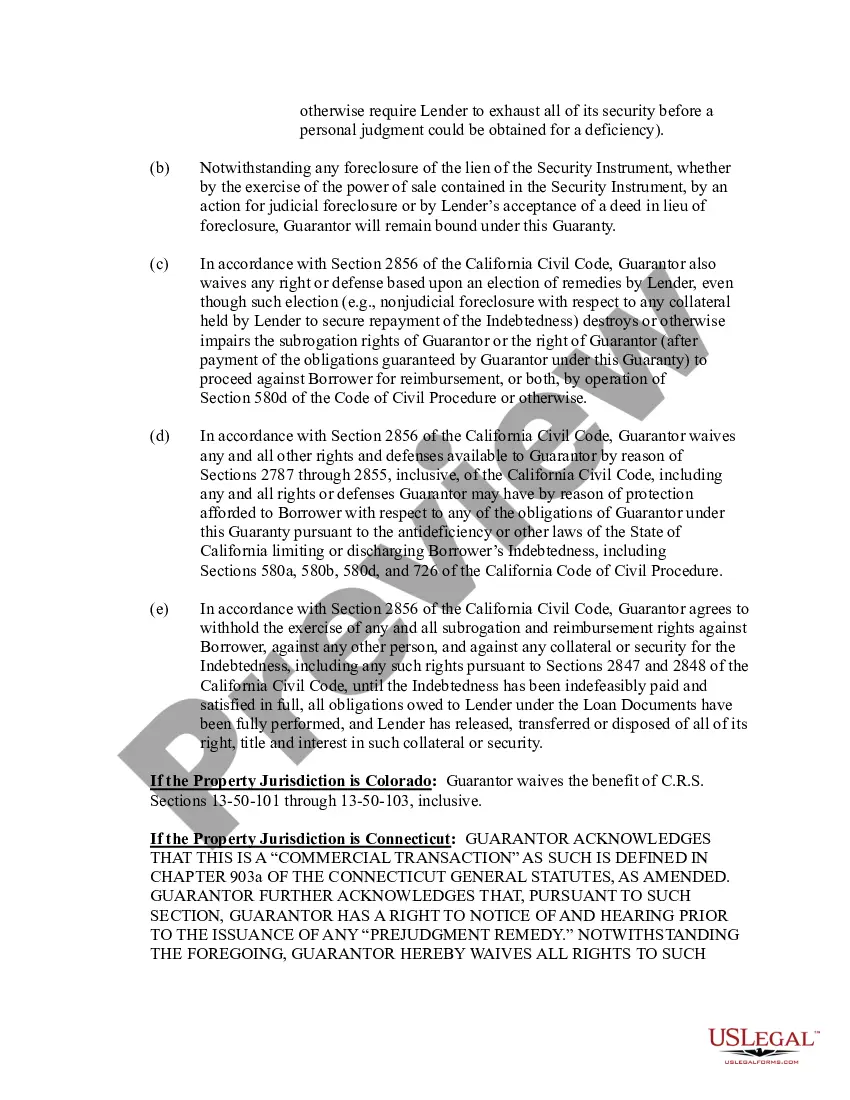
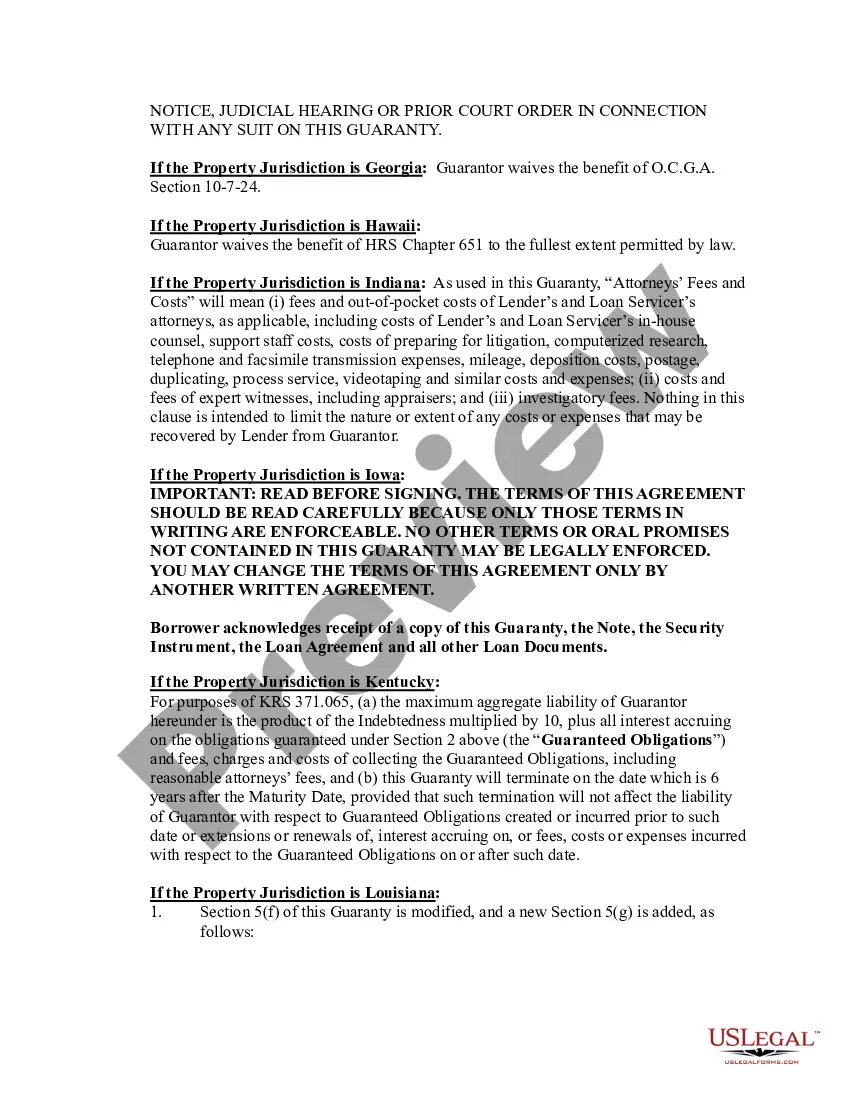
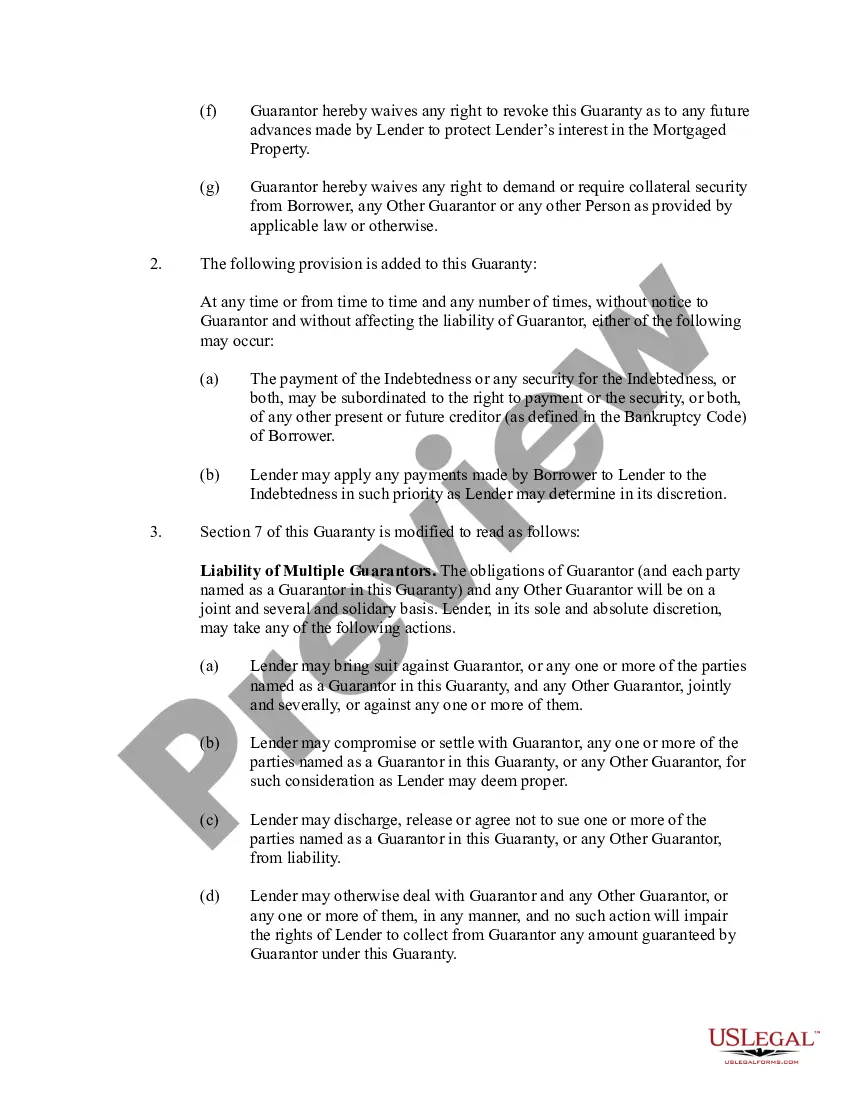
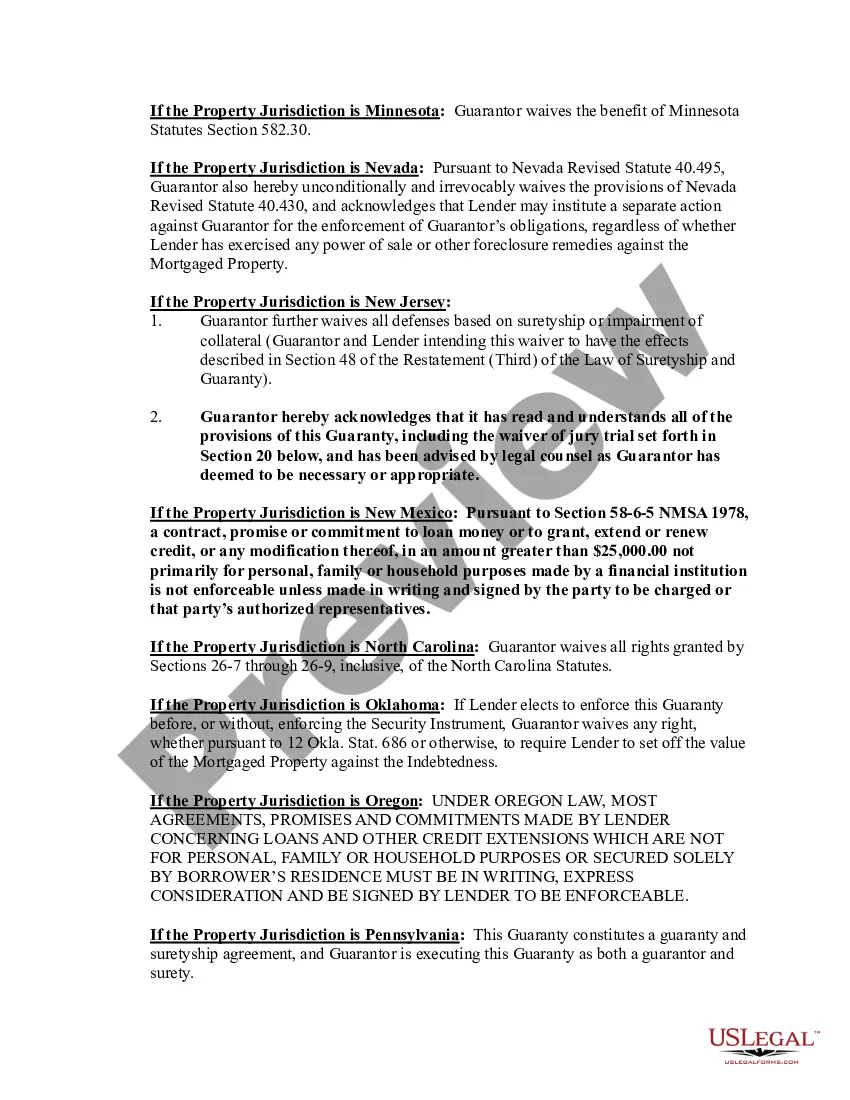
- State-specific provisions and waivers relevant to certain jurisdictions.

When to use this form
This form is used when a borrower is seeking financing for a targeted affordable housing project and requires an operating deficit guarantee due to anticipated challenges in covering operational costs. It is particularly applicable for developers or property owners who are involved in rehabilitation efforts of existing affordable housing and need to assure lenders of financial backing during the loan term.
Who this form is for
- Property developers seeking loans for affordable housing projects.
- Investors looking to secure financial backing for rehabilitation efforts.
- Guarantors such as individuals or entities with financial interests in the project.
- Lenders requiring a guarantee for extending loans to borrowers in the affordable housing sector.
Steps to complete this form
- Identify and enter the property name at the top of the form.
- Fill out the effective date and specify the guarantor's name and relationship to the borrower.
- Complete details regarding the lender and the loan amount being guaranteed.
- Detail the operating expenses covered under this guaranty, as listed in the agreement.
- Obtain signatures from all relevant parties and ensure any state-specific modifications are included.
Notarization requirements for this form
This form does not typically require notarization unless specified by local law. However, obtaining notarization can provide an added layer of security and validation for the guaranty.
Get your form ready online
Our built-in tools help you complete, sign, share, and store your documents in one place.
Make edits, fill in missing information, and update formatting in US Legal Forms—just like you would in MS Word.
Download a copy, print it, send it by email, or mail it via USPS—whatever works best for your next step.
Sign and collect signatures with our SignNow integration. Send to multiple recipients, set reminders, and more. Go Premium to unlock E-Sign.
If this form requires notarization, complete it online through a secure video call—no need to meet a notary in person or wait for an appointment.
We protect your documents and personal data by following strict security and privacy standards.

Make edits, fill in missing information, and update formatting in US Legal Forms—just like you would in MS Word.

Download a copy, print it, send it by email, or mail it via USPS—whatever works best for your next step.

Sign and collect signatures with our SignNow integration. Send to multiple recipients, set reminders, and more. Go Premium to unlock E-Sign.

If this form requires notarization, complete it online through a secure video call—no need to meet a notary in person or wait for an appointment.

We protect your documents and personal data by following strict security and privacy standards.
Common mistakes to avoid
- Failing to accurately identify all parties involved in the guaranty.
- Omitting to specify the exact operating expenses that are covered.
- Not verifying state-specific provisions that may alter obligations.
- Neglecting to have all necessary signatures prior to submission.
- Forgetting to attach any relevant exhibits that modify the terms.
Why complete this form online
- Convenience of completing the form at your own pace.
- Editability allows for tailored adjustments to fit specific needs.
- Access to templates drafted by licensed attorneys ensures reliability.
- Easy downloading and printing options for immediate use.
- Integration with online notarization services, facilitating the legal validation process.
Legal use & context
- This guaranty serves as a binding obligation, ensuring that the lender has a recourse for operating deficits.
- It is enforceable in accordance with the terms set forth in the guarantee and aligned with local laws.
- Failure to meet obligations under this guaranty may result in legal action from the lender.
Main things to remember
- This form provides essential protection for lenders in affordable housing projects.
- Accurate and complete information is critical for enforceability.
- Understanding state-specific provisions can influence the guaranty's effectiveness.
- Completing the form online offers flexibility and accessibility.
Legal terms and meanings
- Guarantor: An individual or entity that agrees to take responsibility for the debt or obligations of another party.
- Operating expenses: Costs incurred in the normal operation of a property, including maintenance, taxes, and insurance.
- Lender: An individual or institution that provides loans to borrowers.
- Preservation rehabilitation: The process of restoring and upgrading existing properties to meet current standards while maintaining their historical character.
Looking for another form?



Form popularity
FAQ
State and localities receive HOME fund from HUD each year, and spend it on things such as: rental assistance, assistance to homebuyers, new construction, rehabilitation, improvements, demlition, relocation, and administrative costs.), local grants, land donations, contributions from charitable foundations, and deferred
The types of projects eligible for the LIHTC include rental housing located in multifamily buildings, single-family dwellings, duplexes, and townhouses.
Tenant-based rental assistance programs. Federal tenant-based rental assistance is provided primarily through HUD's Housing Choice Voucher. It is the largest and most sought after housing program in America.
Nationwide, direct government subsidies cover less than 4 percent of America's housing stock in contrast to 15 percent to 40 percent in Western Europe.
The federal government spent $90 billion on housing assistance 2021, an increase of almost 70 percent from the preceding year, largely due to legislation enacted in response to the coronavirus (COVID-19) pandemic.
Within general guidelines set by the Internal Revenue Service (IRS), state housing agencies administer the LIHTC program.
To support affordable rental housing, federal agencies administer more than a dozen different programs that provide rental assistance payments, grants, loan guarantees, and tax incentives?such as the Department of Housing and Urban Development's (HUD) Housing Choice Voucher.
Public housing is exclusively funded by Congressional appropriations. Because Congress has not adequately funded public housing for decades, public housing units nationwide need a combined $45 billion (and rising) in repairs.