Arbitration Case Statement Formula In Sacramento
Description

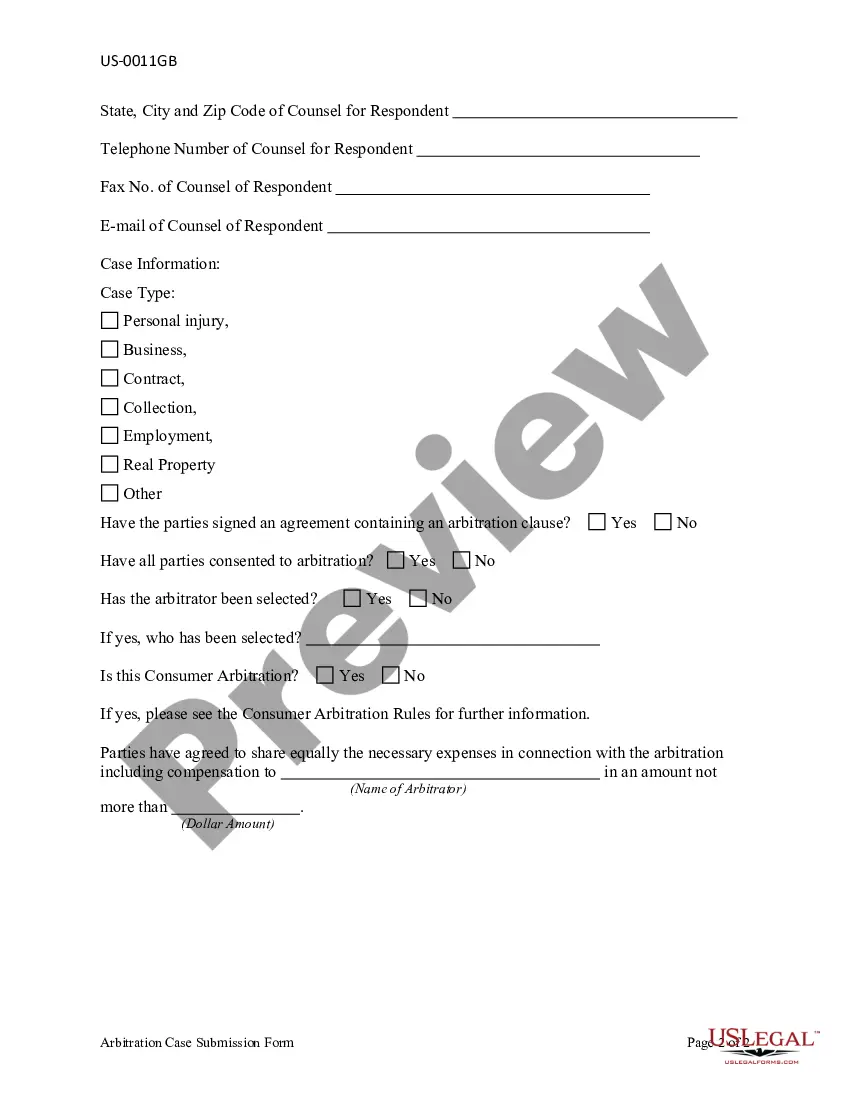

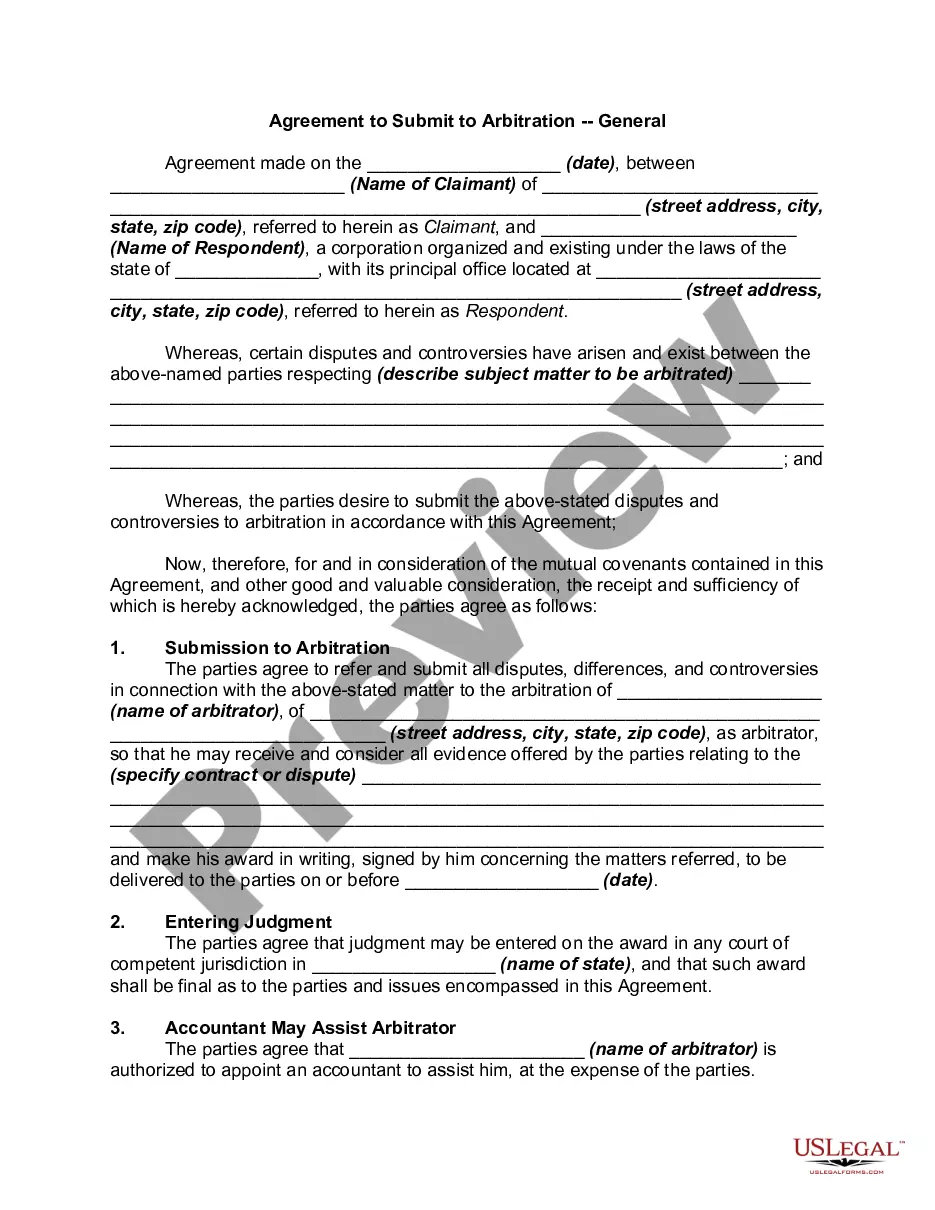
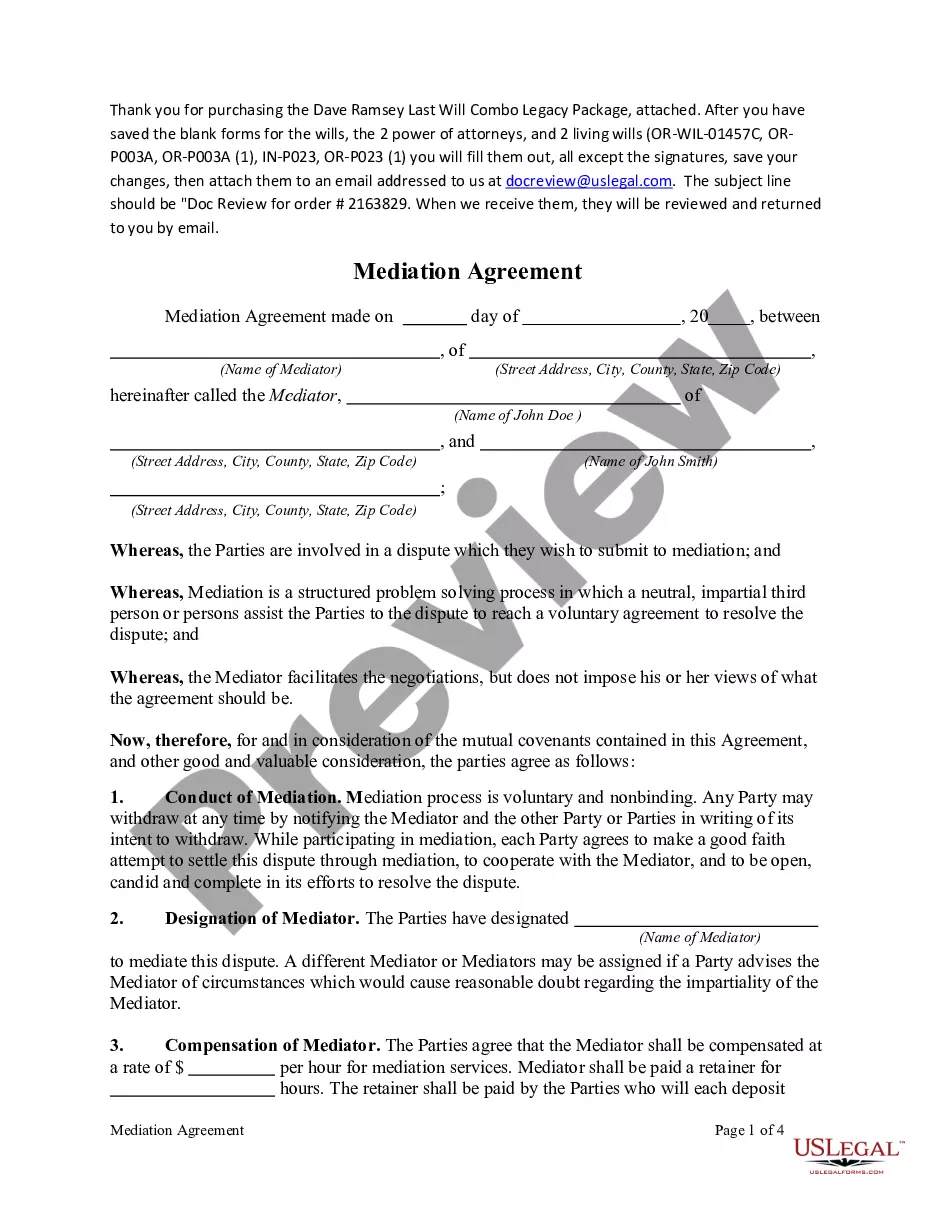
Get your form ready online
Our built-in tools help you complete, sign, share, and store your documents in one place.
Make edits, fill in missing information, and update formatting in US Legal Forms—just like you would in MS Word.
Download a copy, print it, send it by email, or mail it via USPS—whatever works best for your next step.
Sign and collect signatures with our SignNow integration. Send to multiple recipients, set reminders, and more. Go Premium to unlock E-Sign.
If this form requires notarization, complete it online through a secure video call—no need to meet a notary in person or wait for an appointment.
We protect your documents and personal data by following strict security and privacy standards.

Make edits, fill in missing information, and update formatting in US Legal Forms—just like you would in MS Word.

Download a copy, print it, send it by email, or mail it via USPS—whatever works best for your next step.

Sign and collect signatures with our SignNow integration. Send to multiple recipients, set reminders, and more. Go Premium to unlock E-Sign.

If this form requires notarization, complete it online through a secure video call—no need to meet a notary in person or wait for an appointment.

We protect your documents and personal data by following strict security and privacy standards.
Looking for another form?






Form popularity
FAQ
There must be an arbitration agreement or an arbitration clause between the parties; A party to the arbitration agreement files a case against the other party before the judicial authority; The subject matter of the case so filed must be the same as the subject matter of the arbitration agreement;
Attorneys are Optional Parties may represent themselves at the arbitration hearing. Often they seek prior consultations with attorneys in order to develop a strategy for their presentation or a review of their legal position.
What is arbitration? Arbitration is probably the best-known form of alternative dispute resolution, and is a formal, binding process where the dispute is resolved by the decision of a nominated third party, the arbitrator.
A claimant will typically start arbitration by sending a document known as a “request for arbitration” or a “notice to arbitrate” to its opponent.
In arbitration, the parties communicate only with the arbitrator, and the arbitrator decides what should happen. In mediation, the parties speak with the mediator and each other. The mediator does not decide what should happen, but assists the participants to reach an agreement that is acceptable to both parties. 6.
The arbitrator will explain the process. Each side may present an uninterrupted opening statement setting forth its position as to the facts and the law. After opening statements, the parties present their evidence and witnesses. The arbitrator swears in the witnesses and makes rulings on the admissibility of evidence.
More than 80 percent of mediations result in a settlement, and in most cases the process is significantly faster and less costly than arbitration. Mediation does not impose a solution and it is not binding until the parties reach and sign a settlement agreement.
Limited Appeal Options: One of the most significant downsides of arbitration is that it offers very limited options for appeal. Once the arbitrator makes a decision, it's usually final unless there was a substantial legal oversight.
Your letter of arbitration should be concise, professional, and factual. Follow the standard business letter format, including your name and contact information at the top. Ensure that your writing is clear, and avoid using jargon or technical terms that may not be familiar to the reader.