Resignation Letter Examples For Teachers In Utah
Description
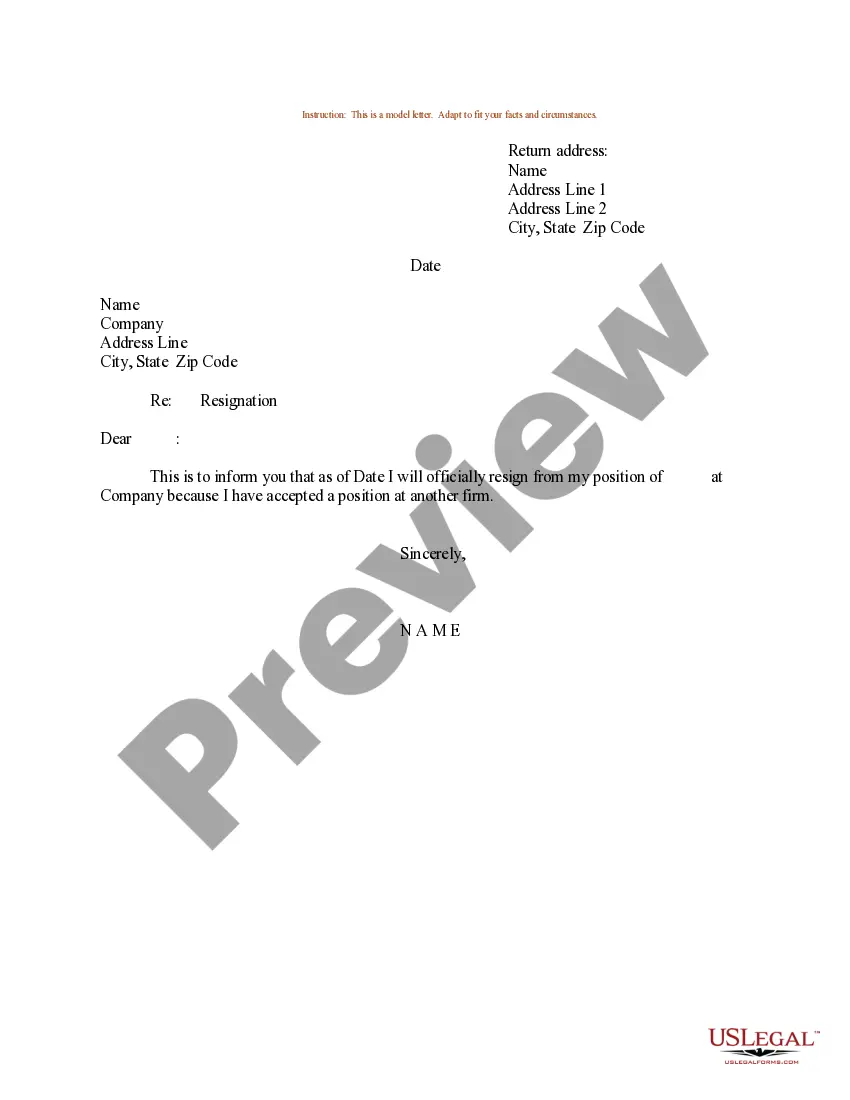
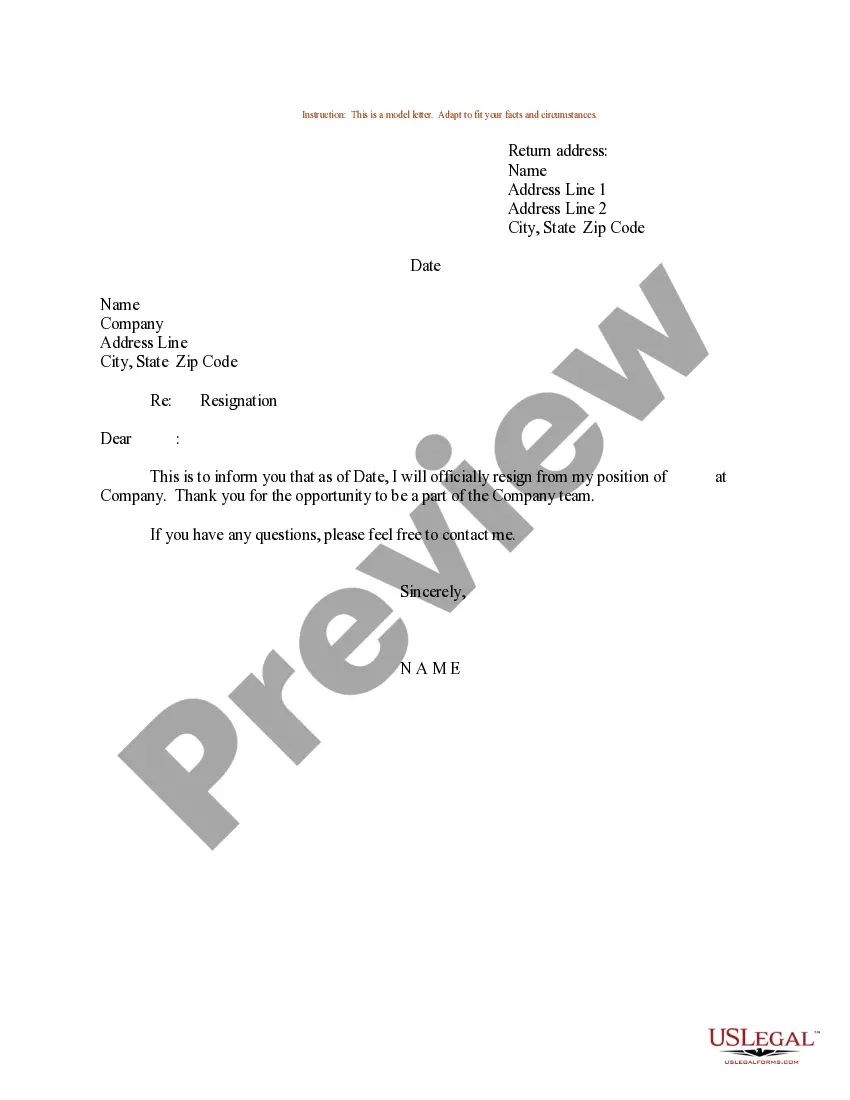
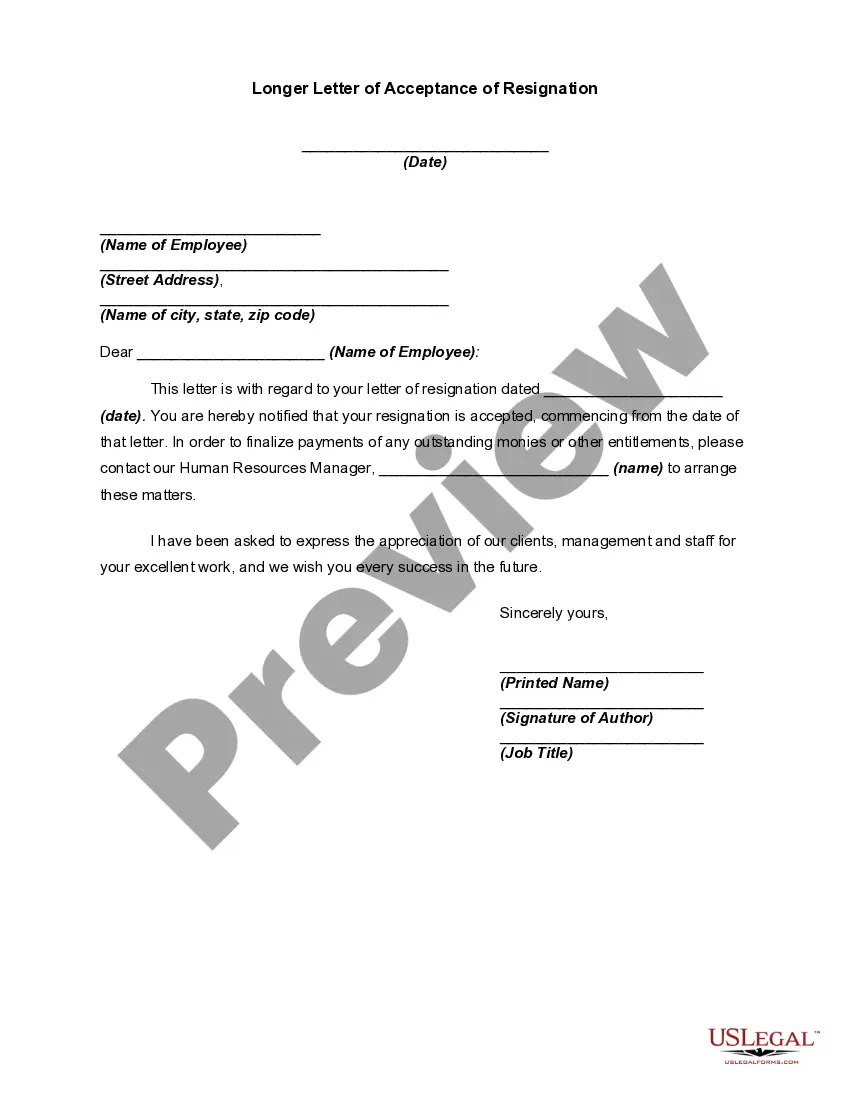

Get your form ready online
Our built-in tools help you complete, sign, share, and store your documents in one place.
Make edits, fill in missing information, and update formatting in US Legal Forms—just like you would in MS Word.
Download a copy, print it, send it by email, or mail it via USPS—whatever works best for your next step.
Sign and collect signatures with our SignNow integration. Send to multiple recipients, set reminders, and more. Go Premium to unlock E-Sign.
If this form requires notarization, complete it online through a secure video call—no need to meet a notary in person or wait for an appointment.
We protect your documents and personal data by following strict security and privacy standards.

Make edits, fill in missing information, and update formatting in US Legal Forms—just like you would in MS Word.

Download a copy, print it, send it by email, or mail it via USPS—whatever works best for your next step.

Sign and collect signatures with our SignNow integration. Send to multiple recipients, set reminders, and more. Go Premium to unlock E-Sign.

If this form requires notarization, complete it online through a secure video call—no need to meet a notary in person or wait for an appointment.

We protect your documents and personal data by following strict security and privacy standards.
Looking for another form?







Form popularity
FAQ
If you're comfortable, give a broad reason on why you're resigning. Show appreciation and gratitude for the work experience. Express your willingness to assist with the transition. Use a professional sign-off to end your letter.
While it might be tempting to express frustrations in a resignation letter, it's generally not advisable to include negative comments. Here are several reasons why: Professionalism: Maintaining a professional tone is crucial.
Statement of resignation: State your intention to resign from your role. Effective date: Specify the last day of your employment. Reason for resignation: You don't have to do this, but providing a brief explanation of why you want to resign can be helpful.
How do you quit teaching? Notify your employer: You should inform the school administration or principal in writing. Provide enough notice: Your employment contract or school policy will most likely require a notice period. Prepare for the transition: Work with the school to ensure a smooth transition.
A simple, “Resignation: Name” is good enough. Add contact details, company name, and date. Address your manager. State your decision to resign and last day of work. Provide a reason for leaving (optional) ... Express your gratitude in good faith. 6. Make a closing statement. End with a formal closing.
How to write a resignation letter for a job you just started in 7 steps Be sure of your decision. Avoid rushing into the decision to quit your new job. Allow enough time. Format your letter. Address the letter. Explain your resignation. Finish your letter. Proofread your writing.
A simple, “Resignation: Name” is good enough. Add contact details, company name, and date. Address your manager. State your decision to resign and last day of work. Provide a reason for leaving (optional) ... Express your gratitude in good faith. 6. Make a closing statement. End with a formal closing.
Thank the school for the support and opportunity they have given you. You may want to give details of the reason you are resigning. It is good practice to say what post you will be going to and to wish the headteacher and school all the best for the future.
Here's a step-by-step guide to help you create a heartfelt farewell letter: Start with a Warm Greeting. Express Gratitude. Share Personal Experiences. Acknowledge the Teacher's Positive Qualities. Express Your Future Intentions. Offer Well Wishes. End with a Closing and Your Name:

