Resignation Letter Template For Bad Job In Hillsborough
Description
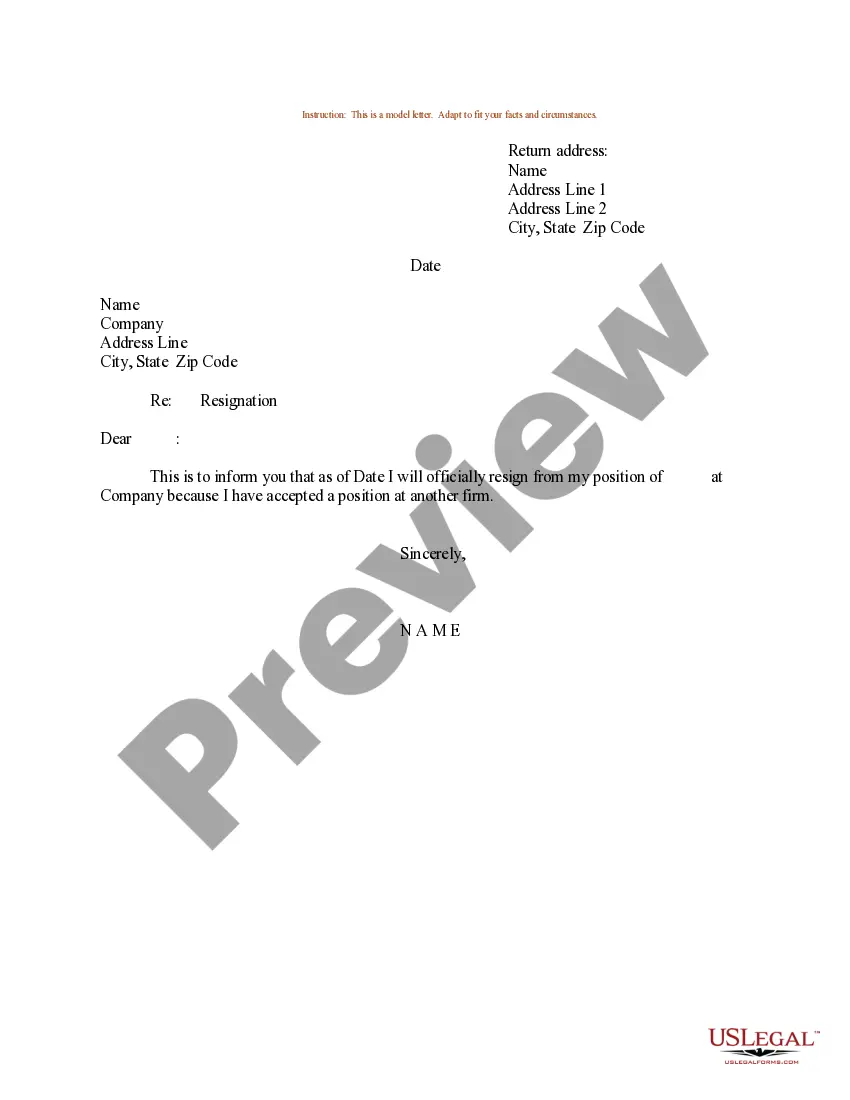
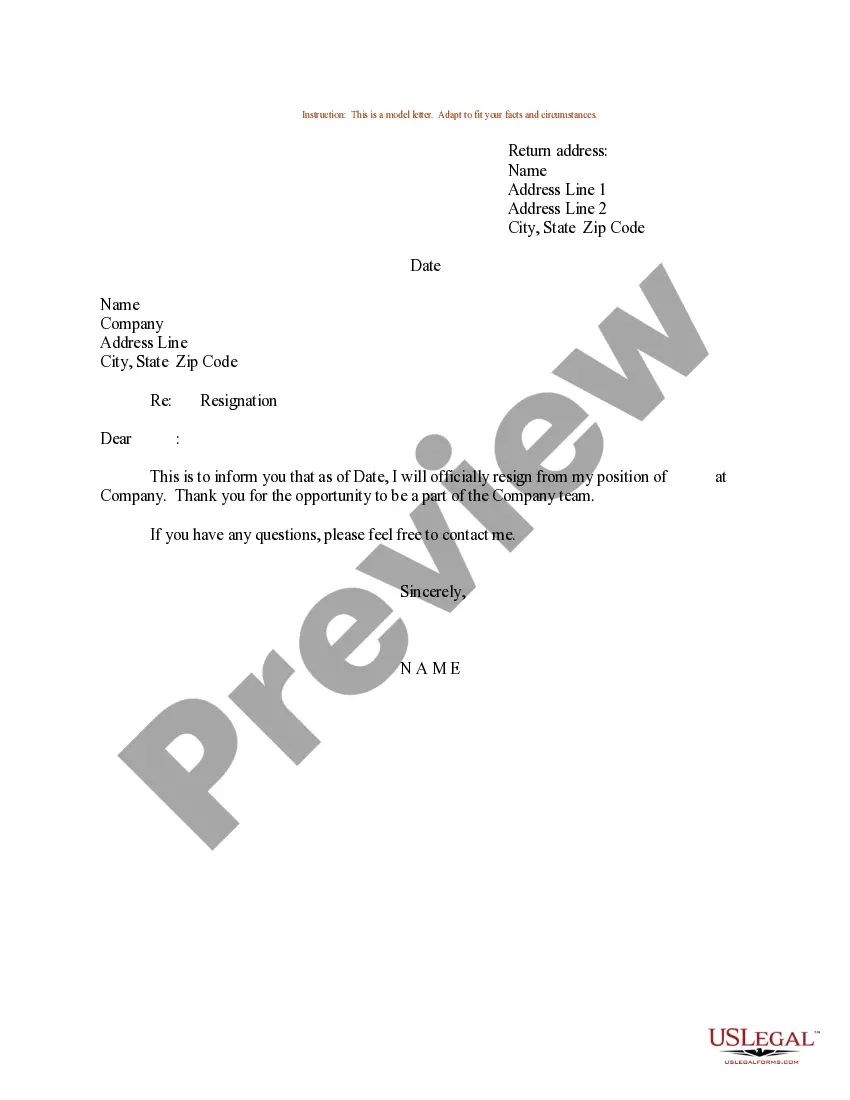
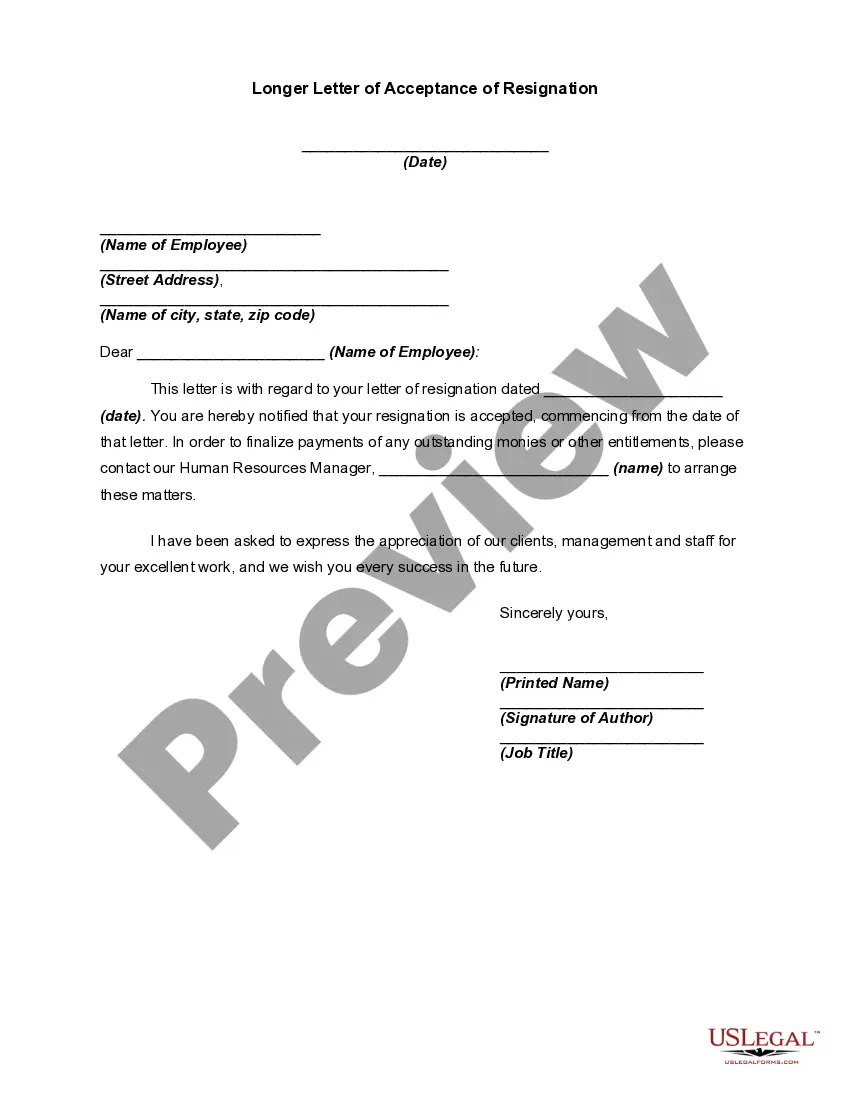

Get your form ready online
Our built-in tools help you complete, sign, share, and store your documents in one place.
Make edits, fill in missing information, and update formatting in US Legal Forms—just like you would in MS Word.
Download a copy, print it, send it by email, or mail it via USPS—whatever works best for your next step.
Sign and collect signatures with our SignNow integration. Send to multiple recipients, set reminders, and more. Go Premium to unlock E-Sign.
If this form requires notarization, complete it online through a secure video call—no need to meet a notary in person or wait for an appointment.
We protect your documents and personal data by following strict security and privacy standards.

Make edits, fill in missing information, and update formatting in US Legal Forms—just like you would in MS Word.

Download a copy, print it, send it by email, or mail it via USPS—whatever works best for your next step.

Sign and collect signatures with our SignNow integration. Send to multiple recipients, set reminders, and more. Go Premium to unlock E-Sign.

If this form requires notarization, complete it online through a secure video call—no need to meet a notary in person or wait for an appointment.

We protect your documents and personal data by following strict security and privacy standards.
Looking for another form?






Form popularity
FAQ
Here are seven steps to writing a resignation letter when unhappy with management at your workplace: Start with a date and time. Use a formal address. Detail the exact date you plan to leave. Explain your reason for resigning. Express your gratitude. Discuss transitioning your responsibilities.
How to Write a Resignation Letter A greeting: Start formal. A statement of resignation. Offer help with transitioning. Thank your employer for giving you a chance to be a part of their company, and for their time. Leave your contact information for your employer. Sign off with “Sincerely” or “Thank you”
To write a resignation letter due to poor working conditions, remain professional and concise. Mention your reason briefly without being overly critical. State your final working day, express gratitude for the opportunity, and offer to assist with the transition. Keep the tone respectful and neutral.
Gather records and document why your work environment was toxic before resigning, ensuring you'll have evidence if you make a claim later. To avoid burning bridges, stay polite and professional when submitting your resignation, give your employer a full two weeks' notice, and participate in any offboarding formalities.
How to write a resignation letter due to job dissatisfaction Evaluate why you're resigning. Determine your resignation conditions. Format your resignation letter. Maintain a positive tone. Proofread your resignation letter. Submit your resignation letter.
To write a resignation letter due to poor working conditions, remain professional and concise. Mention your reason briefly without being overly critical. State your final working day, express gratitude for the opportunity, and offer to assist with the transition. Keep the tone respectful and neutral.
How to write a resignation letter due to job dissatisfaction Evaluate why you're resigning. Determine your resignation conditions. Format your resignation letter. Maintain a positive tone. Proofread your resignation letter. Submit your resignation letter.
To write a resignation letter due to poor working conditions, remain professional and concise. Mention your reason briefly without being overly critical. State your final working day, express gratitude for the opportunity, and offer to assist with the transition. Keep the tone respectful and neutral.
Writing a resignation letter due to unfair treatment Introduction: keep it formal and direct. State the reason professionally. Provide specific instances (optional) ... Acknowledge the positive (if possible) ... Offer to assist in transition. Conclusion: express final gratitude.

