Email Resignation Letter To Hr In Cook
Description
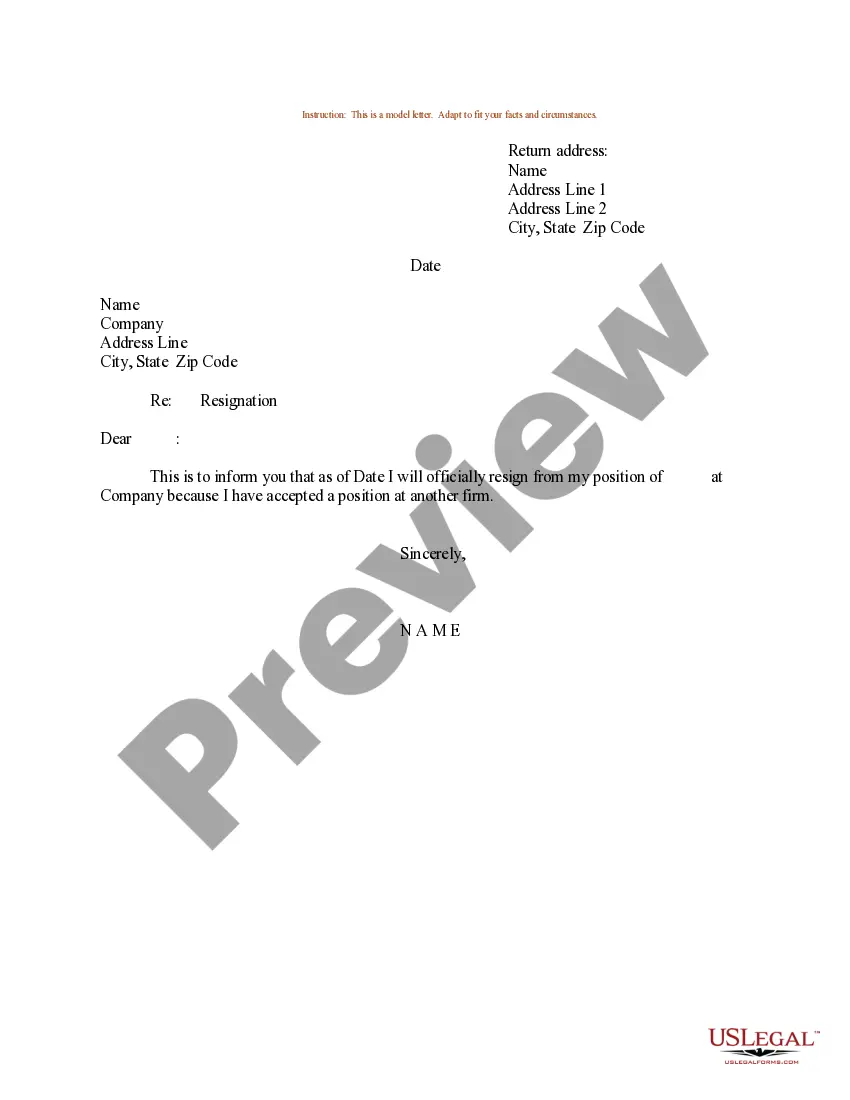
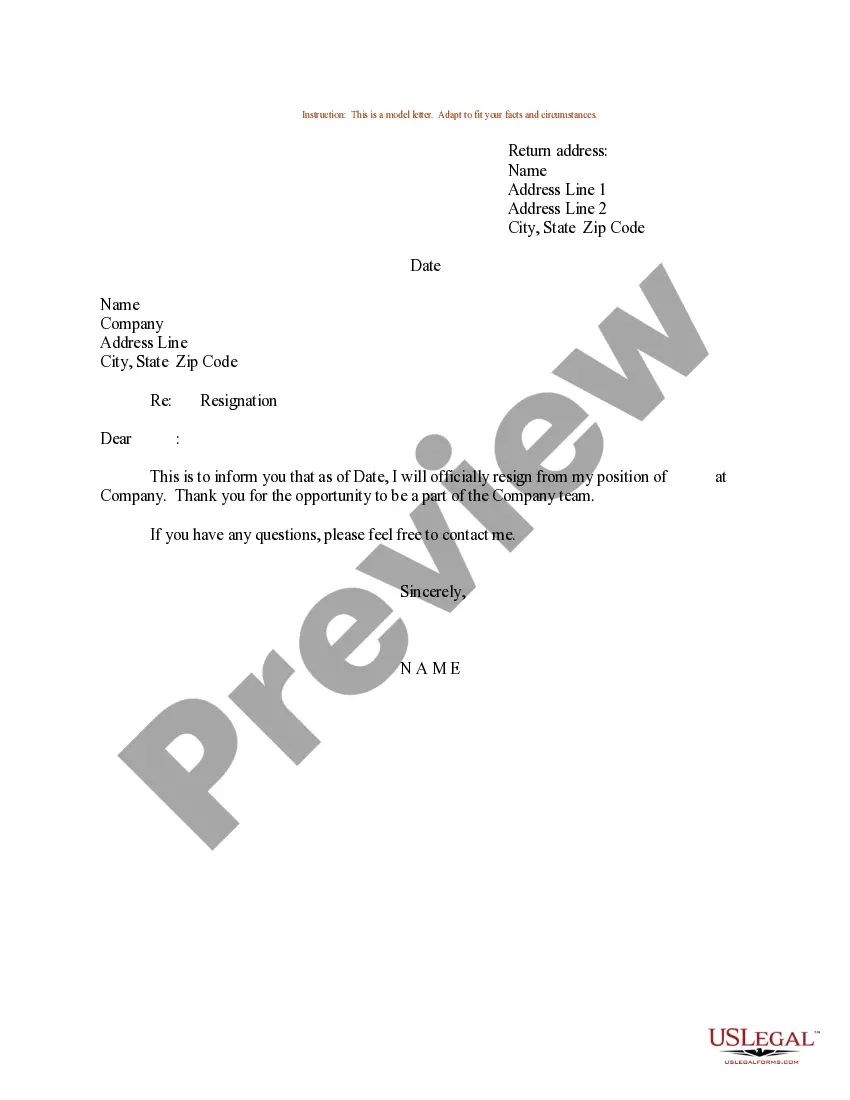

Get your form ready online
Our built-in tools help you complete, sign, share, and store your documents in one place.
Make edits, fill in missing information, and update formatting in US Legal Forms—just like you would in MS Word.
Download a copy, print it, send it by email, or mail it via USPS—whatever works best for your next step.
Sign and collect signatures with our SignNow integration. Send to multiple recipients, set reminders, and more. Go Premium to unlock E-Sign.
If this form requires notarization, complete it online through a secure video call—no need to meet a notary in person or wait for an appointment.
We protect your documents and personal data by following strict security and privacy standards.

Make edits, fill in missing information, and update formatting in US Legal Forms—just like you would in MS Word.

Download a copy, print it, send it by email, or mail it via USPS—whatever works best for your next step.

Sign and collect signatures with our SignNow integration. Send to multiple recipients, set reminders, and more. Go Premium to unlock E-Sign.

If this form requires notarization, complete it online through a secure video call—no need to meet a notary in person or wait for an appointment.

We protect your documents and personal data by following strict security and privacy standards.
Looking for another form?







Form popularity
FAQ
How to tell your boss you're resigning? Request an in-person meeting. Outline your reasons for leaving. Give an appropriate two weeks' notice. Offer to facilitate the transition. Express gratitude. Provide your formal letter of resignation.
Keep your resignation email clear and concise, stating your intention to leave, your last working day, and your gratitude for the opportunity. Attach a formal resignation letter for the official record to ensure clarity and professionalism.
Definitely, resignation by email is acceptable in most of the companies depending upon their size, investment structure, benefits and code of conduct for employees & contract agreement between the Employee & the Employer at the time of Offer itself. I m heartily requesting you to all, if any updates please sent to pl.
Wrong. If you're quitting a job, you'll want to do it properly – and that means speaking to your boss or HR team in person (if possible). Email is easy and quick, but it's impersonal.
Yes, it is generally considered appropriate to email a letter of resignation, especially in situations where remote work is common or if you are unable to deliver a physical copy in person. However, here are some guidelines to follow:
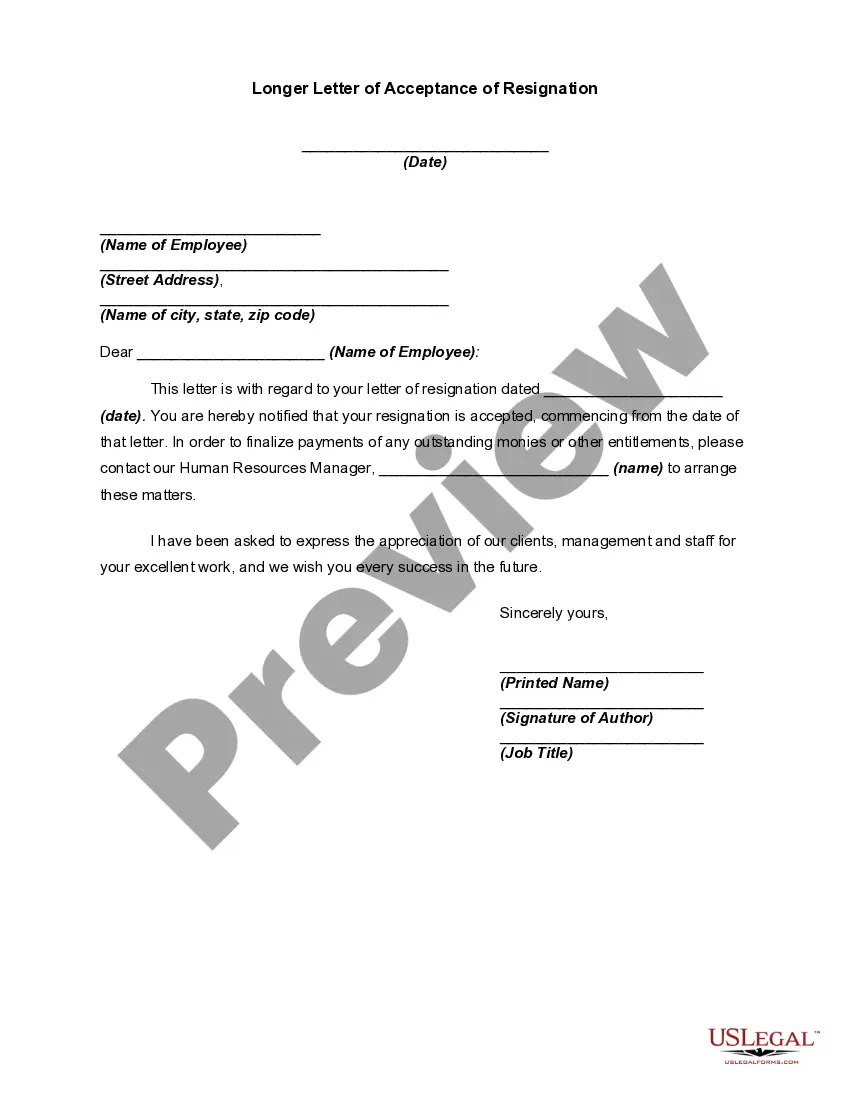
How to write a resignation acceptance letter Use the right formatting and structure. Include the date and contact information. Include a salutation. Accept the resignation. Include the final date of employment. Add other information. Express appreciation. Add a complimentary close.
Dear manager's name, I am writing to formally resign from my position as your job title at company name, effective date—two weeks from today. After much consideration, I have decided that it is in my best interest to move on due to the ongoing conflict I have faced with one of my colleagues.
Hence, yes, you can resign via email. But we suggest having an online meeting with your supervisor beforehand to give them a heads up.
When writing a professional resignation letter, address it to the right person. This is either your current line manager or the HR department. Writing “To whom it may concern” is unprofessional.
Use a Professional Tone: Your resignation email should be formal and professional. Start with a clear subject line, such as ``Resignation -- (Your Name).'' Include Necessary Details: Clearly state your intention to resign, your last working day, and express gratitude for the opportunities you had while working there.

