Requesting Discovery Form With Attorney In Ohio
Description
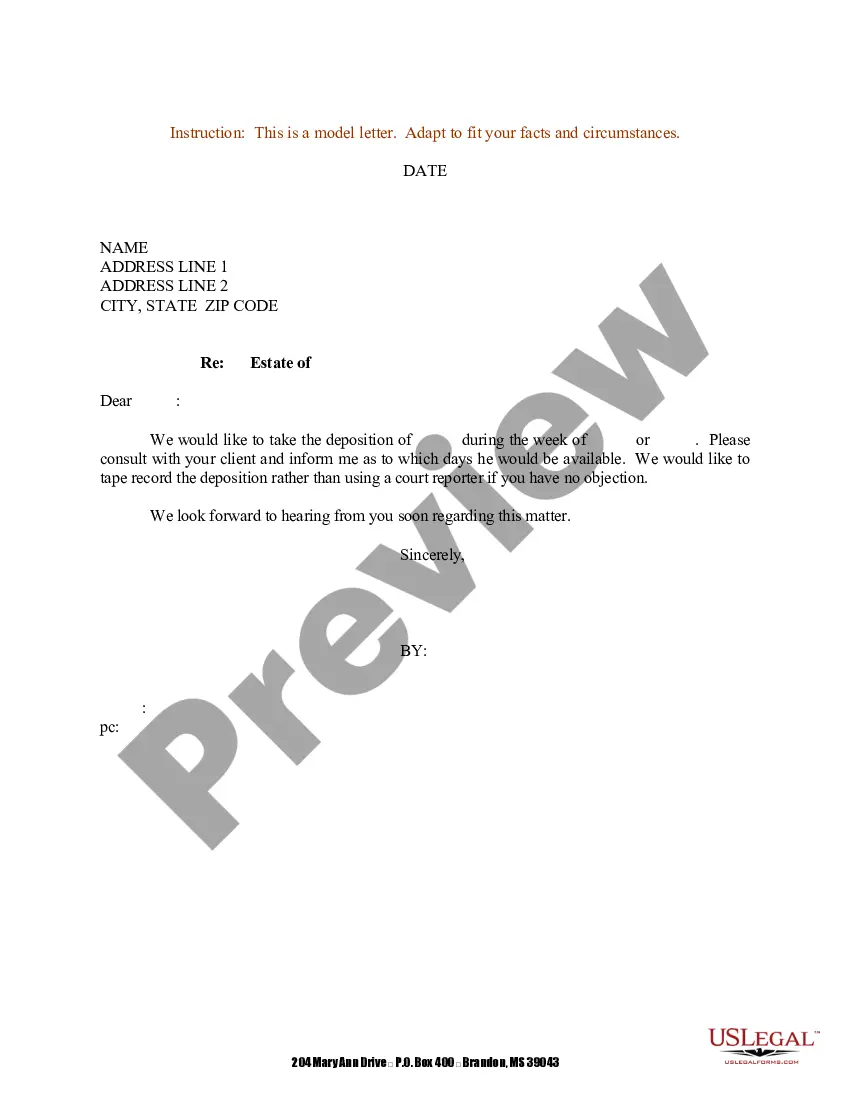
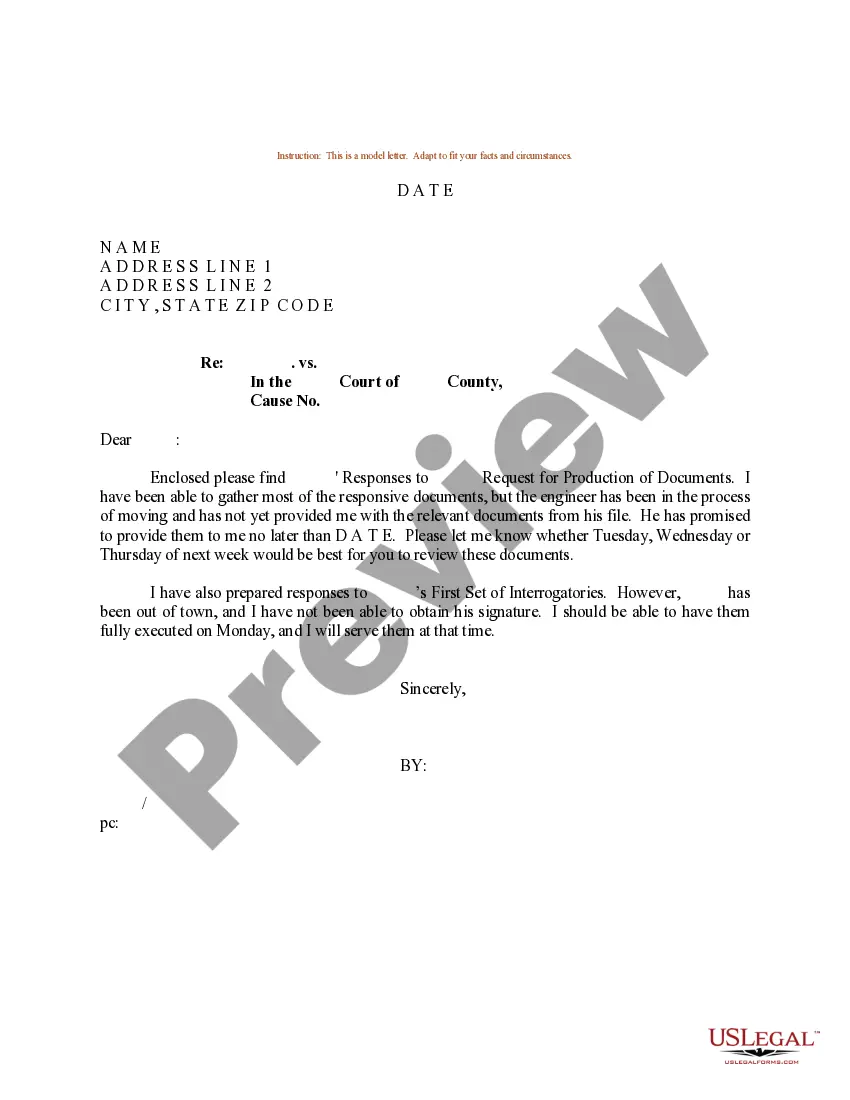
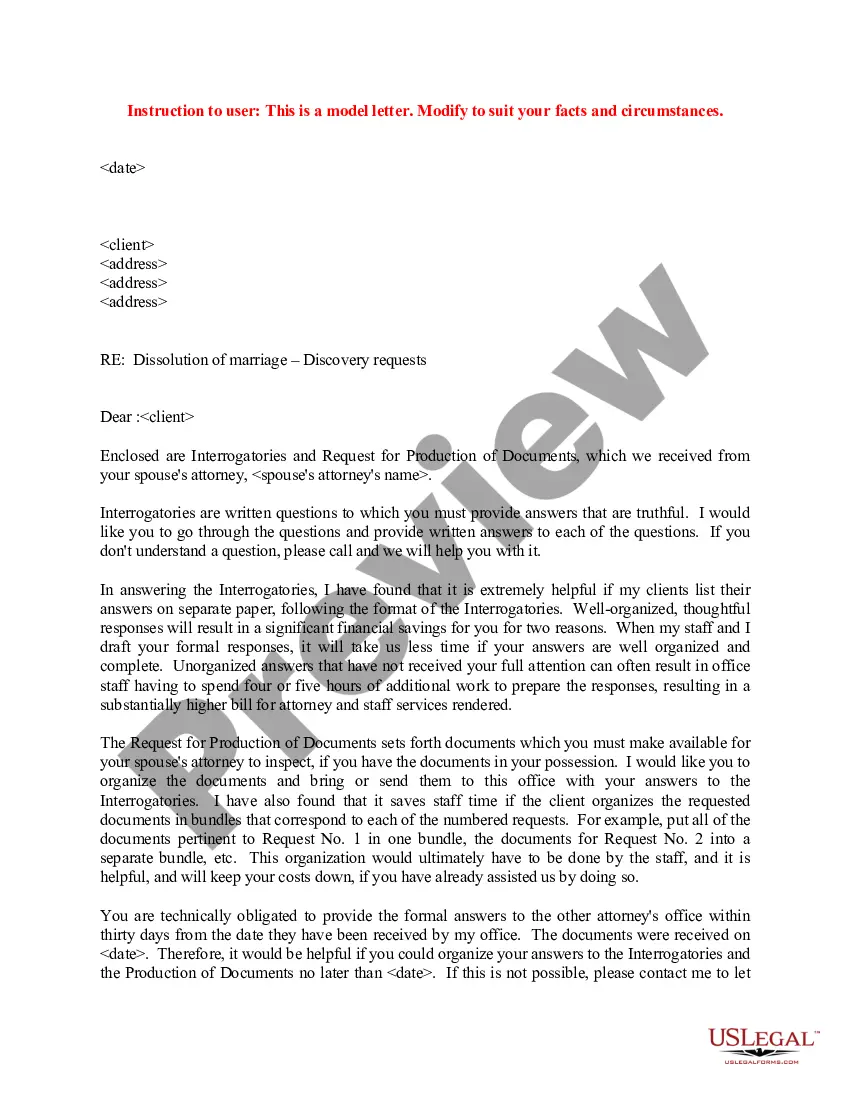
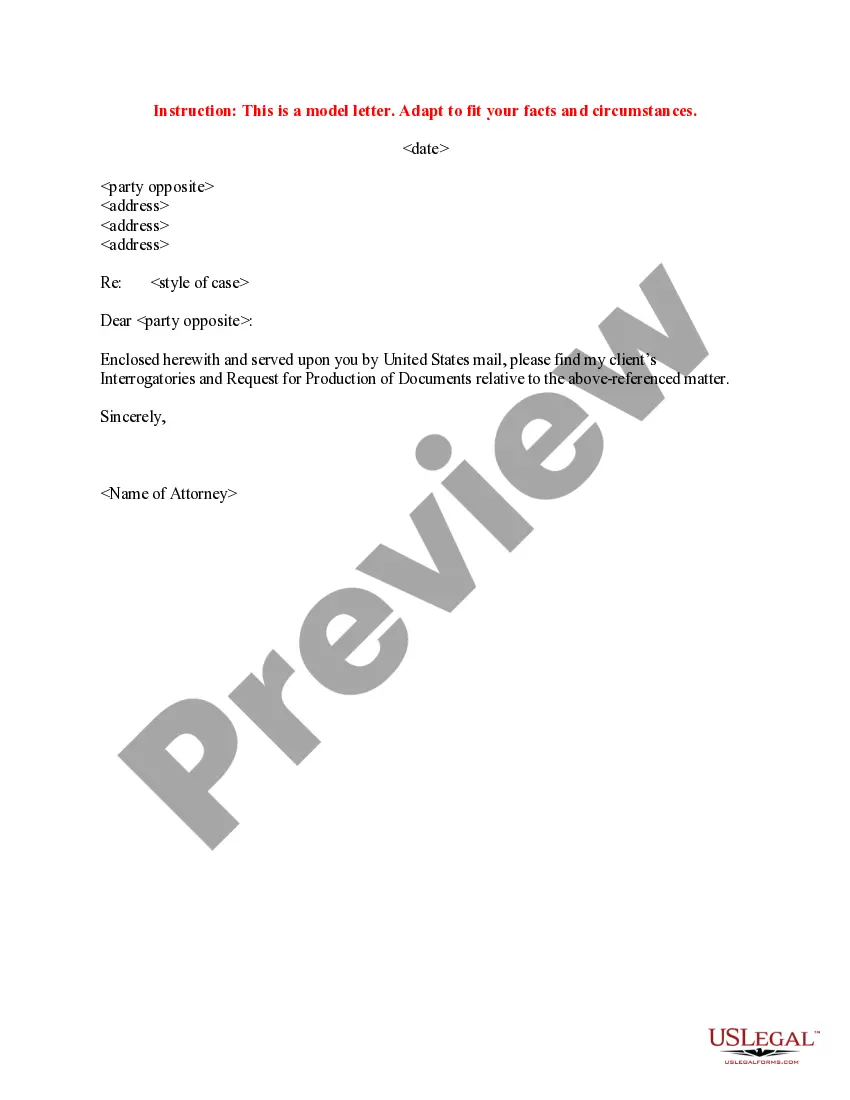
Get your form ready online
Our built-in tools help you complete, sign, share, and store your documents in one place.
Make edits, fill in missing information, and update formatting in US Legal Forms—just like you would in MS Word.
Download a copy, print it, send it by email, or mail it via USPS—whatever works best for your next step.
Sign and collect signatures with our SignNow integration. Send to multiple recipients, set reminders, and more. Go Premium to unlock E-Sign.
If this form requires notarization, complete it online through a secure video call—no need to meet a notary in person or wait for an appointment.
We protect your documents and personal data by following strict security and privacy standards.

Make edits, fill in missing information, and update formatting in US Legal Forms—just like you would in MS Word.

Download a copy, print it, send it by email, or mail it via USPS—whatever works best for your next step.

Sign and collect signatures with our SignNow integration. Send to multiple recipients, set reminders, and more. Go Premium to unlock E-Sign.

If this form requires notarization, complete it online through a secure video call—no need to meet a notary in person or wait for an appointment.

We protect your documents and personal data by following strict security and privacy standards.
Looking for another form?









Form popularity
FAQ
Generally, the prosecution must provide discovery within a set period after the defense's formal request, often ranging from a few weeks to several months. Evidence should be available to the defense either at the preliminary hearing or after the accused has been indicted by a grand jury.
At the end of the discovery process, both parties should have a reasonably good idea of the strength of their opponent's case as well as their own. A weakness in one party's position may encourage it to try negotiating a settlement to avoid going to trial.
RULE 408. Evidence of conduct or statements made in compromise negotiations is likewise not admissible. This rule does not require the exclusion of any evidence otherwise discoverable merely because it is presented in the course of compromise negotiations.
(3) Answers, objections or other responses to discovery requests shall be served within twenty-eight days after service of such requests unless the board orders or the parties agree to a different period of time.
As the Supreme Court of Ohio explains, the discovery rule provides that “a cause of action does not arise until the plaintiff discovers, or by the exercise of reasonable diligence should have discovered, that he or she was injured by the wrongful conduct of the defendant.” Id. at ¶ 14.
(1) Discovery should be commenced by all parties promptly after the filing of a notice of appeal and should be completed within the applicable case management schedule established in rules 5717-1-07 and 5717-1-08 of the Administrative Code, such deadlines also serving as the last day for a party to seek involvement of ...
As the Supreme Court of Ohio explains, the discovery rule provides that “a cause of action does not arise until the plaintiff discovers, or by the exercise of reasonable diligence should have discovered, that he or she was injured by the wrongful conduct of the defendant.” Id.
This rule is to provide all parties in a criminal case with the information necessary for a full and fair adjudication of the facts, to protect the integrity of the justice system and the rights of defendants, and to protect the well-being of witnesses, victims, and society at large.
Relief from a Judgment or Order. (a) Corrections Based on Clerical Mistakes; Oversights and Omissions. The court may correct a clerical mistake or a mistake arising from oversight or omission whenever one is found in a judgment, order, or other part of the record.
