EasementAccess-Single Person
What this document covers
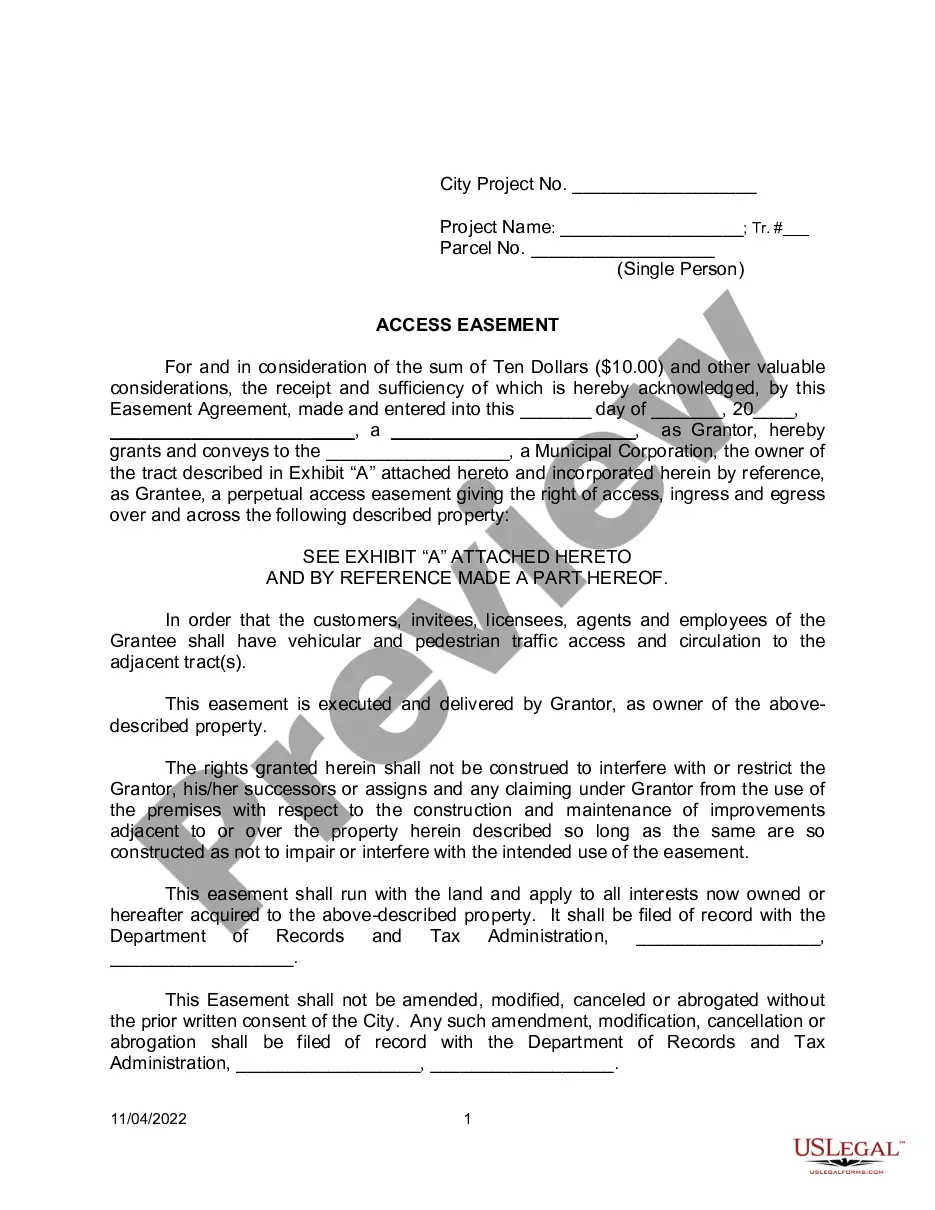
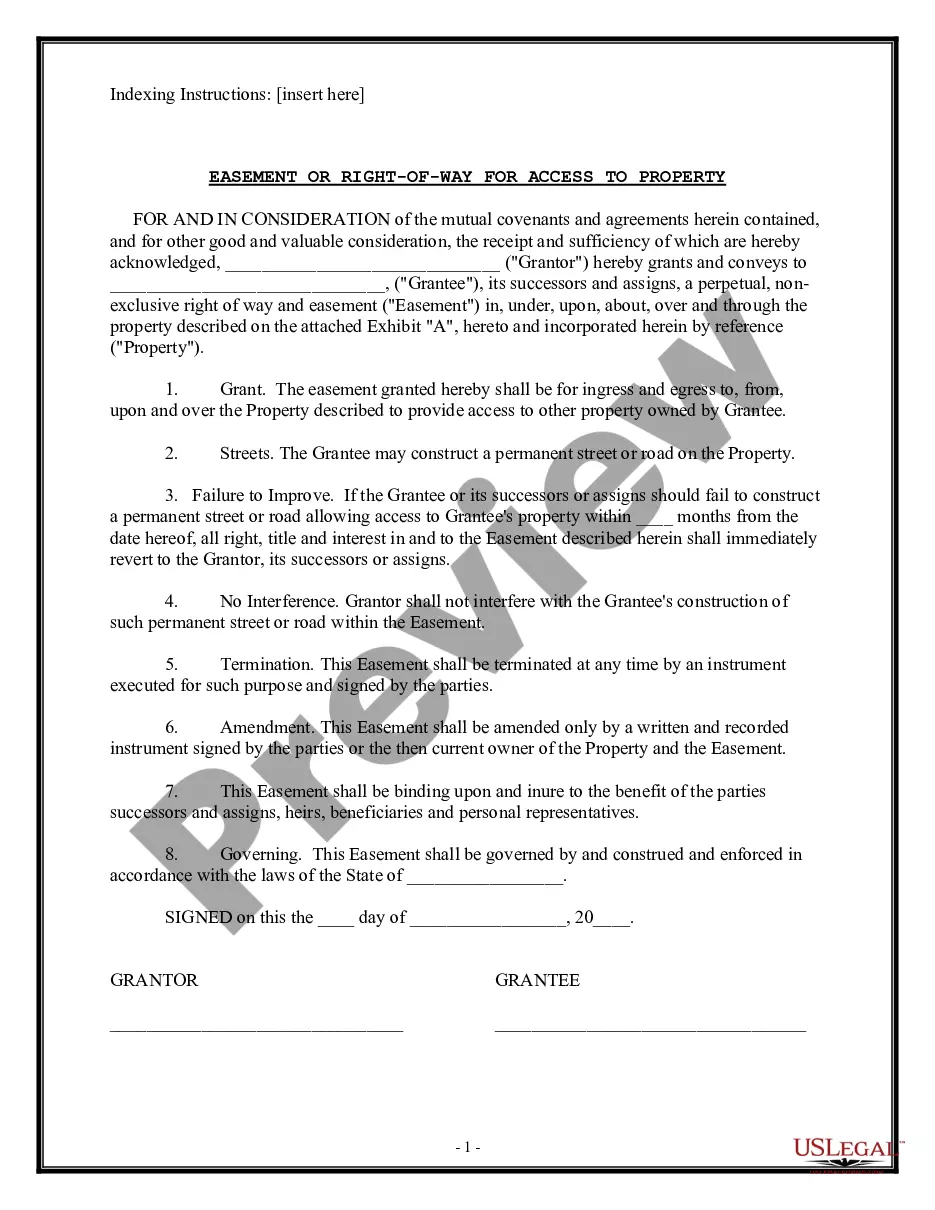
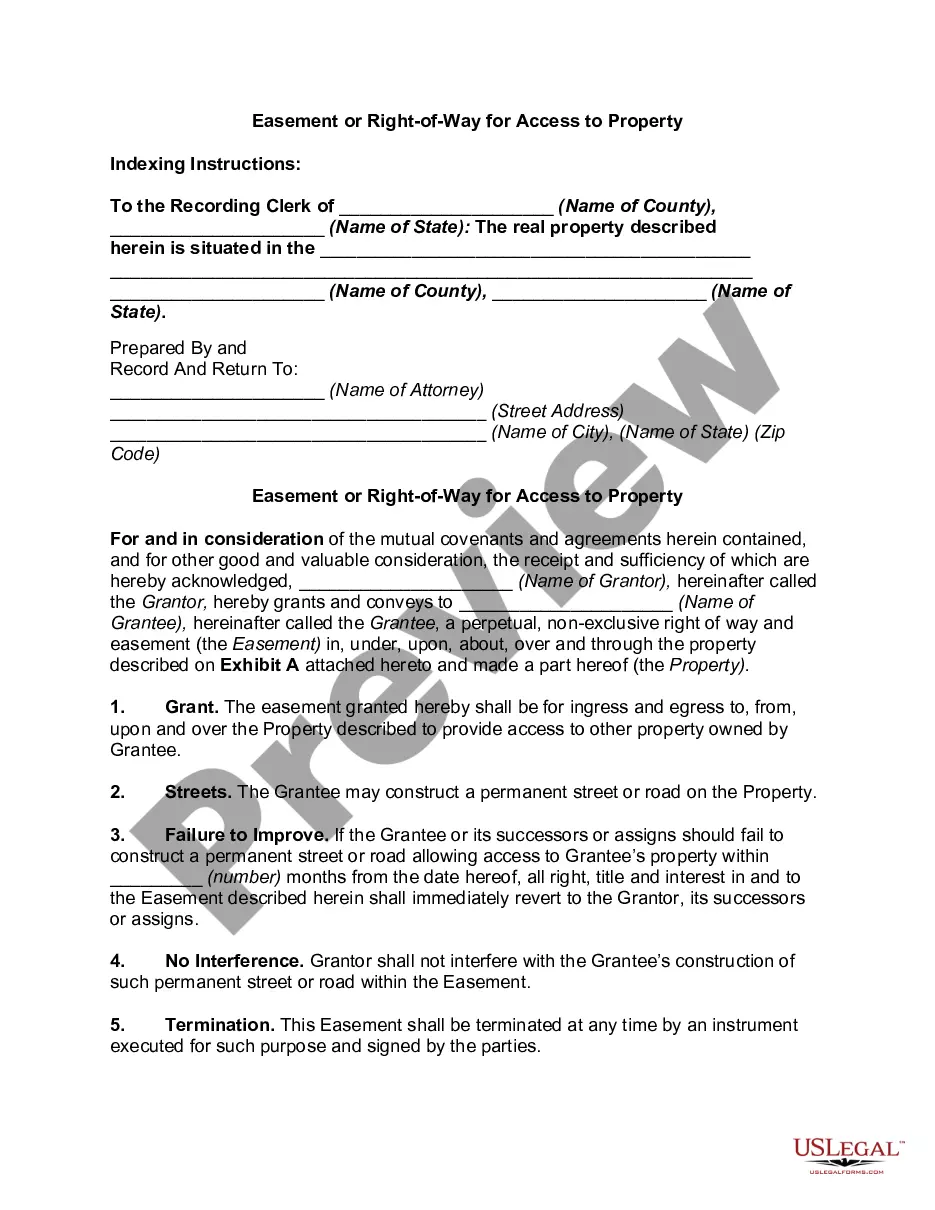
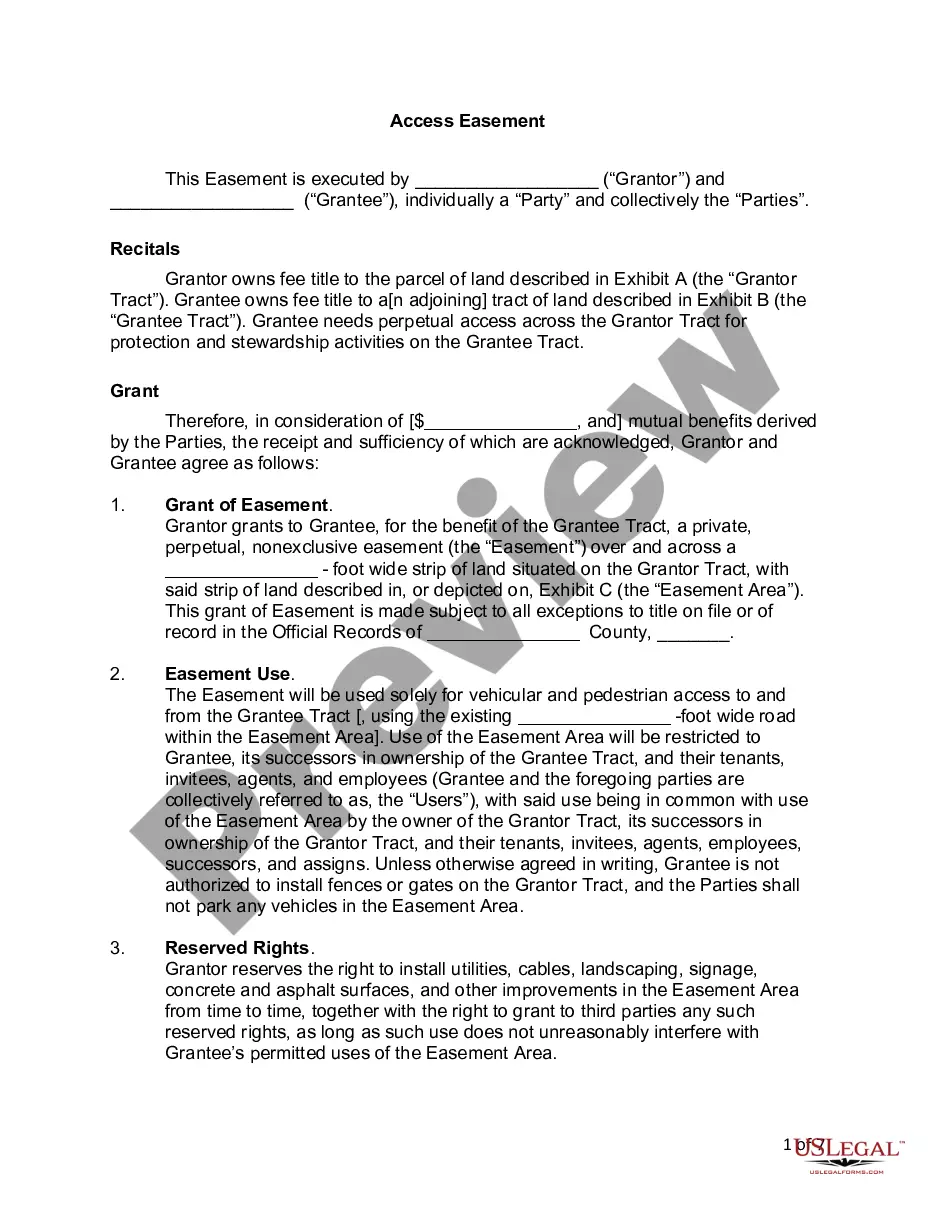
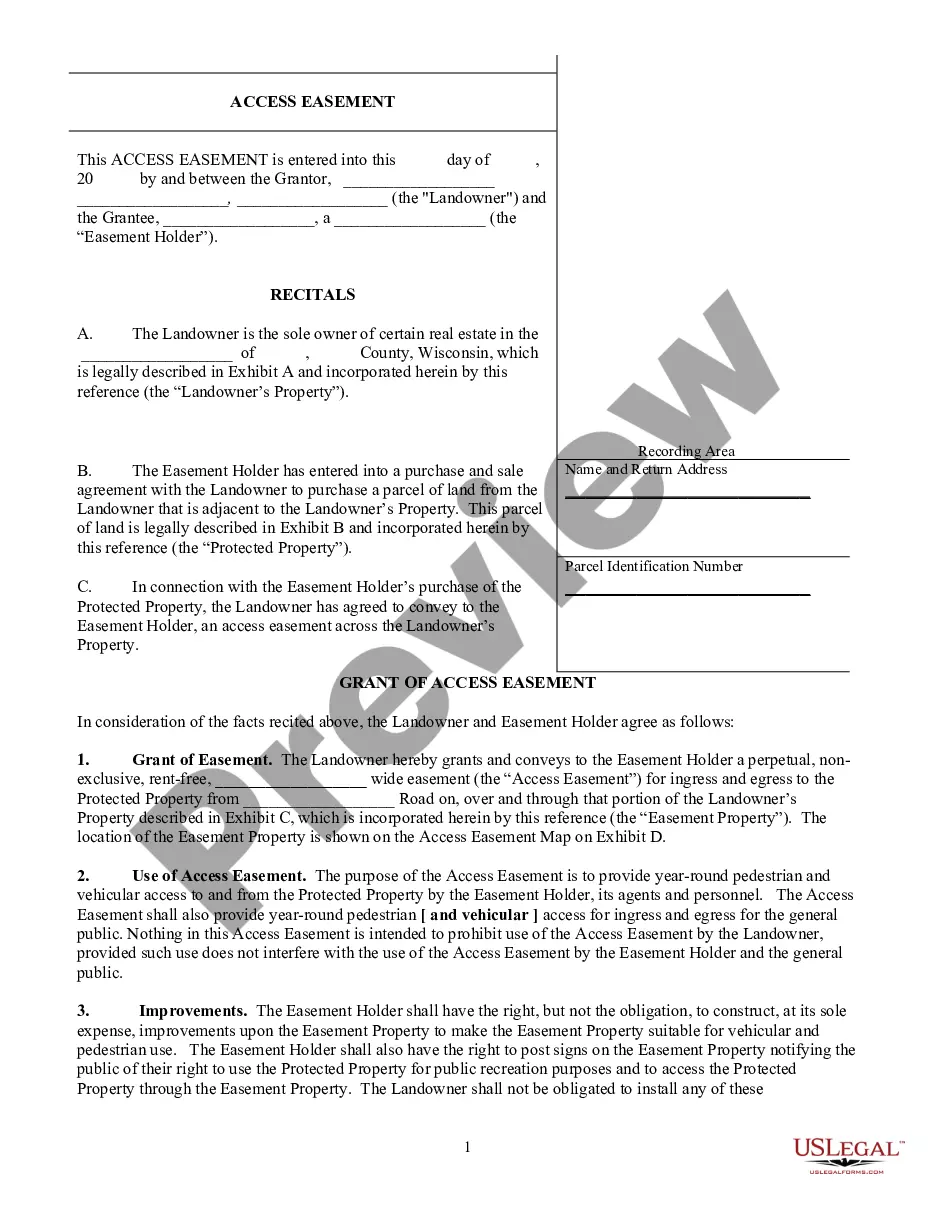
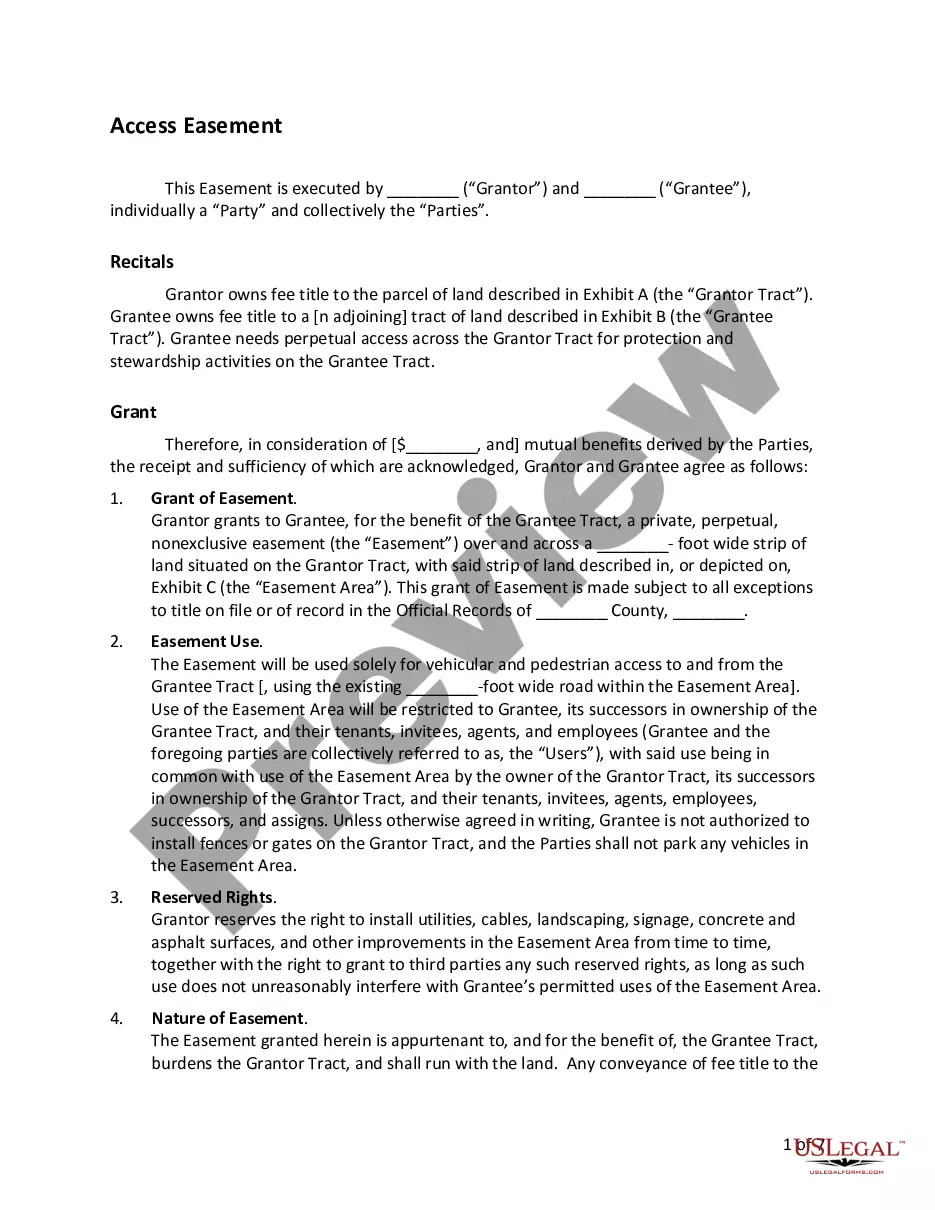
The Easement Access form for a Single Person is a legal document that grants permission for another party to access a specific tract of land for a defined purpose. Unlike other property agreements, this easement does not transfer ownership or possessory rights but ensures the right of ingress and egress for specified activities. It serves to clarify the terms under which access is allowed while protecting the rights of the landowner, making it essential for managing property access and use efficiently.
Main sections of this form
- Project details such as Project Number and Project Name.
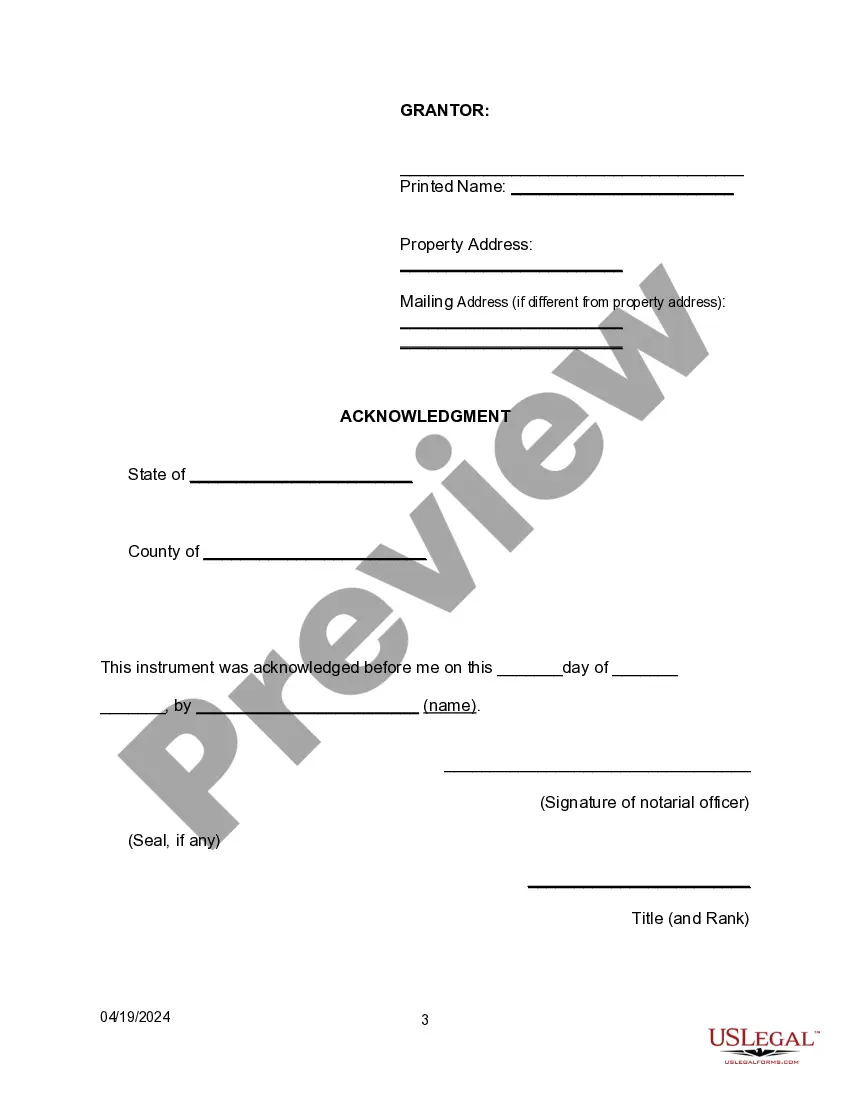
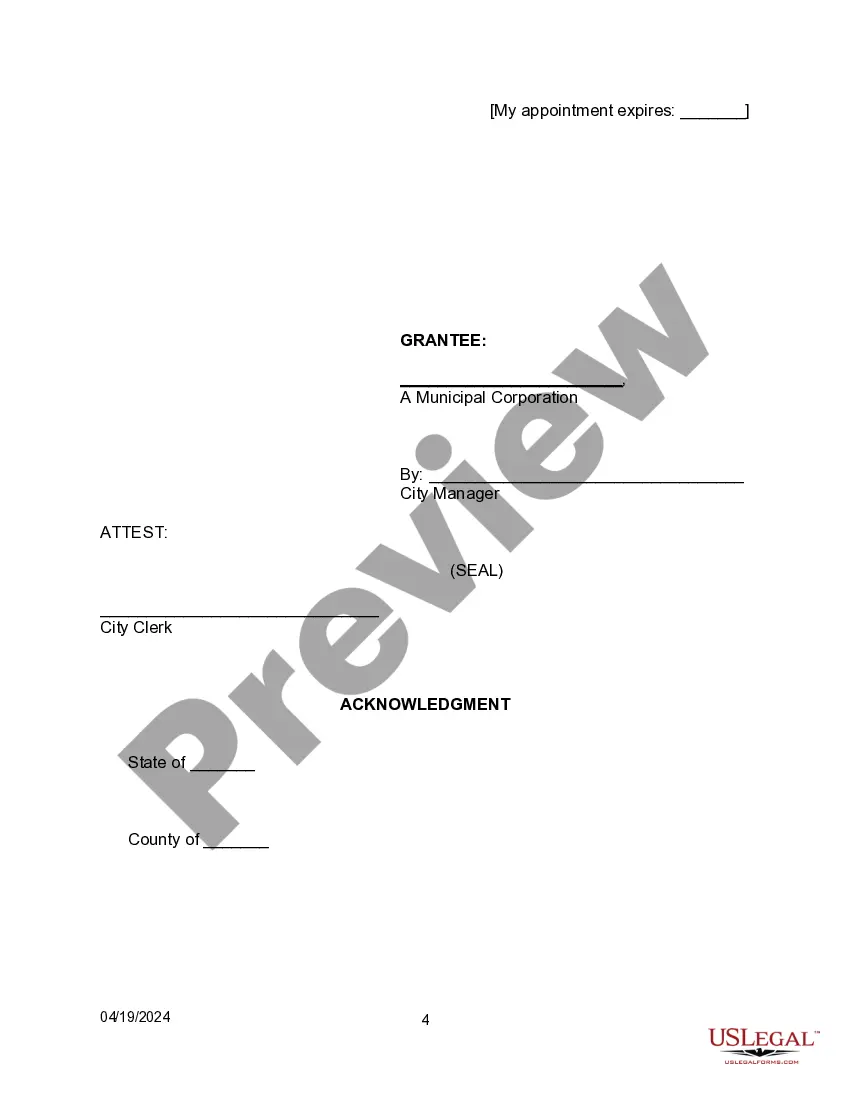
- Identification of the Grantor (landowner) and Grantee (municipal corporation).
- Description of the easement area, detailed in Exhibit A.
- Conditions related to access, including allowances for vehicular and pedestrian traffic.
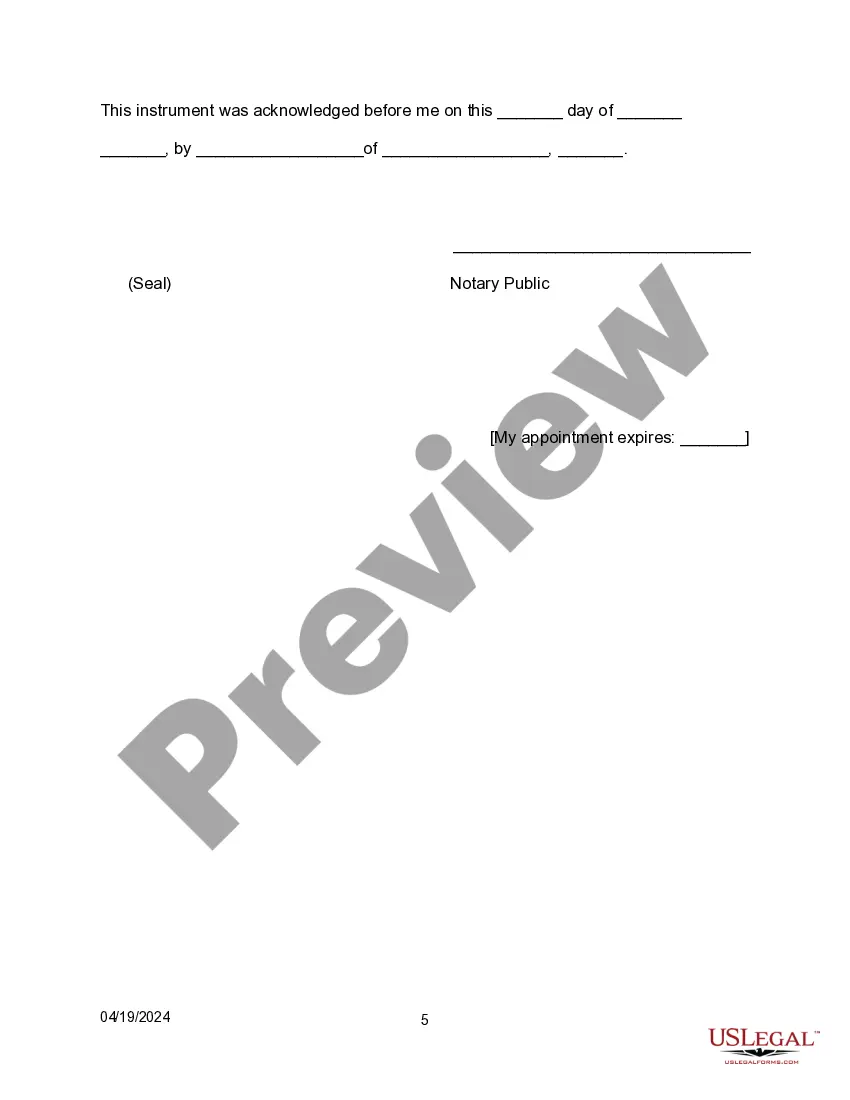
- Requirements for notarization and acknowledgment of parties involved.
- Provisions regarding modifications or cancellation of the easement.

When to use this form
This form should be used when a property owner needs to allow another party, typically a municipal corporation or service provider, limited access to their land for specific purposes, such as utility access, road construction, or maintenance. It is particularly relevant in situations where infrastructure projects require temporary or permanent pathways through private property while ensuring that the property owner's rights remain intact.
Who this form is for
- Property owners granting access to their land.
- Municipal corporations requiring access for public projects.
- Developers involved in construction projects needing easement rights.
- Landowners wanting to clarify usage terms with potential tenants or users.
How to prepare this document
- Identify and enter the Project Number and Project Name at the top of the form.
- Clearly state the names and addresses of the Grantor and Grantee.
- Outline the specific property details in Exhibit A as required.
- Sign and date the document in the presence of a notary public.
- Ensure all acknowledgments and any necessary seals are included for validation.
Is notarization required?
Yes, this form must be notarized to be legally valid. US Legal Forms provides integrated online notarization services, allowing you to securely notarize your form through a video call, available 24/7 without the need for travel.
Get your form ready online
Our built-in tools help you complete, sign, share, and store your documents in one place.
Make edits, fill in missing information, and update formatting in US Legal Forms—just like you would in MS Word.
Download a copy, print it, send it by email, or mail it via USPS—whatever works best for your next step.
Sign and collect signatures with our SignNow integration. Send to multiple recipients, set reminders, and more. Go Premium to unlock E-Sign.
If this form requires notarization, complete it online through a secure video call—no need to meet a notary in person or wait for an appointment.
We protect your documents and personal data by following strict security and privacy standards.

Make edits, fill in missing information, and update formatting in US Legal Forms—just like you would in MS Word.

Download a copy, print it, send it by email, or mail it via USPS—whatever works best for your next step.

Sign and collect signatures with our SignNow integration. Send to multiple recipients, set reminders, and more. Go Premium to unlock E-Sign.

If this form requires notarization, complete it online through a secure video call—no need to meet a notary in person or wait for an appointment.

We protect your documents and personal data by following strict security and privacy standards.
Common mistakes to avoid
- Not specifying the area of the easement clearly in Exhibit A.
- Failing to notarize the document, which can render it invalid.
- Leaving out important details about the rights and restrictions of the easement.
- Not keeping a copy for personal records after filing.
Benefits of using this form online
- Convenient access to professionally drafted legal forms at any time.
- Easy download and customization to fit specific needs.
- Ensures compliance with legal requirements without needing extensive legal knowledge.
Legal use & context
- This easement agreement is legally binding once executed and notarized.
- It runs with the land, meaning future owners also recognize the easement rights.
- Amendments to the easement require written consent from the relevant municipal authority.
Looking for another form?

Form popularity
FAQ
Creation of Easements in CT By Prescription ? Under Connecticut law, an easement by prescription will be found upon a showing by the claimant that his use of the easement has been open, visible, and continuous for a period of fifteen years and made under claim of right.
(b) The owner of any residential real property that benefits from an easement or right-of-way, the purpose of which is to provide access to such residential real property, shall be responsible for the cost of maintaining such easement or right-of-way in good repair and the cost of repairing or restoring any damaged
In Connecticut, to acquire title to land by adverse possession a claimant must oust an owner of possession and keep such owner out without interruption for 15 years by an open visible and exclusive possession under a claim of right with the intent to use the property as his own without the consent of the owner.
There are three main types of easements: ?In gross?, ?Appurtenant?, and ?prescriptive?. The names are a bit confusing, but we'll explain what each one is and the relevance in a real estate transaction. With an easement in gross, the property is the only consideration that matters.
Abstract. Black's Law Dictionary defines an easement as a right of use over the property of another.
Under Ohio law, the party seeking a prescriptive easement has the ?burden of proof? and must establish in Court that they have been using a neighbor's property in a manner that is (1) open; (2) notorious; (3) adverse to the neighbor's property rights; (4) continuous; and (5) at least 21 years in duration. J.F.
An easement gives the easement holder a right of use over the land of another. Once an easement has been granted, the grantor may not interfere with the grantee's use of the easement.
Prescriptive easements ? To obtain a prescriptive easement in Washington, one property owner must openly, hostilely, and continuously use part of another's land for 10 years without permission. The laws for establishing a prescriptive easement are almost the same as the requirements for establishing adverse possession.