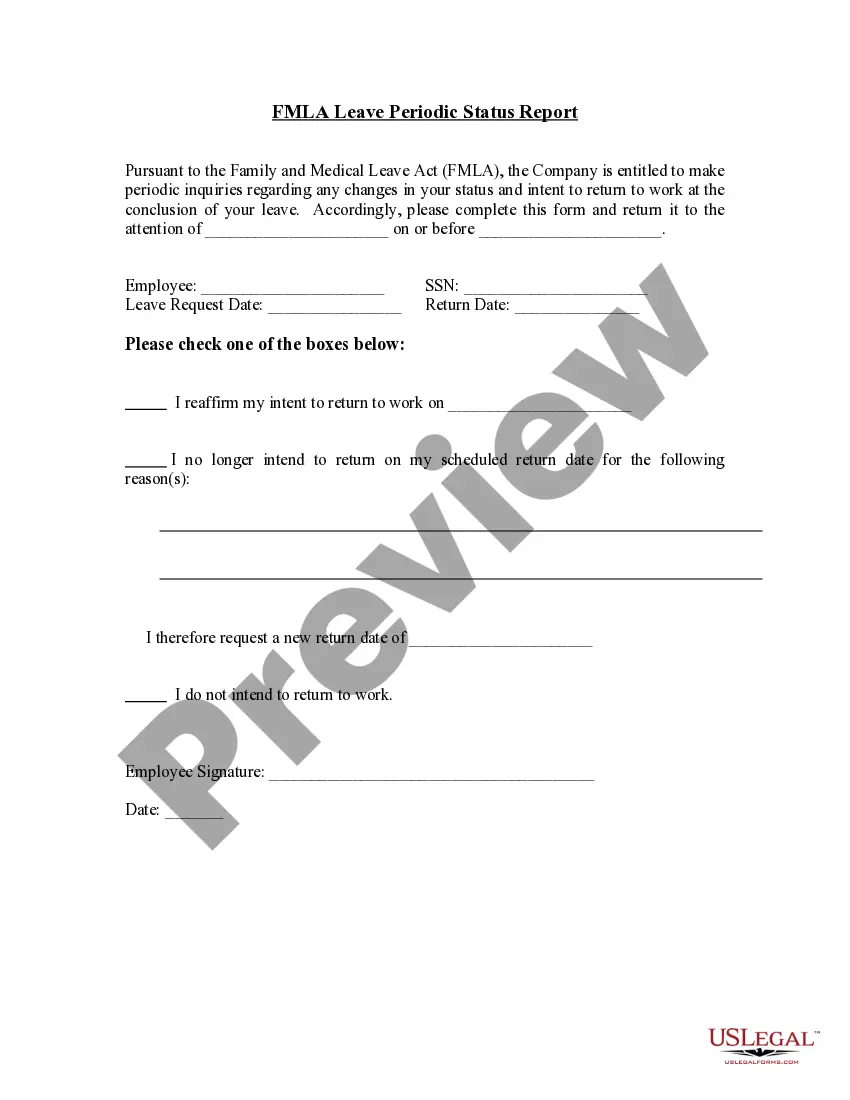
FMLA Leave Periodic Status Report
Overview of this form
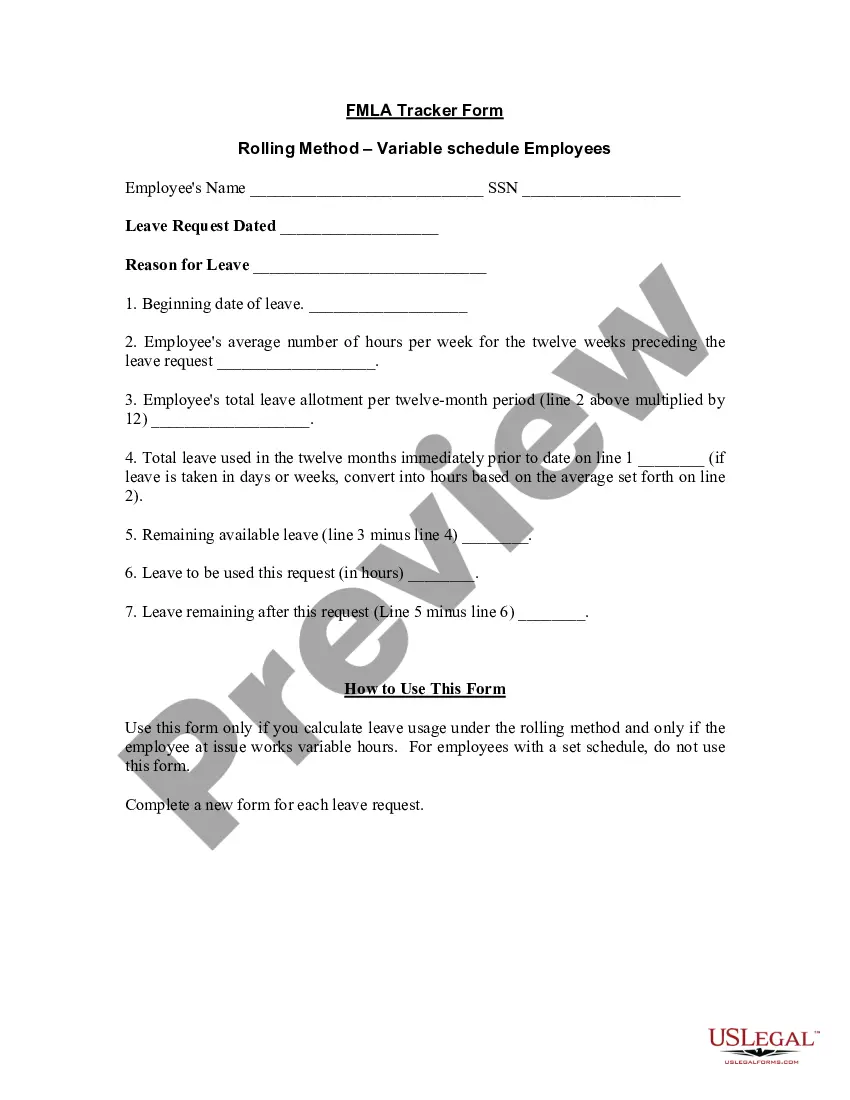
The FMLA Leave Periodic Status Report is a legal document designed for employees taking leave under the Family and Medical Leave Act (FMLA). This form allows employers to conduct periodic inquiries about an employee's intent to return to work. It differs from other leave forms by focusing specifically on the status of the employee during their qualified leave period.
What’s included in this form
- Employee identification details including name and Social Security Number
- Signature of the employee, affirming the information provided
- Designated recipient of the form within the company
- Due date for submission of the report
When this form is needed
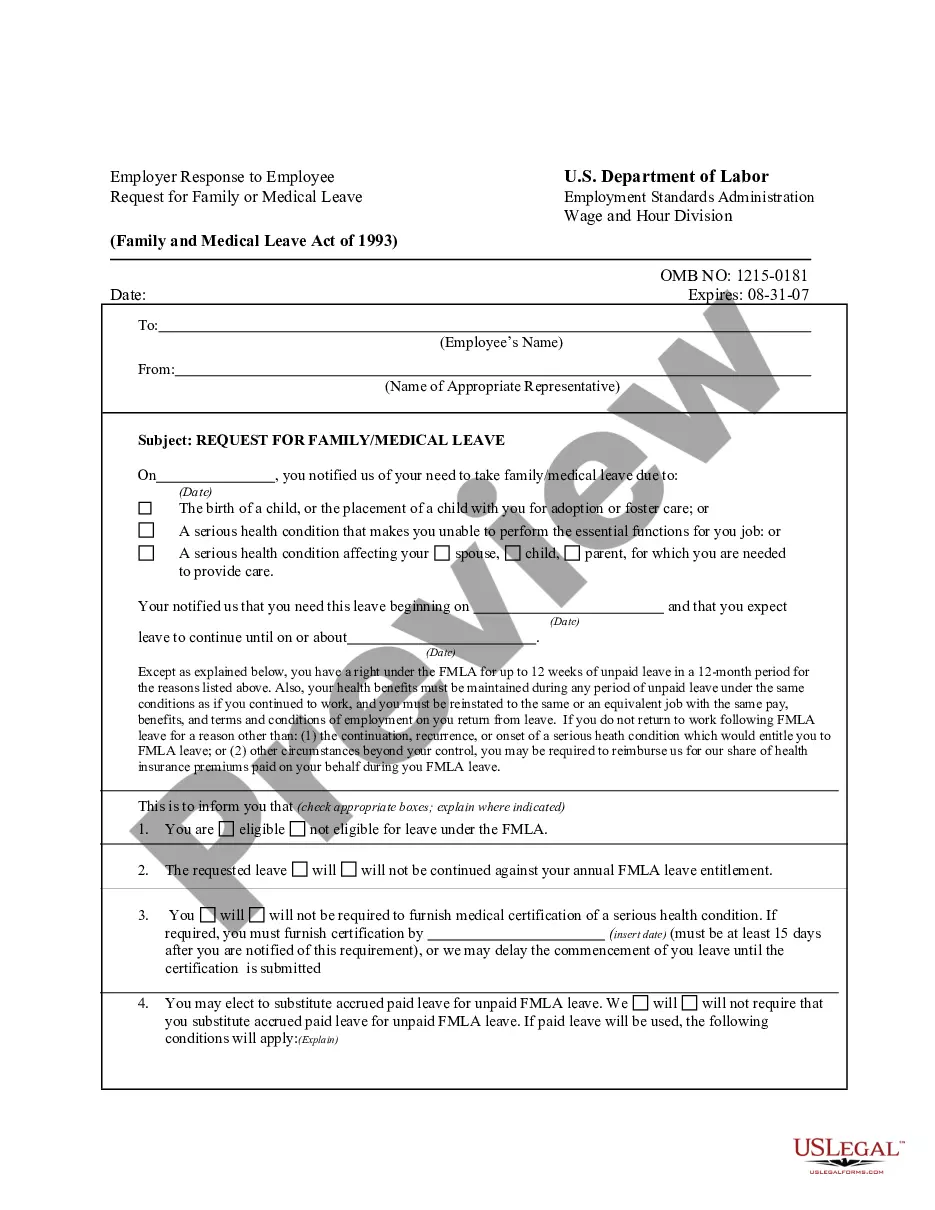
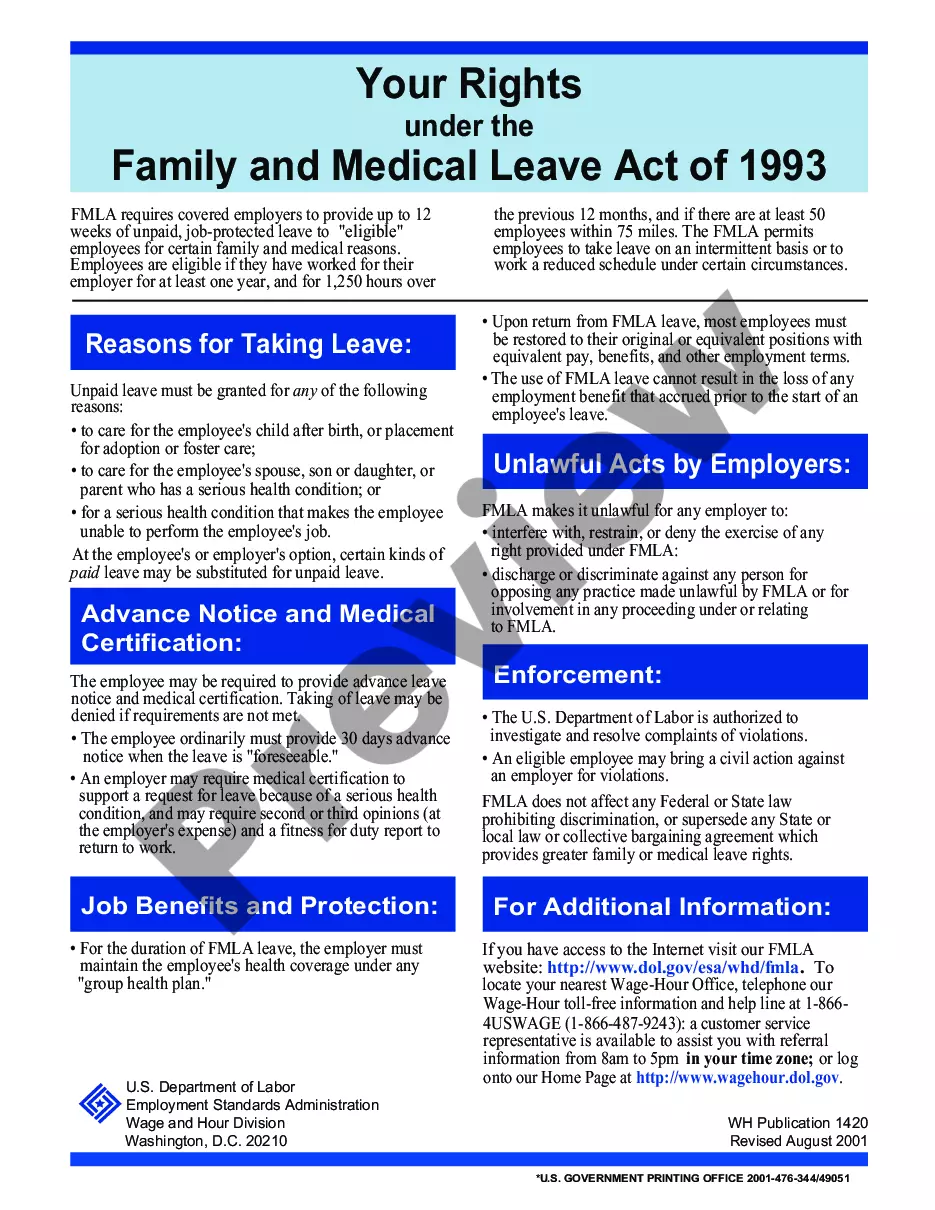
This form should be used when an employer requests periodic updates from an employee who is currently on FMLA leave. Such inquiries may occur at various intervals during the leave, allowing the employer to assess the employee's status and readiness to return to work.
Who needs this form
- Employees currently taking leave under the Family and Medical Leave Act
- Employers needing to verify the leave status of their employees
- Human resources personnel handling FMLA-related requests
How to complete this form
- Enter your full name and Social Security Number in the provided fields.
- Specify the name of the person to whom the form is being submitted.
- Indicate the date by which the form must be returned.
- Sign and date the form to validate your submission.
- Submit the completed form to your employer or designated HR representative as instructed.
Is notarization required?
Notarization is generally not required for this form. However, certain states or situations might demand it. You can complete notarization online through US Legal Forms, powered by Notarize, using a verified video call available anytime.
Get your form ready online
Our built-in tools help you complete, sign, share, and store your documents in one place.
Make edits, fill in missing information, and update formatting in US Legal Forms—just like you would in MS Word.
Download a copy, print it, send it by email, or mail it via USPS—whatever works best for your next step.
Sign and collect signatures with our SignNow integration. Send to multiple recipients, set reminders, and more. Go Premium to unlock E-Sign.
If this form requires notarization, complete it online through a secure video call—no need to meet a notary in person or wait for an appointment.
We protect your documents and personal data by following strict security and privacy standards.

Make edits, fill in missing information, and update formatting in US Legal Forms—just like you would in MS Word.

Download a copy, print it, send it by email, or mail it via USPS—whatever works best for your next step.

Sign and collect signatures with our SignNow integration. Send to multiple recipients, set reminders, and more. Go Premium to unlock E-Sign.

If this form requires notarization, complete it online through a secure video call—no need to meet a notary in person or wait for an appointment.

We protect your documents and personal data by following strict security and privacy standards.
Typical mistakes to avoid
- Failing to sign and date the form before submission.
- Not providing complete identification details, such as name or SSN.
- Missing the submission deadline set by the employer.
Why complete this form online
- Convenient access to the form from anywhere, allowing timely submission.
- Edit and customize the form as necessary to fit your specific situation.
- Reliable templates drafted by licensed attorneys, ensuring legal compliance.
Looking for another form?

Form popularity
FAQ
In order to establish a claim for FMLA interference, an employee must prove that: (1) he or she is an eligible employee; (2) the employer is a covered employer; (3) he or she was entitled to take FMLA leave; (4) notice of the employee's intention to take the FMLA leave was given to the employer; and (5) the employee
No. An employer cannot require a physician's note every time an employee misses work while taking FMLA intermittent leave.
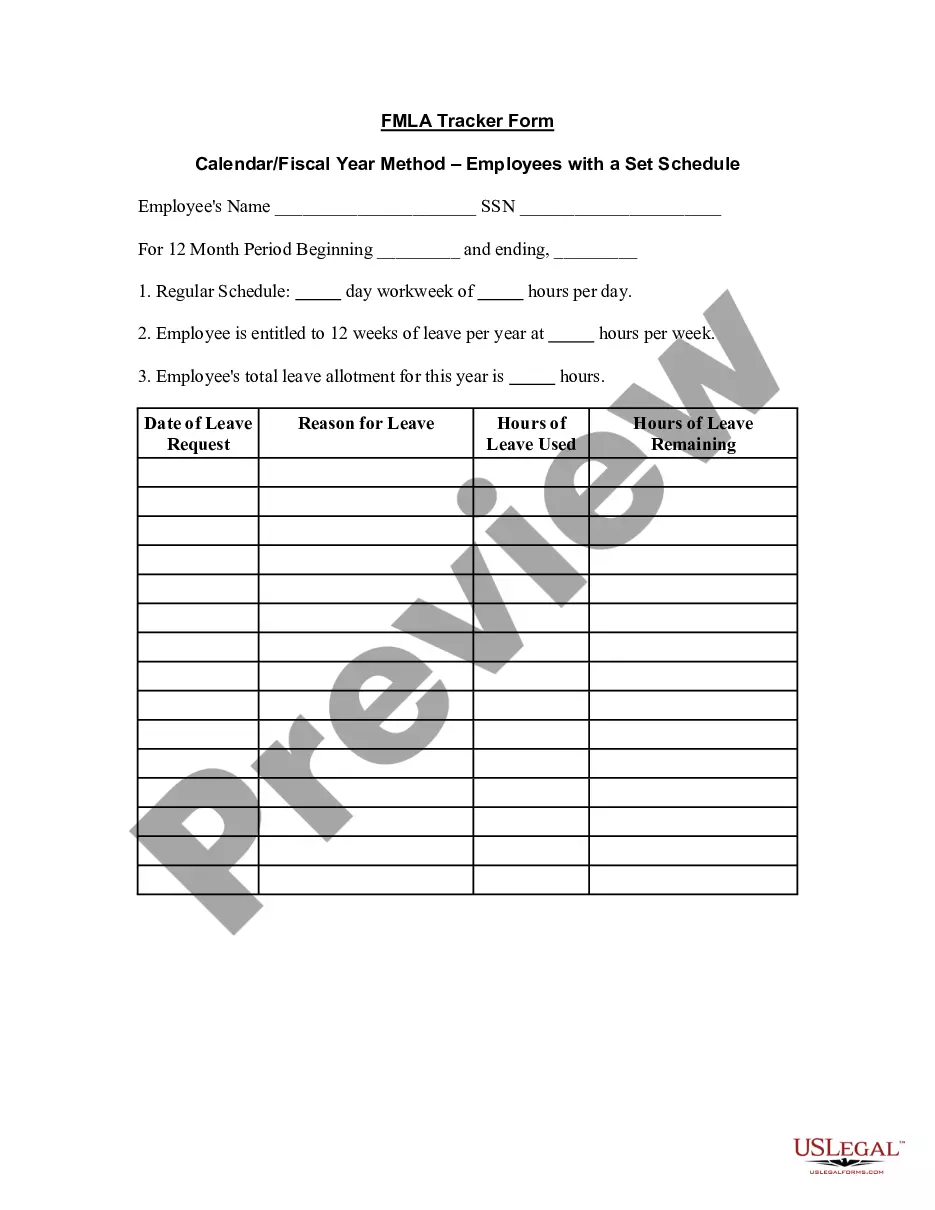
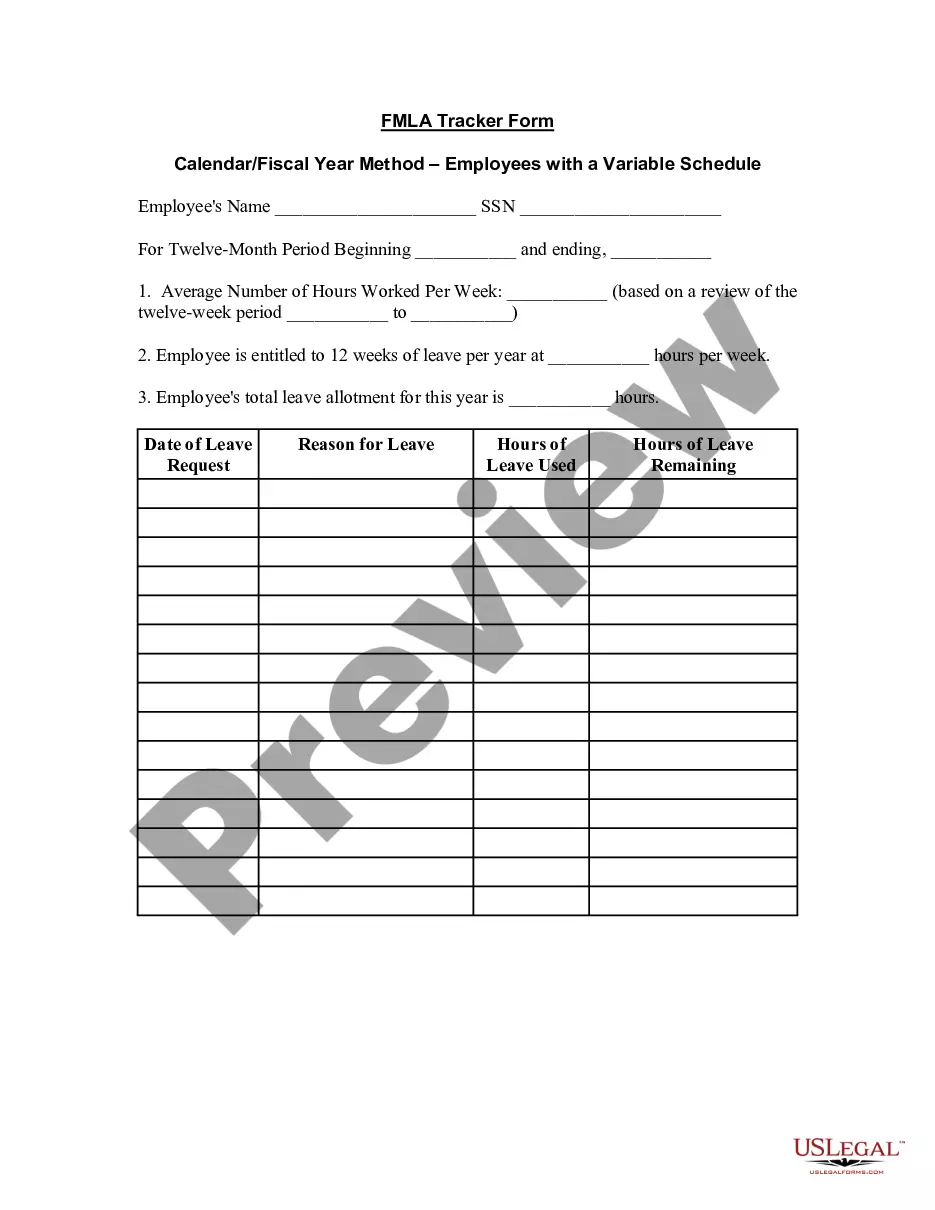
Under the rolling method, known also in HR circles as the look-back method, the employer looks back over the last 12 months, adds up all the FMLA time the employee has used during the previous 12 months and subtracts that total from the employee's 12-week leave allotment.
Under the ''rolling'' 12-month period, each time an employee takes FMLA leave, the remaining leave entitlement would be the balance of the 12 weeks which has not been used during the immediately preceding 12 months. Example 1: Michael requests three weeks of FMLA leave to begin on July 31st.
Using this method, the employer will look back over the last 12 months from the date of the request, add all FMLA time the employee has used during the previous 12 months and subtract that total from the employee's 12-week leave allotment.
Steps for calculating the 12-month rolling total: 1) For the first 12 months - track of the total hours for each month. 2) At the end of 12 months - total the hours of operation for the year. For the example it is 4,900 hrs/yr.
Next the employer would subtract the total amount of FMLA leave taken in the last 12 months from the 12 weeks the employee is entitled to in any 12-month period. This can be done in full weeks, fractions of weeks, days or even hours, depending on how the leave was used.
Employers may choose to have a policy that defines a 12-month FMLA period as follows: The calendar year;The 12-month period measured forward from the date any employee's first FMLA leave under paragraph (a) begins; or, A "rolling" 12-month period measured backward from the date an employee uses any FMLA leave.
FMLA regulations state that an employee is entitled to 12 weeks of leave in a 12-month period.A "rolling" 12-month period measured backward from the date an employee uses any FMLA leave.