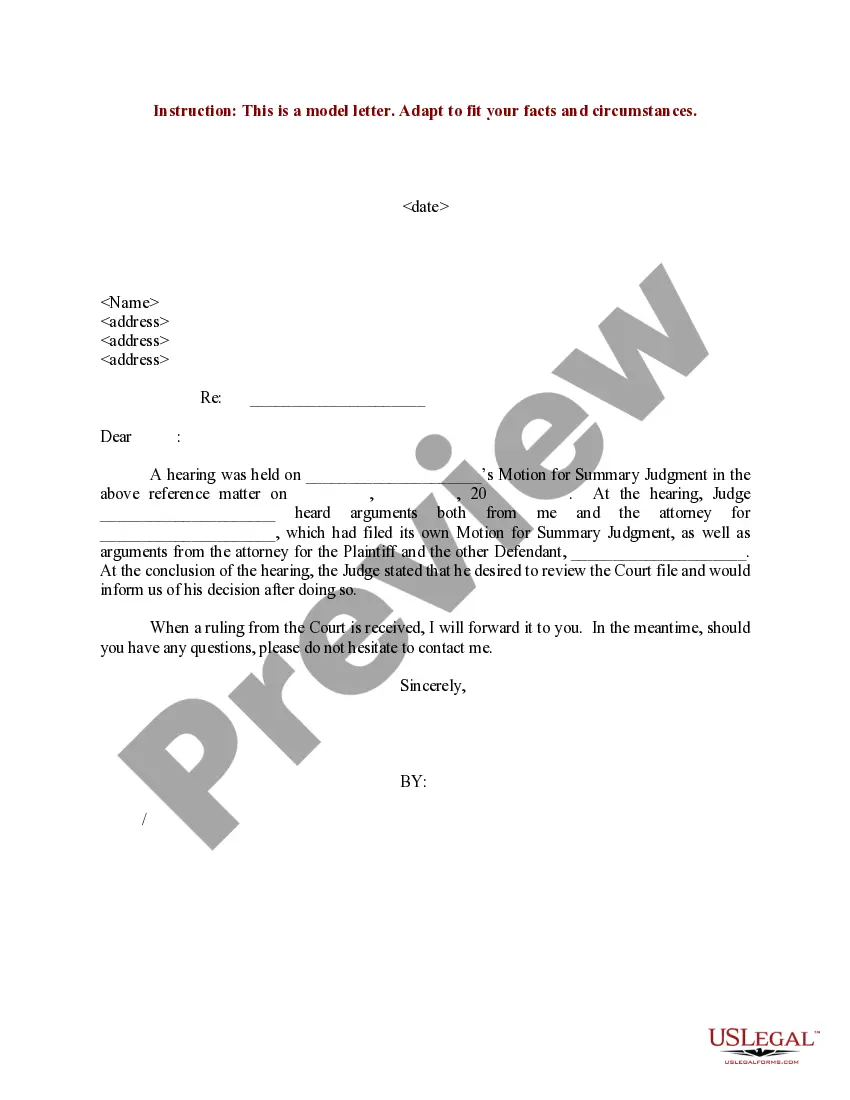
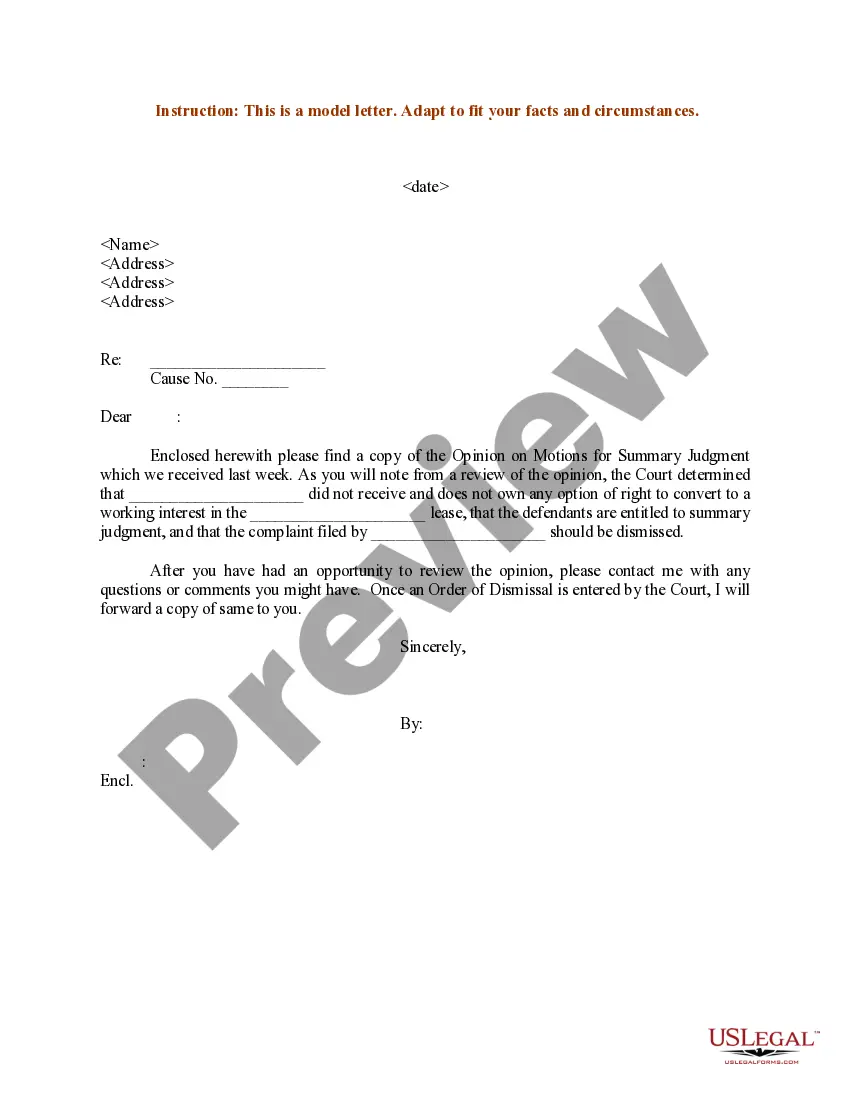
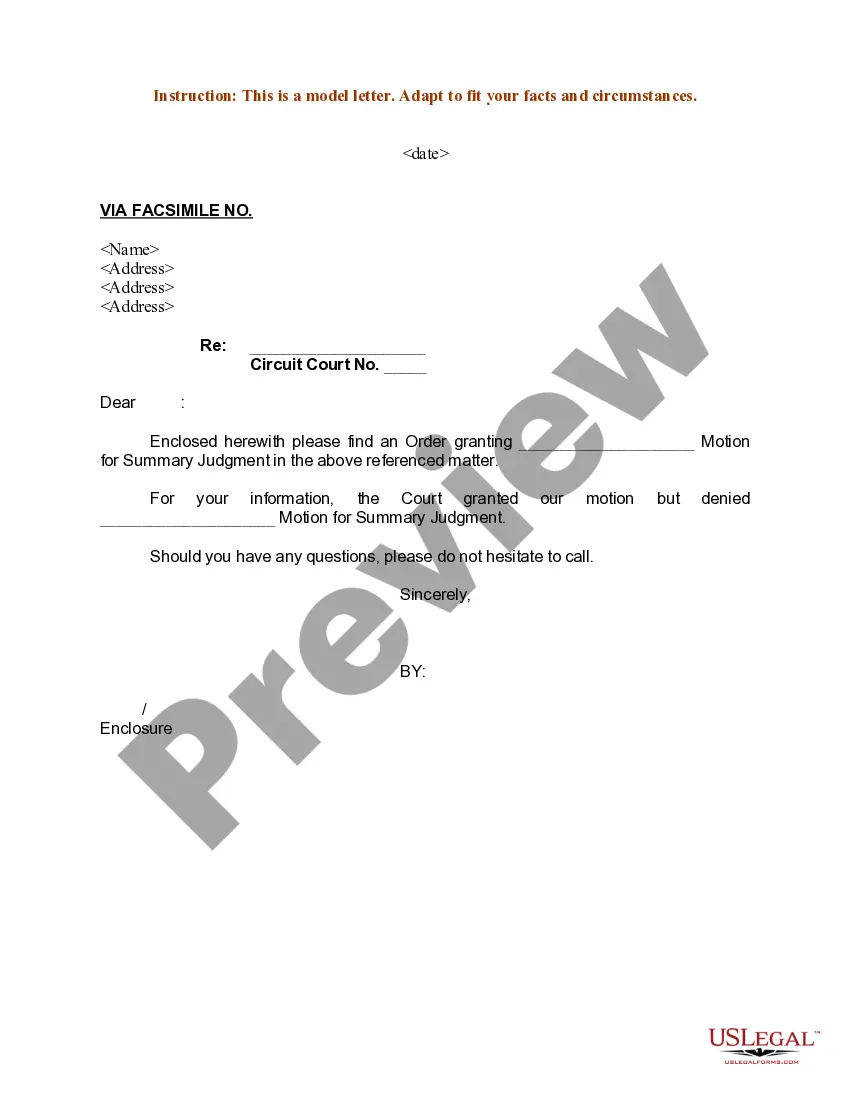
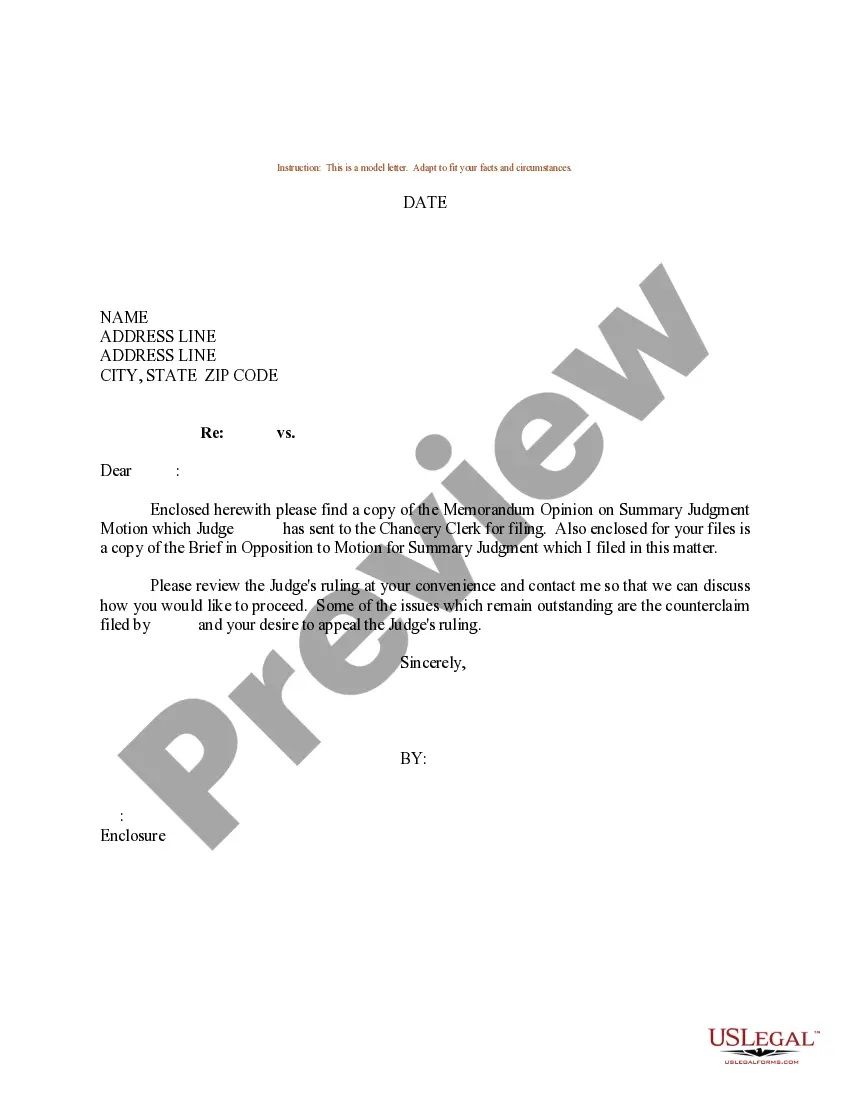
Motion Hearing In Court In Texas
Description
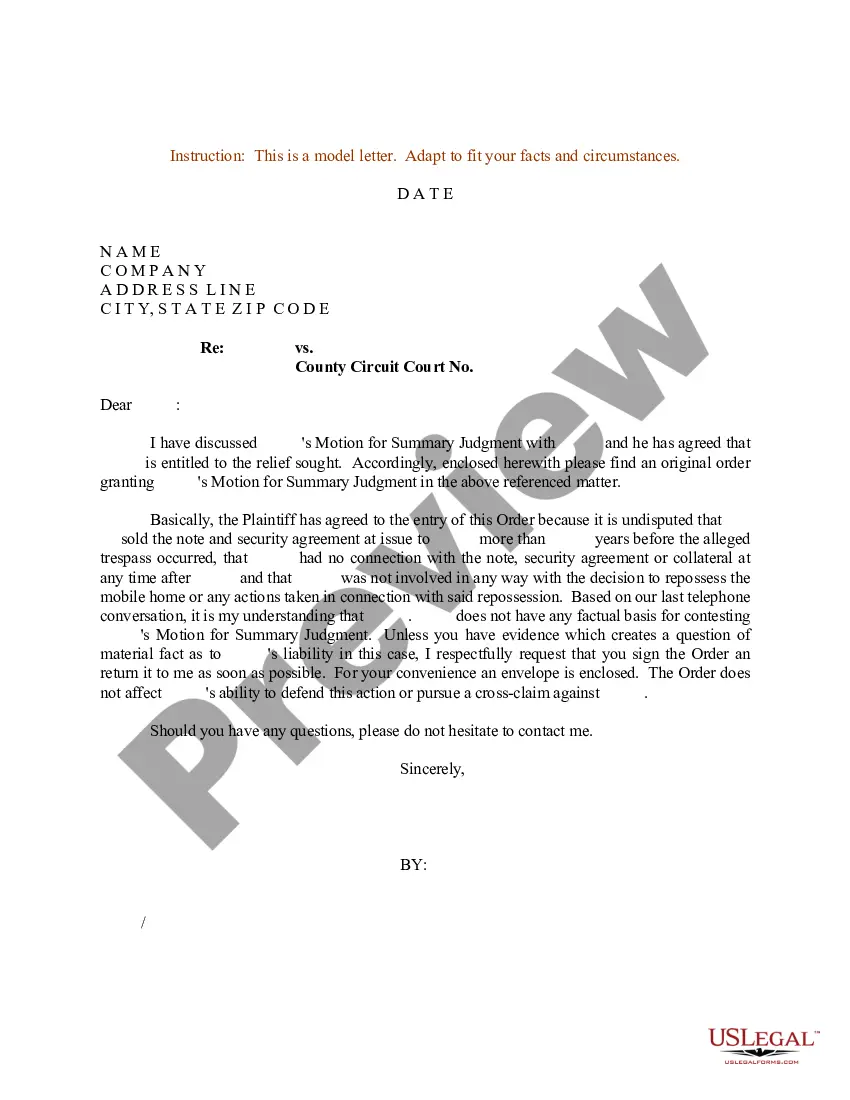
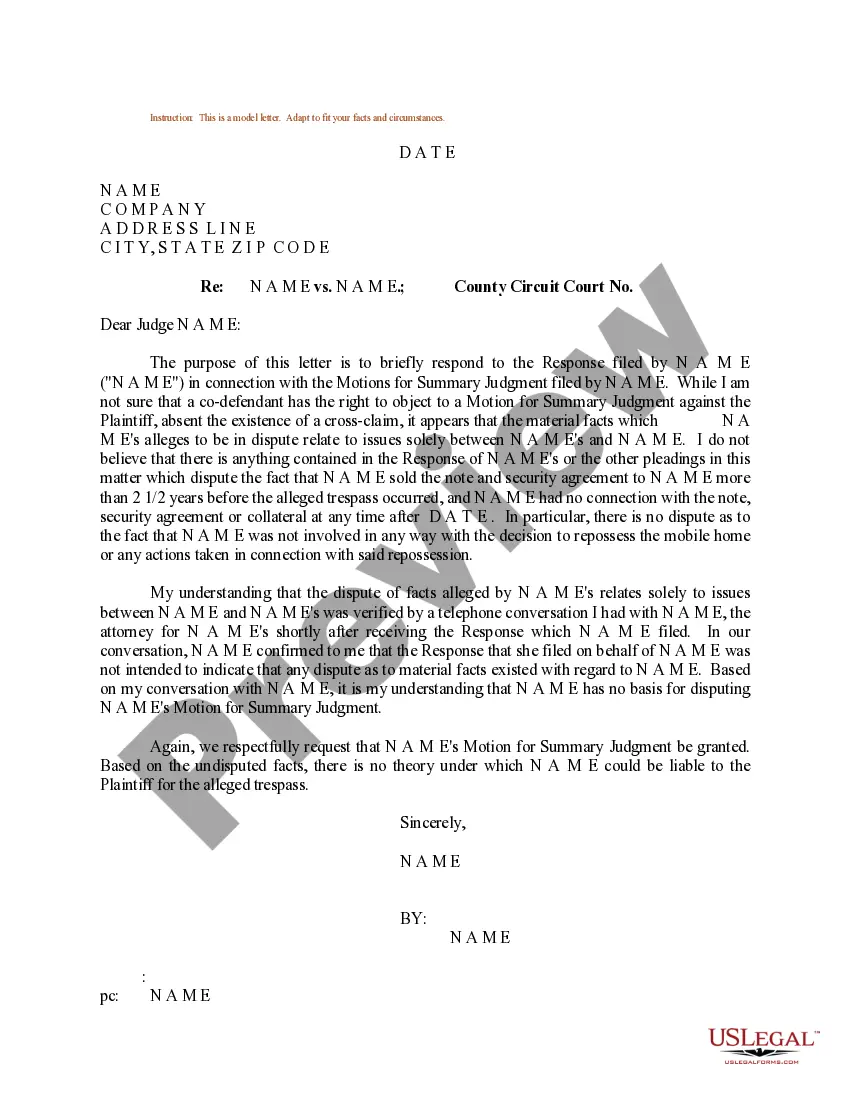
Get your form ready online
Our built-in tools help you complete, sign, share, and store your documents in one place.
Make edits, fill in missing information, and update formatting in US Legal Forms—just like you would in MS Word.
Download a copy, print it, send it by email, or mail it via USPS—whatever works best for your next step.
Sign and collect signatures with our SignNow integration. Send to multiple recipients, set reminders, and more. Go Premium to unlock E-Sign.
If this form requires notarization, complete it online through a secure video call—no need to meet a notary in person or wait for an appointment.
We protect your documents and personal data by following strict security and privacy standards.

Make edits, fill in missing information, and update formatting in US Legal Forms—just like you would in MS Word.

Download a copy, print it, send it by email, or mail it via USPS—whatever works best for your next step.

Sign and collect signatures with our SignNow integration. Send to multiple recipients, set reminders, and more. Go Premium to unlock E-Sign.

If this form requires notarization, complete it online through a secure video call—no need to meet a notary in person or wait for an appointment.

We protect your documents and personal data by following strict security and privacy standards.
Looking for another form?









Form popularity
FAQ
Steps Check if the court has blank motion forms. Some courts have "check the boxes" or "fill in the blank" motion forms. Create your caption. Title your motion. Draft the introductory paragraph to the body of the motion. Request relief. Lay out the applicable facts. Make your legal argument. Insert a signature block.
Courts hold hearings to test the parties' arguments and decide who is right. After a lawyer in the case files a motion with the court, the judge will often require the parties to appear before the court to "argue" their motion. This allows a judge to directly question attorneys why the court should rule in their favor.
If you want to file a motion, the process is generally something like this: You write your motion. You file your motion with the court clerk. The court clerk inserts the date and time your motion will be heard by the judge. You “serve” (mail) your motion to the other side.
General format - each motion generally consists of a case caption, a title that briefly identifies the relief sought, a series of numbered paragraphs that explains -- in a logical way -- why you are entitled to that relief, a prayer for relief, a signature block, a certification that a copy of the motion was sent to ...
When you become involved in a lawsuit, you may want the court to agree to something outside the standard litigation process. For example, you or your opponent may want the court to drop the case (motion to dismiss) or decide the winner without undergoing a full trial (motion for summary judgment).
A motion is a paper you can file in your case. It asks the court to decide something in your case. For example, if you need more time to answer a complaint against you, you can file a motion to extend the time to answer. If you do not have a case, you cannot file a motion.
Understand Judicial Attention Spans: Be Certain Your Brief and Arguments Tell the Story. Employ Innocence by Association. Avoid “Red Flag” Clues for the Judicial Reader. Avoid Ad Hominem Attacks and Language. Argue to Win. Never Squander Credibility.
During this hearing, the judge makes sure both your Los Angeles criminal defense lawyer and the prosecution are ready to proceed. The judge also hears any legal arguments related to the motion your lawyer has to make.