Listing Agreement Document With Iphone In Wayne
Description

Get your form ready online
Our built-in tools help you complete, sign, share, and store your documents in one place.
Make edits, fill in missing information, and update formatting in US Legal Forms—just like you would in MS Word.
Download a copy, print it, send it by email, or mail it via USPS—whatever works best for your next step.
Sign and collect signatures with our SignNow integration. Send to multiple recipients, set reminders, and more. Go Premium to unlock E-Sign.
If this form requires notarization, complete it online through a secure video call—no need to meet a notary in person or wait for an appointment.
We protect your documents and personal data by following strict security and privacy standards.

Make edits, fill in missing information, and update formatting in US Legal Forms—just like you would in MS Word.

Download a copy, print it, send it by email, or mail it via USPS—whatever works best for your next step.

Sign and collect signatures with our SignNow integration. Send to multiple recipients, set reminders, and more. Go Premium to unlock E-Sign.

If this form requires notarization, complete it online through a secure video call—no need to meet a notary in person or wait for an appointment.

We protect your documents and personal data by following strict security and privacy standards.
Looking for another form?






Form popularity
FAQ
New Jersey's mandatory recycling law (the New Jersey Statewide Mandatory Source Separation and Recycling Act), which was enacted in 1987, requires recycling in the residential, commercial (business) and institutional sectors (schools, hospitals, prisons, etc.).
What Is Not Recyclable Ceramic cups and/or plates. Clay flower pots. Drinking glasses. Jars or containers that are not rinsed out and caps/lids not removed. Light bulbs. Mirror and/or window glass.
Wayne provides an efficient and user-friendly Recycling & Solid Waste Internet ePortal and smartphone app called Recycle Coach. It offers a comprehensive Collection Calendar tailored to addresses, enabling easy access to waste collection schedules.
Once the recyclable items are collected, they are sent to processing centers. There are about 23 processing centers in New Jersey, mostly privately owned, that work with the counties and municipalities to take in their recyclables.
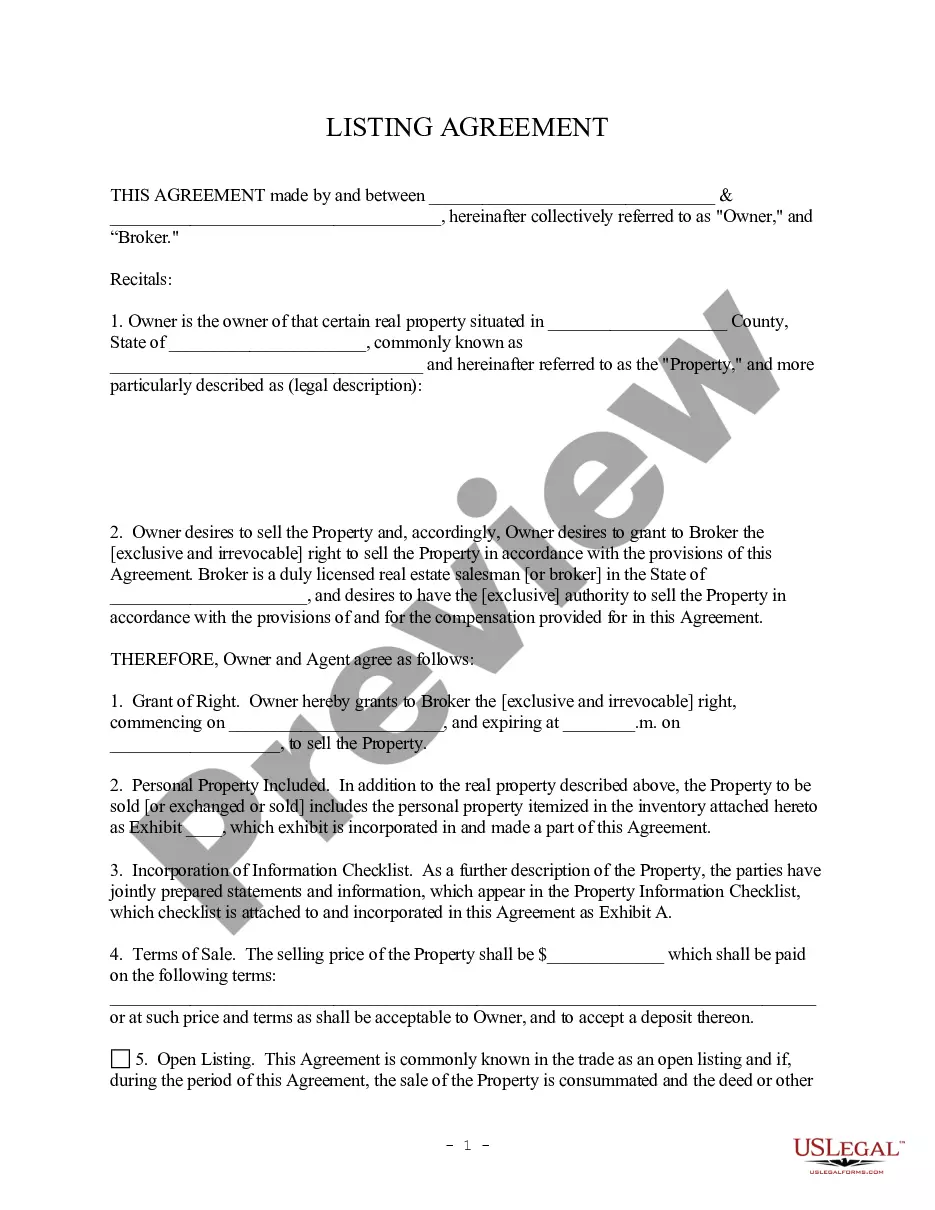
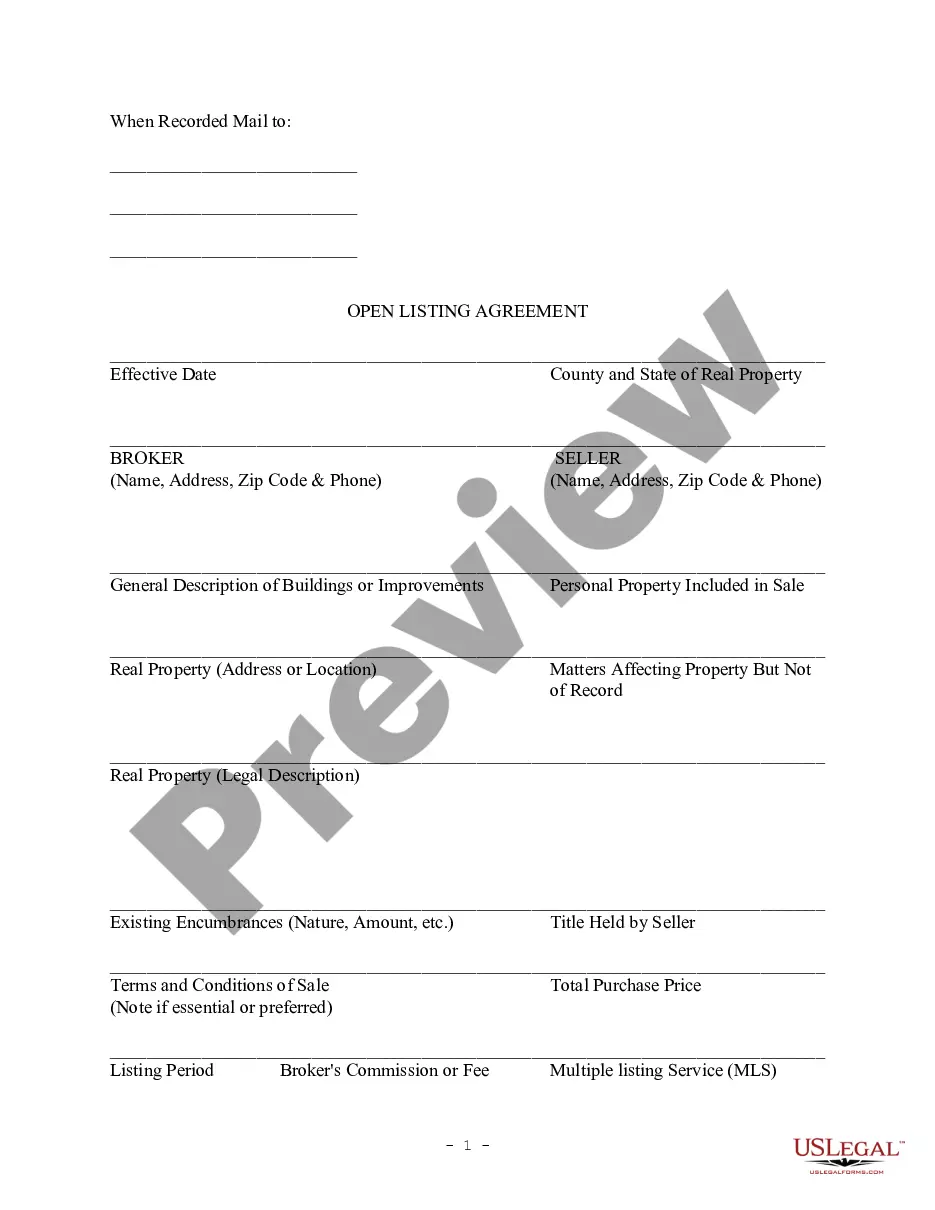
A listing agreement is a contract between a property owner and a real estate broker that authorizes the broker to represent the seller and find a buyer for the property. The three types of real estate listing agreements are open listing, exclusive agency listing, and exclusive right-to-sell listing.
Write the contract in six steps Start with a contract template. Open with the basic information. Describe in detail what you have agreed to. Include a description of how the contract will be ended. Write into the contract which laws apply and how disputes will be resolved. Include space for signatures.
Though notarization is not required, it may still be a good idea to have a notary present in order to verify the identities of all signers.
Eight Listing Traps to Avoid Approach to Conflicts of Interest. Non-Disclosed Referral Fees. Lack of Specificity in the Listing Agreement. Unquantifiable Efforts. Long Listing Agreements. Seller Costs. Focus on Brokerage Rather Than Agent. Paying Out of Escrow.
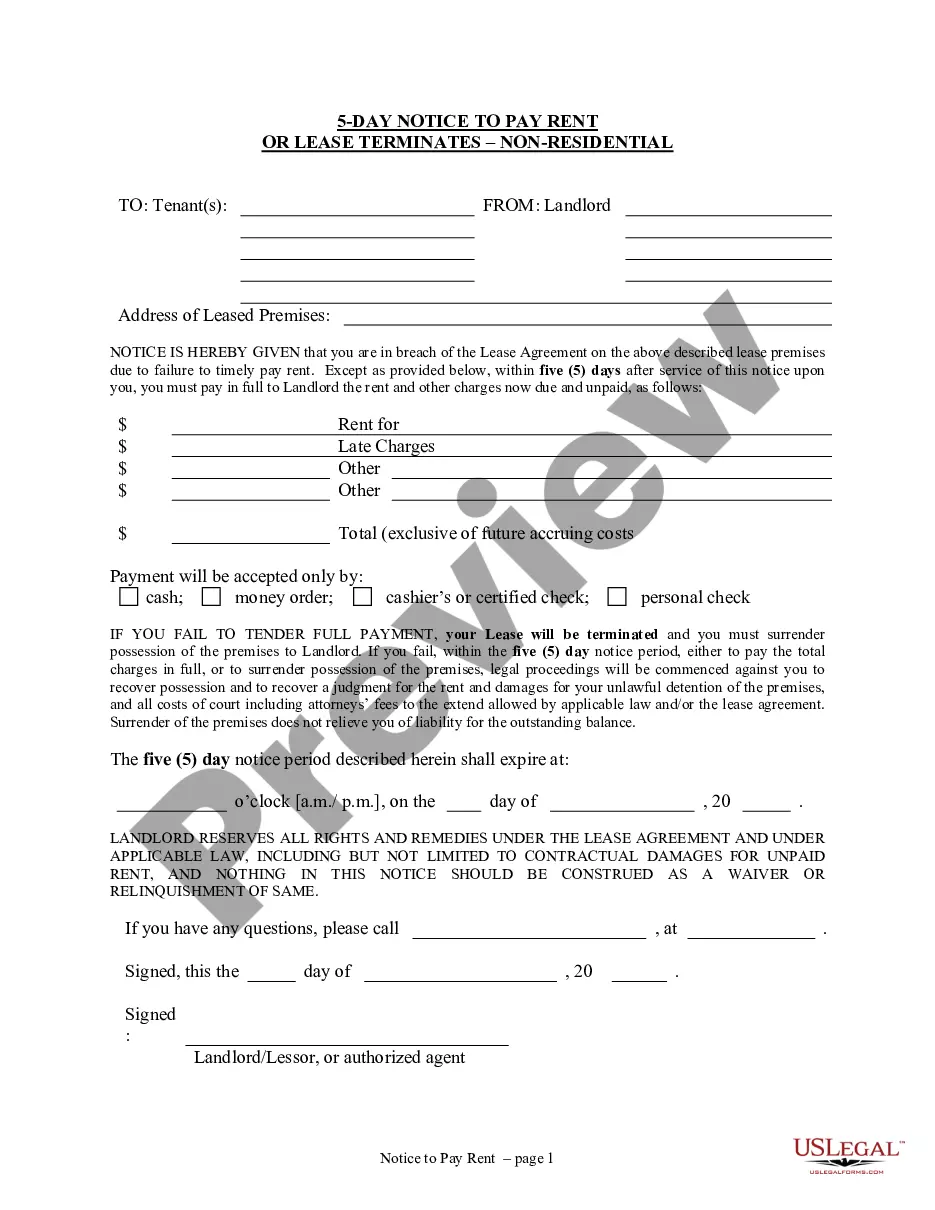
If you're set on canceling, send a formal request in writing, either via email or certified letter. Be sure to include your property address, the date, and a clear statement that you're terminating the agreement. If you want to work with a different agent in the future, be clear about the termination timeframe.
To be legally enforceable, a listing agreement must satisfy four requirements. It must contain a property description, include a promise of compensation, specify a fixed figure for the compensation (either a percentage or a dollar amount), and be in writing and signed by the seller.

