One Time Showing Agreement With Mexico In Harris
Description
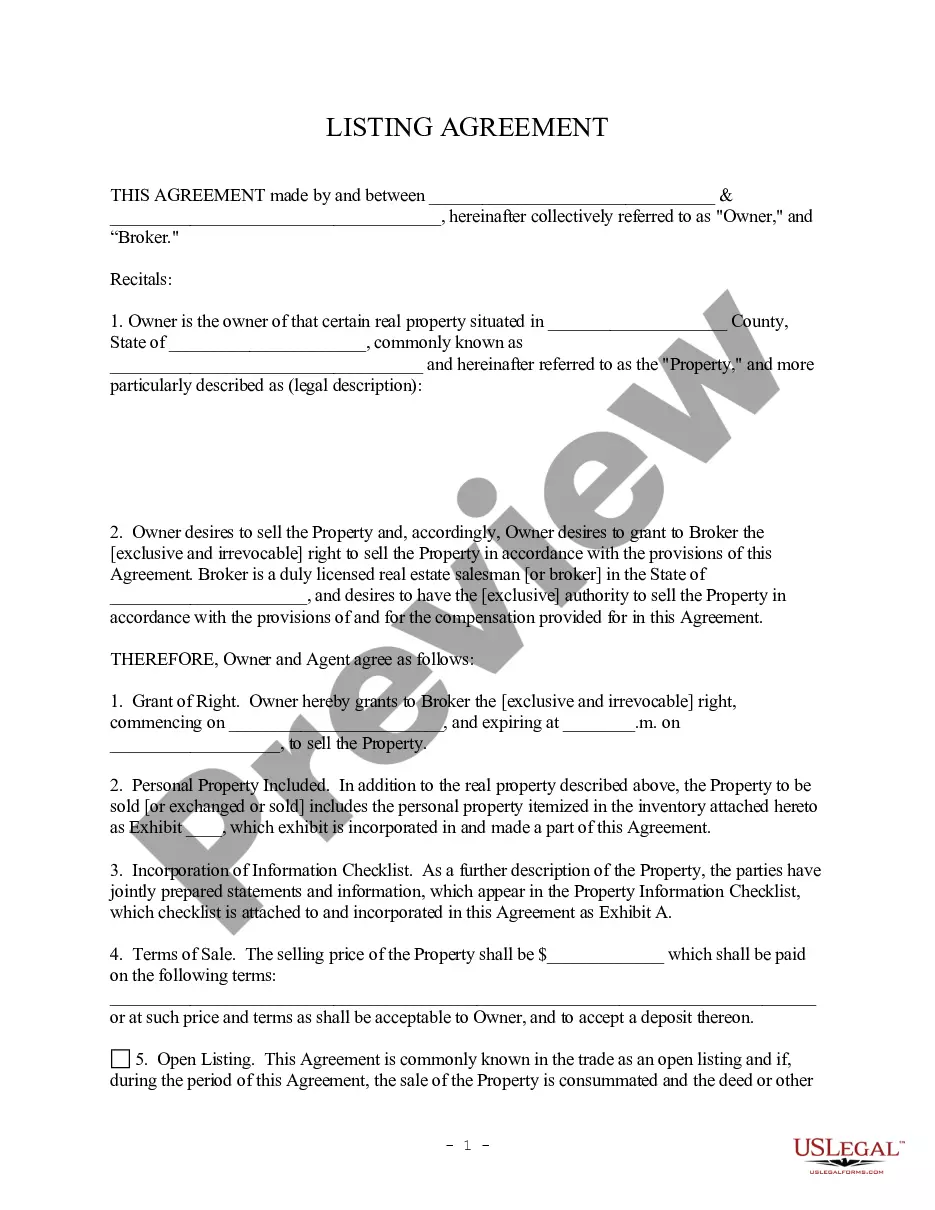
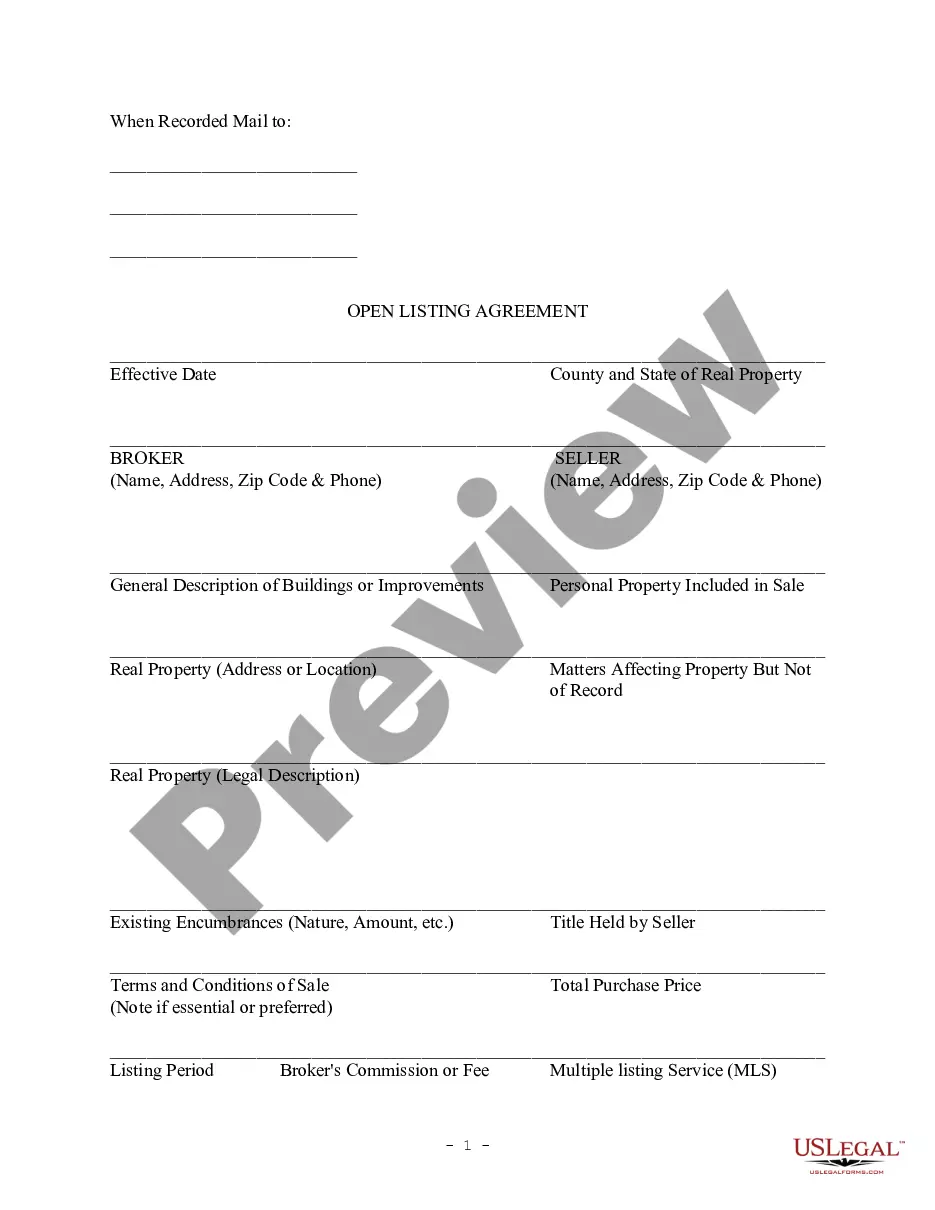
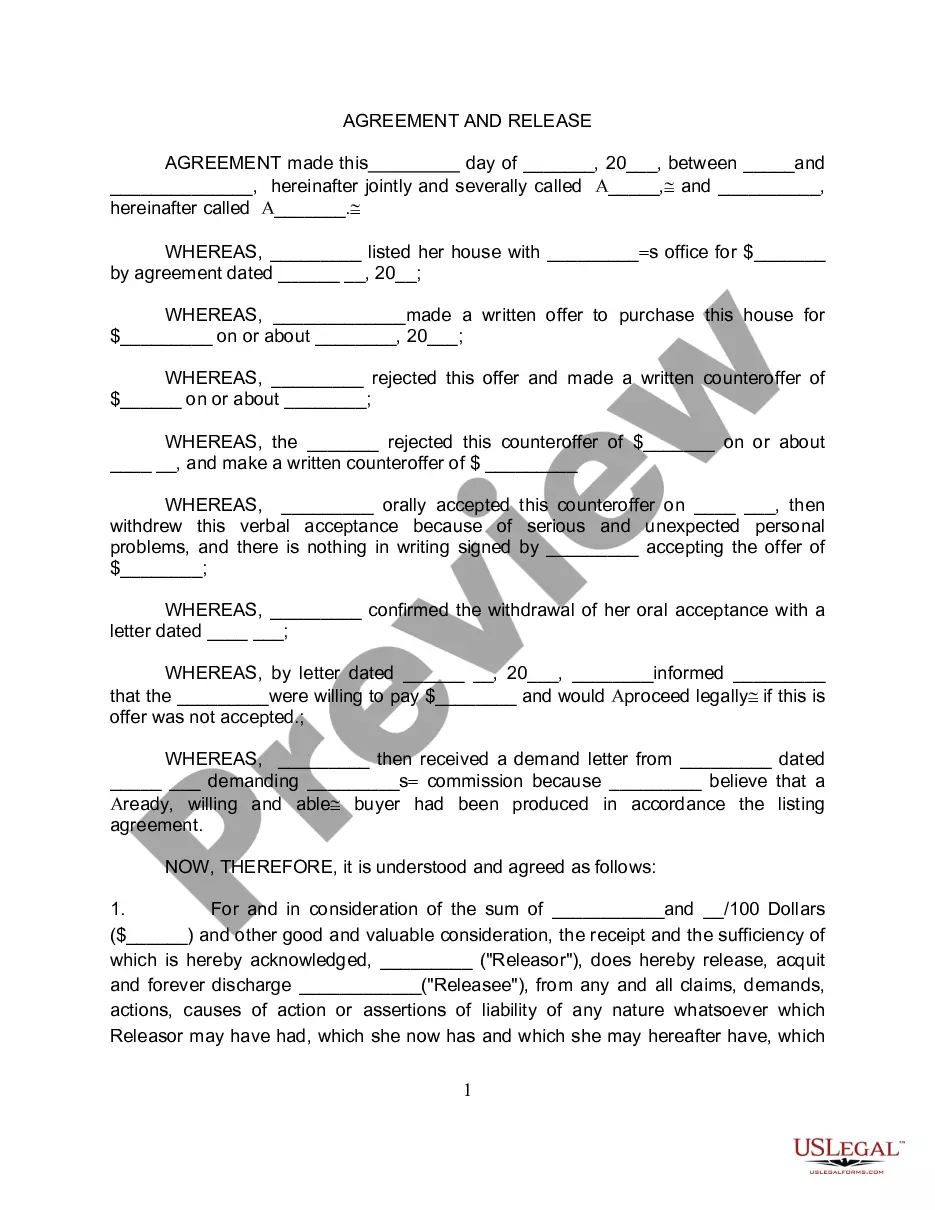
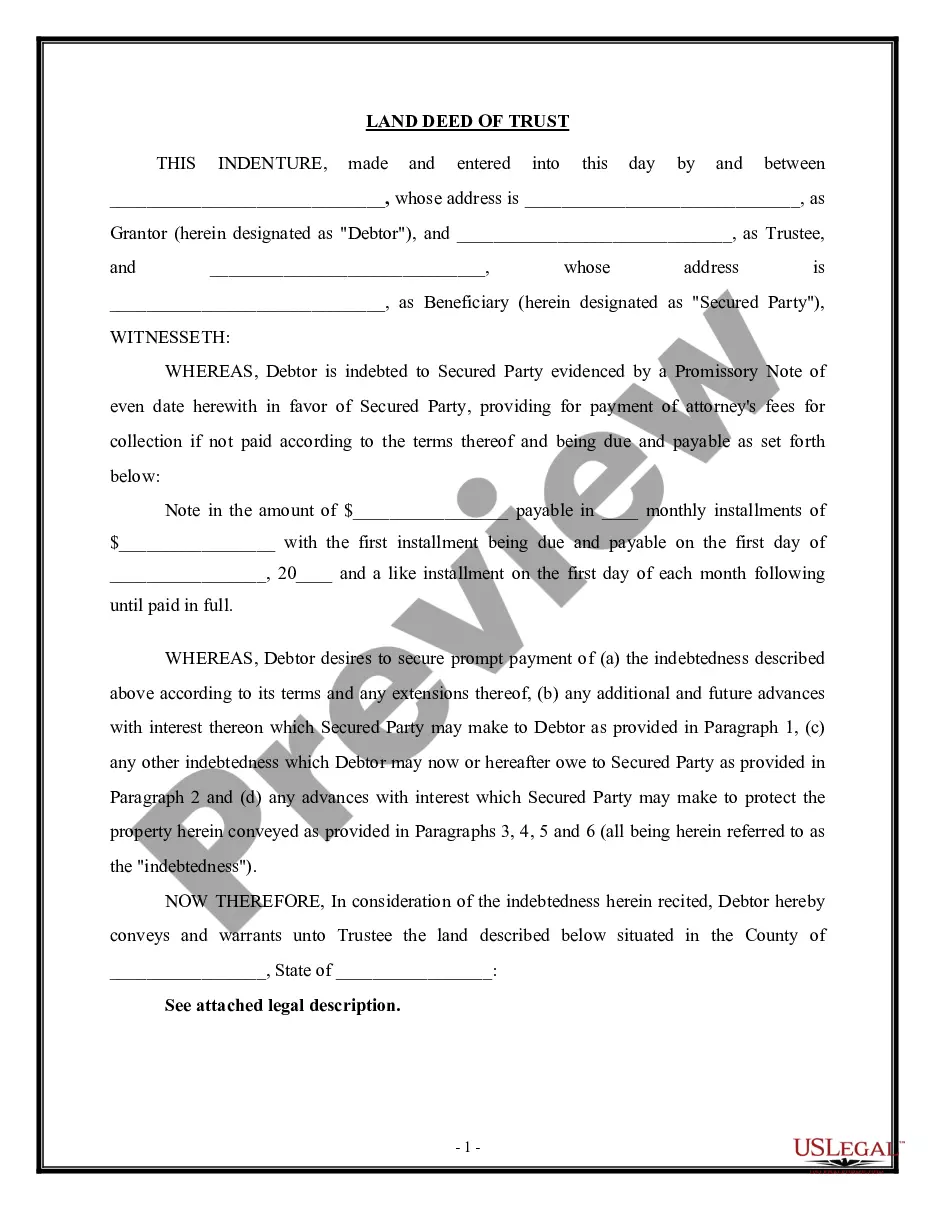
Get your form ready online
Our built-in tools help you complete, sign, share, and store your documents in one place.
Make edits, fill in missing information, and update formatting in US Legal Forms—just like you would in MS Word.
Download a copy, print it, send it by email, or mail it via USPS—whatever works best for your next step.
Sign and collect signatures with our SignNow integration. Send to multiple recipients, set reminders, and more. Go Premium to unlock E-Sign.
If this form requires notarization, complete it online through a secure video call—no need to meet a notary in person or wait for an appointment.
We protect your documents and personal data by following strict security and privacy standards.

Make edits, fill in missing information, and update formatting in US Legal Forms—just like you would in MS Word.

Download a copy, print it, send it by email, or mail it via USPS—whatever works best for your next step.

Sign and collect signatures with our SignNow integration. Send to multiple recipients, set reminders, and more. Go Premium to unlock E-Sign.

If this form requires notarization, complete it online through a secure video call—no need to meet a notary in person or wait for an appointment.

We protect your documents and personal data by following strict security and privacy standards.
Looking for another form?






Form popularity
FAQ
The Treaty of November 23, 1970 resolved all pending boundary differences and provided for maintaining the Rio Grande and the Colorado River as the international boundary. The Rio Grande was reestablished as the boundary throughout its 1,255-mile limitrophe section.
Mexico has a network of 11 FTAs with 46 countries, 32 Reciprocal Investment Promotion and Protection Agreements (RIPPAs) and 9 trade agreements (Economic Complementation and Partial Scope Agreements) within the framework of the Latin American Integration Association (ALADI).
It contributed to an explosion of trade between the three countries and the integration of their economies, but was criticized in the United States for contributing to job losses and outsourcing. President Trump called NAFTA the “worst trade deal ever made” and renegotiated it as the USMCA.
The United States, Mexico, and Canada updated NAFTA to create the new USMCA. USMCA is mutually beneficial for North American workers, farmers, ranchers, and businesses.
The goal of NAFTA was to eliminate barriers to trade and investment between the United States, Canada and Mexico. The implementation of NAFTA on January 1, 1994, brought the immediate elimination of tariffs on more than one-half of Mexico's exports to the U.S. and more than one-third of U.S. exports to Mexico.
If you are in possession of Mexican passport, you will need to complete a form before you exit the country known as the Formato Estadístico para Mexicanos (FEM). The government uses this to record statistics of Mexican nationals traveling abroad.
The goal of NAFTA is to eliminate all tariff and non-tariff barriers of trade and investment between the United States, Canada and Mexico. Showing 1-20 of 3915 results since 1994. View 3895 more results.
There is an ongoing migrant crisis in North America concerning the illegal migration of people into the United States across the Mexico-United States border. U.S. Presidents Barack Obama and Donald Trump both referred to surges in migrants at the border as a "crisis" during their tenure.
Mexico Canada Agreement (USMCA)

