Release of Easement
Understanding this form
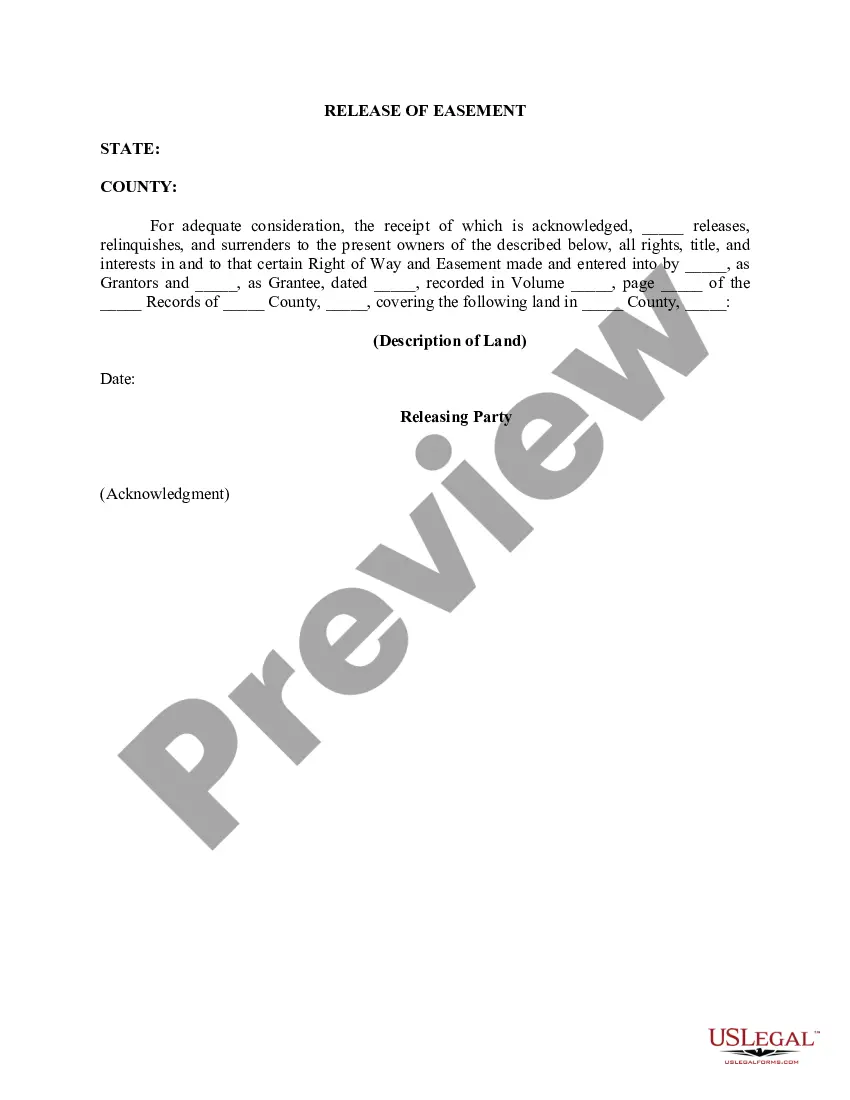
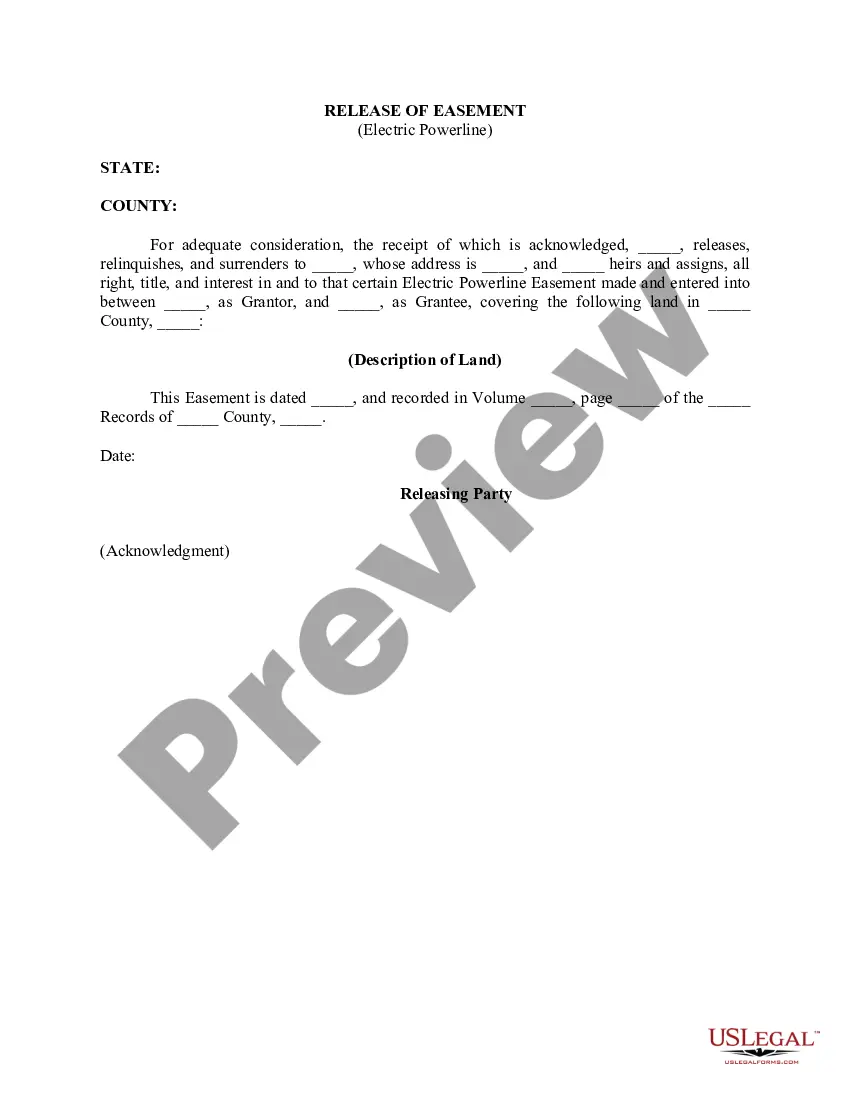
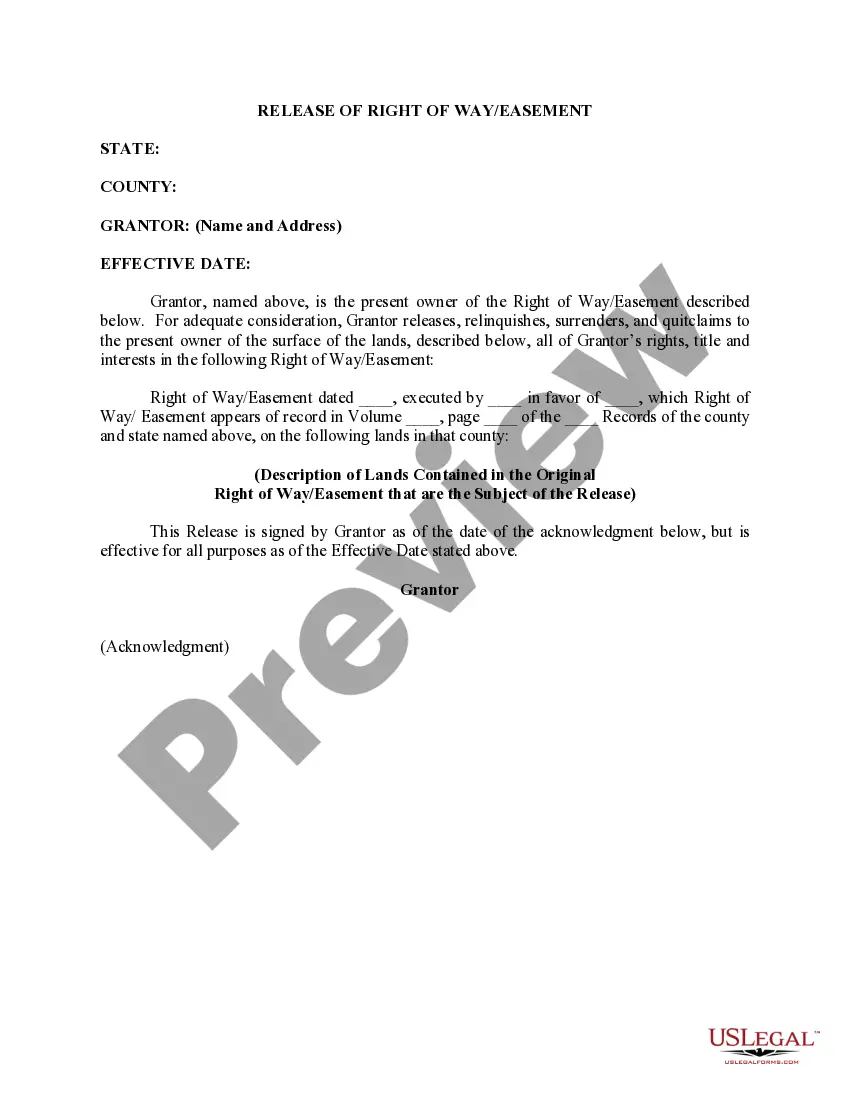
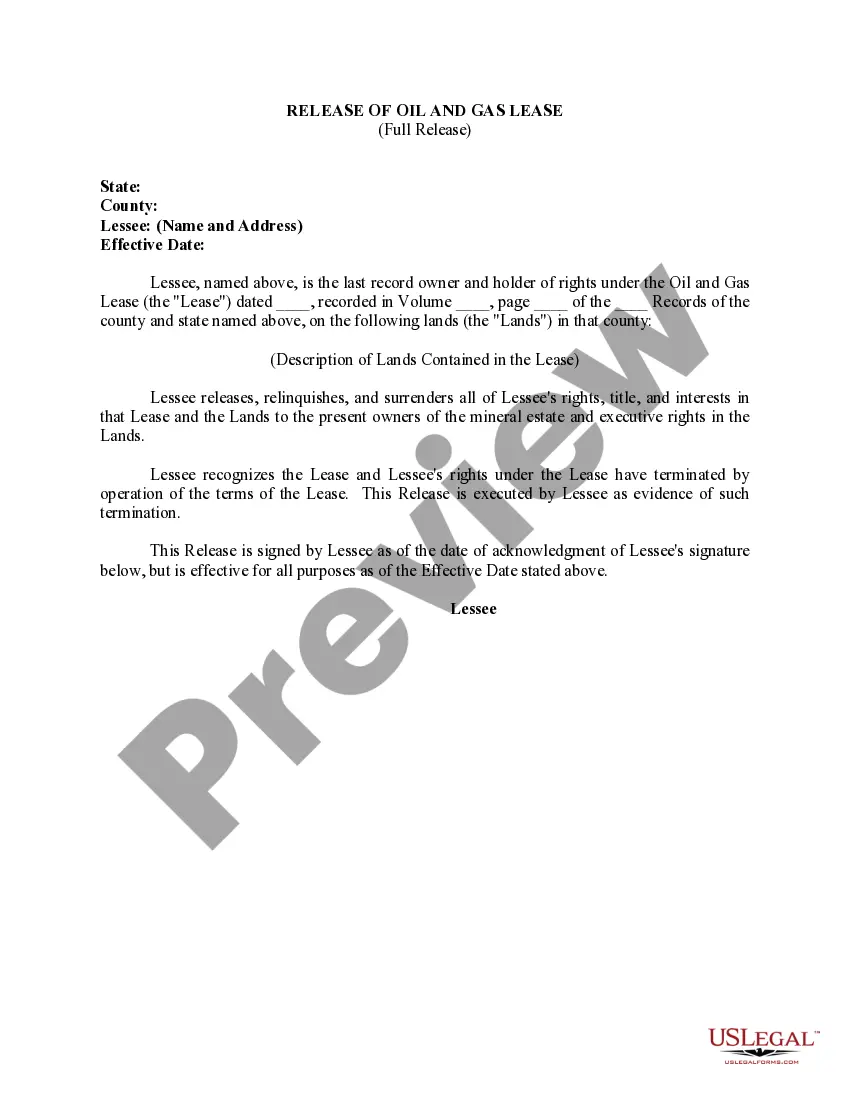
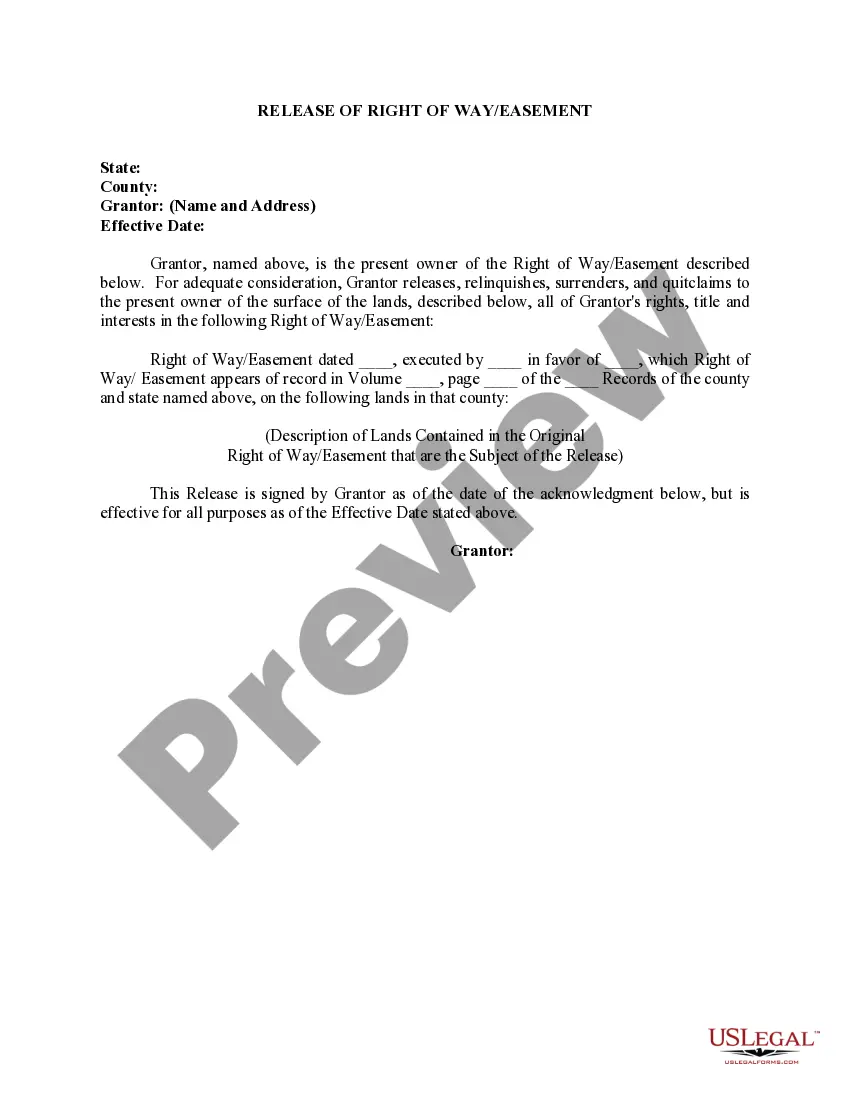
The Release of Easement is a legal document used to formally relinquish a property easement. An easement grants a party the right to use a portion of another's property for a specific purpose, such as a right of way. This form effectively cancels that agreement, restoring full use of the property to the owner and eliminating the easement holder's rights. This document is distinct from easement agreements, as it serves to terminate rather than establish or modify those rights.
Key parts of this document
- Property Description: Identifies the specific land the easement pertains to.
- Parties Involved: Lists the releasing party (Grantor) and the party receiving the release (Grantee).
- Consideration: States the amount being exchanged for the release of the easement.
- Date of Agreement: Indicates when the release becomes effective.
- Record Information: Provides details on where the original easement was recorded in public records.
When to use this document
Use the Release of Easement when a property owner wants to revoke an existing easement that allows another party to use their property. This situation may arise when the easement is no longer needed, the original purpose is fulfilled, or the property owner has reached a new agreement with the easement holder. Examples include stopping access to a pathway, utility line, or driveway that is no longer in use.
Who can use this document
- Property owners who wish to terminate an existing easement.
- Individuals or entities that hold easement rights and want to formally release their claims.
- Attorneys assisting clients with real estate matters.
How to complete this form
- Identify the parties involved, including their full names and roles (Grantor and Grantee).
- Describe the property in detail, including its location and any related easement identifiers.
- Specify the amount to be paid as consideration for the release.
- Fill in the date of the agreement.
- Ensure proper signatures are included at the designated fields.
Is notarization required?
This form needs to be notarized to ensure legal validity. US Legal Forms provides secure online notarization powered by Notarize, allowing you to complete the process through a verified video call, available anytime.
Get your form ready online
Our built-in tools help you complete, sign, share, and store your documents in one place.
Make edits, fill in missing information, and update formatting in US Legal Forms—just like you would in MS Word.
Download a copy, print it, send it by email, or mail it via USPS—whatever works best for your next step.
Sign and collect signatures with our SignNow integration. Send to multiple recipients, set reminders, and more. Go Premium to unlock E-Sign.
If this form requires notarization, complete it online through a secure video call—no need to meet a notary in person or wait for an appointment.
We protect your documents and personal data by following strict security and privacy standards.

Make edits, fill in missing information, and update formatting in US Legal Forms—just like you would in MS Word.

Download a copy, print it, send it by email, or mail it via USPS—whatever works best for your next step.

Sign and collect signatures with our SignNow integration. Send to multiple recipients, set reminders, and more. Go Premium to unlock E-Sign.

If this form requires notarization, complete it online through a secure video call—no need to meet a notary in person or wait for an appointment.

We protect your documents and personal data by following strict security and privacy standards.
Typical mistakes to avoid
- Failing to accurately describe the property or easement.
- Not including signatures from all required parties.
- Leaving the consideration amount blank or improperly stated.
- Not dating the document, which can affect its validity.
Advantages of online completion
- Convenience of accessing and downloading forms anytime from anywhere.
- Editability allows customization to meet specific needs.
- Provides reliability with forms drafted by licensed attorneys.
Looking for another form?
Form popularity
FAQ
Which of the following actions would terminate an easement? A release signed by the holder of the dominant tenement. A revocation granted by the grantor of the easement. A full conveyance signed by the servient tenement.
Thus, the simplest method by which an owner can prevent an easement from being acquired on his or her property is by giving his consent to the other person's use. Once permission is given, the use by the neighbor (or the neighbor's tenant) is not adverse.
An easement, right of way or profit can be expressly released by deed. Once this has been done then it is extinguished and cannot be revived. An easement, right of way or profit can be sometimes impliedly released by the owner's actions or in rare cases by the owner's inaction.
An easement can be terminated by releasing it through the use of a deed. This can be done through a quitclaim or grant deed. A merger of legal interests by common ownership will extinguish an easement. A merger occurs when the same owner acquires fee title to both the benefiting and burdened properties.
You can terminate an easement by release. A release is a surrender of a right or interest, such as an easement. Only the person holding the right can release it, such as the owner of the dominant estate in an easement appurtenant or the holder of an easement in gross.
Include the whole length and width. Do this by reference to plans and a ground inspection. Deduct the "after scenario" value from the "before scenario" value to arrive at a value per unit of the easement land. Multiply by the measured area of the easement land to arrive at a total market value.
The land for the beneficial enjoyment of which the right exists is called the dominant heritage, and the owner or occupier thereof the dominant owner; the land on which the liability is imposed is called the servient heritage, and the owner or occupier thereof the servient owner.
An easement can be terminated by estopple if the easement holder shows an intent to abandon and the owner of the servient tenement spends money in reasonable reliance on the easement holders representations.
The party gaining the benefit of the easement is the dominant estate (or dominant tenement), while the party granting the benefit or suffering the burden is the servient estate (or servient tenement). For example, the owner of parcel A holds an easement to use a driveway on parcel B to gain access to A's house.