Listing Agreement Contract With Bse In Harris
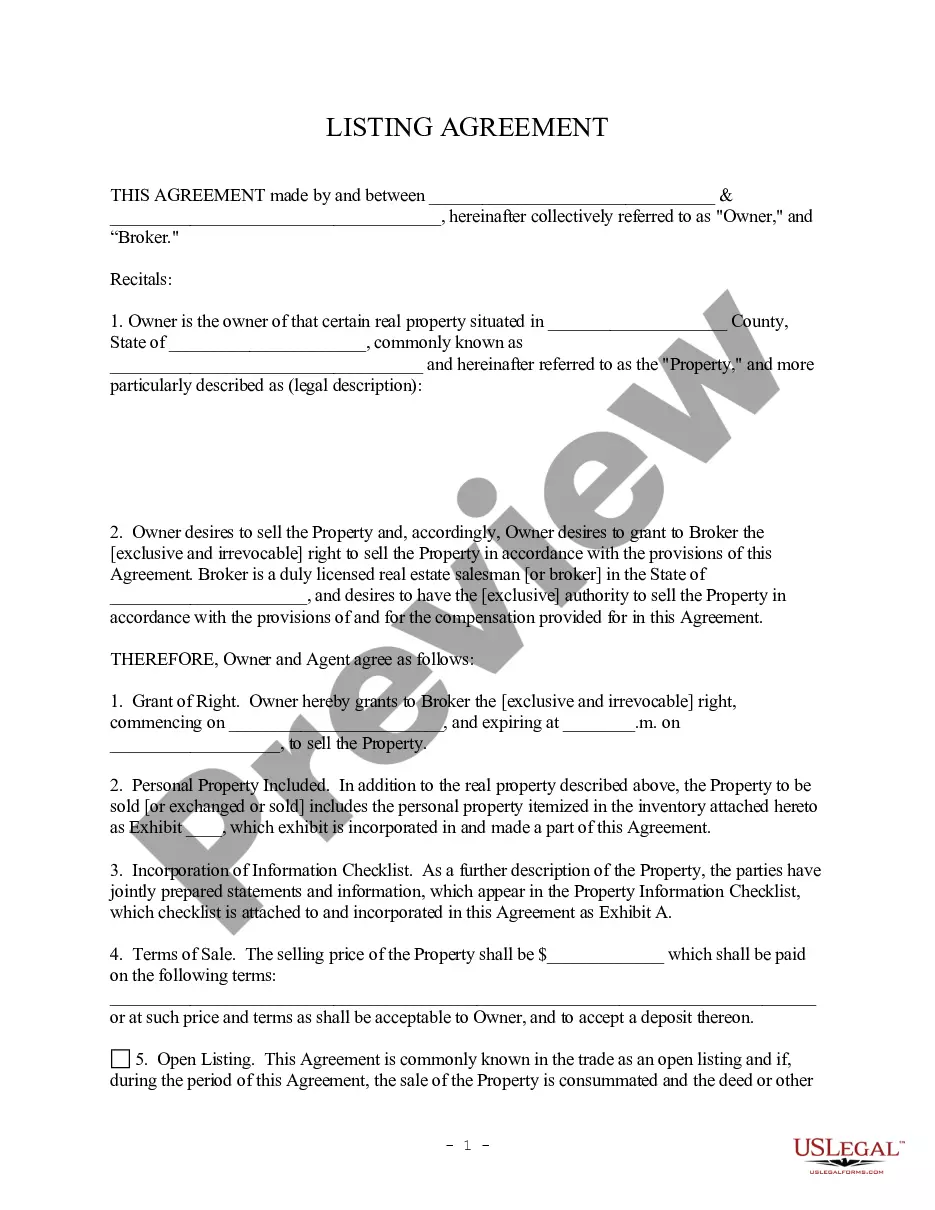
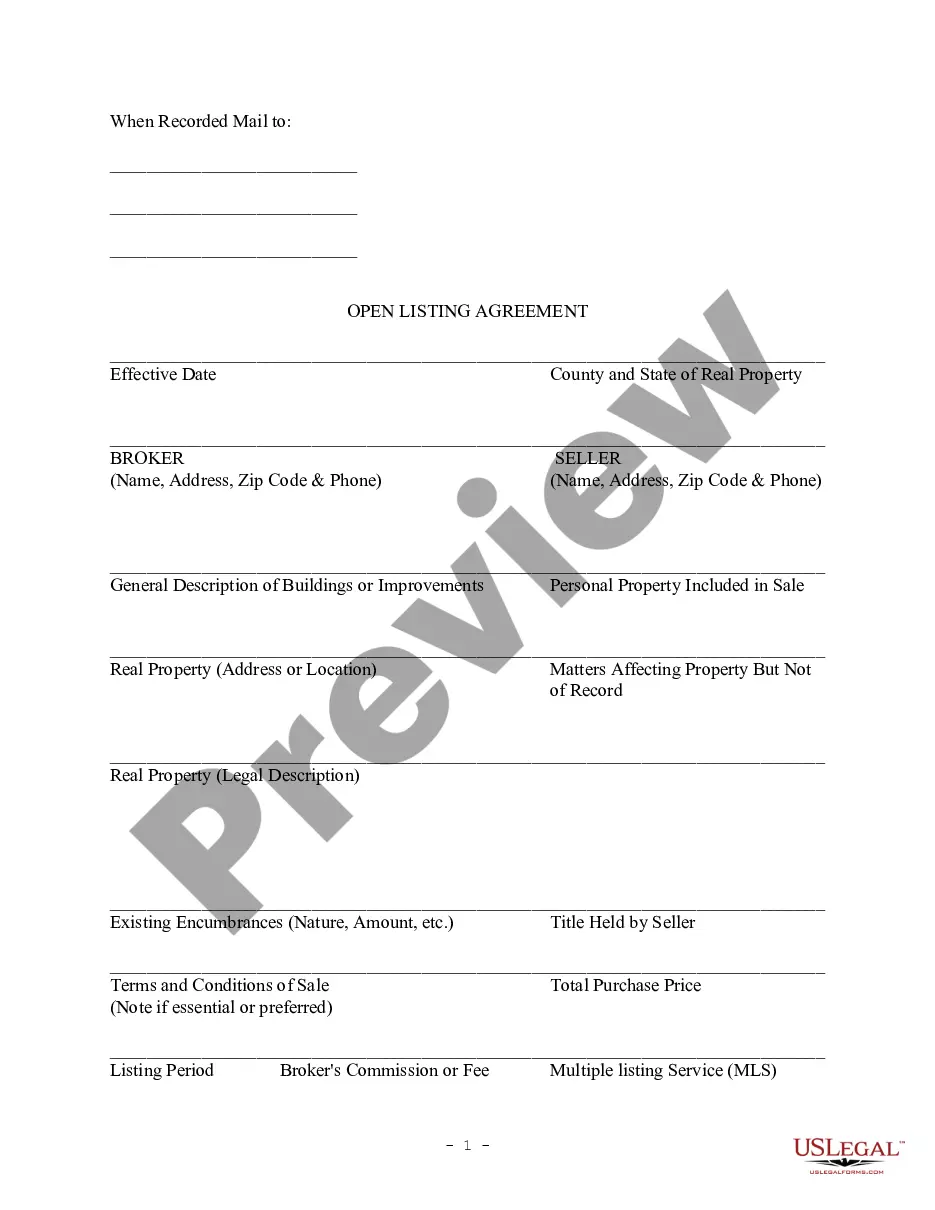
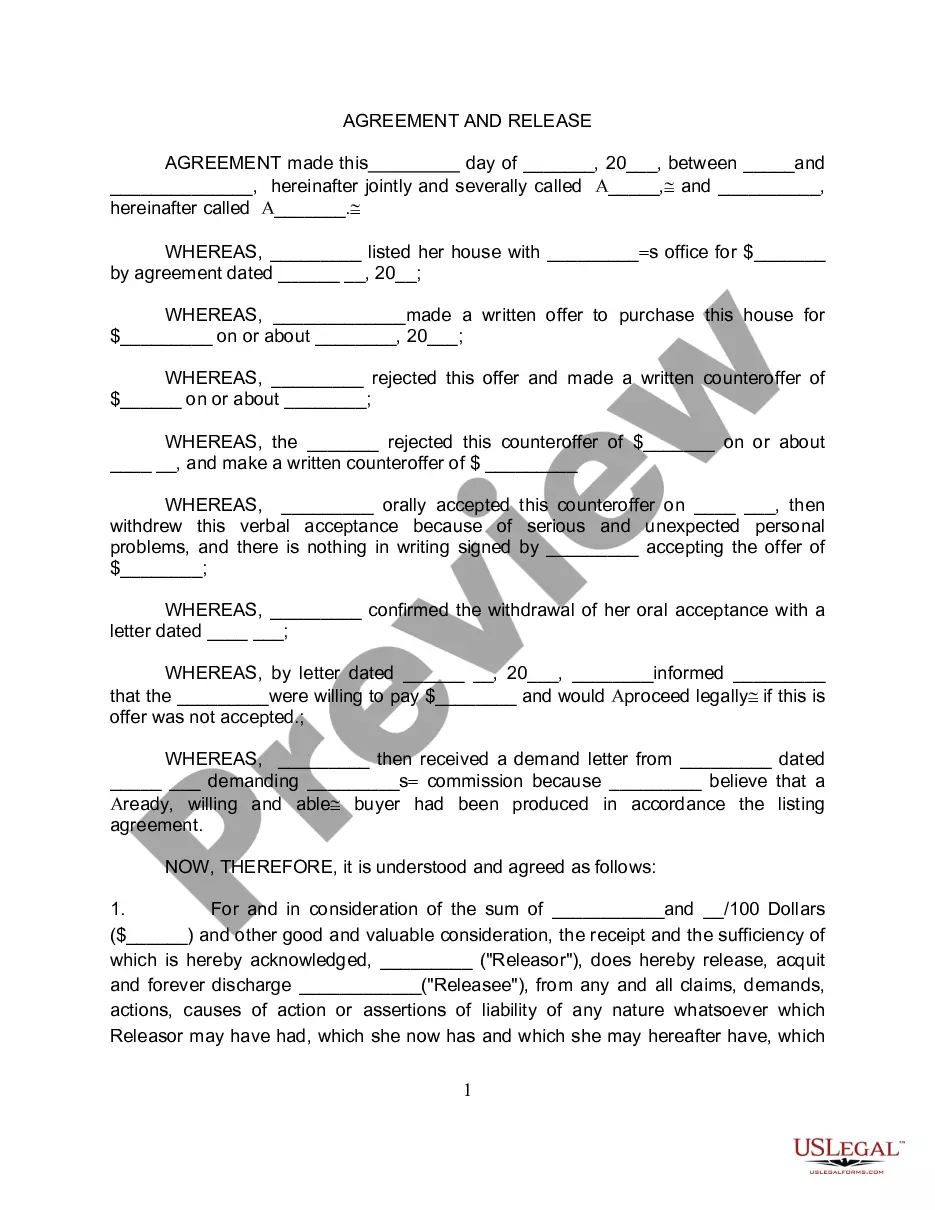
Description
Get your form ready online
Our built-in tools help you complete, sign, share, and store your documents in one place.
Make edits, fill in missing information, and update formatting in US Legal Forms—just like you would in MS Word.
Download a copy, print it, send it by email, or mail it via USPS—whatever works best for your next step.
Sign and collect signatures with our SignNow integration. Send to multiple recipients, set reminders, and more. Go Premium to unlock E-Sign.
If this form requires notarization, complete it online through a secure video call—no need to meet a notary in person or wait for an appointment.
We protect your documents and personal data by following strict security and privacy standards.

Make edits, fill in missing information, and update formatting in US Legal Forms—just like you would in MS Word.

Download a copy, print it, send it by email, or mail it via USPS—whatever works best for your next step.

Sign and collect signatures with our SignNow integration. Send to multiple recipients, set reminders, and more. Go Premium to unlock E-Sign.

If this form requires notarization, complete it online through a secure video call—no need to meet a notary in person or wait for an appointment.

We protect your documents and personal data by following strict security and privacy standards.
Looking for another form?





Form popularity
FAQ
Generally, there are three types of Listing Agreements; the Exclusive Right to Sell Listing Agreement, the Exclusive Agency Listing Agreement, and the Open or Non-Exclusive Listing Agreement. The variation between each type of Listing Agreement can prove crucial to your rights and liabilities towards your agent.
The three types of buyer representation agreements are non-exclusive not-for-compensation contracts, non-exclusive right-to-represent contract and exclusive right-to-represent contract. Among the three types of buyer representation agreements, the exclusive right-to-represent contract is the most common.
The "Exclusive Authorization and Right to Sell" listing is the most prevalent and widely recognized type of real estate listing arrangement.
Limited-Service Listing Agreement: You work with just one agent who provides a limited set of services, such as publicly marketing your home on a Multiple Listing Service (MLS)—an online platform that compiles home listings from different sources—but may not provide other services, such as arranging showings, providing ...
The regulations allow for the listings to continue to be marketed; however, the seller or lessor has the option to terminate those listing agreements. If the agreements are not terminated, then they will automatically expire 90 days after the death of the broker, and they cannot be renewed.
Known under a variety of names, a common element of these product listing agreements (PLAs) is the negotiation of confidential prices that are typically achieved through rebates that may or may not be tied to drug expenditures, utilization patterns or health outcomes.
A listing agreement is a legally binding agreement between the seller and real estate agent or REALTOR®, so all parties must sign it. Please note that if you buy a property, you don't have to sign a listing agreement; it's only for sellers.
Key Takeaways. A listing agreement is a contract between a property owner and a real estate broker that authorizes the broker to represent the seller and find a buyer for the property.
With the exclusive right to sell, the agent and their brokerage make a commission no matter who finds the buyer. With an exclusive agency agreement, on the other hand, you retain the right to market and sell your home yourself without paying a commission to the agent.
Final answer: Legitimate ways to terminate a listing agreement include mutual agreement between the seller and agent, expiry of the contract's term, or the removal of the property from the market. A verbal agreement between the seller and a friend is not a valid termination method.

