Trial Continuance Without A Finding In Harris
Description

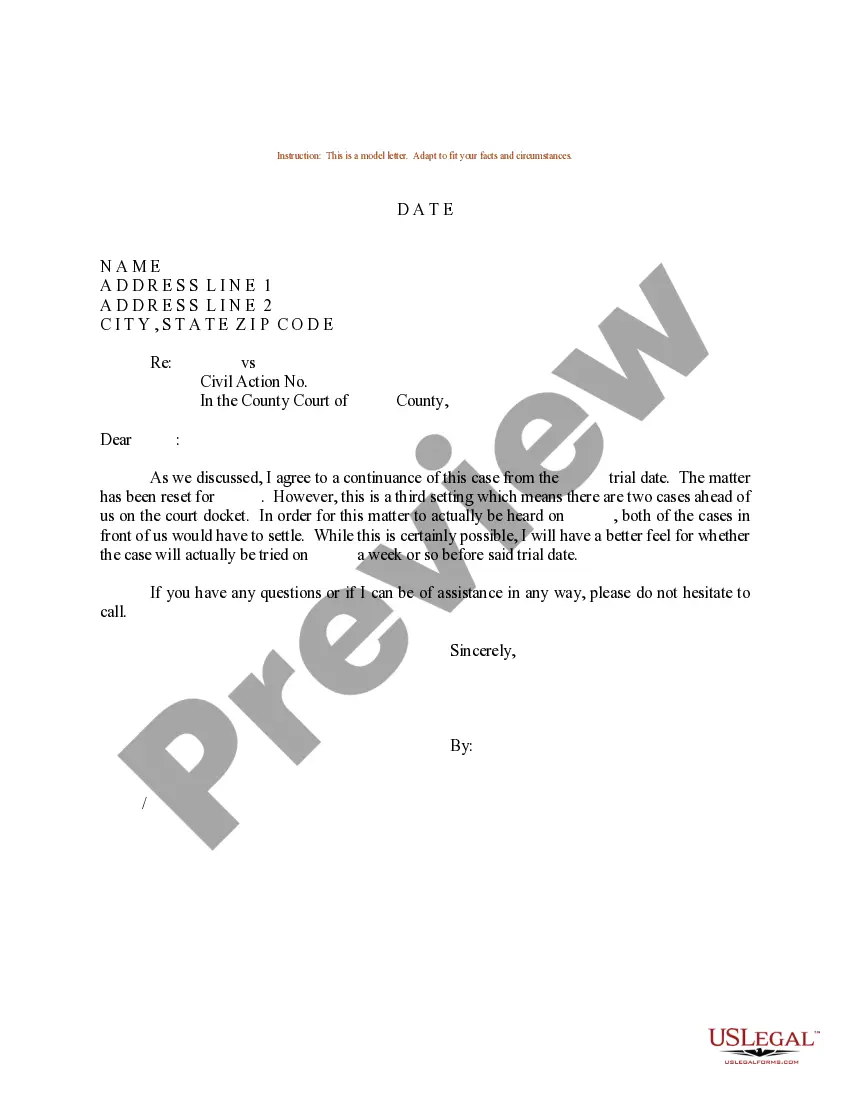
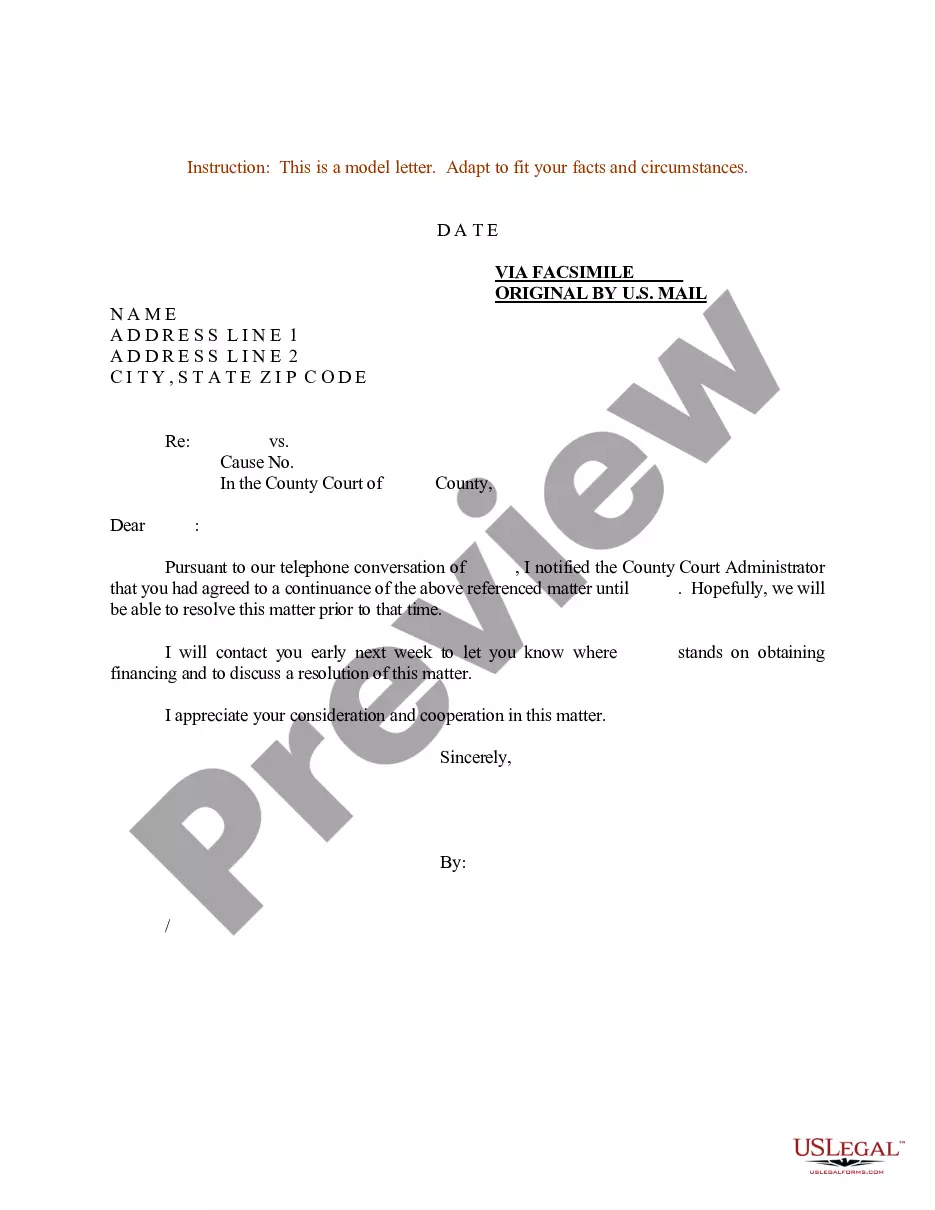
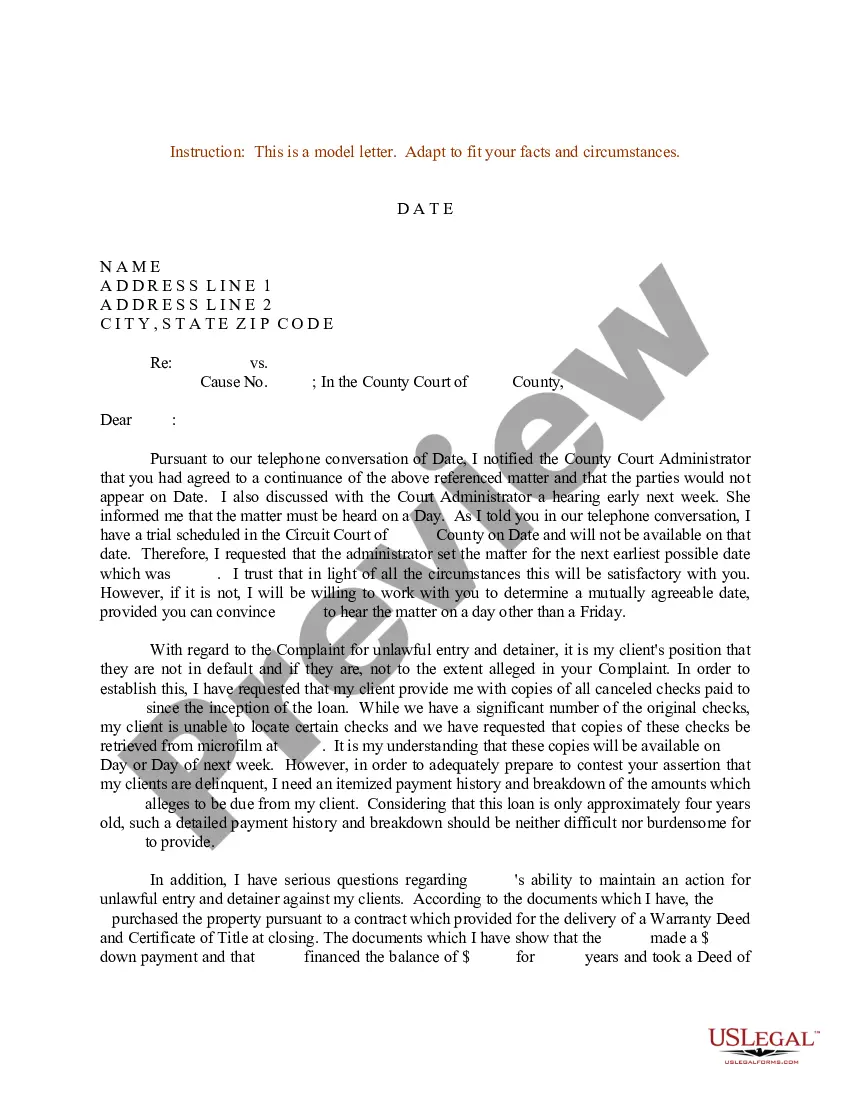
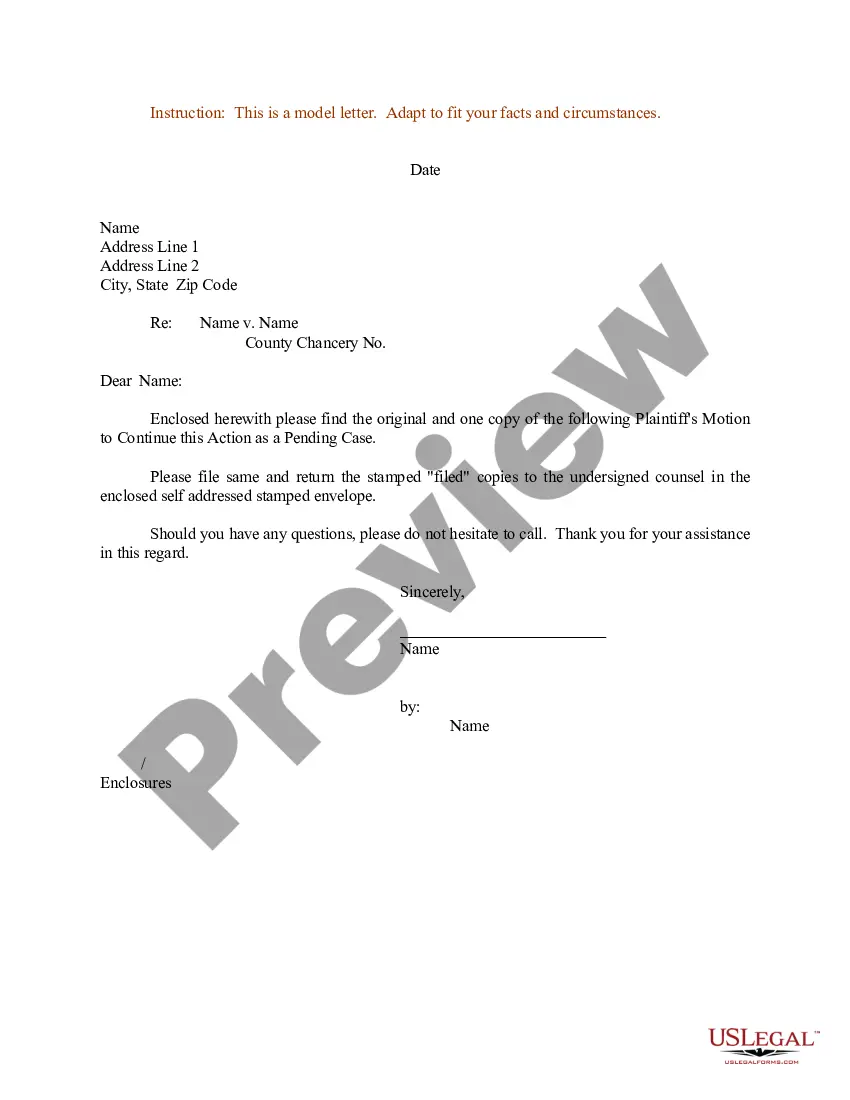
Get your form ready online
Our built-in tools help you complete, sign, share, and store your documents in one place.
Make edits, fill in missing information, and update formatting in US Legal Forms—just like you would in MS Word.
Download a copy, print it, send it by email, or mail it via USPS—whatever works best for your next step.
Sign and collect signatures with our SignNow integration. Send to multiple recipients, set reminders, and more. Go Premium to unlock E-Sign.
If this form requires notarization, complete it online through a secure video call—no need to meet a notary in person or wait for an appointment.
We protect your documents and personal data by following strict security and privacy standards.

Make edits, fill in missing information, and update formatting in US Legal Forms—just like you would in MS Word.

Download a copy, print it, send it by email, or mail it via USPS—whatever works best for your next step.

Sign and collect signatures with our SignNow integration. Send to multiple recipients, set reminders, and more. Go Premium to unlock E-Sign.

If this form requires notarization, complete it online through a secure video call—no need to meet a notary in person or wait for an appointment.

We protect your documents and personal data by following strict security and privacy standards.
Looking for another form?







Form popularity
FAQ
The request must be in writing, but it does not have to be a sworn affidavit. It must state fully the reason or cause for the motion. The judge determines if the motion contains sufficient cause to grant a continuance. This type of continuance may be only for as long as is necessary.
15.26. Authority to arrest must be made known. In executing a warrant of arrest, it shall always be made known to the accused under what authority the arrest is made.
Art. 1.14. WAIVER OF RIGHTS. (a) The defendant in a criminal prosecution for any offense may waive any rights secured him by law except that a defendant in a capital felony case may waive the right of trial by jury only in the manner permitted by Article 1.13(b) of this code.
29.03. FOR SUFFICIENT CAUSE SHOWN. A criminal action may be continued on the written motion of the State or of the defendant, upon sufficient cause shown; which cause shall be fully set forth in the motion. A continuance may be only for as long as is necessary.

