Termination Contract For Breach In California
Description
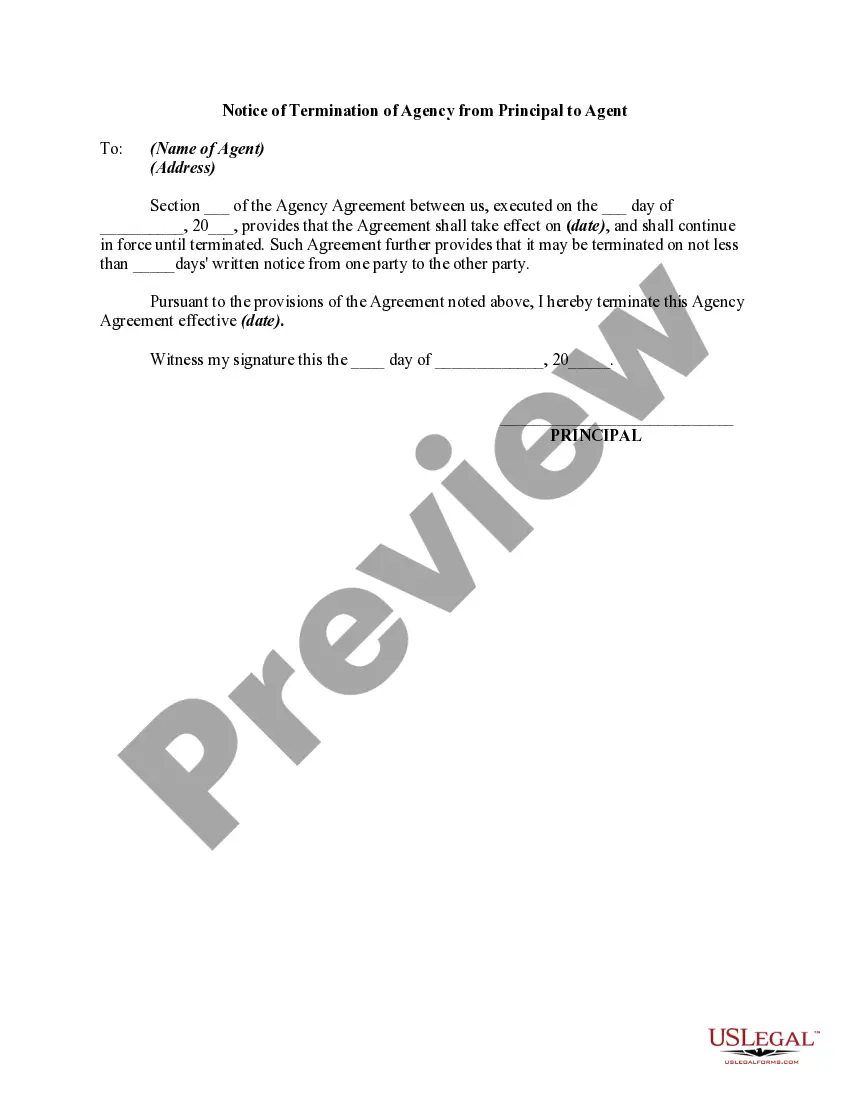
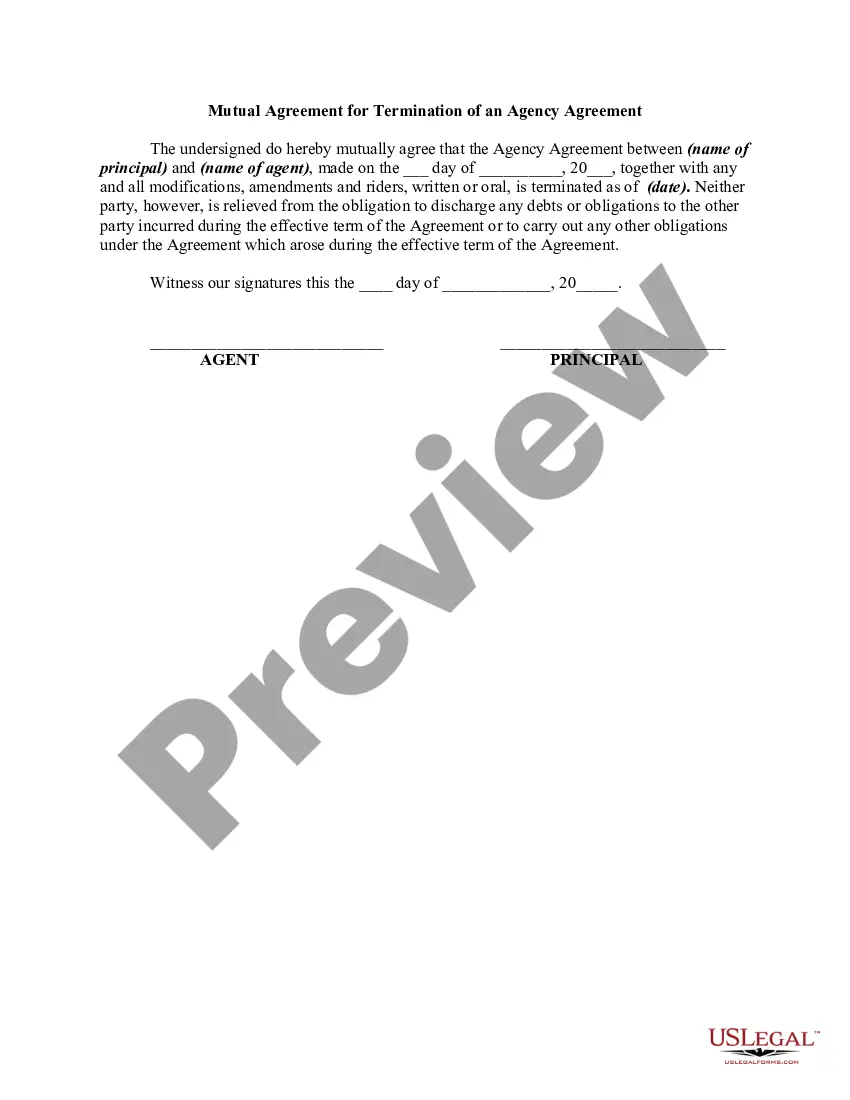
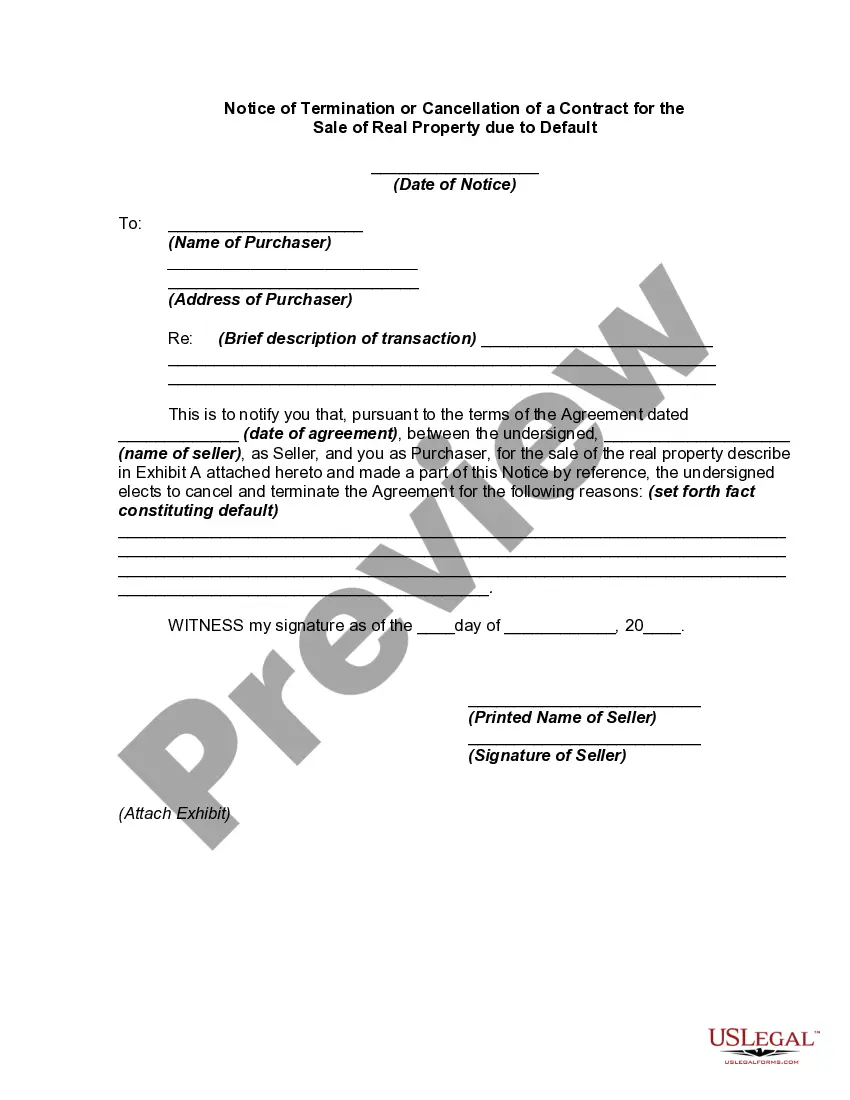

Get your form ready online
Our built-in tools help you complete, sign, share, and store your documents in one place.
Make edits, fill in missing information, and update formatting in US Legal Forms—just like you would in MS Word.
Download a copy, print it, send it by email, or mail it via USPS—whatever works best for your next step.
Sign and collect signatures with our SignNow integration. Send to multiple recipients, set reminders, and more. Go Premium to unlock E-Sign.
If this form requires notarization, complete it online through a secure video call—no need to meet a notary in person or wait for an appointment.
We protect your documents and personal data by following strict security and privacy standards.

Make edits, fill in missing information, and update formatting in US Legal Forms—just like you would in MS Word.

Download a copy, print it, send it by email, or mail it via USPS—whatever works best for your next step.

Sign and collect signatures with our SignNow integration. Send to multiple recipients, set reminders, and more. Go Premium to unlock E-Sign.

If this form requires notarization, complete it online through a secure video call—no need to meet a notary in person or wait for an appointment.

We protect your documents and personal data by following strict security and privacy standards.
Looking for another form?
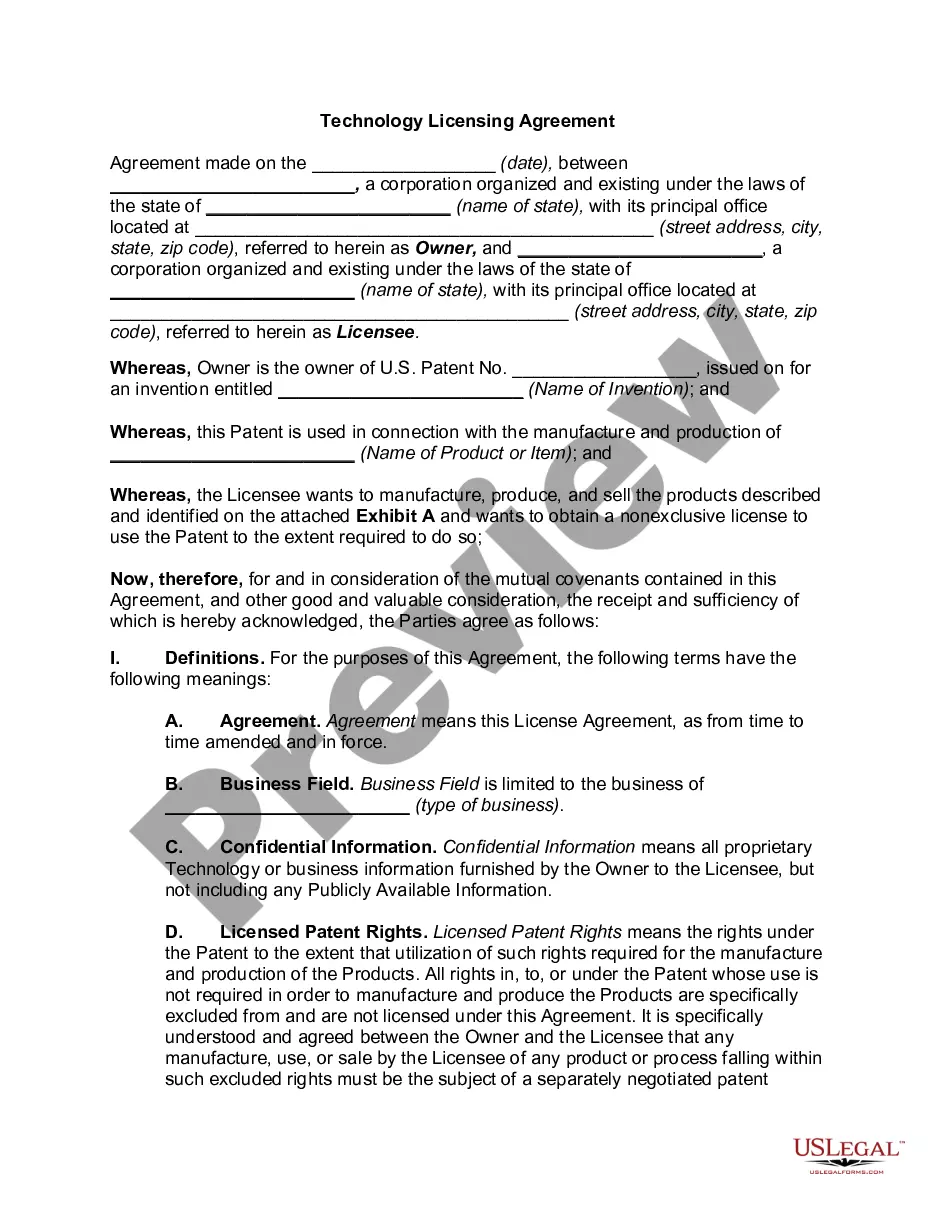







Form popularity
FAQ
In other words, it can be discharged by a breach. If one (or more) of the contracting parties fail (or refuse) to perform their contractual obligations, the innocent party is entitled to bring the contract to an end. But fear not. Doing this doesn't leave the innocent party at a loss.
A breach of contract is when one party to the contract doesn't do what they agreed. Breach of contract happens when one party to a valid contract fails to fulfill their side of the agreement. If a party doesn't do what the contract says they must do, the other party can sue.
Perhaps the most significant remedy for material breach is the right to terminate the contract. This releases the non-breaching party from any further obligations under the agreement.
Breach of condition The innocent party will be discharged from future performance of the contract if the term breached qualifies as a condition, i.e. a vital term. Provided the term is a condition, the innocent party will be entitled to terminate the contract, no matter how minor the consequences of the breach.
When the breach of contract is a serious breach or a breach of an essential term, the other party will have a right to terminate the contract or keep the contract going. However, your contract may require the hirer to provide you with a 'notice to remedy a breach' before it can be terminated.
When the breach of contract is a serious breach or a breach of an essential term, the other party will have a right to terminate the contract or keep the contract going. However, your contract may require the hirer to provide you with a 'notice to remedy a breach' before it can be terminated.
Breach of the contract: All contract parties have a responsibility to perform obligations ing to the contract. If a party fails to perform them, blocks the other party from performing the same, or violates the terms of the contract, they will have breached the contract, and the contract can be terminated.
Every case is obviously different but, in general, most parties to a breach of contract action agree that (1) a contract exists, (2) the contract is enforceable and not void, and (3) that they performed under the contract.
There are four standard elements required to establish a claim for breach of contract in California: (i) the existence of a valid contract, (ii) the plaintiff's performance or excuse for nonperformance, (iii) the defendant's breach of contract, and (iv) resulting damages.

