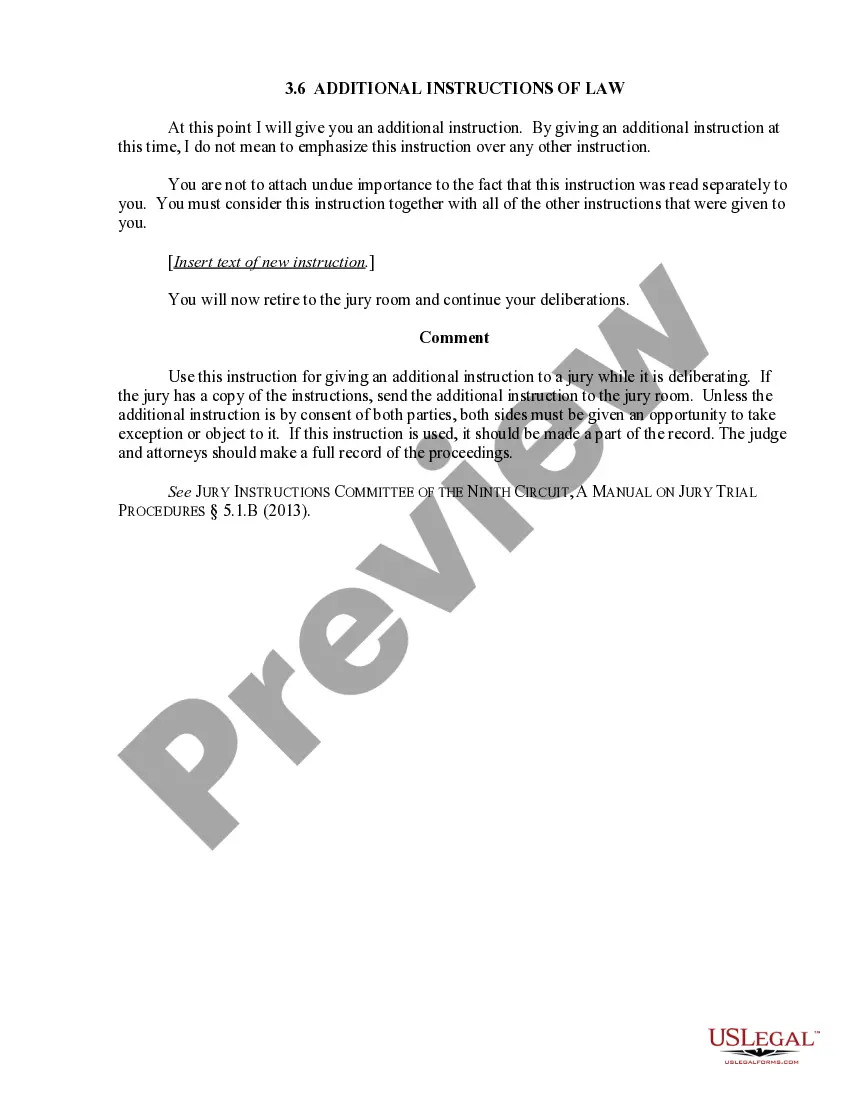
Songwriter Performance Agreement
What is this form?
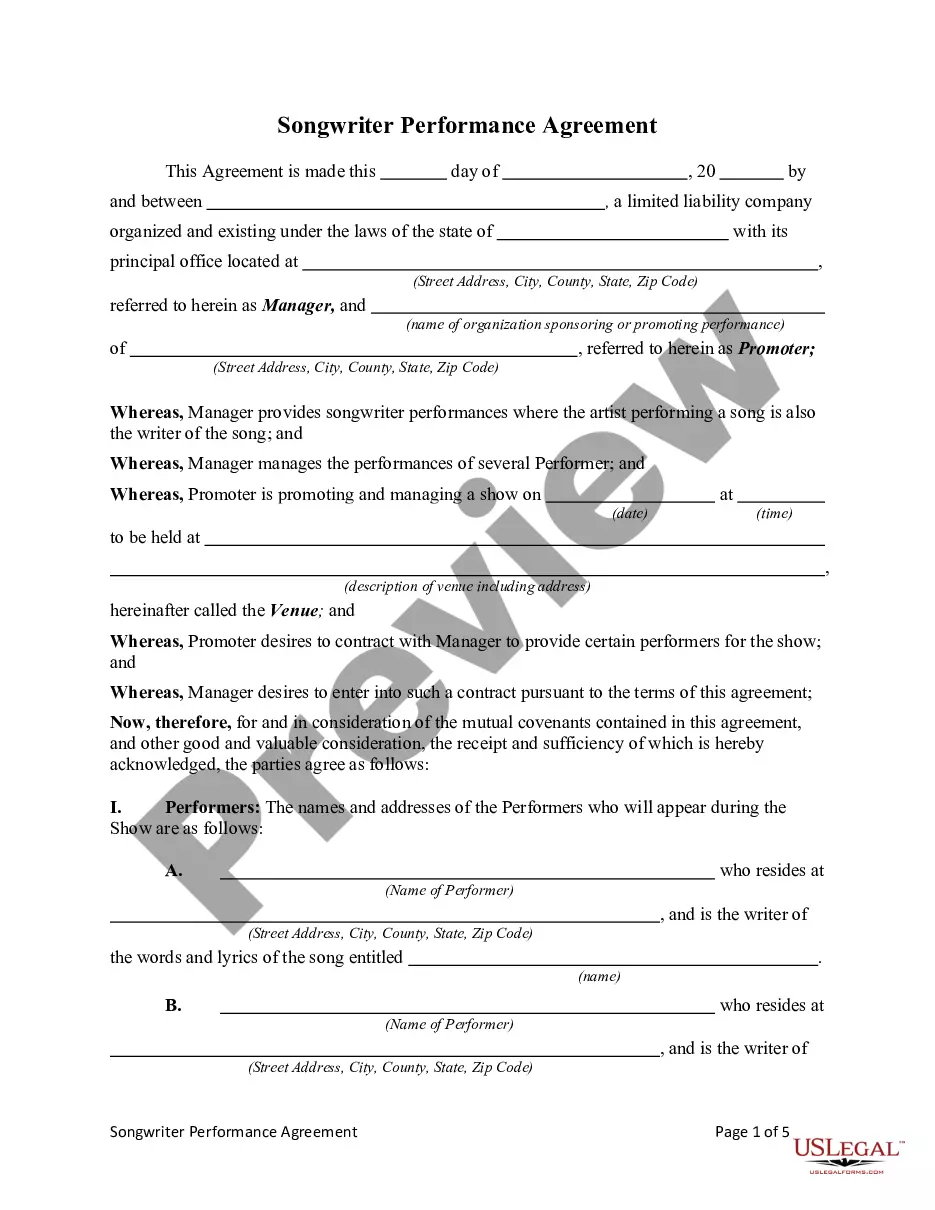
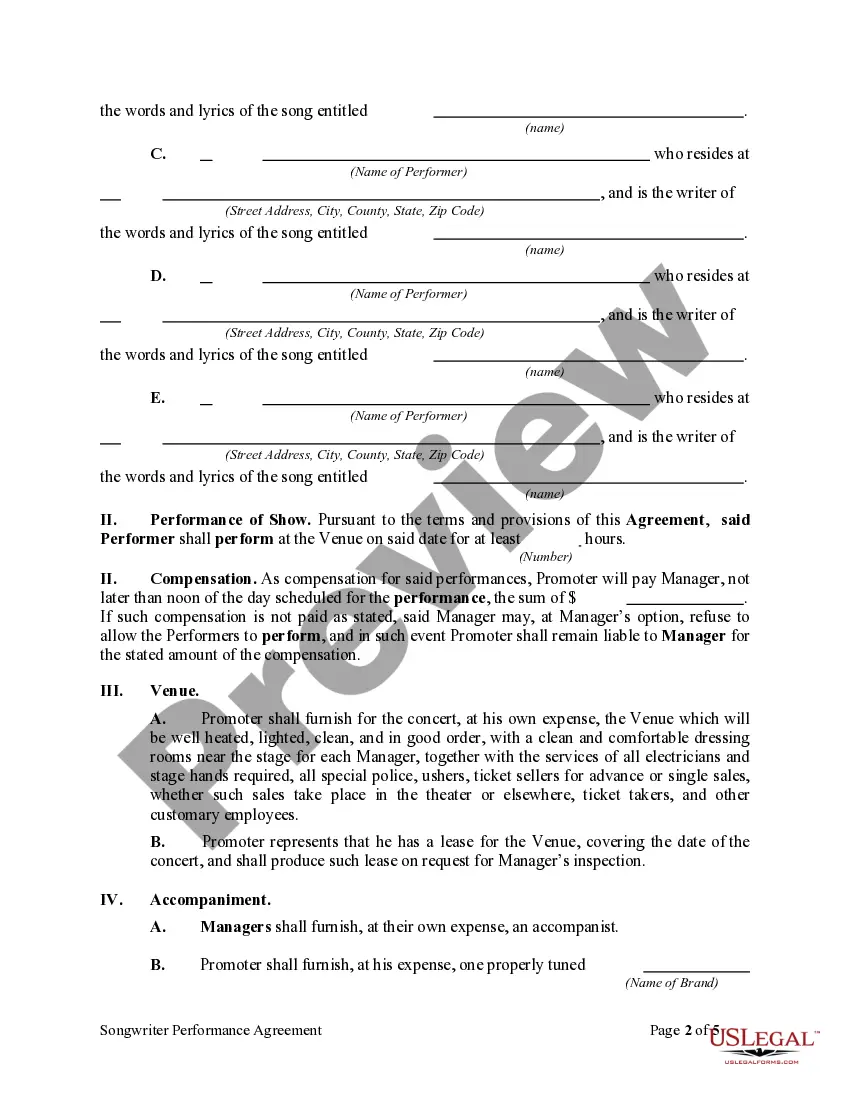
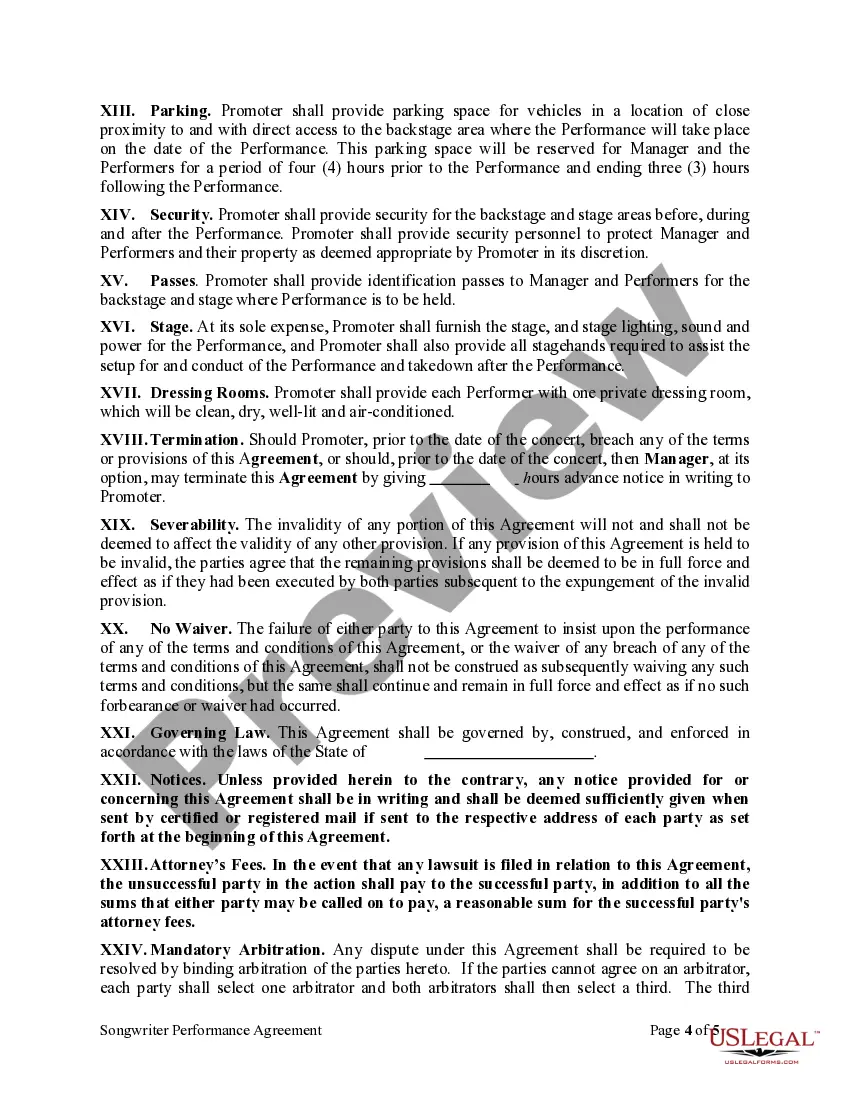
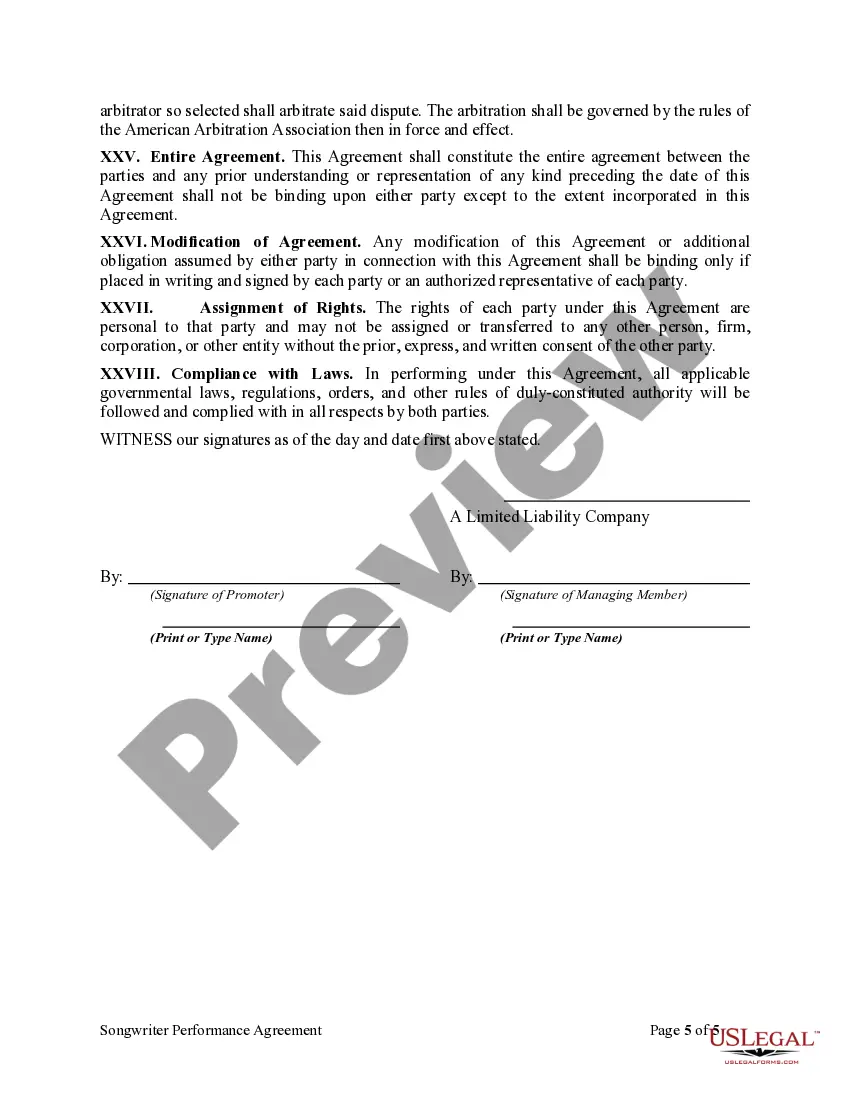
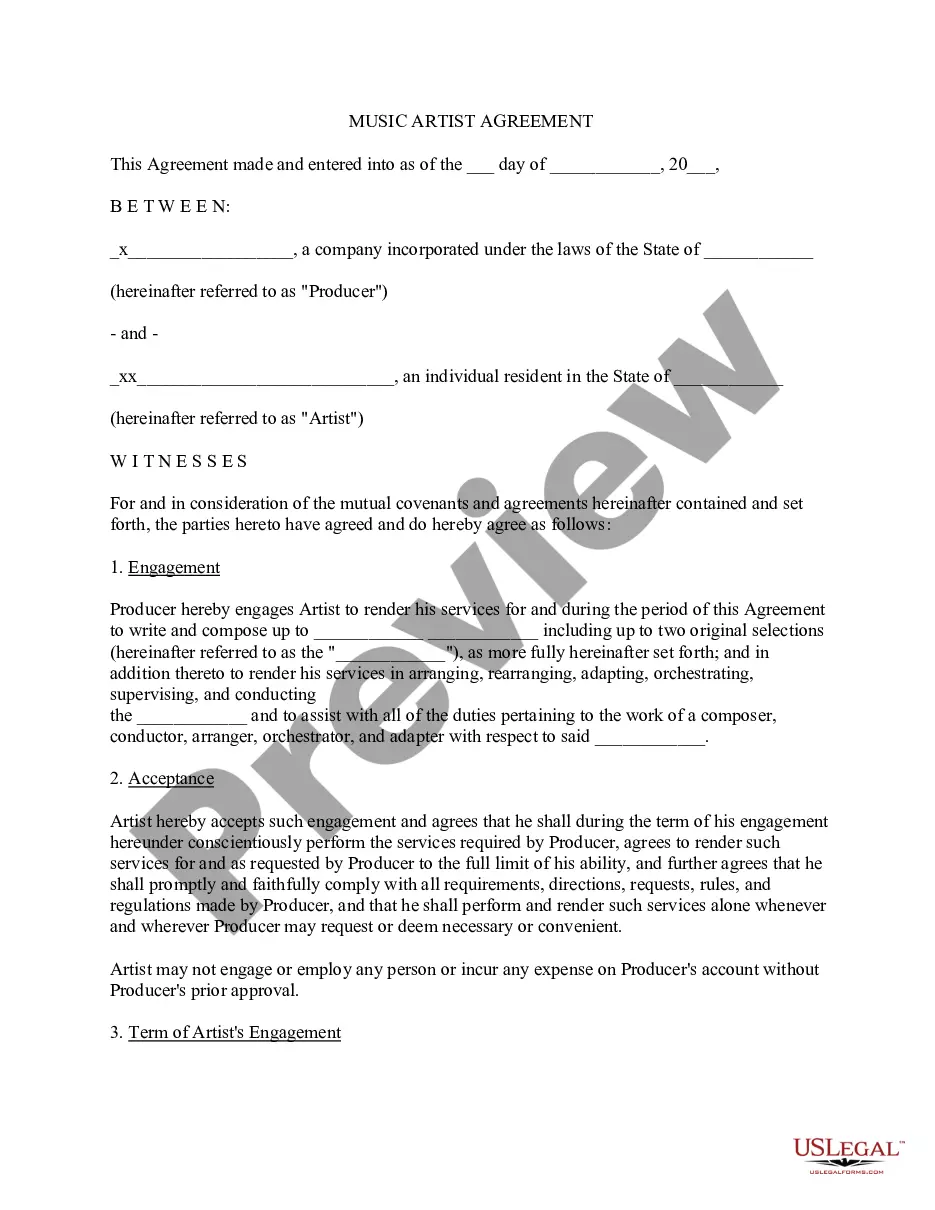
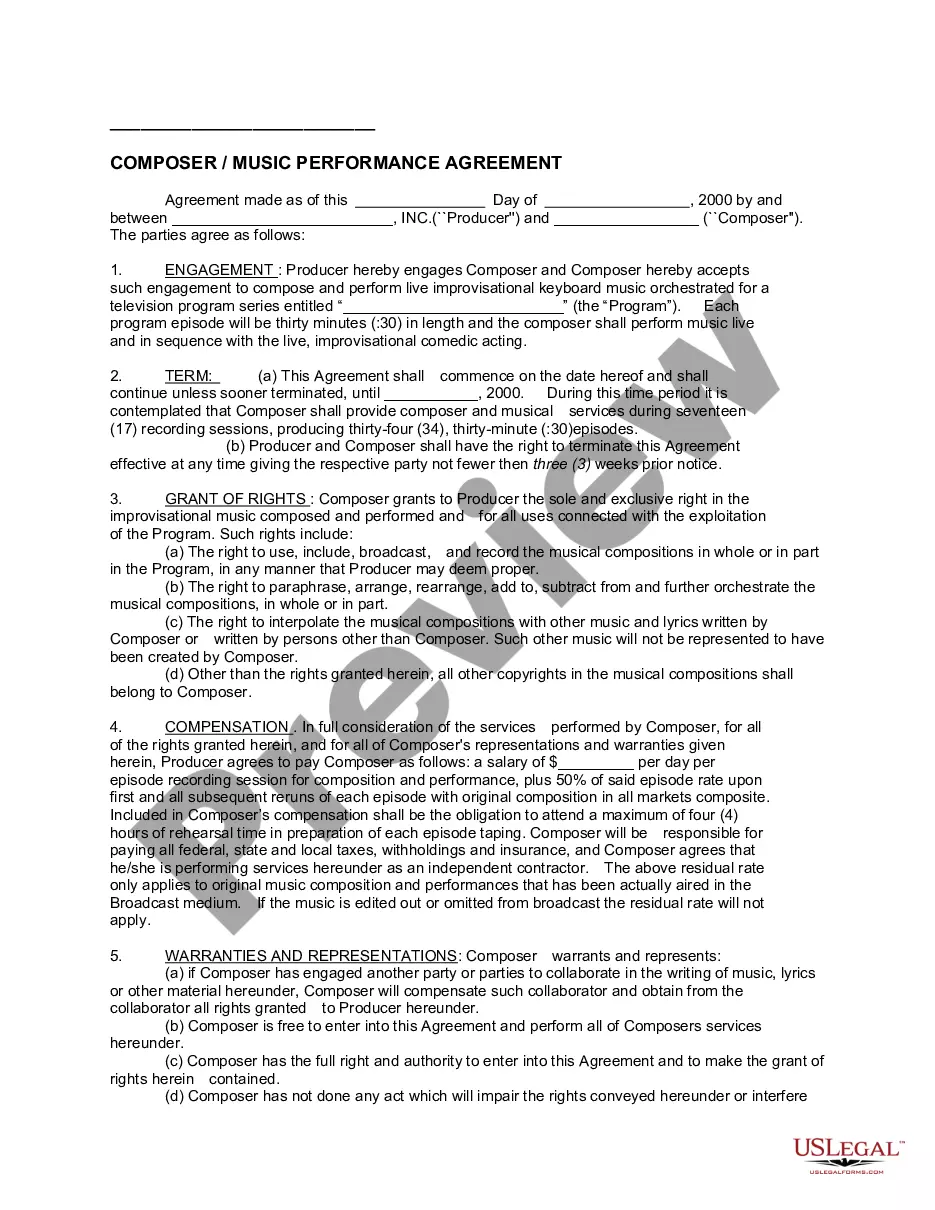
The Songwriter Performance Agreement is a legal document that outlines the terms between a manager and a promoter for a live performance. This agreement details important aspects such as the scope of the performance, the date and location, compensation, and technical requirements. Unlike other performance agreements, it emphasizes specific roles and responsibilities, ensuring both parties are clear on expectations and obligations.
Key parts of this document
- Scope of performance, including details of the artists involved.
- Date, time, and place for the performance, ensuring all parties agree on logistics.
- Compensation structure, specifying payment details for the manager and performers.
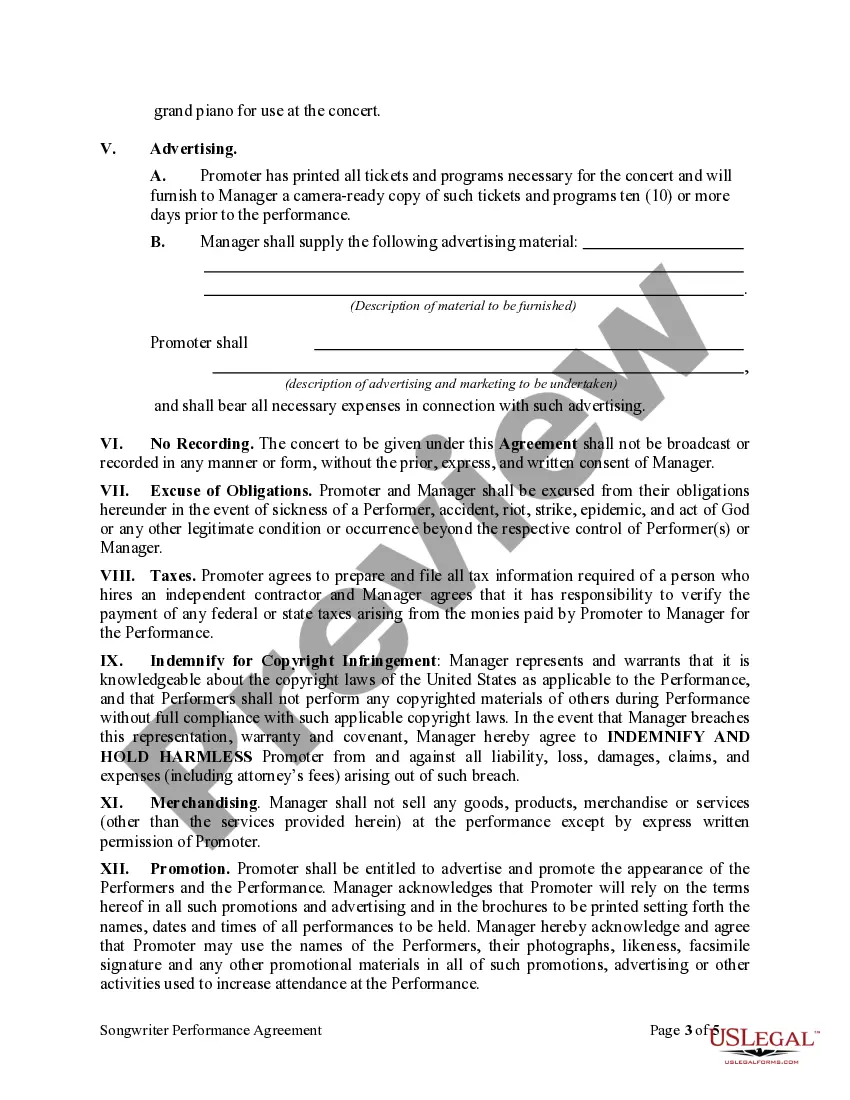
- Technical requirements, outlining necessary equipment and venue conditions.
- Indemnification clauses to protect against copyright infringement claims.
- Details on promotional rights and merchandising agreements.

Situations where this form applies
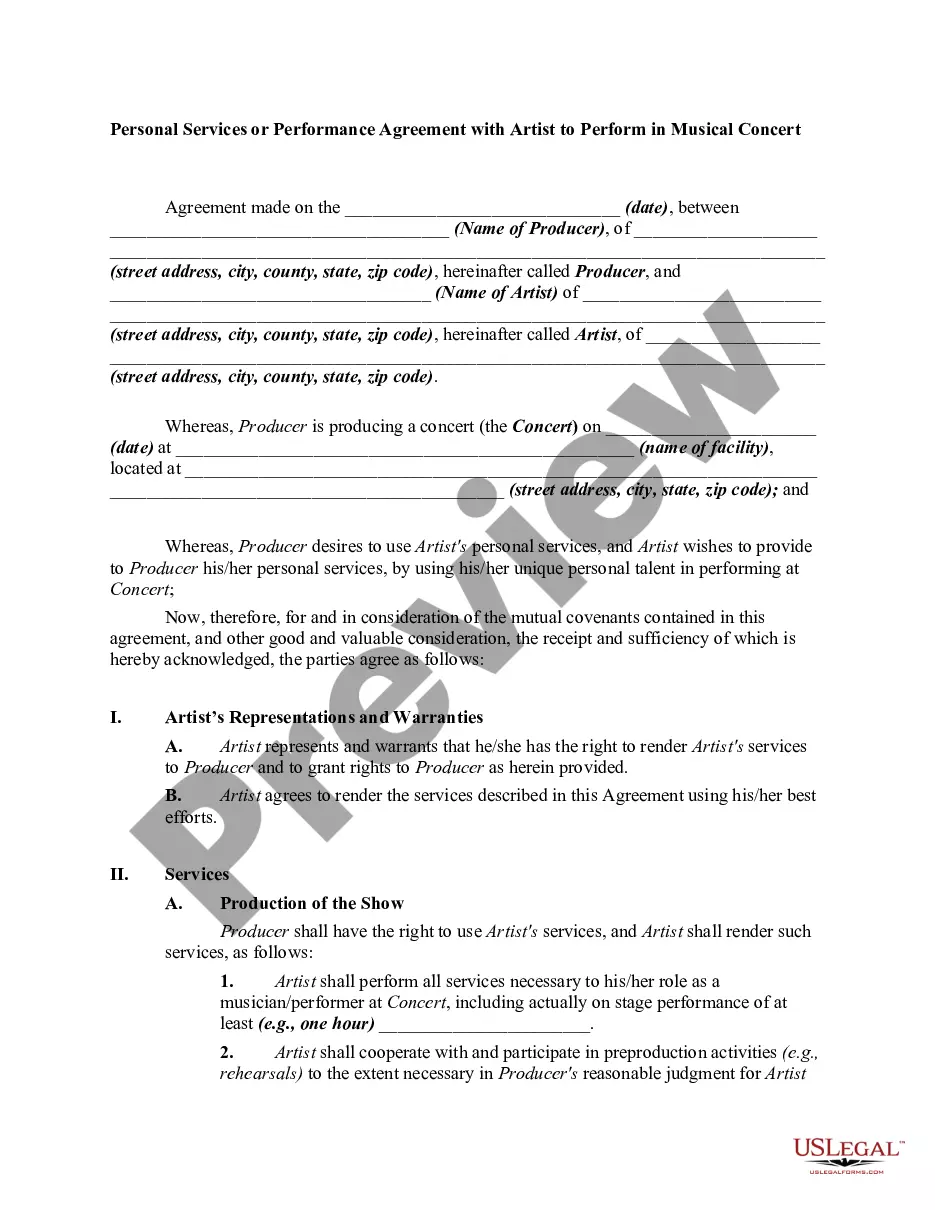
This agreement is essential when a promoter wishes to hire a manager to arrange for performers at a venue. It's used primarily in scenarios involving music concerts or performances, where clear terms regarding performance logistics, compensation, and promotional rights are necessary to avoid disputes.
Intended users of this form
This form is ideal for:
- Managers representing musical artists seeking to perform.
- Promoters organizing live events and concerts.
- Independent artists looking to establish clear contractual terms for performances.
Instructions for completing this form
- Identify and enter the names of all parties involved in the agreement.
- Clearly specify the date, time, and venue address for the performance.
- Outline the compensation details for the manager and the performers.
- Detail any technical requirements necessary for the performance.
- Both parties should sign and date the agreement to finalize it.
Does this form need to be notarized?
This form usually doesn’t need to be notarized. However, local laws or specific transactions may require it. Our online notarization service, powered by Notarize, lets you complete it remotely through a secure video session, available 24/7.
Get your form ready online
Our built-in tools help you complete, sign, share, and store your documents in one place.
Make edits, fill in missing information, and update formatting in US Legal Forms—just like you would in MS Word.
Download a copy, print it, send it by email, or mail it via USPS—whatever works best for your next step.
Sign and collect signatures with our SignNow integration. Send to multiple recipients, set reminders, and more. Go Premium to unlock E-Sign.
If this form requires notarization, complete it online through a secure video call—no need to meet a notary in person or wait for an appointment.
We protect your documents and personal data by following strict security and privacy standards.

Make edits, fill in missing information, and update formatting in US Legal Forms—just like you would in MS Word.

Download a copy, print it, send it by email, or mail it via USPS—whatever works best for your next step.

Sign and collect signatures with our SignNow integration. Send to multiple recipients, set reminders, and more. Go Premium to unlock E-Sign.

If this form requires notarization, complete it online through a secure video call—no need to meet a notary in person or wait for an appointment.

We protect your documents and personal data by following strict security and privacy standards.
Common mistakes to avoid
- Failing to clearly define the scope of performance and the exact date and time.
- Overlooking the need for both parties to review and initial all changes made to the agreement.
- Neglecting to include specific technical requirements, which could lead to complications during the performance.
Why complete this form online
- Convenient access and downloading options for immediate use.
- Editability allows users to customize the agreement to meet specific needs.
- Reliability ensured through templates drafted by licensed attorneys.
Legal use & context
- The contract serves as the basis for performance rights and obligations.
- Non-compliance with the terms can lead to legal disputes and potential loss of payment.
- Allows for arbitration, which can save time and costs compared to litigation.
Quick recap
- Establishes clear terms and conditions for live performances.
- Protects the rights of both managers and promoters.
- Should be used to avoid misunderstandings and legal conflicts.
Looking for another form?
Form popularity
FAQ
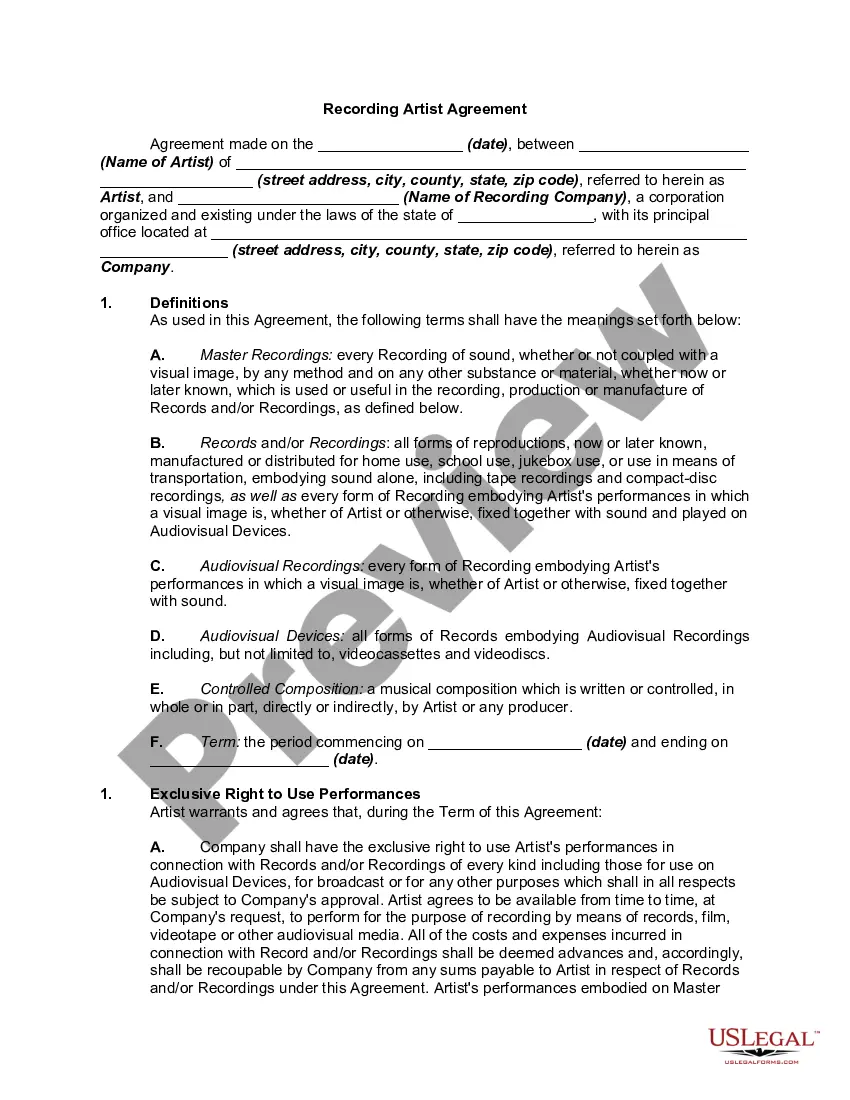
Recording company details (name, contact info) Artist details (group name, names of each artist, contact info) Production details, e.g. studio address, recording session dates, control over song selections on the recording, and control over album title.
Songwriters are guaranteed a royalty from every unit sold (CDs, vinyl, cassette, etc.). These royalties are paid out differently in different countries, but in the U.S., they come out to $0.091 per reproduction of the song nine cents every time a song is reproduced/sold.
The songwriter is paid a mechanical royalty every time an album or single is sold. In the United States, the amount songwriters are owed is set by law at 9.1 cents or 1.75 cents per minute of playing time, whichever is greater. In other words, a songwriter earns 9.1 cents every time a three minute pop song is sold.
Songwriters are paid via 3 royalty streams: Today, the current rate is 9.1 cents (typically split with co-writers and publishers). Performance Royalty A songwriter receives a performance royalty when their song is performed on terrestrial broadcast radio, in a live performance venue, or via online streaming services.
Get to know music publishers organically. Co-write with signed writers. Do your homework. Use everything you do well to your advantage. Write great songs.
Get to know music publishers organically. Co-write with signed writers. Do your homework. Use everything you do well to your advantage. Write great songs.
The Single Song Contract is probably the most basic publishing agreement a songwriter can enter into.Under this contract, the songwriter usually assigns 50% (or in some cases, 100%) of the publishing rights of a song to the publisher for a certain period of time, usually between 12 and 24 months.
Songwriters are guaranteed a royalty from every unit sold (CDs, vinyl, cassette, etc.). These royalties are paid out differently in different countries, but in the U.S., they come out to $0.091 per reproduction of the song nine cents every time a song is reproduced/sold.
Under the exclusive agreement, the songwriter agrees to assign all compositions written during a specified term (for example, 2 years from January 1 or 1 year with four options), with the guarantee of a share of the income generated and usually a proviso for weekly or monthly payments.