Cancellation List For Surgery In Bronx
Description
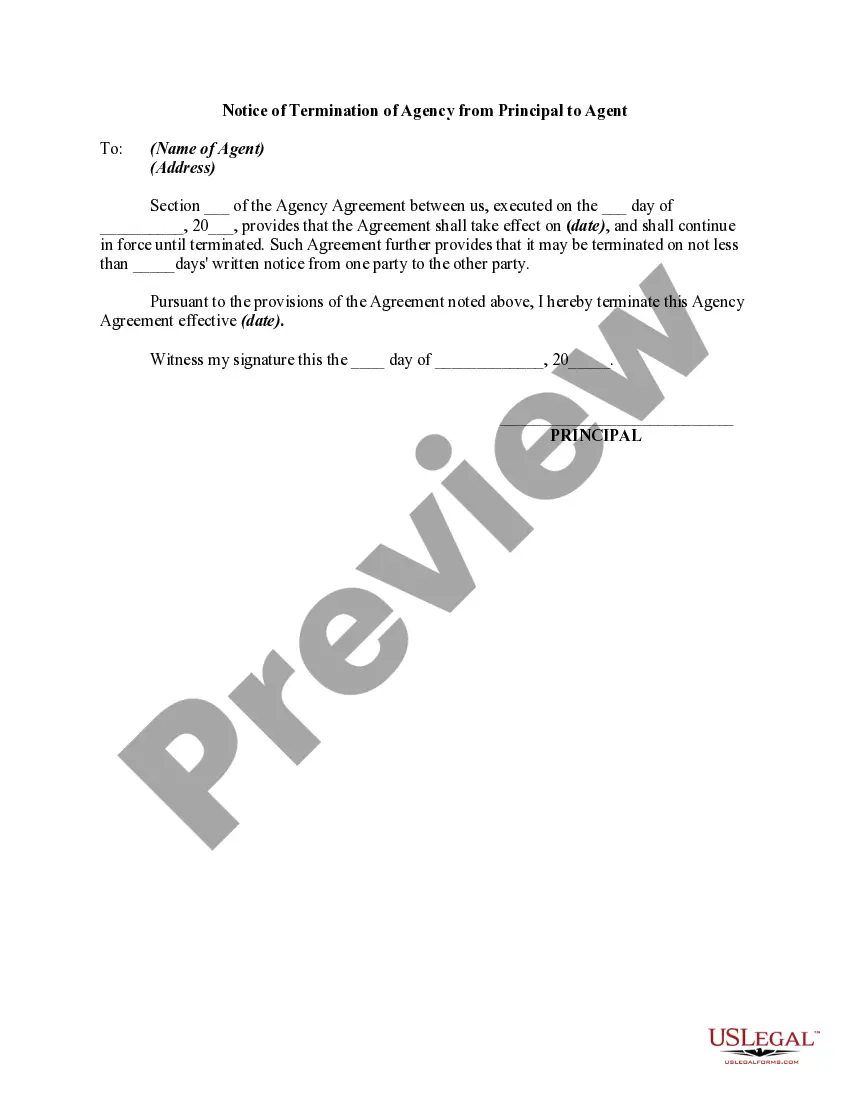
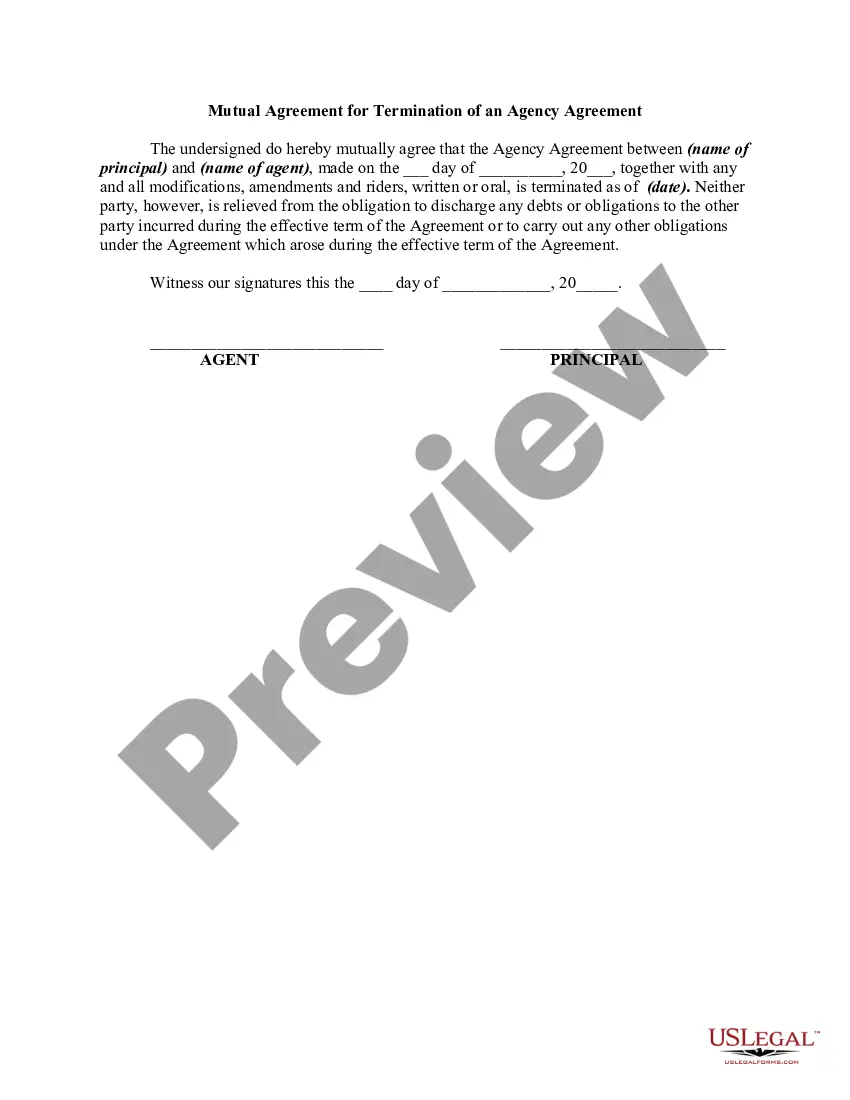
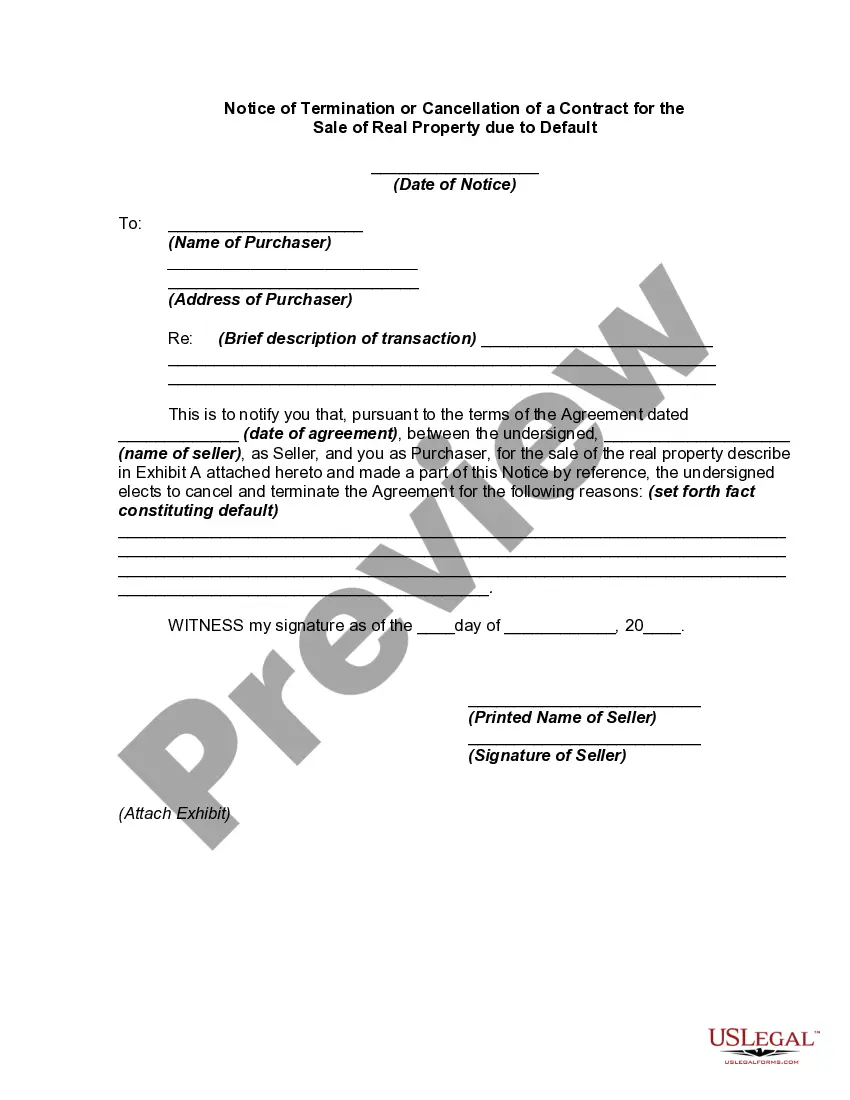
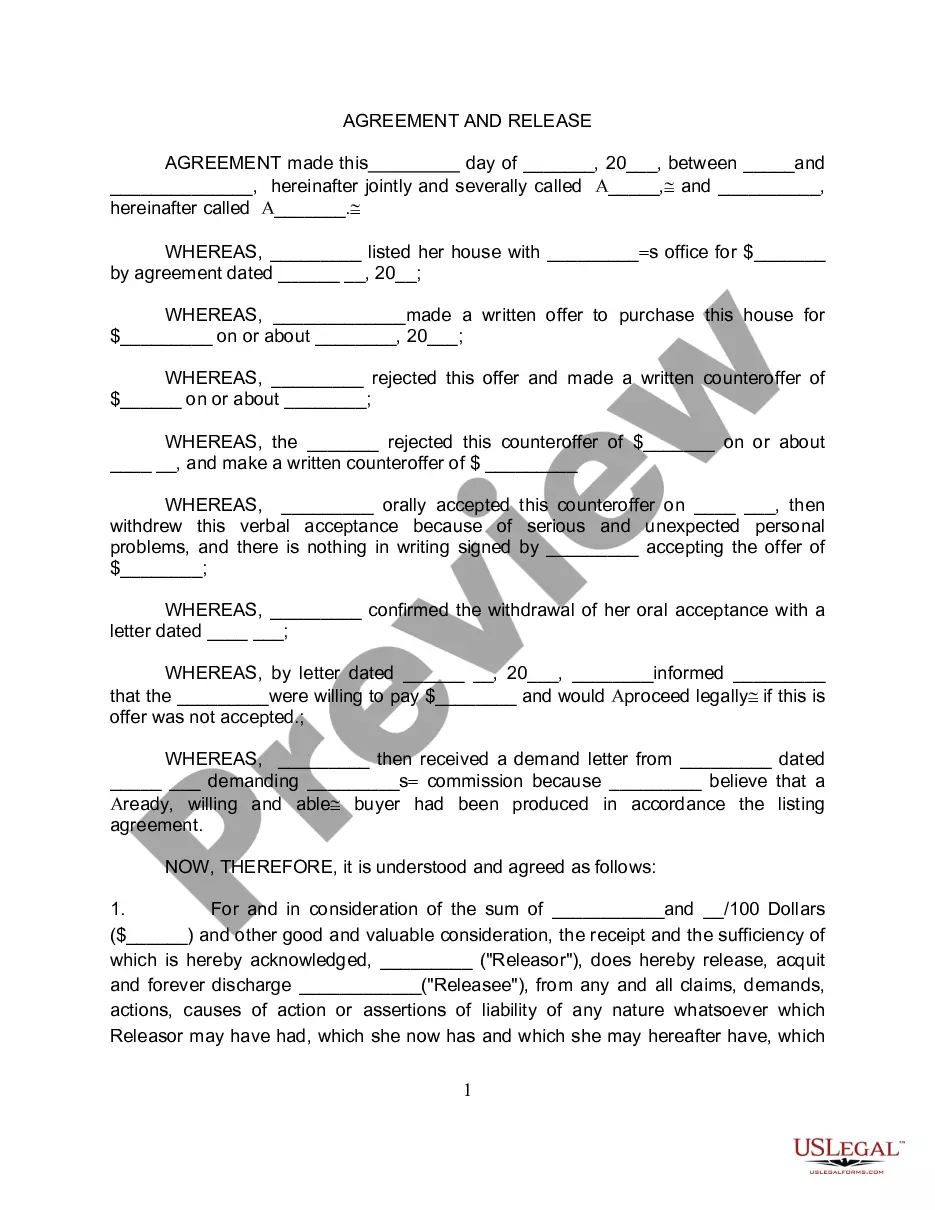
Get your form ready online
Our built-in tools help you complete, sign, share, and store your documents in one place.
Make edits, fill in missing information, and update formatting in US Legal Forms—just like you would in MS Word.
Download a copy, print it, send it by email, or mail it via USPS—whatever works best for your next step.
Sign and collect signatures with our SignNow integration. Send to multiple recipients, set reminders, and more. Go Premium to unlock E-Sign.
If this form requires notarization, complete it online through a secure video call—no need to meet a notary in person or wait for an appointment.
We protect your documents and personal data by following strict security and privacy standards.

Make edits, fill in missing information, and update formatting in US Legal Forms—just like you would in MS Word.

Download a copy, print it, send it by email, or mail it via USPS—whatever works best for your next step.

Sign and collect signatures with our SignNow integration. Send to multiple recipients, set reminders, and more. Go Premium to unlock E-Sign.

If this form requires notarization, complete it online through a secure video call—no need to meet a notary in person or wait for an appointment.

We protect your documents and personal data by following strict security and privacy standards.
Looking for another form?
Form popularity
FAQ
Some of the reasons your surgery maybe cancelled or postponed include: Incomplete or abnormal lab results. Failure to comply with pre-operative instructions. Availability of operating rooms and hospital beds. Physician, patient or family request. Patient illness.
Why would a doctor cancel your surgery at preop? You are sick. (fevers, pneumonia, etc) High blood pressure. Abnormal labs. New information which shows increased risk. Medications which affect bleeding or anesthesia taken too close to surgery.
The reported rates for day-of-surgery cancellation rates vary widely among institutions from 10-40 %.
Reasons Your Surgery May Be Cancelled or Postponed Lab work completed the day of surgery that is abnormal may result in your surgery/procedure being cancelled. It is important that you have your Preadmission Testing completed prior to your surgery date. Failure to comply with pre-operative instructions.
Surgeries that have high failure rates: Hiatal hernia which is intended to fix the problem of the stomach protruding out of the diaphragm space into the esophageal area. Hip resurfacing utilizes a metal cup that fits over the ball of the femur. Grafts involve replacing patches of skin with treated cadaver tissues.
To provide context to this figure, a systematic review found the self-reported regret rate for patients who have undergone general surgeries to be 'relatively uncommon' with an average prevalence of 14.4% across all studies (Wilson et al., 2017) .
Results. Across 11 surgical specialties, 2933 of 20 881 surgeries (14.0%) were cancelled and of these, 2448 (83.5%) were for administrative or structural reasons. Compared with the data collected previously for general, gynecological and urological procedures, cancellation rates increased from 8.1% to 11.8%.
Follow these steps when you have an Identity Verification Code: Sign in to myGov. Select View and link services. Select Link on the My Health Record tile. Select Use my access code, then Continue. Enter your Identity Verification Code, family name and date of birth. Select Next.
If you are a family member of a deceased patient, you can request information if: You have proof of the patient's permission prior to his/her death. It is relevant to your own health, and is requested by your physician. You are the executor of the estate and have included a copy of court papers.
To request a copy of a medical record from a hospital, call or write to the hospital holding the record. You must speak to the Medical Records Department and request a release of medical information authorization form from the hospital.

