Pleading With You In Santa Clara
Description
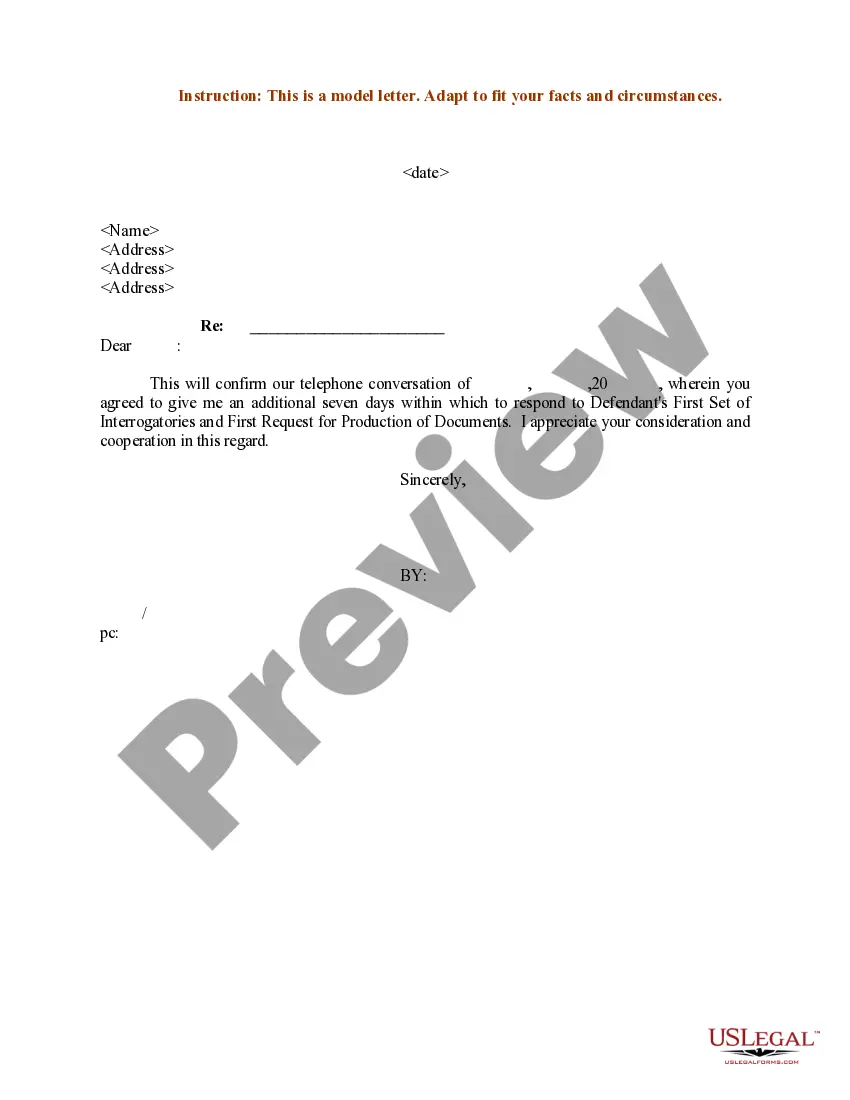
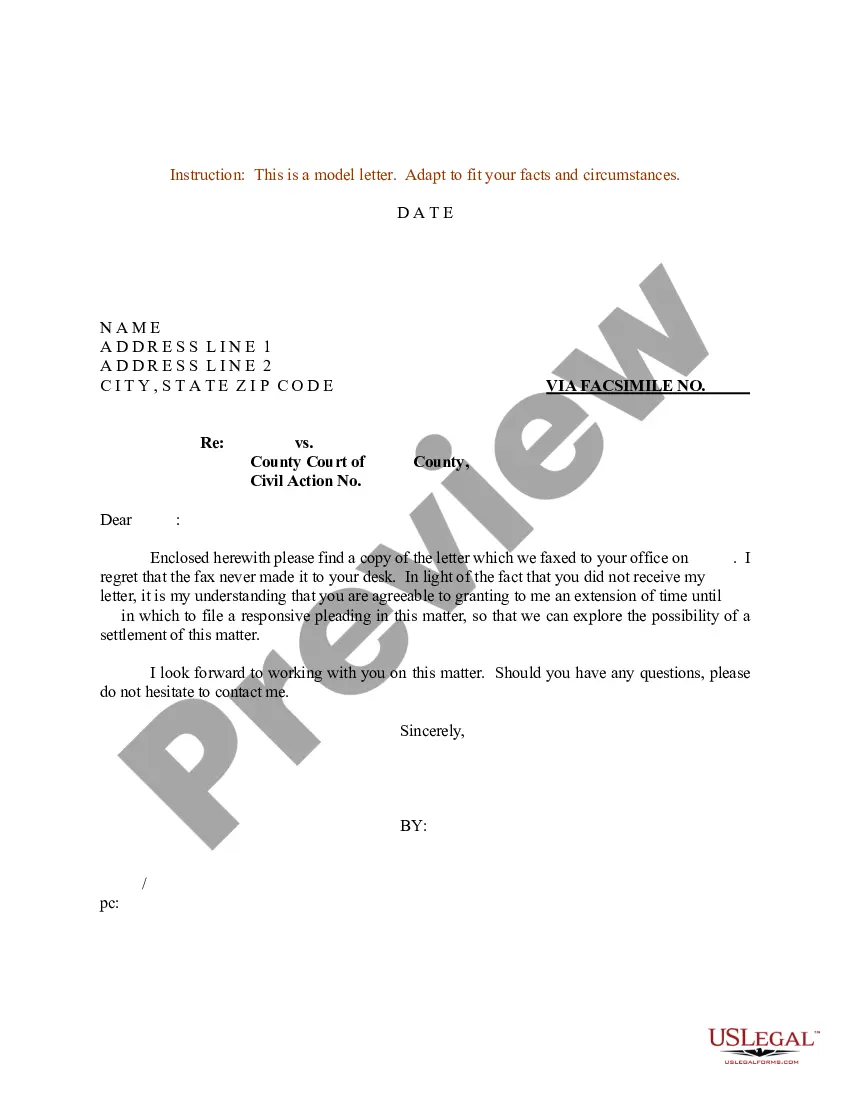
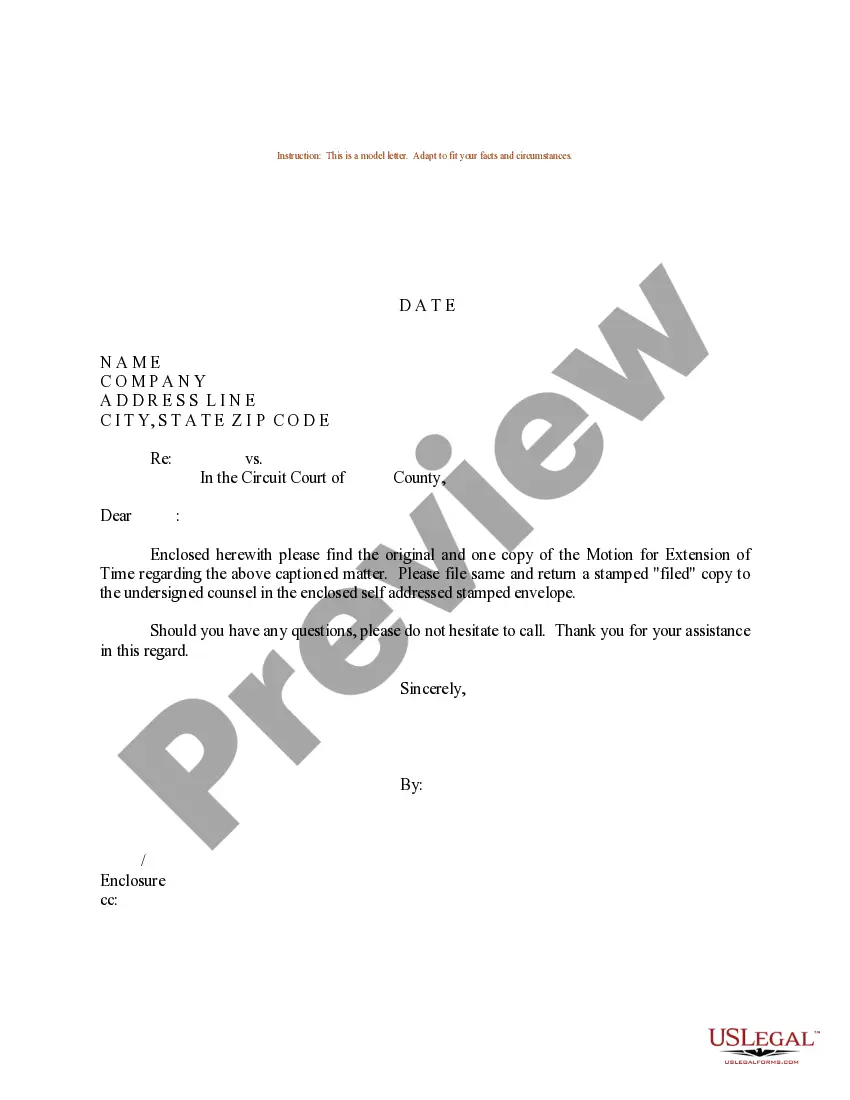
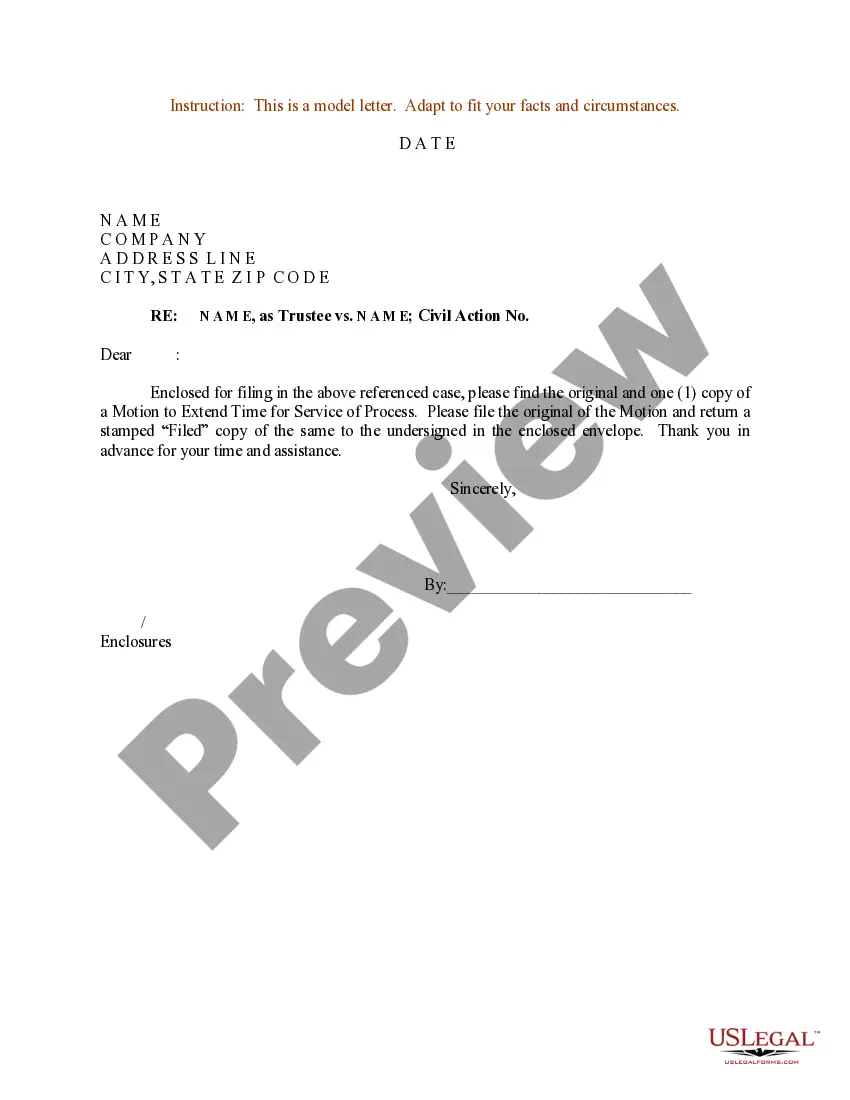
Get your form ready online
Our built-in tools help you complete, sign, share, and store your documents in one place.
Make edits, fill in missing information, and update formatting in US Legal Forms—just like you would in MS Word.
Download a copy, print it, send it by email, or mail it via USPS—whatever works best for your next step.
Sign and collect signatures with our SignNow integration. Send to multiple recipients, set reminders, and more. Go Premium to unlock E-Sign.
If this form requires notarization, complete it online through a secure video call—no need to meet a notary in person or wait for an appointment.
We protect your documents and personal data by following strict security and privacy standards.

Make edits, fill in missing information, and update formatting in US Legal Forms—just like you would in MS Word.

Download a copy, print it, send it by email, or mail it via USPS—whatever works best for your next step.

Sign and collect signatures with our SignNow integration. Send to multiple recipients, set reminders, and more. Go Premium to unlock E-Sign.

If this form requires notarization, complete it online through a secure video call—no need to meet a notary in person or wait for an appointment.

We protect your documents and personal data by following strict security and privacy standards.
Looking for another form?










Form popularity
FAQ
How to request public records. Public records can be requested in writing, via the mail, email, fax, phone or in-person. We recommend putting your request in writing to avoid confusion and to make certain that you obtain the records you want.
Court Code 43470, as part of a broader set of regulations, governs specific aspects of civil litigation, particularly regarding the filing and processing of documents within Santa Clara County Superior Court.
Attorneys seeking access to sealed court documents typically need to file a motion with the court. The motion should explain the specific reasons for the request and how access to the sealed information is essential for the proper representation of their client.
Tells the court that you had legal papers in a civil case - other than a summons - delivered to (served on) the other party. Lists the papers that were served and tells who they were served on, where, when, and how they were served, and who served them.
Send a written request directly to the Court Reporter: Complete the Transcript Request Form. Email form to the Court Reporter (see contact list below) Wait for a response from the Court Reporter regarding next steps.
What if I need to postpone my court date? (a continuance) Ask for a continuance. You can do this in person, by phone or in writing. The Court will allow one continuance for arraignments or trials if the parties have waived their right to trial within time periods set by law.
How to Request Production of Documents and Things Download the template for Request for Production. Fill out basic information at the top. Choose a location for the other side to bring the documents. Add your own definitions (if useful) ... Write your requests for production. Sign and date the document. Make copies.
General format - each motion generally consists of a case caption, a title that briefly identifies the relief sought, a series of numbered paragraphs that explains -- in a logical way -- why you are entitled to that relief, a prayer for relief, a signature block, a certification that a copy of the motion was sent to ...
If you want to file a motion, the process is generally something like this: You write your motion. You file your motion with the court clerk. The court clerk inserts the date and time your motion will be heard by the judge. You “serve” (mail) your motion to the other side.
Write your legal argument by stating the rule and explaining how your facts apply to it. Then, add your signature, a Certificate of Service, and a Notice of Hearing. File your motion with the clerk of court overseeing your case. Then, give copies to each defendant.

