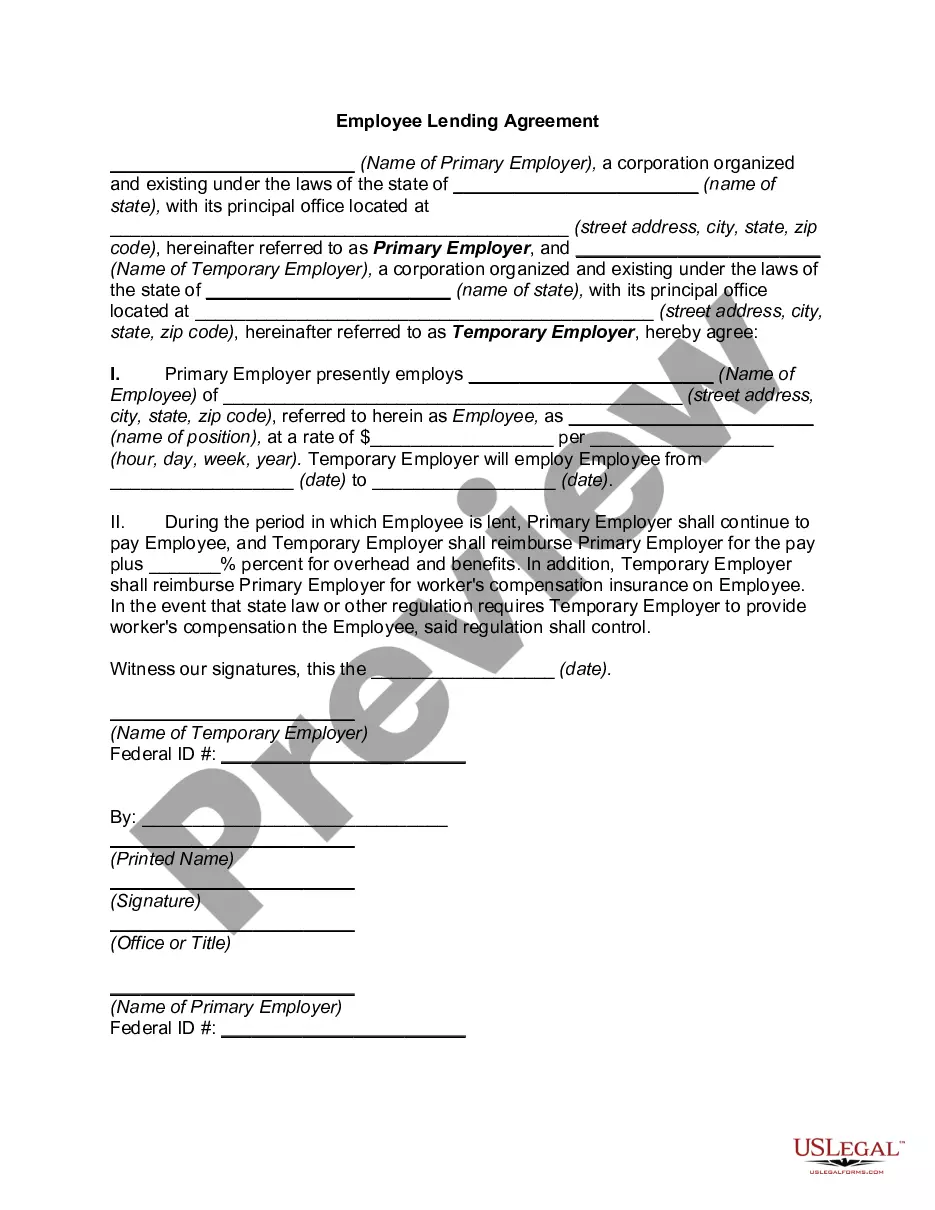
Leased Employee Agreement For Services In Wayne
Description

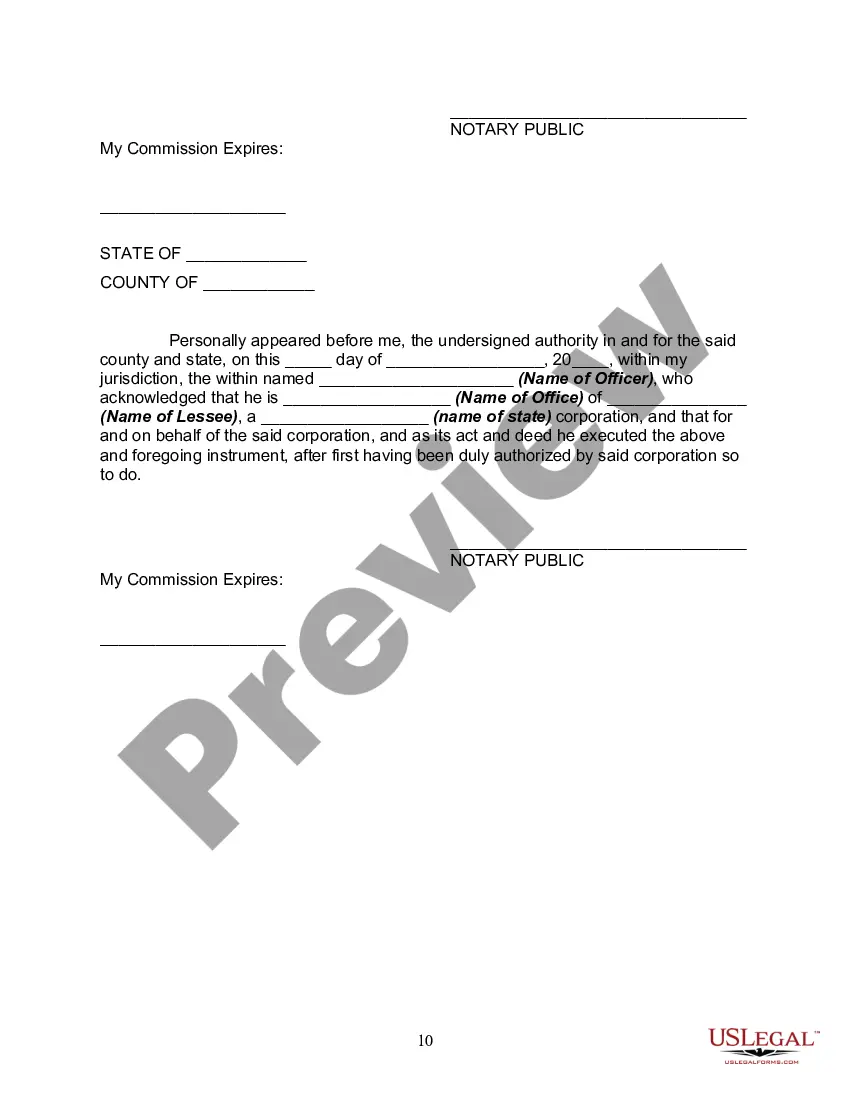
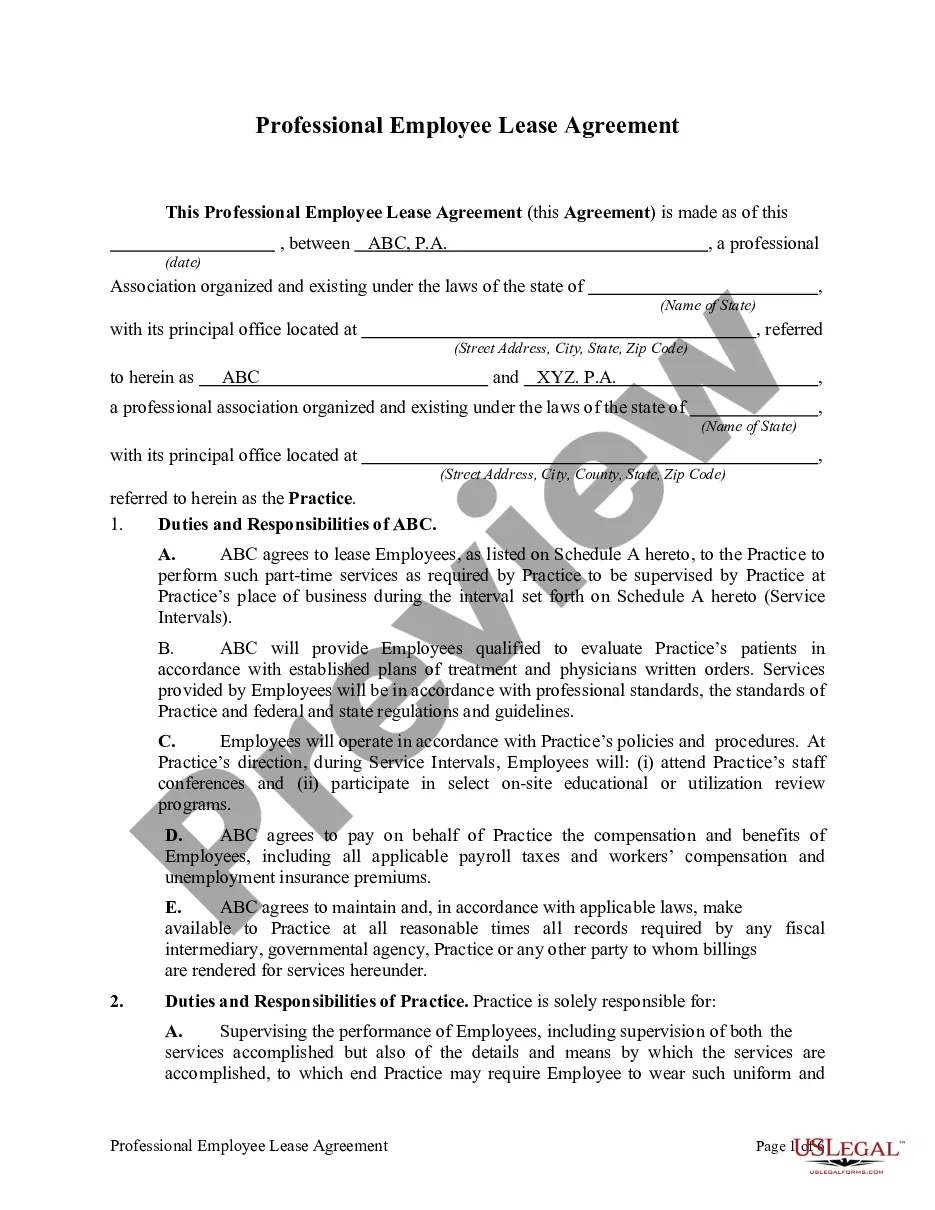
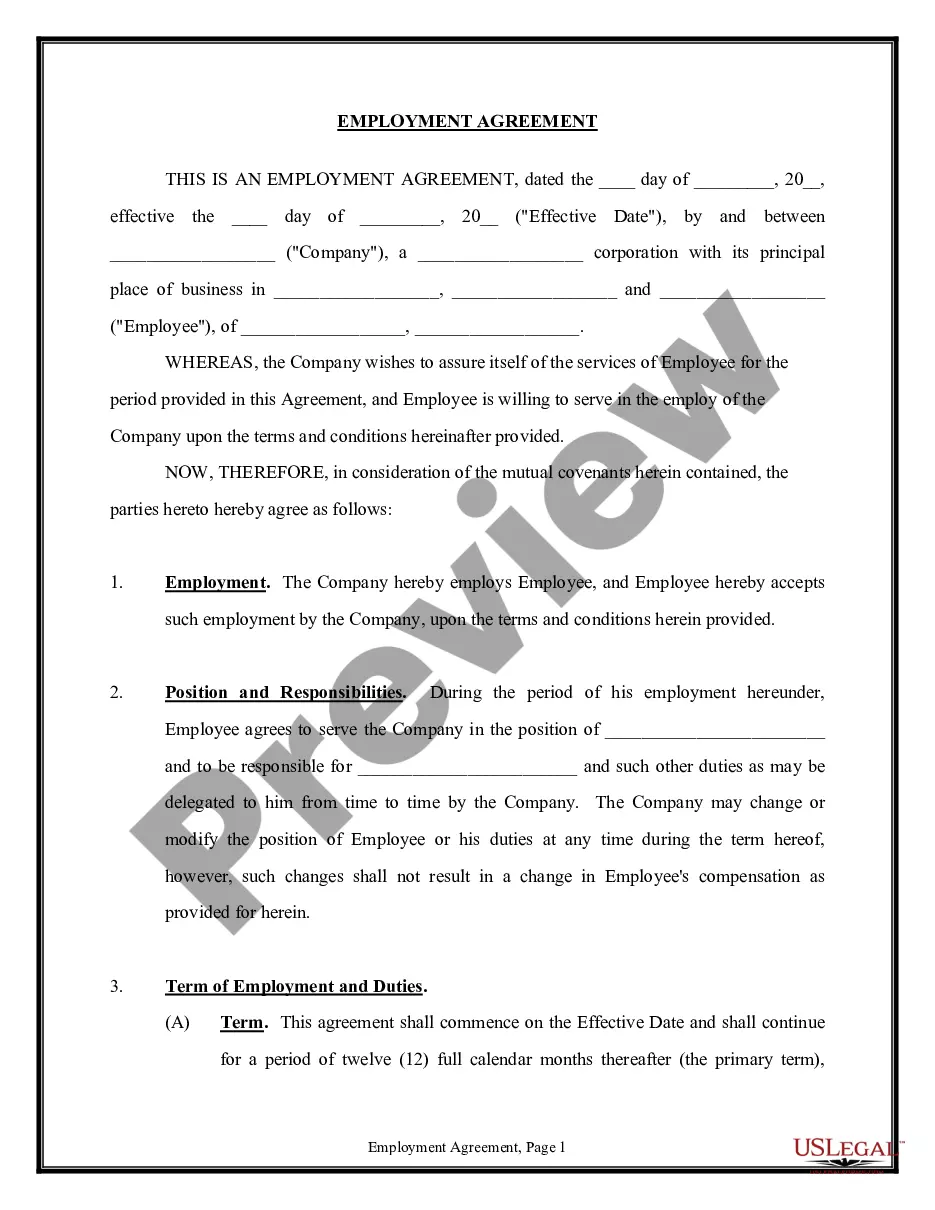
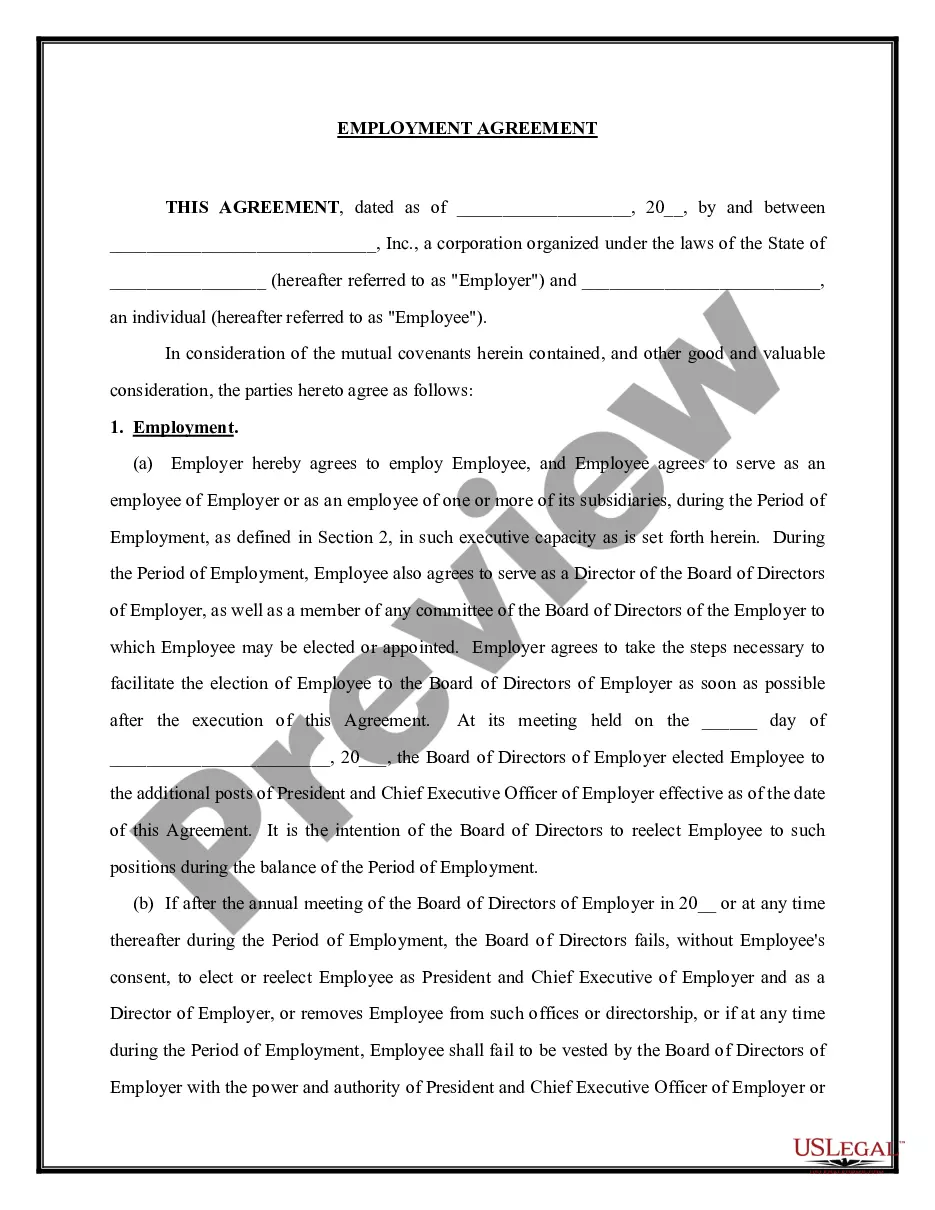
Get your form ready online
Our built-in tools help you complete, sign, share, and store your documents in one place.
Make edits, fill in missing information, and update formatting in US Legal Forms—just like you would in MS Word.
Download a copy, print it, send it by email, or mail it via USPS—whatever works best for your next step.
Sign and collect signatures with our SignNow integration. Send to multiple recipients, set reminders, and more. Go Premium to unlock E-Sign.
If this form requires notarization, complete it online through a secure video call—no need to meet a notary in person or wait for an appointment.
We protect your documents and personal data by following strict security and privacy standards.

Make edits, fill in missing information, and update formatting in US Legal Forms—just like you would in MS Word.

Download a copy, print it, send it by email, or mail it via USPS—whatever works best for your next step.

Sign and collect signatures with our SignNow integration. Send to multiple recipients, set reminders, and more. Go Premium to unlock E-Sign.

If this form requires notarization, complete it online through a secure video call—no need to meet a notary in person or wait for an appointment.

We protect your documents and personal data by following strict security and privacy standards.
Looking for another form?








Form popularity
FAQ
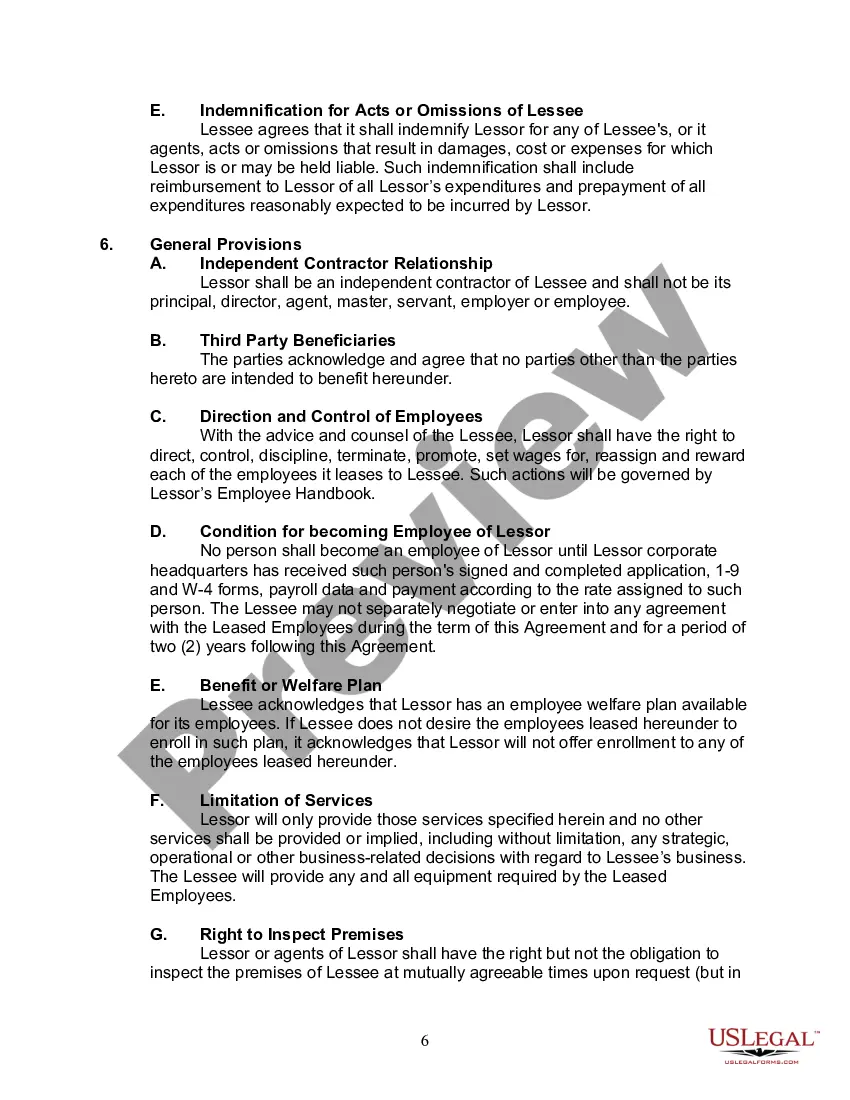
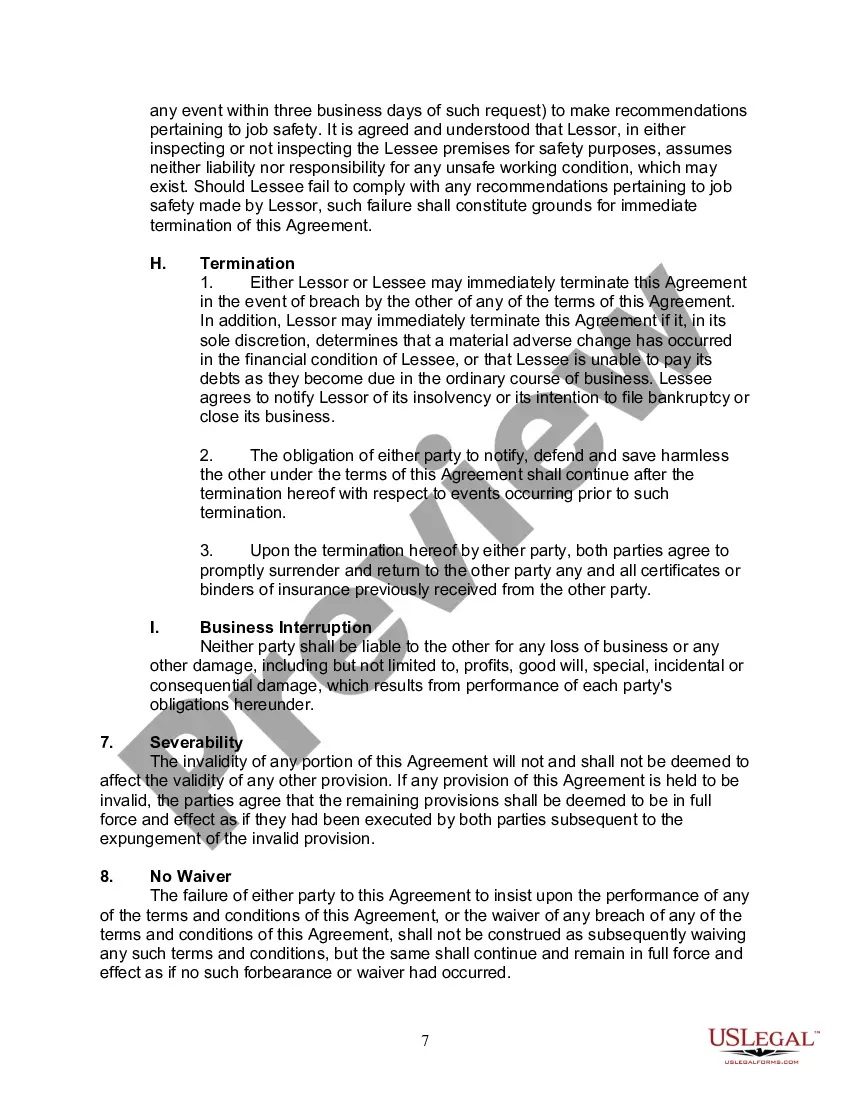
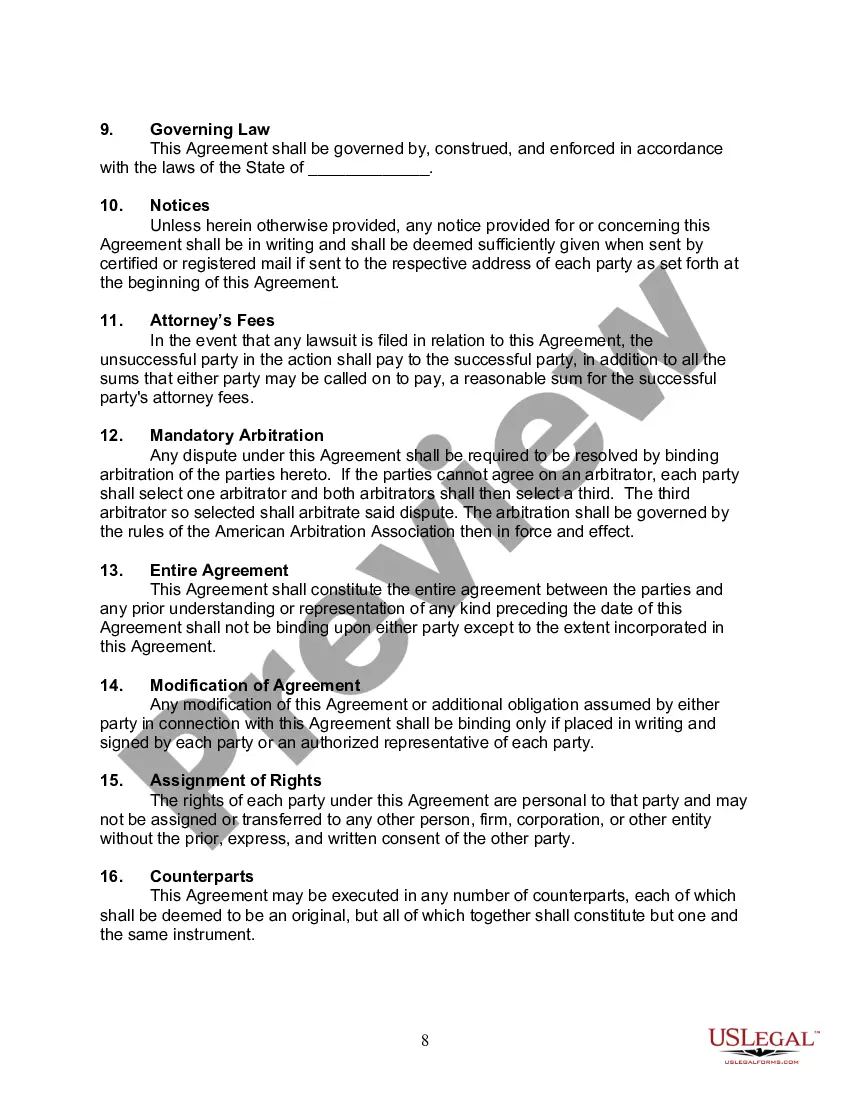
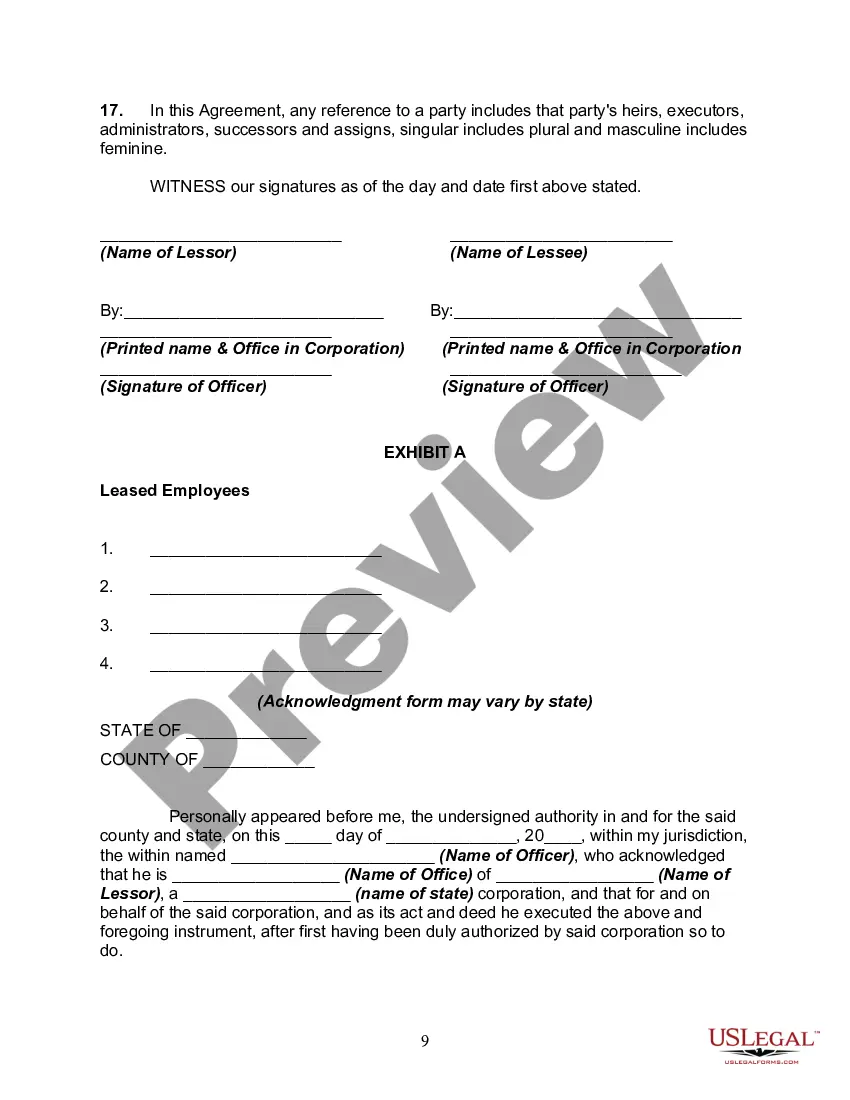
service lease is typically defined as a lease that has one, allinclusive rental rate which includes both the base lease rate and the operating expenses (property taxes, insurance and common area maintenance) combined into one figure.
Chances are good that many of your master lease agreements and schedules are housed in your contract management system. The contract management system should also contain information about any amendments or modifications that have been made to the lease over time.
A full service lease typically includes a base rate, and the landlord is responsible for paying all other expenses. Common expenses can include common area maintenance (CAM) fees, utilities, property taxes, and property insurance.
A service lease is an arrangement where the owner and lessor of the equipment maintains and services the asset and allows the asset operator operational flexibility by permitting the pick-up and drop off of equipment through the lease term.
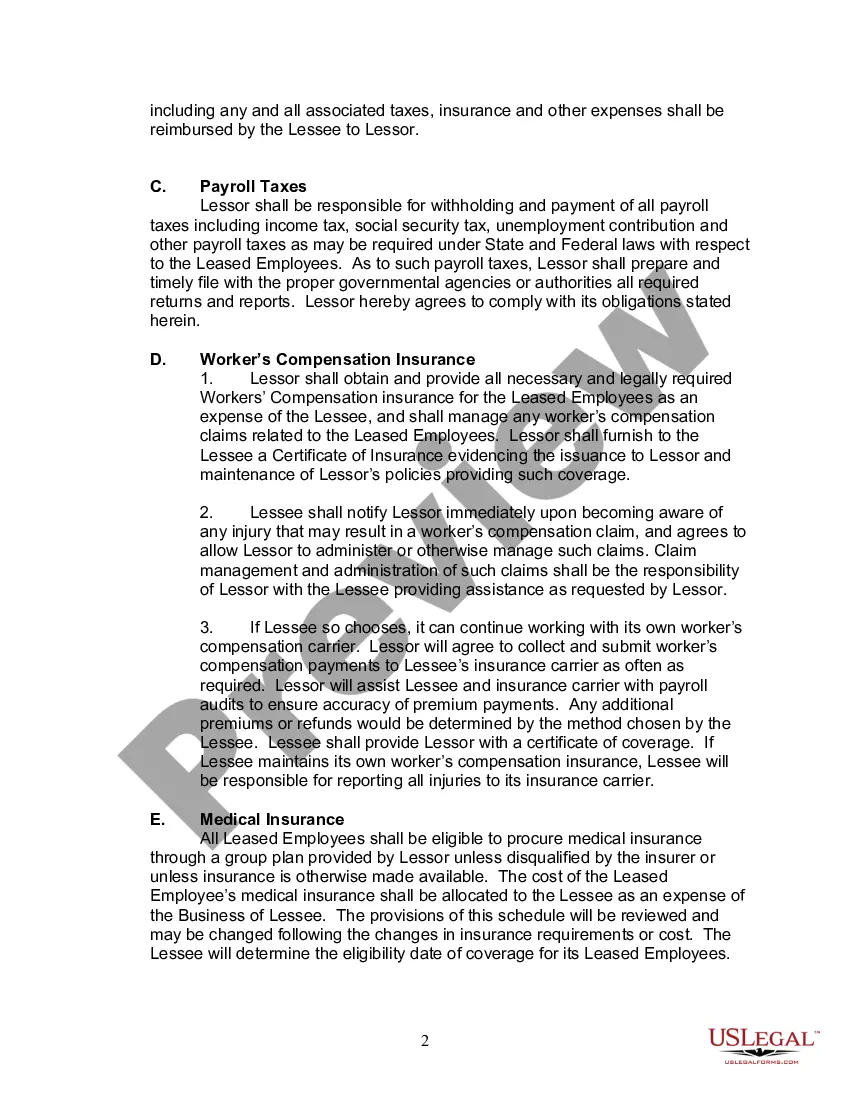
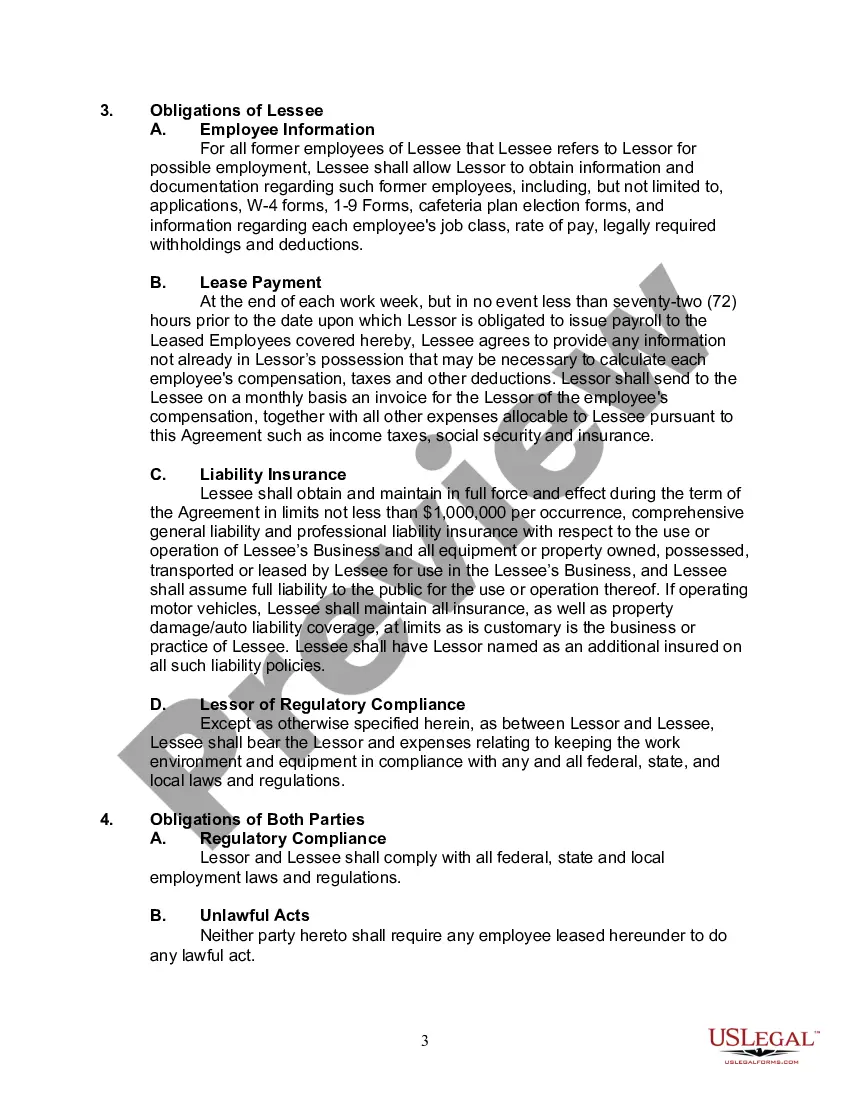
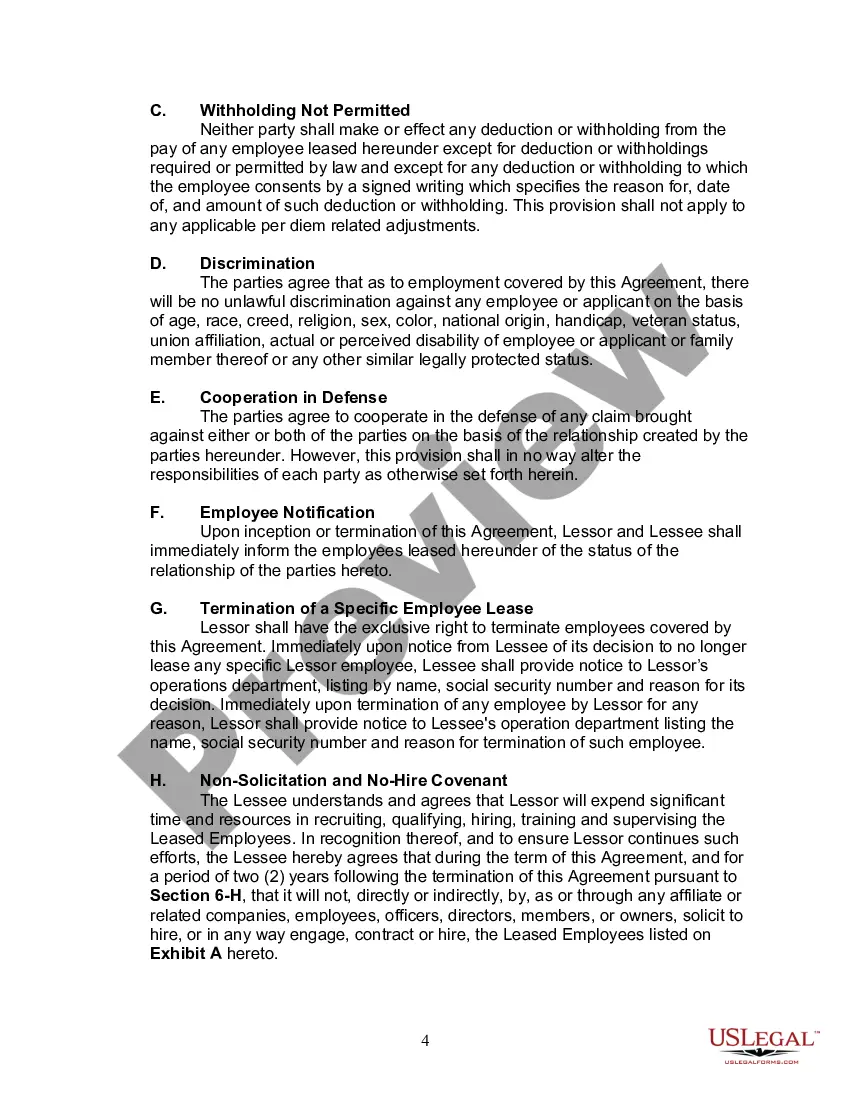
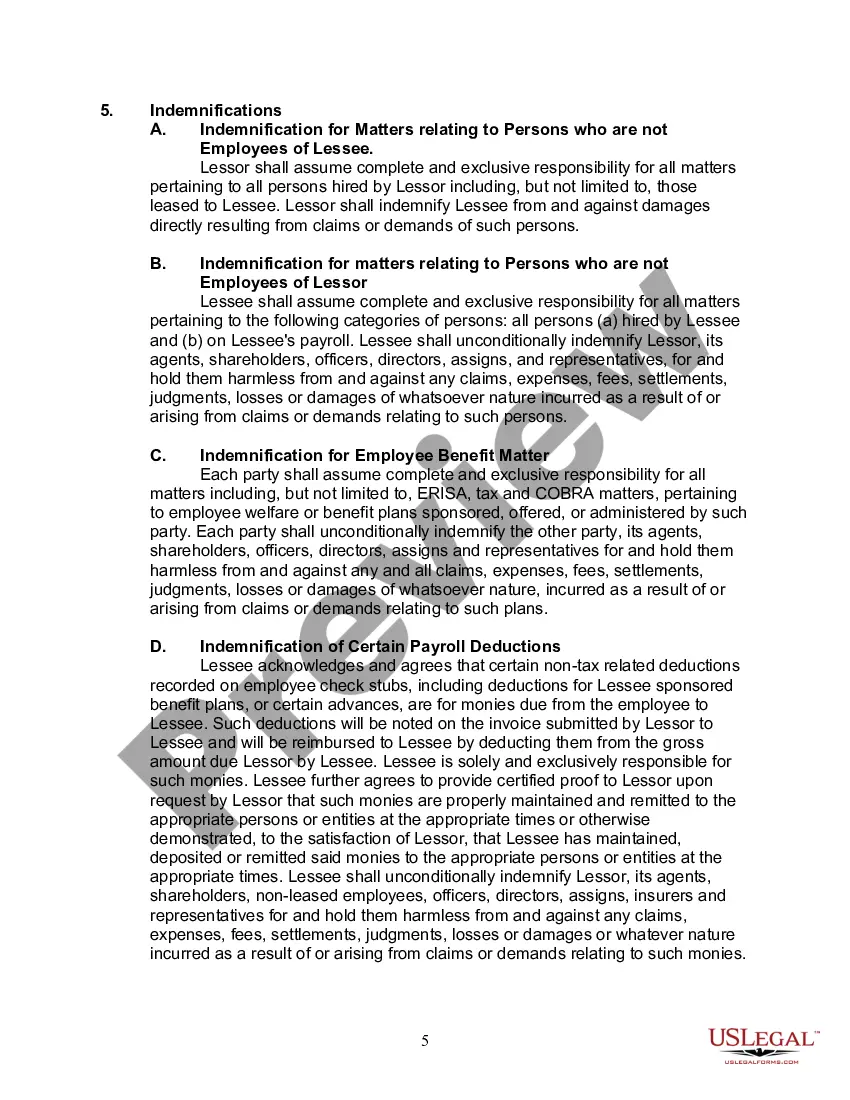
Employee leasing is an arrangement between a business and a staffing firm, who supplies workers on a project-specific or temporary basis. These employees work for the client business, but the leasing agency pays their salaries and handles all of the HR administration associated with their employment.
Service Contract vs Lease In a lease, the lessor provides the asset to the lessee, who benefits from it throughout the lease term. In a service contract, the customer receives economic benefit from the service provided by the lessor.
State laws on leases and rental agreements can vary, but a landlord or property management company should provide you with a copy of your signed lease upon request. You should make your request in writing, so you have proof if there is a dispute later.
While leased employees are legally employed by a PEO, they work under the day-to-day management and supervision of the leasing business — much like any other employee. This generally gives the leasing business control over how they spend their time, which tools they use to perform their work, their deadlines, and more.
What are the Different Types of Lease Agreements? Fixed-term lease. A fixed-term lease may be the most familiar type of rental agreement. Month-to-month lease. Sublease agreement. Rent-to-own agreement. Contact Henry & Beaver, LLP for experienced real estate lawyers.
Examples of work provided by Employee Leasing Companies are Payroll Services, Insurance, Tax Services, and various Personnel Services.
